
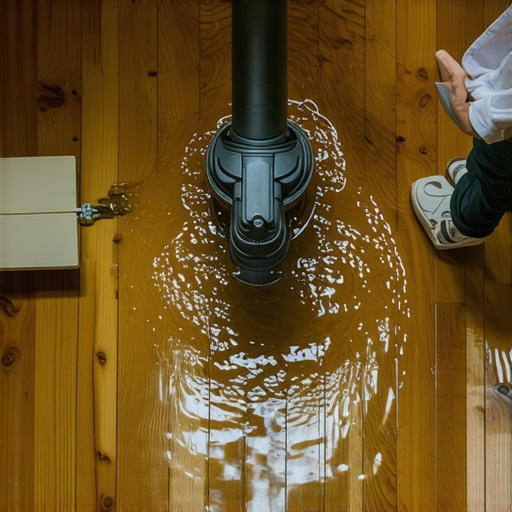
I still remember the smell of damp particle board and the sound of my socks squelching on the linoleum. It was three years ago, and I had just “saved” twenty bucks by telling my installer to use the existing shut-off valve for my new dishwasher. I thought I was being savvy. I thought he was just trying to pad the bill. I was wrong. By the time I noticed the slow drip had turned into a steady stream, my subfloor was a sponge. If you’ve ever stood in your kitchen wondering why a professional is giving you “the look” over a piece of brass, you aren’t alone. Today, I’m going to explain why that tiny valve is the only thing standing between a clean load of dishes and a call to your insurance adjuster. [image_placeholder]
Your Old Valve Is a Ticking Time Bomb
We often treat shut-off valves like furniture—if it’s there and looks okay, we leave it. But these components have internal seals that dry out and become brittle over time. According to the International Association of Certified Home Inspectors, older gate valves are notorious for failing to close completely or leaking immediately after being handled for the first time in years. When an installer touches a valve that hasn’t moved since the Bush administration, the internal washer often disintegrates. This is one of the most common mistakes professional installers see, and they know that if it fails, it’s their reputation (and your floor) on the line.
Is This Just a Sneaky Way to Charge More?
I get it. You just dropped several hundred dollars on a sleek new machine and every extra fee feels like a slap in the face. But think about it this way: the installer doesn’t get rich off a fifteen-dollar part. They insist on it because they’ve seen what happens when you have to salvage a flooded kitchen. It’s about reliability. Reusing old brass fittings is a gamble where the house always wins. Have you ever had a contractor insist on a part you thought was unnecessary? Tell me about your experience in the comments.
Don’t Risk Your Warranty Over a Cheap Part
Beyond the flood risk, there’s the legal side of things. Modern appliances come with complex agreements. If a leak occurs because of a faulty old part you insisted on keeping, understanding dishwasher warranty policies becomes a nightmare. Most manufacturers will point the finger at the “pre-existing plumbing” rather than the machine itself. By installing a fresh valve, you create a clear line of responsibility that protects your investment from day one.
Flush Out the Pipes Before the First Cycle
Before you even slide that new unit into the cabinet, you have to deal with the “ghosts” in your pipes. Old plumbing often has built-up scale and sediment that sits undisturbed for years. When you shut off the water and turn it back on, that pressure surge knocks the debris loose. If you hook up your machine immediately, that grit travels straight into your new appliance. This is the critical reason to flush your water lines before hooking up a new machine. Think of it like a straw; if there is sand at the bottom, your first sip is going to be unpleasant. I learned this the hard way during a DIY project where I skipped the flush. A tiny piece of copper flake got lodged in the filter screen of my brand-new machine, causing a slow leak that I did not find until the floorboards started to warp. By flushing a gallon of water into a bucket before connecting the hose, you ensure the only thing entering your machine is clean water.
Signs Your Old Valve Has Finally Quit
You might think a valve is fine because it isn’t currently leaking, but that is a dangerous assumption. Look for “green fur”—that crusty oxidation on the threads. If the handle is seized or feels “crunchy” when you turn it, the internal washer is likely shot. These are vital parts to check when installing a dishwasher for long-term performance. If you force a stuck valve, you risk snapping the stem, turning a simple appliance swap into an emergency plumbing disaster. 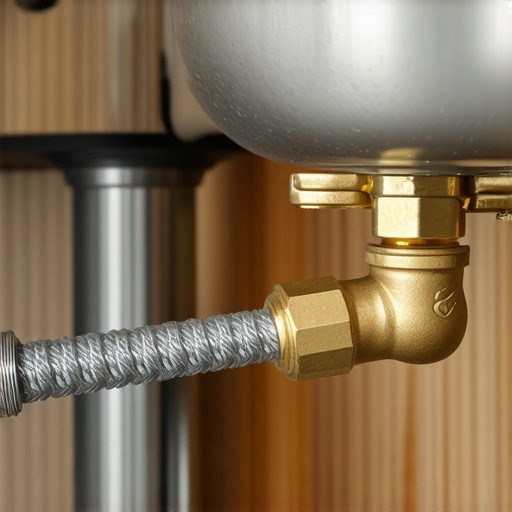
Pick the Right Hose to Avoid a Kitchen Swamp
The rubber hoses that come in some generic install kits are often the weakest link in your kitchen. They are prone to bulging and bursting under the constant pressure of a modern home. Instead, look for the most durable braided steel hoses for long-term safety. These hoses act like a suit of armor for your water line. While you are at it, pay attention to the connectors. Understanding the difference between OEM and generic water inlet valves is key because cheap plastic threads on generic valves strip easily, leading to high-pressure sprays behind your cabinets where they can stay hidden for weeks. Using a brass elbow fitting—the 90-degree piece that connects the hose to the machine—is another non-negotiable step to prevent leaks.
Protect Your Investment with Fresh Hardware
Beyond just the valve and the hose, there are several common dishwasher parts and their role in proper installation that beginners often ignore. For instance, reusing the old brass fitting is asking for a cross-threading disaster. When you use all-new components, you aren’t just being “fussy”; you are creating a paper trail of a professional-grade setup. This is a massive advantage when learning how to get your warranty claim approved on the first try. If a technician comes out for a future repair and sees a shiny new quarter-turn valve and a steel-braided line, they know the machine was installed to modern standards, making them much less likely to blame “pre-existing conditions” for any failures.Let’s dig deeper into the dirty secret of the appliance world: your warranty is often only as strong as the person who turned the wrench. Most homeowners believe that as long as they buy the machine, the manufacturer is on the hook for repairs. In reality, the most common reason for a denied claim isn’t a faulty motor; it’s “improper installation.” This is why your warranty claim fails without an authorized receipt. If you can’t prove a pro did the work, the manufacturer can blame every leak or rattle on your DIY skills. While you might think you’re saving $150 by doing it yourself, you are actually gambling with a $1,000 asset. The risks of skipping the professional installation receipt go far beyond the initial setup fee; it’s about having a legal shield if the machine turns out to be a lemon. 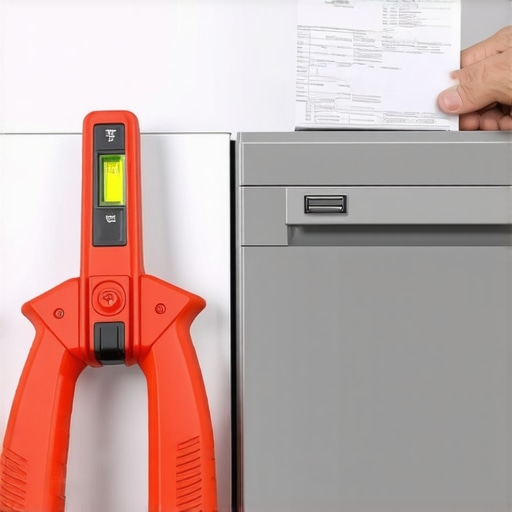
Your Professional Receipt is Actually a Legal Shield
I’ve seen it dozens of times: a customer buys the highest-rated model and then tries to save pennies on the install. According to data from the Association of Home Appliance Manufacturers (AHAM), nearly one in four service calls in the first year are attributed to installation errors rather than component defects. This creates a massive loophole for brands. By maximizing your dishwashers warranty through proper parts selection and professional labor, you eliminate their ability to point the finger back at you. Have you ever had a warranty claim denied because of a “pre-existing condition”? Let me know in the comments.
Does Your Warranty Cover a DIY ‘Oops’ Moment?
The short answer is usually no. Even if you use the right hoses and valves, a single mistake like over-tightening a plastic inlet can cause a hairline fracture that doesn’t leak for weeks. This is the mistake that voids your lifetime tub warranty before you’ve even run your first load of heavy-duty pots and pans. When a pro does it, they carry insurance that covers these specific mishaps. If you do it yourself, that “oops” comes straight out of your bank account.
Why the Best Parts Still Fail Without a Level Surface
Most people think leveling is just about making the machine look flush with the cabinets. It’s actually much more technical. If the machine is tilted even slightly, the water doesn’t drain correctly, leading to stagnant pools that rot your seals. This is why why professional leveling prevents your door from leaking in the long run. An unlevel machine puts uneven pressure on the door hinges, which eventually causes the gasket to warp. For those who want an extra layer of protection, I always recommend the $20 smart sensor that detects leaks before your kitchen floods. It’s a tiny investment that provides peace of mind that even the best warranty won’t offer. Success in appliance longevity isn’t just about what’s inside the box; it’s about how to get your warranty claim approved on the first try by doing things by the book from the very first second.
The Multimeter is My Secret Weapon
For years, I used to play a guessing game whenever my dishwasher wouldn’t start. Was it the control board? The door latch? Now, I don’t move a muscle without my digital multimeter. If you want to stop being at the mercy of a repairman’s schedule, you need to learn how to test your thermal fuse with a basic multimeter. It takes thirty seconds and can save you a $200 service call for a $10 part. I personally use a Fluke 117 because the ‘AutoV’ feature prevents me from blowing the fuse in the meter itself if I accidentally touch a live wire. When you can verify exactly which of the most popular dishwasher parts and how they improve performance are actually failing, you gain total control over your kitchen’s uptime. 
Stop the Gunk Before it Stops the Pump
Maintenance isn’t just about fixing things when they break; it’s about preventing the ‘death by a thousand clogs.’ Every month, I perform a deep dive into the sump. Most people know about the main basket, but they ignore the hidden drain screen you probably forgot to clean. This fine mesh is where the real damage happens; if it’s blocked, the motor has to work twice as hard, leading to a premature burnout. I’ve found that the best way to clean a filter that is coated in grease is actually a soft toothbrush and degreasing dish soap—not the dishwasher itself. If you start hearing a low-frequency hum, you need to know how to identify a failing circulation motor by sound before it seizes entirely and leaves you with a tub full of dirty water.
How do I keep my dishwasher running like new for years?
Consistency is more important than intensity. Beyond cleaning filters, you must address the invisible threats. The Association of Home Appliance Manufacturers (AHAM) notes in their DW-1-2020 standard that mineral buildup is the primary cause of reduced spray arm pressure. This is why I run a monthly descaling cycle. Also, don’t ignore the digital side of things. If you have a Wi-Fi enabled unit, why your smart dishwasher keeps asking for a software update is usually because the manufacturer has optimized the pump timing to reduce wear. I predict that within the next five years, AI-driven diagnostics will be standard, allowing your machine to order its own replacement sensors before they even fail. For now, the best thing you can do is be proactive. Grab a multimeter and test your door switch today—it’s the easiest way to start thinking like a pro and ensures you are maximizing your dishwashers warranty through proper parts selection by catching issues early.
The Hard Lessons I Learned About Trusting Old Plumbing
After years of tinkering under sinks, I have realized that the biggest threat to your kitchen isn’t a faulty motor—it is the hubris of thinking ‘good enough’ is acceptable. Here are the lightbulb moments that changed how I approach every new appliance. First, never prioritize speed over a dry subfloor. If an installer seems like they are in a rush to leave, they might skip the critical step of checking the sink drain for clogs, which can back up into your new machine. Second, I learned that a receipt is more than just proof of purchase; it is a legal shield. Without it, you are vulnerable to what your dishwasher warranty doesnt cover and how to avoid fees later on. Finally, the most expensive part you will ever buy is the one you *didn’t* replace when you had the chance. If you are looking for expert advice on dishwasher installation troubleshooting, start by assuming that every old rubber hose is a liability waiting to happen.
The Survival Kit Every Dishwasher Owner Needs
If you want to move from ‘worried homeowner’ to ‘confident DIYer,’ you need the right arsenal in your utility drawer. [image_placeholder] I personally never start a job without these four essentials. A Digital Multimeter is non-negotiable for verifying power before you touch a single wire. Braided Stainless Steel Hoses are the only way to sleep soundly at night, as they provide a level of burst protection that rubber simply cannot match. I also swear by Smart Leak Sensors; for twenty bucks, they provide better peace of mind than a thousand-dollar insurance policy. Lastly, keep a list of essential parts every dishwasher owner should know about taped to the inside of your cabinet. When a leak starts at 2:00 AM, you don’t want to be searching the internet for the name of the ‘water-stopper-thingy.’
Your Kitchen Deserves This Fresh Start
Installing a new appliance is a milestone, a chance to upgrade your daily routine and make your home more efficient. Don’t let a reused brass fitting or a skipped flushing cycle ruin that feeling of progress. By focusing on maximizing your dishwashers warranty coverage today through professional standards and new hardware, you are investing in years of hassle-free operation. Following top tips for seamless dishwasher installation in 2025 means more than just a clean load of dishes; it means protecting the value of your home. You have the knowledge now—go ahead and make that installation bulletproof. Have you ever had a brand-new appliance leak because of an old part you decided to keep? Let me know your experience in the comments below!
Related Posts

The Case for Professional Leveling: Why a One-Degree Tilt Matters
It was the loud thud that finally made me realize…
The Risks of Skipping the Professional Installation Receipt
I sat on my kitchen floor, staring at a blinking…
The Step-by-Step Guide to Installing a Dishwasher in an Island
I remember the exact moment my dream kitchen turned into…