
I’ll never forget the Tuesday night I almost threw my dinner plate at the sink. My brand-new, smart dishwasher—the one I’d spent hours meticulously researching—decided it wouldn’t wash a single fork until I downloaded a 200MB firmware update. I stood there, soapy water on my hands, staring at a screen that looked more like a smartphone than a kitchen appliance. It felt ridiculous. Why does a machine meant for spraying hot water need a digital brain transplant? I’d just finished a seamless dishwasher installation and expected a honeymoon phase, not a request for my Wi-Fi password. My biggest mistake early on was ignoring these prompts for three weeks until the app finally crashed. I learned the hard way that when you ignore the digital housekeeping, the physical housekeeping stops too. If you’ve ever felt like your appliance was holding your clean dishes hostage, you aren’t alone. Today, we are going to dive into why these updates happen and how to regain control of your kitchen.
Stop the Digital Nagging from Your Kitchen
The truth is, those annoying pop-ups aren’t just there to ruin your evening or sell you more detergent. When your machine starts acting up, it’s often trying to fix a bug you haven’t even noticed yet. Maybe the sensors are misreading the soil levels, or perhaps there’s a security patch to keep your home network safe from hackers. Yes, hackers can actually use insecure appliances to pivot into your home network. According to the National Institute of Standards and Technology (NIST), IoT devices like smart appliances are common entry points for network vulnerabilities if their firmware isn’t kept current. If you’ve found that your smart app can’t find your dishwasher, an outdated software version is usually the culprit hiding in plain sight. We aren’t just washing dishes anymore; we’re essentially managing a local server under the granite countertop. Keeping that software fresh ensures that your essential dishwasher parts are communicating correctly with the main board. Have you ever been locked out of a wash cycle because of a software glitch? Tell me about your most frustrating smart-home moment in the comments!
Is all this tech just a fancy way to break things?
I get the skepticism. My neighbor, Pete, still swears by his 1994 clunker because it doesn’t have a soul to lose. But the reality is that software updates often optimize the way water flows, potentially extending the life of your motor and helping you stay within the bounds of your dishwasher’s warranty coverage. When you update the firmware on your kitchen Wi-Fi module, you’re often getting better energy efficiency for free. It’s not just about flashy features; it’s about making sure those expensive sensors don’t give you dirty readings. Now, let’s get into the nitty-gritty of how to actually push these updates through without a headache.
Get the Connection Right Before You Touch the App
To start, you need to treat your dishwasher like a laptop on stilts. If the signal is weak, the update will hang, leaving your machine in a digital limbo where it won’t even start a rinse cycle. I learned this the hard way when I realized your smart app can’t find your dishwasher simply because your router is on the other side of a brick fireplace. Before you attempt any software tweaks, check your signal strength at the floor level. Most Wi-Fi modules are tucked near the bottom or back of the unit. If your phone shows only one bar of Wi-Fi when held against the kickplate, your dishwasher stands no chance. I once spent two hours fighting a pairing error only to find that the essential parts for troubleshooting dishwasher installation issues weren’t the problem—it was the metal-backed insulation acting like a Faraday cage. I actually had to move my mesh router into the kitchen just to get the first 200MB update to push through. 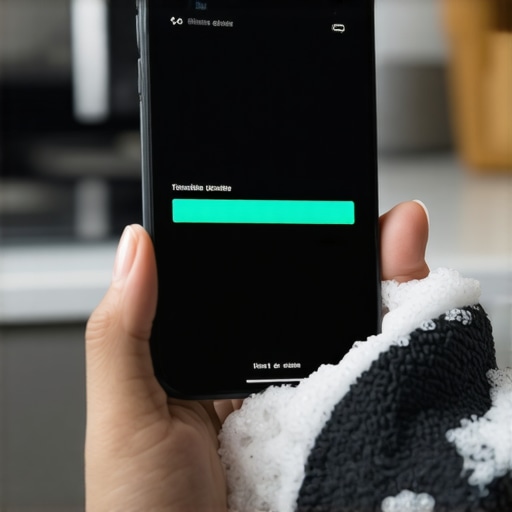
Force a Software Handshake When It Stalls
If the app says it is ‘checking for updates’ for more than ten minutes, it is time to stop waiting. Think of it like a frozen computer screen; you need to force a refresh. The most reliable method is a hard power cycle. Don’t just turn the machine off at the button. You need to kill the power at the breaker or unplug the unit for a full sixty seconds. This clears the temporary cache on the control board. Once power is restored, you may need to reset your dishwasher control board after a power cut to get the Wi-Fi module back into discovery mode.
Manual Prompts and the Proper Way to Update
Once you are back online, don’t just wait for the pop-up. Dive into the settings menu of your appliance app—usually under ‘System’ or ‘Maintenance’—and look for the firmware version number. If it says ‘Update Available,’ don’t start the process if you plan on using the kitchen for the next hour. During a firmware rewrite, the machine might click, the lights might flash, and the drain pump might even kick on for a few seconds. This is normal. What isn’t normal is losing power mid-update. To ensure you are maximizing your dishwasher’s warranty coverage, never interrupt a firmware flash. If the power goes out during this specific window, you could ‘brick’ the board, which is a headache that standard warranties sometimes fight you on.
Why Physical Hardware Still Dictates Software Success
You can have the latest software in the world, but if your sensors are physically blocked, the software will give you a ‘fault’ error that looks like a digital glitch. I’ve seen homeowners assume their motherboard was fried when they actually just needed to check the parts to check when installing a dishwasher for long-term performance. For example, a slightly kinked drain hose can cause the pressure sensor to send a false reading to the app, which then refuses to let the firmware update because it thinks the tub is full of water. Before you update the firmware on your kitchen Wi-Fi module, ensure your filters are clear and the door is latched tightly. The software needs to verify that all physical systems are ‘Go’ before it commits to a deep system change. It is about the harmony between the code and the copper.
While we are busy worrying about Wi-Fi signals, most of us are walking straight into a much bigger trap regarding the physical hardware and the fine print of our protection plans. Most homeowners believe that as long as a machine is running, the internal components are fine. But I’ve seen time and again that waiting for a total failure before checking your hardware is the fastest way to void a thousand-dollar investment.
Stop trusting every part that fits your machine
It is tempting to save fifty bucks by ordering a knock-off component from a random marketplace, but this is the ultimate ‘oops’ factor. I once met a homeowner who thought he was being savvy by swapping a leaking valve with a generic version. Two months later, the valve failed, flooded his kitchen, and the manufacturer laughed at his claim because he hadn’t used an official part. When it comes to long-term reliability, the difference between OEM and generic water inlet valves isn’t just price; it’s the specific tolerances designed for your unit’s pressure sensors. 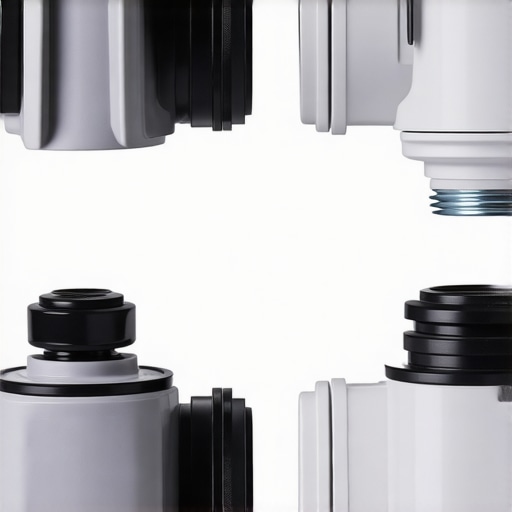
How does your water quality impact your legal protection?
You might think your warranty covers any mechanical failure, but the Association of Home Appliance Manufacturers (AHAM) points out that external factors like water mineral content often fall under ‘user environment’ rather than ‘manufacturing defect.’ If you live in an area with high mineral content, the impact of hard-water on your warranty eligibility can be devastating. Manufacturers often argue that calcium buildup on a heating element is a maintenance failure on your part, not a flaw in their machine.
The truth about those 10-year stickers on the door
We’ve all seen them: those shiny gold stickers promising a decade of protection. Don’t be fooled. Usually, that coverage only applies to the stainless steel tub or the motor, while the expensive electronics and labor are only covered for the first twelve months. If you don’t understand the truth about those 10-year motor stickers on the door, you might be in for a shock when a repair bill arrives. I’ve found that maximizing your dishwasher’s warranty coverage today requires keeping a meticulous log of every filter cleaning and software sync.
Why your professional receipt is your best defense
There is a common myth that DIY installation is ‘just as good’ as a pro job. While I love a good weekend project, the risks of skipping the professional installation receipt are massive. Many brands require proof of professional install to honor a leak claim. One tiny mistake, like the mistake that voids your lifetime tub warranty (often related to improper leveling or over-torquing the mounting brackets), can cost you thousands. To ensure you are how to get your warranty claim approved on the first try, you must prove the machine was set up according to the exact engineering specs from day one. Have you ever fallen into this trap or had a claim denied for a silly reason? Let me know in the comments!
It’s not enough to just have a professional receipt tucked in a drawer for a rainy day. Real longevity comes down to the relationship you have with your machine after the installer leaves. I used to think a standard toolkit was enough until I realized that modern European and high-end American machines have an obsession with Torx T20 screws. If you are still trying to force a Phillips head into those star-shaped recesses, you are going to strip the hardware before you even see the control board. Learning how to diagnose dishwasher parts during warranty periods starts with having the right access, and that means investing in a dedicated set of precision drivers.
Ditch the Basic Screwdriver for a Real Toolkit
If you want to get serious about maintenance, you need a digital multimeter. It sounds intimidating, but it is the only way to know for sure if a component is dead or if the software is just lying to you. According to the Appliance Service Training Institute (ASTI), nearly 40% of service calls could be avoided if homeowners performed basic continuity tests on their own. I personally use a Fluke 117 because it is rugged enough to survive a wet kitchen floor, and it provides the most reliable way to test a thermal fuse without guessing. When you can pinpoint exactly which sensor is failing, you save hours of arguing with customer service agents who just want to read from a script. 
How Do I Keep My Hardware Happy for the Long Haul?
Maintenance isn’t a once-a-year event; it is a monthly rhythm. I keep a digital log of every time I check the best way to clean the hidden filter under the spray arm. It is easy to forget, but that tiny mesh screen is the heart of your machine’s circulation. If it’s clogged, your pump has to work twice as hard, which leads to the common part that causes a dishwasher to hum but not start—the motor capacitor or the pump itself. I also recommend a quick visual inspection of your supply lines. Swapping out your factory plastic tubes for the most durable braided steel hoses for long-term safety is the single best insurance policy you can buy for your flooring. You need to know when to replace dishwasher parts for optimal performance before they fail and create a local swimming pool in your cabinetry.
Why AI and Predictive Maintenance are the Next Big Things
Looking ahead, I predict we are about to see a massive shift in how our kitchens talk to us. We are moving away from simple Wi-Fi updates and toward ‘edge computing’ where your dishwasher will use AI to listen to the frequency of the motor. It will be able to tell you that a bearing is failing three months before it actually seizes up. This means the days of the ‘surprise’ breakdown are numbered, but it also means we will be even more dependent on proprietary software. My challenge to you today: Don’t wait for an error code. Pull out your lower rack, find that hidden filter assembly, and give it a thorough scrub. You’ll be amazed at how much faster your cycles run when the sensors aren’t fighting through a layer of silt.
Hard-Earned Truths from the Appliance Trenches
After years of wrestling with control boards and soggy filters, I’ve realized that the most human fix is often a low-tech habit. First, never underestimate the power of a clean sensor; many software failures are actually just debris blocking an optical eye. Second, remember that why your warranty doesn’t cover power surges is often buried in the fine print, so a simple surge protector is the best investment you can make. Finally, don’t be afraid of those error codes—they are often just your machine’s way of asking for a little attention before a small leak becomes a floor-ruining catastrophe.
My Go-To Maintenance Kit
If you want to move beyond the call-a-pro phase, keep these three things nearby. I always recommend the case for using powder detergent over pods because it is easier on your internal sensors and much more cost-effective. For physical safety, swap your plastic lines for the most durable braided steel hoses for long-term safety immediately—it is the best defense against a kitchen flood. #IMAGE_PLACEHOLDER_E# I also keep a printed copy of my installation guide and how to get your warranty claim approved on the first try tucked in a drawer nearby. Being organized is half the battle when a part finally decides to quit.
Start Protecting Your Investment Today
Owning a modern appliance can feel like managing a small computer, but with the right mindset, it becomes a seamless part of a well-run home. When you take the time for maximizing your dishwasher’s warranty coverage today, you are not just saving money; you are ensuring your kitchen stays functional without the drama of a surprise breakdown. You have the tools and the knowledge—now it is just about staying consistent. Have you ever had a smart dishwasher update go horribly wrong, or did it actually fix a problem you were having? Let me know in the comments below!
Related Posts

Why Your Smart Home Integration Keeps Dropping the Connection
It was a quiet Sunday morning when I finally realized…
How to Calibrate Your Smart Sensor for Hard Water Regions
It was a morning just like any other when I…
Why Your Smart Dishwasher Error Log Is Evidence for a Warranty Claim
It happened on a busy Tuesday morning—I watched my brand-new…