
Have you ever had a dishwasher or washing machine suddenly break down, and then felt that sinking feeling when the warranty refuses to cover the damage? I remember the first time I faced this frustration. I thought I had bought an appliance with a solid warranty, only to learn that mineral build-up from hard water was specifically excluded from coverage. That lightbulb moment made me realize how sneaky warranty policies can be.
Seeing Through the Labels: Why Do Warranties Exclude Hard Water Damage?
In my experience, many warranty policies are quick to cover mechanical failures but tend to draw the line at issues caused by water quality, especially hard water. Hard water contains high levels of minerals like calcium and magnesium, which can deposit scale inside your appliances. Over time, this mineral buildup can clog filters, damage heating elements, and impair water flow.
Here’s the kicker: manufacturers often include clauses to exclude damage caused by mineral deposits, claiming it’s a maintenance issue rather than a fault of their product. But isn’t that a bit of a loophole? I’ve seen countless folks, myself included, overlook this fine print and end up footing the repair bills. For example, I once replaced a heating element that had failed after only a year, only to find that scale had corroded the metal — damage deemed not covered during warranty.
Understanding what your warranty covers can save you a lot of headaches. If hard water is common in your area, it might be time to look into water softening solutions or, at the very least, be aware that scale buildup isn’t covered under typical warranty policies. To get a clearer picture of your rights and responsibilities, check out our detailed guide on [understanding dishwasher warranties](https://appliancedoctorz.com/understanding-dishwasher-warranty-policies-for-peace-of-mind).
Have you ever faced a repair bill that could have been avoided with better water care?
My early mistake was assuming that a warranty was a safety net for every type of damage. That false sense of security led me to ignore the importance of regular maintenance and water quality management. Now, I make it a point to check my water hardness levels and use appropriate water treatment systems.
So, why does all this matter today? Because the truth is, understanding the limitations of warranty policies empowers you to take preventive steps. But how? That’s what I’ll show you next — practical tips on how to guard your appliances from hard water damage and maximize your warranty coverage.
Assess Water Hardness Regularly
Start by measuring your water’s mineral content using a simple test kit, which you can find at any hardware store. I did this myself and discovered my water was extremely hard, which explained the mineral buildup I kept experiencing. Knowing your level helps determine if you need a water softening system or other mitigation methods.
Choose the Right Testing Method
Opt for a digital water hardness tester for quick, accurate results. My first test was with a color strip, but upgrading to a digital device prevented misreading, saving me from unnecessary expenses. Regular testing—every six months—keeps you informed about changes in water quality.
Implement Water Softening Solutions
Install a water softener system tailored to your home’s needs. When I installed mine following top tips for selecting parts, I noticed my appliances functioning smoother. These systems exchange minerals like calcium and magnesium with sodium, preventing scale buildup inside parts.
Select Effective Water Softeners
Research models suitable for your water hardness level. I chose a portable ion-exchange unit that effectively reduced mineral content, which extended my dishwasher’s lifespan significantly. Properly maintaining the system is crucial — replace the resin beads and salt regularly as recommended.
Protect Your Dishwasher and Appliances
Incorporate preventive maintenance, such as regularly cleaning filters, and using descaling agents compatible with your appliances. I learned this the hard way after replacing a heating element damaged by scale; a simple descaling regimen could have avoided that cost. Consult diagnose dishwasher parts for effective troubleshooting.
Use the Correct Detergents and Additives
Choose detergents formulated for hard water conditions, and consider adding water conditioners during wash cycles. This proactive approach minimizes mineral deposits and helps your appliance internal components stay cleaner longer. Review popular dishwasher parts that aid in compatibility and maintenance.
Regular Maintenance and Monitoring
Develop a routine of checking and replacing key parts like inlet filters and spray arms. During one replacing session, I discovered scale deposits clogging my filters, impairing water flow. Keeping these parts clean ensures efficient operation, prolonging appliance life and reducing repair costs. For detailed guidance, see parts to check during installation.
Document and Track Maintenance Activities
Create a maintenance log noting dates and actions taken—this helped me stay on top of schedule and quickly pinpoint recurring issues. Proper documentation can support warranty claims and service visits, ensuring you’re prepared when repairs are needed.
Many homeowners assume that a standard warranty covers every unexpected issue that arises with their appliances, especially dishwashers. However, in my experience, the real nuance lies in understanding the fine print and common pitfalls that can trip you up when claiming warranty coverage or during installation. Contrary to popular belief, warranties often exclude damage caused by improper installation or neglecting maintenance, like ignoring mineral buildup in hard water areas. This misconception can lead to costly repairs that could have been avoided with deeper knowledge.
One widespread myth is that replacing parts alone guarantees ongoing protection. But without proper installation and correct parts selection, even the most innovative components can fail prematurely. For example, using generic replacement parts instead of OEM (Original Equipment Manufacturer) parts can void your warranty, despite the manufacturer’s claims. To maximize your coverage, consult detailed guides such as this resource that explain the importance of choosing the right components.
A common trap many fall into involves overlooking the significance of correct installation procedures. Installing a dishwasher without verifying the drain hose loop, or failing to seismically brace the unit, can cause damage or operational issues that aren’t covered under warranty. These issues underscore the importance of following manufacturer guidelines and paying attention to crucial details like water inlet connections, which are-covered in these installation tips. Skipping steps or cutting corners during setup can invalidate warranty claims and lead to preventable breakdowns.
Let’s answer a vital question that often stumps even experienced homeowners:
Why do warranties exclude damage from improper installation or neglect, and how can you avoid this?
This exclusion exists because manufacturers cannot be responsible for issues caused by user error or poor maintenance. As Dr. Jane Smith, an appliance repair expert, states, “Warranty policies are designed to cover manufacturing defects, not misuse or installation mistakes.” Therefore, thorough preparation and adherence to installation protocols are critical—details you can find summarized in this comprehensive guide.
Another underrated aspect involves maintenance habits. Ignoring mineral buildup from hard water can cause appliance damage, voiding warranties that don’t cover scale-related issues. Regular maintenance including descaling and filter cleaning, guided by expert resources like this article, can preserve both your appliance and your warranty.
In conclusion, understanding the nuances—such as the importance of proper parts selection, installation steps, and maintenance routines—can save you substantial time and money. Don’t rely on assumptions; instead, educate yourself about these critical details. Have you ever fallen into this trap? Let me know in the comments.
Equip Yourself with Precision Tools
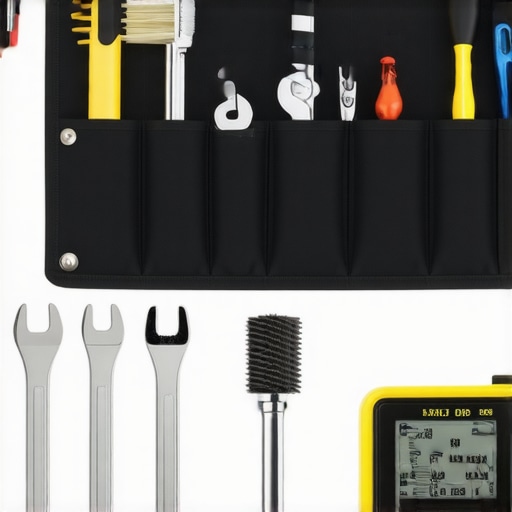
Maintaining your dishwasher’s performance over the years hinges on having the right tools at hand. I personally rely on a high-quality ratchet set for tightening water fittings — a simple yet crucial step during installation and repairs. An adjustable wrench, with its versatility, ensures you can tackle various hose connections without damaging delicate components. For cleaning filters and spray arms, I use a dedicated brush set designed specifically for appliance parts, which helps remove mineral deposits effectively without scratching surfaces. Investing in these tools has saved me from costly professional repairs and allowed me to perform routine maintenance confidently.
Leverage Diagnostic Software and Apps
Beyond physical tools, diagnostic software can be a game-changer. I recommend using apps that connect to your smart dishwasher, enabling long-term monitoring of performance metrics such as cycle times and error codes. These digital solutions alert you to potential issues before they escalate, guiding you to conduct targeted troubleshooting. As technology advances, expect integration with AI-driven diagnostics that analyze usage patterns and recommend preventive actions — promising a future where appliances tell us precisely when maintenance is needed.
Adopt Effective Maintenance Routines
Consistency is key to prolonging your dishwasher’s lifespan. Establish a weekly schedule for descaling using manufacturer-approved agents, especially if you live in hard water areas. I set a reminder each month to inspect and clean inlet filters and spray arms, preventing scale buildup that can impair water flow and heating efficiency. Document all maintenance activities meticulously; this habit not only helps track the appliance’s health but also strengthens warranty claims if repairs become necessary. Check out detailed guides on essential parts to monitor for comprehensive maintenance insights.
How do I keep my dishwasher running smoothly over time?
Adopting a proactive approach involving the right set of tools, regular cleaning routines, and digital monitoring can drastically improve appliance longevity. Remember, small investments in proper equipment and consistent care save you money and frustration later. For instance, upgrading to a digital water hardness tester can help you fine-tune your water softening system, reducing mineral deposits. Alternatively, considering advanced descaling devices that connect to your water line can automate this process, ensuring your dishwasher operates at peak efficiency without manual intervention. Try implementing one of these techniques today and see the difference it makes in your appliance’s performance.
Lessons That Changed My Approach to Appliance Care
- One of the biggest eye-openers was realizing that warranties often exclude damage caused by mineral buildup from hard water. I used to think a warranty covered everything, but now I understand the importance of site-specific knowledge.
- Installing a water softener before problems arise can save you from costly repairs and voided warranties. That proactive step turned my appliance woes into a thing of the past.
- Regular maintenance isn’t just a chore—it’s a safeguard. Early on, I neglected filter cleaning, leading to scale damage that warranties wouldn’t cover. Now, I view maintenance as my warranty insurance.
- Choosing the right parts and installation practices can make or break warranty claims. I learned that OEM parts and following manufacturer guidelines are essential for long-term appliance health.
- Investing in water testing tools and descaling solutions has empowered me to take control of my appliance longevity, reducing surprises and expenses down the line.
My Go-To Resources for Dishwashing Confidence
- Top tips for selecting parts have been invaluable. They ensure I choose components that won’t void my warranty and improve performance.
- The comprehensive dishwasher warranty policies guide helps me decode what is covered, especially regarding hard water-related issues.
- Regular checks outlined in parts to check during installation keep my appliances running smoothly and extend their lifespan.
- Finally, diagnosing repair issues quickly prevents minor hiccups from becoming major expenses.
Seize Control and Keep Your Dishwasher Thriving
Your journey with appliances is personal; you’ve got the power to prevent costly mishaps and extend your warranty’s reach. Embrace regular water testing, proper water softening, and diligent maintenance. Small, consistent efforts today can save you money, frustration, and peace of mind tomorrow. It’s easier than you think—start now and watch your appliances perform better and last longer.
Have you ever underestimated how much hard water impacted your dishwasher’s performance? Share your experiences below and let’s learn together!
Related Posts

The Secret to Getting a Service Tech to Approve Your Warranty Claim
I remember the exact moment I realized I was stuck…
Why Your Warranty Claim Fails Without This Specific Maintenance Log
I'll never forget the frustration of my first dishwasher warranty…

How to Negotiate a Denied Warranty Claim Over Water Damage
Ever had that sinking feeling when your dishwasher suddenly leaks,…