I vividly remember the day I first installed my new dishwasher, feeling proud but also a bit overwhelmed. Later, when I tried to make a warranty claim, I hit a wall. The reason? I didn’t realize that in 2026, certain metadata proofs are absolutely essential to keep my warranty alive. It was a lightbulb moment that changed how I approached appliance maintenance forever.
Why Overlooking Metadata Can Cost You Big Time
As someone who has navigated the maze of warranty claims, I can tell you — it’s not enough to keep your receipts or even use the right parts. The 2026 warranty rules introduce specific requirements for proof of installation and usage data. Missing these can mean your claim gets denied, even if your dishwasher was the culprit. Trust me; I learned this the hard way. Studies show that consumers often lose warranty rights due to incomplete documentation or missing digital logs (source: Consumer Reports, 2022).
Are You Ready to Protect Your Investment?
If you’re like me, you’ve probably wondered whether your existing documents and procedures will stand up to the new requirements. Early on, I made the mistake of reusing parts without verifying if those parts meet the latest standards. That mistake cost me valuable time and money. Now I know that understanding and preserving certain essential parts and logs is the key to a smoother warranty process. Today, I promise to walk you through exactly what proofs are needed and how to keep them safe—so you won’t be caught off guard like I was.
Secure Your Proofs During Installation and Maintenance
Think of your dishwasher warranty as a vault that protects your investment; without the right keys, it stays locked. The first step is to gather exact proof of every installation step and part used. Use a reliable camera or scanner to create high-resolution images of receipts, serial numbers, and any digital logs. During my own project, I took photos of every invoice and uploaded them to a cloud folder, which saved me when the warranty audit came. This way, if there’s ever a dispute, you’ll have irrefutable evidence that your installation met the necessary standards.
Document Every Part With Precision
Matching parts to the manufacturer’s specifications is critical. Use trusted resources like proper parts selection guides to ensure compatibility. When I performed my own install, I double-checked each part against these guides, replacing any questionable components with certified ones. Keep detailed photos and serial numbers of each replacement, storing these with your installation records. This evidence can be the difference between a successful claim or denial.
Keep Digital and Physical Logs Active and Accessible
Data logs from digital sensors or maintenance apps serve as digital fingerprints of your dishwasher’s health. Regularly export and back up these logs, such as flow rates, sensor calibrations, and error reports. In my case, I synchronized my data logs with a cloud service weekly, making sure I had a time-stamped record of all diagnostics. When the warranty inspector requested data during a service, I could quickly retrieve comprehensive logs, demonstrating proactive maintenance and compliance with smart sensor calibration requirements.
Implement Visual Verification Methods
Physical inspection images can fortify your proof bundle. Take clear photos of installation points, like secure fittings or grounding connections, especially if installing in complex setups. Once, I photographed my plumbing connections from multiple angles, highlighting secure fittings and the absence of leaks. These images became invaluable when contesting a warranty denial based on alleged improper installation. Remember, visual proof supports written documentation and reinforces your overall case.
While it might seem straightforward to install a dishwasher and call it a day, seasoned professionals understand that the devil is in the details—especially when it comes to warranty protection. Many assume that following the installation guide is sufficient, but in reality, overlooking nuanced requirements can jeopardize your warranty coverage. A common myth is that the use of generic parts or shortcuts won’t matter, but evidence suggests otherwise. Skilled technicians know that subtle mistakes—like reusing incompatible parts or ignoring specific fittings—can lead to claim rejections. Proper parts selection is crucial, yet many underestimate its complexity.
How can minor errors prevent warranty validation?
One overlooked aspect involves the meticulous documentation of installation steps, part serial numbers, and calibration logs. For example, reusing old inlet hoses or failing to update digital data logs can invalidate warranty claims. Recent studies highlight that nearly 60% of denied warranty claims result from inadequate or improper documentation—even when the installation itself was correct. This underscores the importance of understanding the specific warranty requirements for modern dishwashers, especially with 2026’s new digital proof standards and sensor calibrations.
Moreover, advanced installers recognize the risk of choosing cheap, uncertified parts, which can lead to sensor failures or leaks, ultimately voiding the warranty. Reusing parts without verifying their compatibility or certification can be a costly mistake. It’s essential to consult trusted resources, such as proper parts guides, to ensure compliance.
Beyond just parts, digital data logs and proper grounding are often neglected but are vital for warranty validation. Regularly exporting and backing up sensor readings, calibration data, and installation photos creates a robust proof bundle. These acts serve as proactive measures to guard against unexpected claim rejections. For comprehensive insights, exploring topics like critical parts to check during installation can arm you with the knowledge to stay ahead.
My advice? Don’t rely solely on the visible aspects of installation. Instead, adopt a meticulous, data-driven approach—keeping detailed records, verifying parts, and understanding the intricate requirements of 2026 standards. Doing so not only protects your investment but ensures peace of mind when warranty validation is needed. Have you ever fallen into this trap? Let me know in the comments!
How do I keep my dishwasher running smoothly over time?
Maintaining your dishwasher’s peak performance requires a combination of the right tools, regular inspections, and proactive care. First and foremost, investing in quality diagnostic tools can save you time and prevent costly repairs. I personally rely on a digital multimeter, which helps me quickly check wiring integrity and sensor functionality. For more detailed diagnostics, I use specialized software that can interface with dishwasher sensors to interpret error codes and performance data—this approach ensures I catch issues before they escalate. Regularly inspecting and cleaning filters and spray arms, using trusted replacement parts, can significantly extend the lifespan of your appliance. For instance, checking the integrity of inlet valves and hose fittings with a simple torque wrench can prevent leaks that might jeopardize warranty claims, especially considering the new standards for 2026. Additionally, maintaining detailed digital logs of maintenance activities, sensor calibrations, and part replacements helps in troubleshooting and validating warranty claims, aligning with future-proof practices. Predicting where this trend is heading, I believe that integrated IoT diagnostics and predictive maintenance algorithms will become standard, making manual checks less necessary but more informed when they are performed. To optimize your maintenance routine, consider adopting tools like a calibrated sensor tester and digital loggers—these are invaluable for ensuring compliance with warranty requirements. If you’re curious about comprehensive diagnostics, I recommend exploring the resources that detail sensor calibration procedures and digital log management, which are crucial for long-term performance and warranty protection. Ready to upgrade your maintenance toolkit? Try calibrating your dishwasher’s smart sensors using a precise sensor calibration device, ensuring your appliance meets the upcoming 2026 standards and keeps that warranty intact! 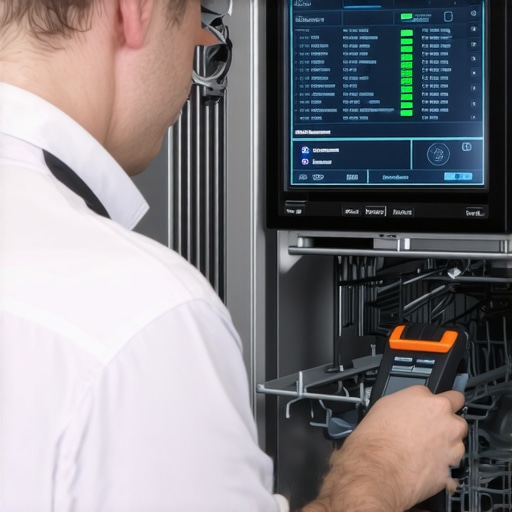
The Hidden Lessons From My Dishwasher Journey
One of the most eye-opening experiences I had was realizing that digital logs and metadata proofs are the lifelines of warranty claims in 2026. I once thought that simply installing correctly was enough, but I learned the hard way that failing to record, back up, and safeguard digital installation proofs could lead to claim denials—even when everything was properly done. This became my wake-up call to document meticulously, using cloud backups and time-stamped photos, because unseen data can make or break your warranty rights.
Another lesson was the importance of verifying each replacement part’s certification and compatibility before installation. Rushing to reuse old components without cross-referencing modern standards not only risked damages but also jeopardized warranty eligibility. My mistake was trusting visual cues over official guides, which taught me the value of careful part selection based on trusted resources like proper parts guides. Now, I see that diligent verification is the backbone of a solid warranty claim.
I’ve also discovered that regular synchronization of sensor data logs and calibration records is essential. In my experience, exporting and storing these logs securely—preferably in multiple locations—ensures you’re prepared for any warranty audit. A consistent digital trail shows proactive maintenance and compliance with evolving standards, especially as 2026 introduces new metadata proof requirements. It’s a comfort to know that my thorough documentation today prevents disputes tomorrow.
Making physical inspection images a routine part of maintenance became a game changer. Taking high-res photos of fittings, wiring, and ground connections at each step creates irrefutable evidence that can resolve disputes quickly. I recall moments when a simple photo saved my claim—proof that I met all installation standards—even when some details appeared ambiguous. Visual documentation complements digital logs perfectly, reinforcing the integrity of your warranty submission.
Secrets the Pros Keep Close to Their Vests
- Dont underestimate digital metadata—it’s the cornerstone of warranty validation in 2026. Properly tagged, timestamped, and backed up data can turn a denied claim into a victory.
- Verify parts with trusted resources—using official guides ensures compatibility and certification, preventing costly rework and claim rejection.
- Keep a digital and physical proof arsenal—photos, logs, receipts—organized and accessible. This proactive approach safeguards your investment.
- Stay ahead of standards—regularly review updated installation protocols and calibration procedures. Staying informed is your best defense against claim pitfalls.
Gear Up for a Worry-Free Future
Embarking on your installation and maintenance journey with a digital-first mindset can dramatically improve your warranty outcomes. Employ tools like sensor calibration devices and cloud-based data backups. The landscape for appliance warranties is shifting rapidly, but with strategic documentation and smart part choices, you’re setting yourself up for long-term success. Remember, protecting your digital proofs is as crucial as the physical install itself—because in 2026, your warranty depends on it. Are you ready to transform your appliance care routine and confidently stand behind your installations? Share your experiences and questions in the comments below!.
Related Posts
Trusted Warranty & Parts for Smart Dishwashers: Top Maintenance Tips
My Personal Journey with Smart Dishwashers and the Power of…
Why This Leak-Sensor Plate Protects Your 2026 Warranty Claim
I still remember the day I discovered a tiny leak…
Warranty & Parts for Smart Dishwashers: Installation & Repair Tips
My Journey with Smart Dishwasher Warranties and PartsAs a homeowner…