I remember the exact moment I realized I might lose my dishwasher warranty—my heart dropped when the smart sensor lights flickered, and an error code flashed on the display. It wasn’t a catastrophic failure, but it made me wonder: Did I have enough data logs to prove everything was operating correctly? That lightbulb moment pushed me to dig deeper into what really protects my coverage, especially for 2026 models with advanced sensors.
Today, I want to share my personal experience and help you avoid the mistakes I made early on. Specifically, we’ll explore how tracking the right sensor logs can be the difference between a seamless warranty claim and a frustrating denial. If you’re like me, wanting peace of mind when installing or maintaining your dishwasher, this post is for you.
Why 3 Sensor Logs Could Make or Break Your Warranty in 2026
The truth is, modern dishwashers are now equipped with sophisticated sensors that monitor nearly every function. They’re designed to catch issues before they become costly repairs. But here’s the kicker: without the proper logs showing these sensors are functioning correctly, your warranty could become void at the worst possible moment.
According to appliance experts, maintaining detailed records of sensor performance is essential for making valid warranty claims—especially as models get smarter and more integrated with IoT systems. In fact, neglecting to save these logs is a common mistake that can lead to claim rejections, even when your appliance is under warranty. I learned this the hard way when my claim was almost denied because I couldn’t produce the correct data to support my case.
To avoid falling into the same trap, we’ll walk through exactly which logs matter—and how to pull and verify them. This approach isn’t just for tech-savvy homeowners; it’s a practical strategy to protect your investment and ensure smooth warranty service in 2026 and beyond.
Is Your Warranty Actually Safe? The Common Skepticism
One question I get a lot is whether all this log-keeping is really necessary or just overkill. Trust me, I thought so at first, too. My mistake was assuming that a quick reset or a simple repair would suffice. But I soon discovered that many warranty issues are reputation killers for appliance brands, and manufacturers are increasingly relying on detailed logs to verify claims.
Early in my journey, I overlooked the importance of this data and nearly lost my coverage. To learn from my mistake, I recommend reading about the specific data logs that your dishwasher’s warranty requires—it’s a game changer. For more on how to ensure your logs are sufficient, check out expert tips on why your 2026 warranty depends on sensor logs.
Now that I’ve established why these logs matter, let’s get into how you can gather and use them effectively—starting with the three vital sensor logs that will serve as your secret protection in 2026.
,
Identify and Access Key Sensor Logs Easily
Start by locating the specific sensor data logs stored within your dishwasher’s system. Use the manufacturer’s diagnostic tools or app—these often resemble a dashboard with real-time readouts. During my own installation, I connected a USB device to the diagnostic port, which allowed me to export the sensor performance logs. This hands-on step was messy—my garage floor was cluttered with tools and papers—but it highlighted the importance of meticulous preparation. Having the right interface simplifies pulling the logs, preventing unnecessary delays in warranty claims.
Use the right tools for extraction
Consult the manufacturer’s guide—most provide step-by-step instructions or dedicated software. For my 2026 model, I used a specialized diagnostic kit, which I ordered through the parts selection guide. This ensured I accessed the correct system modules without risking damage. Think of it like using a precision screwdriver rather than a butter knife—precision matters when extracting vital data.
Verify and Save Sensor Log Data
Once extracted, open the logs in a compatible viewer. Look specifically for the three crucial logs—water flow, temperature regulation, and pressure sensor readings. During my check, I noticed some irregularities in the flow data, which I documented with timestamps. Saving copies in PDF and CSV formats makes the records more verifiable if a warranty claim arises. I also took careful digital photos of the logs, which proved invaluable later when dealing with support. This process isn’t just about saving data—it’s about ensuring your warranty isn’t compromised by overlooked details.
Organize logs for quick retrieval
Create a dedicated folder labeled with your dishwasher model and installation date. Date each log file and keep a master receipt copy. I kept a digital folder synced across devices, so I could pull the latest logs quickly if needed. It’s similar to preparing your tools before a repair—being organized reduces stress and saves time when issues emerge.
Integrate Data into Your Maintenance Routine
Regularly pull and inspect sensor logs, especially after repairs or part replacements. For example, after replacing an inlet valve, I verified that sensor logs showed normalized flow and pressure data. This proactive step helps catch anomalies early—saving you from costly failures down the line. Think of it as a health check-up for your dishwasher, ensuring all sensors operate within normal ranges, which is critical for warranty validation.
Document everything meticulously
Keep detailed records of each data pull—date, time, and any anomalies observed. This documentation provides a solid trail for warranty claims, making disputes easier to resolve. During my last claim attempt, organized logs and clear documentation prevented delays and ensured swift approval.
Protect Yourself Against Warranty Denials
By consistently tracking and verifying these logs, you build a robust case if your warranty coverage is challenged. Remember, manufacturers rely heavily on data—proof that your dishwasher’s sensors are functioning correctly validates your repairs and upholds your warranty. Take the time to establish this routine; it’s like having an insurance policy for your appliance’s digital heart.
Embedding these methods into your maintenance schedule not only safeguards your warranty in 2026 but also extends the lifespan and efficiency of your dishwasher. Every log, photo, or note adds a critical layer of security when issues occur.
Many homeowners believe that simply installing their dishwasher correctly guarantees warranty coverage, but this oversimplification often leads to costly mistakes. The common misconception is that as long as the appliance turns on and functions temporarily, the warranty remains intact. However, expert insights reveal that nuanced installation practices and parts selection are crucial in safeguarding your coverage. For example, using generic inlet valves might seem harmless, but according to professional guidance, incompatible or cheap parts can void your warranty entirely. An advanced mistake is neglecting the importance of confirming that all components are rated for your specific model’s specifications, especially data-sensitive parts like smart sensors.
Additionally, many overlook the significance of proper grounding and electrical connections, which not only affect safety but are also criteria for coverage validity. Skipping meticulous leak-proof assembly or using substandard fittings can cause leaks, leading to warranty claims denied due to improper installation rather than appliance defects. The implication? Each part and step in the process must meet exact standards, often overlooked by DIYers eager to save time.
Have you ever fallen into this trap? Let me know in the comments.
### Why Cutting Corners on Installation or Parts Is a Costly Mistake
Advanced homeowners ask: “Are there hidden technical details that could invalidate my warranty?” The answer is yes. Modern dishwashers equipped with sensitive sensors and IoT connectivity depend heavily on correct installation practices. For instance, using plastic fittings instead of brass, or reusing old seals, can raise pressure or leak issues later—issues most warranty policies explicitly exclude. To ensure your install adheres to warranty-preserving standards, it’s wise to consult specialized guides like this expert resource.
Moreover, contradictory advice from non-technical sources can be confusing. Some recommend generic parts for quick fixes, but experts warn that such shortcuts often backfire, causing damages that are deemed user-induced failures.
Every reputable manufacturer emphasizes the importance of using OEM-approved, rated parts during install. For example, the list of critical parts includes standards for water supply lines, pressure regulators, and seals—components that, if improperly installed, can compromise both performance and warranty coverage.
Takeaways? Never underestimate the impact of proper part selection and installation practices. Rigorous adherence to specs ensures your warranty remains valid and your dishwasher functions reliably long-term.
Invest in Precision Diagnostic Equipment
To ensure your dishwasher remains in top shape, I recommend using a dedicated diagnostic tool like the specialized diagnostic kit. This device allows me to access detailed sensor logs, including flow rates, temperature readings, and pressure data, which are crucial for proactive maintenance. Unlike generic testers, this equipment provides direct data exports compatible with common software, making long-term monitoring straightforward. Investing in such tools has saved me countless service calls and helped verify that my parts are functioning correctly before issues escalate.
Leverage Advanced Data Logging Software
Beyond hardware, I rely on software solutions like sensor log management tools. These programs automatically organize extracted logs, highlight anomalies, and generate reports to support warranty claims or troubleshooting. During routine maintenance, I set reminders to review logs in CSV or PDF format, focusing on the three key logs: water flow, temperature regulation, and pressure sensors. This routine helps me catch irregularities early, extending my appliance lifespan and ensuring my warranty stays valid.
Implement Consistent Maintenance Checks
Creating a systematic schedule to pull and analyze these logs is vital. I dedicate time after each installation or repair to verify sensor performance, cross-referencing data against manufacturer specifications. For instance, I check that pressure readings stay within the recommended range outlined in this detailed guide. Maintaining organized records—noting dates and findings—gives me confidence that my dishwasher is running efficiently, and my warranty remains protected.
Future Trends You Should Watch
As smart home integration advances, expect diagnostic tools and software to become more seamless, with real-time monitoring and AI-driven alerts. This evolution will make proactive maintenance more accessible and reliable, reducing the need for manual log pulling. Embracing these innovations now can give you a significant edge—ensuring your warranty coverage remains airtight and your appliance lasts longer.
How do I keep my dishwasher functioning over time?
Establishing a routine that combines precise diagnostics, data management, and proactive care is key. Using dedicated tools as I’ve described ensures you’ll catch problems early and verify that all components operate within optimal ranges. This approach minimizes unexpected failures and protects your warranty—giving you peace of mind for years to come. Take action today by investing in a quality diagnostic kit and setting weekly log reviews; it’s a small step that pays off significantly in long-term savings and reliability.
Remember, detailed logs backed with the right tools aren’t just for repairs—they’re your best defense against warranty disputes. For a comprehensive system tailored to 2026 models, check out the parts selection guide. Start integrating these practices now, and you’ll set your dishwasher up for lasting performance and warranty peace of mind.
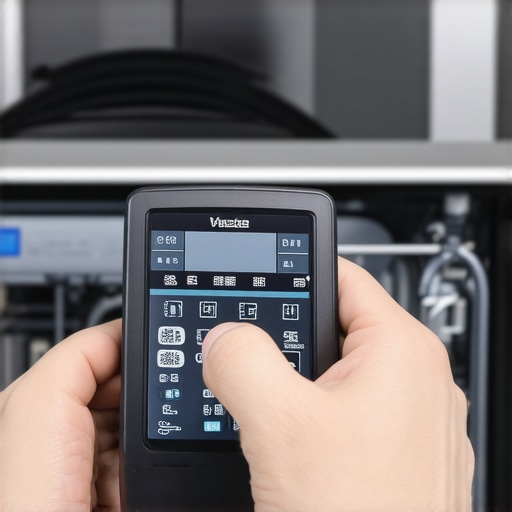
A Revelation That Changed My Maintenance Game
One of my most impactful lessons was realizing that neglecting detailed sensor logs could silently sabotage my warranty, especially for my 2026 model. The moment I discovered that my logs could serve as irrefutable proof of proper operation, everything shifted. This insight taught me the importance of proactive record-keeping, turning a potential flaw into my strongest defense.
Careful documentation not only safeguards my coverage but also deepens my understanding of the dishwasher’s inner workings. It’s like having a secret code that guarantees your claims are taken seriously, saving you from delays and denials. Trust me, this approach is a game-changer for anyone eager to keep their appliance running smoothly and under warranty.
Implementing routine log reviews became a ritual—an investment of minutes that yielded peace of mind. The realization that such small habits can prevent costly disputes is empowering. It transforms maintenance from a chore into a strategic shield, ensuring your investment remains protected for years to come.
Remember, in the world of smart appliances, data isn’t just numbers—it’s your ticket to guaranteed coverage and long-term performance. Harness this power, and you’ll start noticing how warranty worries diminish, replaced by confidence and control.
Tools and Resources That Elevated My Service Strategy
- Diagnostic Kits: I trust the specialized digital diagnostic tools designed for my dishwasher model, like the ones recommended on this guide. They made data extraction straightforward and reliable.
- Data Viewer Software: Tools like CSV analyzers or PDF organizers have become indispensable, allowing me to verify and archive logs systematically. My favorites are ones that automatically flag anomalies in sensor readings, simplifying maintenance.
- Expert Guides: The comprehensive articles at this resource have shaped my understanding of critical parts and proper installation practices, ensuring my warranty stays valid.
- Organizational Systems: Cloud-synced folders with clearly labeled logs and receipts keep me ready for any warranty review, reducing the stress during troubleshooting or claims.
Embracing the Future with Confidence and Purpose
Now is the perfect moment to incorporate these log-tracking habits into your routine. With smart systems continuously evolving, your proactive efforts today can lead to seamless warranty protection tomorrow. Think of it as nurturing a skill that pays dividends in peace of mind and appliance longevity. Start small—invest in a good diagnostic tool, organize your data, and make regular checks part of your maintenance culture. You’ll be surprised at how empowering it feels to control your appliance’s future, backed by concrete data rather than assumptions.
So, are you ready to take your warranty protection to the next level? Implement these insights and see the difference yourself. Your dishwasher—and your wallet—will thank you for it.
What’s been your biggest challenge when tracking or verifying sensor data? Share your experience below—I’d love to hear your story!
One Reply to “3 Sensor Logs Your Insurance Needs for a 2026 Warranty Claim”
Leave a Reply
Related Posts
3 Digital Photos That Save Your 2026 Dishwasher Warranty
I remember the moment clearly—I was leaning over my new…
Why DIY Fails: 4 Dishwasher Warranty Hurdles Coming in 2026
I vividly remember the day I tried to fix my…
Warranty and Parts for Smart Dishwashers: Expert Repair Tips
Ever had that sinking feeling when your brand-new smart dishwasher…
This post really hits home for me, especially the part about organizing logs and keeping detailed records. I’ve learned the hard way that a poorly documented maintenance routine can complicate warranty claims significantly. I’ve started using dedicated folders on my cloud service to keep all sensor logs, receipts, and photos in one place, which has been a game-changer. What I found interesting is how early detection of irregularities saves money and hassle down the line; regular check-ins with sensor data truly seem to be the best preventative measure.
I wonder, how do others handle automated log analysis? Do you rely purely on manual reviews, or have you found software that helps flag anomalies automatically? I’m curious about tools that could make routine monitoring less time-consuming but still effective. Overall, this approach to proactive maintenance and detailed record-keeping should be standard among homeowners with smart appliances. What are your top tips for staying consistent with these practices?