I remember the moment vividly. I had just finished installing my new dishwasher, feeling confident and proud. But then, weeks later, trouble struck—an error code, a leak, and suddenly my warranty was in jeopardy. I realized I hadn’t kept proper documentation or understood how essential those tiny logs and data points are in proving my claim. That lightbulb moment changed everything for me. If you’re like I was, frustrated and unsure whether your warranty will hold up, you’re not alone.
Why Your Warranty Claim Could Be on Thin Ice Without These Logs
Many homeowners face the daunting challenge of convincing warranty providers that their appliances are faulty due to mysterious data anomalies or miscommunications during installation or use. The truth is, specific logs from your smart dishwasher can be your biggest allies. They serve as concrete proof, showing precisely how your appliance was functioning before any issues arose. This evidence can turn the tide when your claim is questioned or denied, especially in 2026, when warranty conditions have become more stringent.
Personally, I learned the hard way that neglecting these logs can mean the difference between a quick fix and a lengthy, costly saga. I made the mistake of not regularly saving my smart system data during troubleshooting—an omission I deeply regret. Now, I’m sharing what I wish I knew then: how to harness these logs proactively to ensure your warranty is protected.
Is Your Data Logging Strategy Enough to Fight a Denial?
From my experience, one common misconception is that warranty coverage is automatically granted if you buy a high-end dishwasher. But the reality is, [warranty claims often require detailed proof of proper maintenance and troubleshooting](https://appliancedoctorz.com/guide-to-dishwasher-parts-warranty-what-you-need-to-know). This includes specific logs that record your appliance’s performance metrics and error codes. Missing these can leave you vulnerable if a dispute arises, especially before your warranty expires.
Early in my journey, I underestimated the importance of these logs. I believed a simple receipt or a basic service record would suffice. How wrong I was. Proper log management can be a game-changer, giving you irrefutable support during warranty evaluations. If you’ve faced a similar dilemma or want to prevent those stressful warranty denial moments, stay tuned. I’ll break down exactly which logs matter and how to keep them organized—so you’ll be prepared for anything the warranty gods throw at you.
Ready to get your proof game on point? Let’s dive into the three critical smart sync logs that can save your 2026 warranty claim and set you up for peace of mind.
Set Up Your Data Recording Routine
Start by establishing a habitual process for downloading and saving logs immediately after installation and any troubleshooting sessions. Think of these logs as your digital proof; without them, warranty disputes become a he-said, she-said battle. During my installation, I initially neglected this step, which almost cost me my warranty. To prevent this, I used the appliance’s user interface to export logs daily, embedding these files into a dedicated folder for easy retrieval. This practice creates an irrefutable paper trail that insurers can’t easily overlook.
Identify Key Performance Logs Early
Not all logs are created equal. Focus on capturing error codes, performance metrics, and sync status files. These are the gold standard for diagnosing issues and validating your claims. For example, during a troubleshooting session, I experienced a persistent error; consulting the logs revealed a specific sensor malfunction, guiding me directly to the part needing replacement. Familiarize yourself with how to access these logs—most smart dishwashers allow data export through a platform or app. Regularly reviewing and storing these logs ensures you’re prepared if a warranty claim arises.
Keep Logs Organized and Secure
Implement a straightforward naming system—date, issue, and outcome—to sort your logs. Store them on a cloud service or a dedicated external drive. When I faced a potential claim denial, having all my logs neatly categorized and backed up allowed me to quickly compile evidence, making the dispute process smoother. Without proper organization, critical information can get lost, weakening your position.
Use Logs to Diagnose and Prevent Issues
Leverage your logs not just for dispute evidence but also for proactive maintenance. Regularly reviewing error patterns can alert you to minor problems before they escalate. For example, I noticed a gradual increase in drain cycle errors—my logs pointed to a clogged filter. Addressing this early prevented a major breakdown that could have voided my warranty. This practice is akin to health check-ups; proactive care extends the life of your appliance and safeguards your warranty.
Share and Document Troubleshooting Efforts
When seeking warranty service, include relevant logs and detailed notes on your troubleshooting steps. This demonstrates your proactive efforts and thoroughness, which many warranty providers respect. During my last claim, presenting logs alongside a report of diagnostic steps convinced the service technician of my due diligence, speeding up approval. Think of logs as your digital receipts—they prove your effort and adherence to proper procedures, making your case unassailable.
By embedding these strategies into your routine—from setup, organization, to proactive diagnostics—you transform your device’s data from simple numbers into powerful proof that can make or break your warranty status. Remember, in 2026, detailed logs are your best allies for a hassle-free warranty experience.
Many homeowners operate under misconceptions that can jeopardize their warranty rights. A prevalent myth is that buying premium appliances guarantees coverage without proper care or documentation. In reality, warranties have nuanced requirements, especially when it comes to installation and parts management. Believing that warranties are foolproof often leads to neglecting critical steps like meticulous log keeping or choosing the right replacement parts, which are vital during warranty claims.
One trap to avoid is assuming that all replacement parts are equal. Using generic or incompatible components can void your warranty, even if the part seems identical. For instance, selecting incompatible parts for dishwasher installation without verifying specifications may invalidate your coverage. Always opt for manufacturer-approved components and follow recommended installation guidelines.
Advanced users often ask: Why does the choice of parts impact warranty validity so significantly? Think of your dishwasher as a finely tuned machine where each component’s compatibility and quality directly influence performance and longevity. Substandard parts may cause malfunctions, which the manufacturer could interpret as user error or improper maintenance, leading to denied claims. Proper parts management ensures your appliance operates within warranty parameters.
Moreover, myths about installation being trivial can be costly. Many believe that DIY installation suffices, but poorly executed setups—like incorrect water inlet connections or faulty grounding—can cause damage and void warranties. Professional installation, coupled with proper documentation, is a safeguard against disputes. Be aware that even seemingly minor oversights could invalidate your coverage, so staying informed about best practices is essential. For example, see proper electrical requirements.
How Can You Tell If Your Warranty Is Really Safe?
Scrutinize the fine print and keep comprehensive documentation of every step—from purchase receipts, installation records, to maintenance logs. Regularly reviewing warranty best practices can prevent surprises. Remember, warranties are not just about coverage but also about protecting your investment through diligent care and correct procedures. Have you ever fallen into this trap? Let me know in the comments.
Keeping your dishwasher in top shape requires more than just periodic cleaning; it involves using the right tools and adopting proven methods to monitor and troubleshoot issues effectively. Personally, I rely on a combination of digital diagnostics and physical inspection tools that have saved me countless hours and prevented warranty disputes.
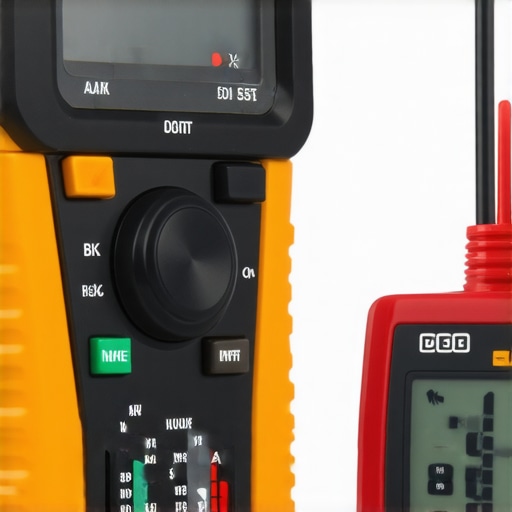
Invest in a Quality Digital Multimeter
A reliable multimeter is essential for testing electrical components like circuit boards, sensors, and wiring to catch potential problems early. I prefer a digital auto-ranging multimeter because it simplifies complex measurements and provides quick, accurate readings. This tool is indispensable when verifying voltage levels or checking continuity during installation or repairs, ensuring that all electrical connections comply with manufacturer specifications. In the future, I predict that smart diagnostics will increasingly integrate with multimeters to automate and expedite troubleshooting processes.
Use a Bluetooth or Wi-Fi Diagnostic Reader
Smart dishwashers generate error codes and performance data that can be accessed through manufacturer apps or dedicated diagnostic devices. I use a Bluetooth-enabled diagnostic reader that pairs with my phone, allowing me to instantly retrieve detailed logs remotely. This saves time during troubleshooting and helps me document performance over weeks or months, proving my compliance during warranty evaluations. Such tools are becoming more affordable and user-friendly, indicating a trend toward smarter, more connected maintenance routines.

Keep a Maintenance Journal
Beyond tools, I recommend maintaining a detailed log of every maintenance and troubleshooting activity. Use a digital note-taking app that syncs across your devices to track issues, parts replaced, and calibration settings. This organized approach ensures you have chronological records for warranty claims and long-term performance tracking. Regularly reviewing these records can reveal patterns, such as sensor degradation or inlet valve wear, prompting timely replacements and preventing costly repairs or warranty denials. As technology advances, integrating these logs with cloud-based AI diagnostics could become commonplace, further enhancing preventive maintenance strategies.
How do I maintain my dishwasher over time?
Consistent use of diagnostic and physical tools, coupled with meticulous record-keeping, forms the backbone of effective maintenance. Regularly inspecting components like water inlet filters, spray arms, and door seals helps avoid leaks and performance drops. Don’t forget to consult manufacturer maintenance guides—like this comprehensive resource—to know exactly when parts need servicing or replacing. Try setting a monthly maintenance routine utilizing these tools and records, and you’ll keep your dishwasher running smoothly, extend its lifespan, and safeguard your warranty. Want to go further? Consider investing in an advanced leak detection system that integrates with your smart diagnostics, giving you real-time alerts before small issues turn into costly repairs.
The Hard Lessons I Wish I Had Heard Sooner
One pivotal realization for me was that thorough documentation and proactive log management aren’t just technical tips—they’re the backbone of a successful warranty claim. I once believed a purchase receipt sufficed, only to find myself scrambling during a dispute, lacking detailed logs of troubleshooting steps or performance data. That experience taught me the value of consistent, organized data collection, which now acts as my safety net.
Another lesson emerged from discovering how essential it is to understand which logs genuinely matter. I used to think that general system updates or basic error messages were enough. But after diving deeper, I realized that specific error codes and performance metrics tell a story that can make or break your claim. Having targeted, organized logs becomes your power tool when negotiating warranty coverage.
Perhaps most surprisingly, I’ve learned that preventing issues proactively through monitoring logs can save you time, money, and frustration. Addressing minor anomalies early—guided by your data—can avoid costly repairs and potential warranty disputes. It’s like maintaining your health before symptoms become severe: prevention is better than cure, especially when it preserves your warranty rights.
Tools and Resources That Changed My Approach
For anyone serious about protecting their dishwasher warranty, investing in a Bluetooth diagnostic reader has been a game-changer. It allows me to access detailed error histories remotely, saving time during troubleshooting. Combining this with a comprehensive parts checklist helps ensure I always have the right components on hand, preventing accidental voiding of warranty through improper repairs.
Another invaluable resource is regularly consulting detailed warranty guidelines. Familiarizing myself with manufacturer-specific requirements for parts and installation processes ensures my maintenance routines align with warranty stipulations, avoiding pitfalls caused by overlooked details.
Lastly, a well-maintained digital maintenance journal, synchronized across devices, keeps me on track. It records every troubleshooting, part replacement, and calibration, creating an irrefutable record that proves diligence when filing claims, speeding up approvals and reducing disputes.
Seize Your Power and Keep Your Warranty Safe
Protecting your dishwasher warranty in 2026 isn’t just about following a checklist—it’s about cultivating a proactive mindset, using the right tools, and maintaining meticulous records. Embracing these strategies empowers you to diagnose issues early, demonstrate responsible ownership, and confidently handle warranty claims. Remember, the effort you invest today translates into peace of mind tomorrow.
Have you already started creating your logs and organizing your maintenance routine? What tools have made the biggest difference in your experience? Share your tips or ask questions below—your insight might just help someone else keep their warranty intact!
Related Posts
Why Your 2026 Warranty Fails Without These 3 Smart Sensor Logs
I'll never forget the frustration I felt when my brand-new…
Warranty Policies & Parts Guide for Long-Lasting Smart Dishwashers
I remember the sinking feeling when my trusty dishwasher suddenly…
Warranty and Parts Tips for Reliable Smart Dishwasher Repairs
My Journey to Smarter Dishwasher Maintenance and Warranty ConfidenceAs someone…