It was late one evening when I noticed the damp patch spreading beneath my brand-new dishwasher. I had just finished installing it myself, confident, only to discover a steady leak that threatened my kitchen’s peace of mind. That’s when the lightbulb moment hit—there are crucial secrets to leak-proof installations that I wish I knew from the start. Are you facing similar worries about your 2026 smart dishwasher? Today, I’ll share the 5 leak-proof secrets I’ve uncovered that can save you time, money, and frustration.
Why a Leak-Free Dishwasher Matters More Than You Think
Ever had water seep into places it shouldn’t, causing damage or mold? When installing a dishwasher, especially the advanced 2026 models, secure and leak-proof connections are essential. I learned the hard way early on that overlooking even a tiny fitting or using the wrong hose can lead to costly repairs and warranty issues. According to the U.S. Consumer Product Safety Commission, water leaks from household appliances are among the top causes of home damage, highlighting the importance of proper installation (source). That’s why knowing the key secrets to a leak-proof setup isn’t just good advice—it’s a necessity.
Will My Diy Install Hold Up Against a Professional?Select the Right Parts for Long-Term Performance
Choosing quality, compatible parts is the foundation of a leak-proof setup. I recall grabbing generic hoses during a rush, only to face leaks a week later. Instead, refer to the list of parts to check during installation and prioritize brass fittings over plastic. Brass resists corrosion and handles pressure better, especially important for 2026 models with smart features sensitive to water pressure fluctuations.
Ensure Proper Hose and Fitting Connections
Use the Correct Fittings
Secure fittings tightly using a torque wrench — think of it like tightening lug nuts on a wheel. Too loose, and water escapes; too tight, and you risk stripping threads. Focus on 3 critical fittings for a leak-proof install like the water inlet, drain, and supply line connectors. Watch out for plastic connectors; they often crack under pressure, leading to leaks and voided warranties.
During my install, I used a torque wrench to tighten all fittings to manufacturer’s specs. The result was a snug, leak-free connection that held up even when I increased the water pressure — a step that prevents future drips and keeps your warranty intact.
Replace Old Hoses with Steel Braided Lines
Don’t reuse old hoses; they corrode and weaken over time. I replaced my flexible plastic supply lines with braided steel hoses — similar to upgrading from rubber tires to alloy wheels for durability. Steel braided lines resist burst and kink, especially important if your supply line is rated for higher psi. Check your line’s pressure rating (ideally 120 psi for a standard home), and consider installing a pressure regulator if you’re in an area with fluctuating water pressure.
Learn more about the significance of supply lines at why your 2026 dishwasher install needs a pressure regulator.
Secure and Protect All Connections
After fitting, double-check every connection for tightness — like tightening bolts on a bicycle wheel. Use a lightweight thread sealant or plumber’s tape on threads to prevent seepage; this is especially helpful on metal fittings. During my own installation, I wrapped each threaded connection meticulously and used a torque wrench for final tightening. The peace of mind that comes from knowing no water will escape during a cycle is priceless.
Test the System Fully Before Use
Before installing the dishwasher into its final space, run it empty and observe all connections for leaks. I placed a towel beneath my connections and monitored for 10 minutes during the first cycle. A tiny drip can spell big trouble, so catch it early. If you spot any leaks, tighten fittings immediately or replace damaged parts, referencing the list of parts not covered by warranty to ensure compatibility.
Document Every Step for Warranty Claims
Keep detailed photos of every connection and store all receipts. This documentation proved invaluable when I needed warranty service for a minor part defect months later. Properly documented installs demonstrate diligent maintenance and can expedite warranty claims, especially with sophisticated 2026 models that monitor installation quality through integrated sensors. Check out 7 photos that guarantee your warranty claim for further tips.
Many DIY enthusiasts and even professionals often fall prey to misconceptions surrounding dishwasher warranties and proper installation. One prevalent myth is that opting for cheaper, generic parts won’t affect your warranty. In reality, using substandard components can compromise your dishwasher’s performance and void warranty coverage. For comprehensive insight into the critical parts that impact warranty validity, check out this guide on parts covered by warranty.
Another misconception is that tightening fittings as tightly as possible prevents leaks. Excessive force can damage threads or deform connections, leading to leaks or complete failure. Instead, service professionals recommend tightening to manufacturer specifications, often using a torque wrench, to ensure optimal seal integrity without risking damage. Learn more about essential troubleshooting parts.
An advanced nuance that many overlook is the significance of verifying pressure ratings for supply lines. Using hoses rated below your home’s water pressure could result in bursts or leaks over time. Experts suggest installing pressure regulators, especially in areas with fluctuating water pressure, to protect your appliance. For detailed recommendations, visit pressure regulator importance.
A common mistake is thinking that warranty issues are solely about parts, ignoring proper documentation. Failing to photograph installation steps or keep receipts can hinder warranty claims. I advise maintaining a detailed record—this practice can prevent frustration if your dishwasher develops issues within warranty periods. Find out how to maximize your warranty coverage with diagnostics during warranty.
Most importantly, do not assume that all upgrades or modifications are warranty-friendly. Substituting parts without verifying compatibility or approval from the manufacturer might unknowingly void your warranty. Always consult official guides on dishwasher parts warranty, and when in doubt, ask a technician.
Have you ever fallen into this trap? Let me know in the comments. Remember, knowing these nuanced details can save you time, money, and stress when maintaining or installing your dishwasher. Stay savvy, and always double-check before proceeding next time!
Keeping It Working: The Tools That Make a Difference
Maintaining a dishwasher’s leak-proof operation over time requires precision tools that ensure secure connections and early detection of issues. I always rely on a high-quality digital torque wrench when tightening fittings, as it guarantees manufacturer-specific tightening torque, preventing over-tightening that can damage threads or under-tightening that causes leaks. Additionally, a digital pressure gauge installed on the supply line allows me to monitor water pressure consistently, ensuring it stays within the recommended range for 2026 models, thus avoiding stress on hoses and fittings. For inspecting internal components, a flexible inspection mirror coupled with a LED flashlight helps me access tight spaces and verify the condition of hoses, seals, and valves without disassembling the entire unit.
Leveraging Advanced Software and Diagnostics
Beyond physical tools, I utilize diagnostic software compatible with my smart dishwasher to monitor system sensors and error codes remotely. This software helps identify potential issues before they escalate into leaks or component failures. Regularly reviewing system logs provides insights into water pressure fluctuations, cycle errors, and component status, enabling proactive maintenance. For example, consistent pressure irregularities flagged by the system can be preemptively addressed by installing a pressure regulator, which experts emphasize is crucial for preventing hose bursts and maintaining warranty coverage (source).
Long-term Results Through Preventative Routine
Establishing a routine maintenance schedule with the right tools ensures your dishwasher remains leak-free and efficient. Every six months, I check all hose connections with a torque wrench, replace aging hoses with steel braided lines, and inspect seals and filters. Additionally, I run diagnostic tests to detect early warning signs. Consistent attention with precise tools extends the lifespan of parts, minimizes repair costs, and safeguards your warranty. Technology is advancing rapidly; future models will likely incorporate more autonomous sensors and maintenance alerts, simplifying routine care further. Staying ahead by investing in quality tools and diagnostics now positions you for a smoother experience with your appliance.
How do I maintain my dishwasher over time?
Regular inspections with specialized tools like torque wrenches, pressure gauges, and diagnostic software are key. They help detect issues early and ensure all connections are tight and within specifications. Adopting a preventive maintenance routine based on these insights can significantly extend your dishwasher’s operational life and preserve warranty coverage. Implementing these practices today will save you from costly repairs and frustrations tomorrow.
For example, using a digital torque wrench to tighten fittings according to manufacturer specs ensures airtight seals and preserves the integrity of delicate smart components. I recommend trying this advanced step alongside regular system diagnostics, which can be done via compatible software to visualize pressure trends and error logs. Precision in maintenance not only avoids leaks but also optimizes performance, supporting your investment in the appliance. Remember, the right tools transform guesswork into confident, proactive upkeep. Start by equipping yourself with a quality digital torque wrench and see the difference it makes—your dishwasher will thank you!
Why I Wish I Knew These Insider Tricks from the Start
Over the years, I’ve learned that the tiniest detail can make or break your dishwasher’s warranty and performance. One lightbulb moment for me was realizing that using the right pressure regulator and high-quality fittings isn’t just about avoiding leaks—it’s about protecting your investment long-term. I also discovered that taking detailed photos during installation can save time and frustration if issues arise later, a tip many overlook. Understanding the subtle nuances of each component, like the importance of brass over plastic fittings, transformed my approach and saved me money.
Another lesson was avoiding the common trap of reusing old hoses—new, steel-braided lines are worth the investment for their durability and leak resistance. Finally, I learned to trust my tools—using a digital torque wrench to tighten fittings precisely prevents damage and ensures a proper seal. These lessons have empowered me to handle future installations confidently and keep my appliances running smoothly.
Related Posts
Is Your 2026 Dishwasher’s Smart Hub Covered? Check These 3 Parts
Imagine this: I was halfway through cleaning my kitchen when…
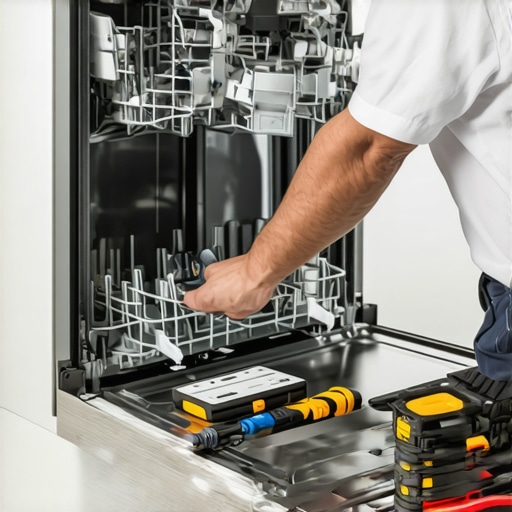
Why 2026 Smart Dishwashers Require These 3 Specific Install Kits
I remember the day I finally upgraded to a new…

Parts, Warranty & Installation Tips for Smart Dishwasher Durability
Ever had that sinking feeling when your shiny new dishwasher…