
I remember the day I nearly flooded my kitchen because of a faulty dishwasher. It was late at night, and I heard that unsettling hissing sound followed by water pooling under the appliance. Panic set in as I realized I was inches away from a major mess and costly repairs. That lightbulb moment made me dig deeper into what keeps our dishwashers running smoothly and how a tiny, often overlooked part — the $15 thermal fuse — plays a critical role.
The Hidden Hero Protecting Your Home from Electrical Disasters
Since that incident, I’ve learned that this small component acts like a vigilant guardian, shutting down the appliance before it causes a fire or costly electrical damage. If your dishwasher’s thermal fuse blows, it not only halts the cycle but also prevents potential hazards that could threaten your home and family. The best part? Replacing this fuse is a simple, affordable fix — usually around $15 — but it can save you hundreds in repairs or worse, an insurance claim.
Is This Tiny Part Really Worth the Hype?
At first, I dismissed the thermal fuse as a minor detail. I thought, “How critical can it be?” early in my journey, I made the classic mistake of ignoring proper maintenance and troubleshooting basic issues without understanding the importance of each part. Believe me, that cost me dearly. Now, I always recommend homeowners familiarize themselves with essential dishwasher parts, especially those like the thermal fuse that stand guard against larger failures. For more insights on protecting your appliance, check out this comprehensive guide to dishwasher parts warranty.
So, if you’ve ever faced that nerve-wracking moment of water flooding or wondered whether a simple fuse could be the fix, stay tuned. We’re about to walk through how this tiny part can keep your dishwasher running safely and efficiently, ensuring you won’t be caught off guard again.
End of the introductory section.
Inspect the Faulty Component
Start by unplugging the dishwasher and turning off the water supply. Locate the thermal fuse, typically behind the control panel or near the heating element. Use a multimeter to check for continuity; if there’s no beep, the fuse has blown and needs replacing. Remember, understanding your dishwasher parts makes troubleshooting more straightforward.
Gather the Right Replacement Parts
Select a thermal fuse compatible with your dishwasher model. Using proper parts selection ensures longevity and maintains warranty coverage. Never opt for generic or low-quality replacements—these can compromise safety and performance.
Prepare Your Workspace for Installation
Clear the area and wear safety gloves. Have your tools ready, including screwdrivers and multimeter. Check for any other worn components that might need replacement, like wiring or connectors, by referring to install parts checklist.
Remove the Old Fuse Carefully
Disconnect any wires attached to the fuse using insulated pliers. Some models require removing panels or clips first—consult your manufacturer’s manual. Be cautious to prevent damaging nearby components, as improper removal can lead to future issues.
Install the New Thermal Fuse
Attach the new fuse following the reverse order. Ensure the connections are firm and insulated properly to prevent short circuits. Secure all panels and retain screws tightly to avoid vibrations or loosening over time, which can cause similar failures again.
Test Your Repair
Restore power and water supplies. Run a test cycle to verify operation. Watch for any error codes or unusual noises. If the dishwasher runs smoothly, your replacement was successful. For future troubleshooting guidance, explore diagnosing dishwasher parts.
Document the Repair for Warranty Purposes
Take photos of the installation process and keep receipts. Proper documentation can streamline warranty claims or service calls, especially if issues reoccur. Learn more about warranty procedures at maximizing warranty benefits.
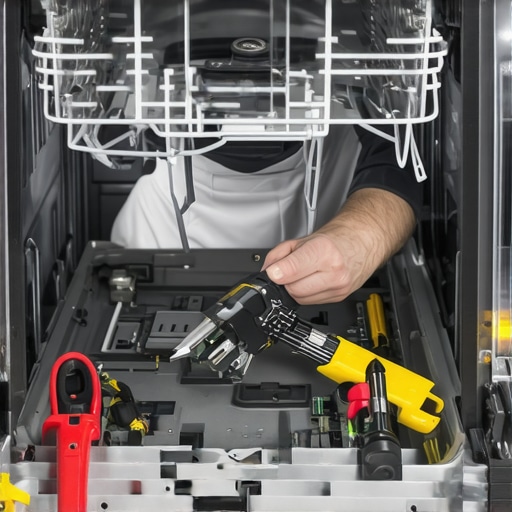
Many homeowners operate under a set of misconceptions that can lead to costly mistakes, especially when it comes to dishwasher maintenance and warranty claims. One common myth is that purchasing generic replacement parts will not affect the warranty or performance. In reality, using OEM (Original Equipment Manufacturer) parts is crucial, as they meet the specific standards and specifications necessary for your appliance. Relying on poorly matched or low-quality parts can void warranties and even cause further damage, emphasizing the importance of selecting the right components by consulting guides like understanding your dishwasher parts.
What Are the Nuances Earliest DIYers Miss?
A pervasive mistake is overlooking the complexity of dishwasher wiring and sensor technology. Many assume that replacing a fuse or a sensor is straightforward, but improper installation or ignoring advanced features like smart diagnostics can trigger error codes or even void warranties. Homeowners often skip detailed troubleshooting steps, claiming that all fuses are interchangeable. However, as experts warn, using the wrong sealing or installation techniques impacts safety and warranty coverage. The nuance lies in understanding that modern dishwashers incorporate sensors and electronic controls that require precise handling, or risk setting off false alarms or damaging the system.
Additionally, many underestimate the importance of proper installation practices. For example, the choice of water supply hoses isn’t just about cost; incorrect or cheap hoses can cause leaks and void warranties, especially in the upcoming 2026 models with stricter standards. It’s not merely about fitting parts but ensuring they meet the technical and safety standards laid out by manufacturers.
Do Advanced Features Guarantee Fewer Repairs?
It’s tempting to believe that the smart technology embedded in newer dishwashers will negate the need for diligent maintenance. However, experts know that advanced sensors and electronic controls demand regular cleaning and calibration. Failure to perform routine checks, like those for turbidity sensors or inlet valves, often results in hidden damage that ultimately triggers warranty claims or costly repairs. For instance, neglecting to monitor water hardness or install proper surge protectors may void warranty coverage, as outlined in this guide on smart dishwasher warranties.
Moreover, a common oversight is believing that warranty coverage is automatic. In practice, maintaining detailed documentation, adhering to installation protocols, and using certified parts are essential to ensure your claim isn’t denied. The subtlety here is that manufacturers are increasingly strict, so understanding the finer points of warranty conditions can save you both time and money. For example, ensuring your installation meets the ’15 Spark Proof Junction Box’ requirement can be the difference in a warranty approval or rejection, as discussed here.
In sum, avoiding these pitfalls involves more than surface-level knowledge; it requires recognizing the nuanced details that underpin optimal maintenance, installation, and warranty safety. Do you have experiences with overlooked details costing you time or money? Share your stories and ask questions in the comments. Remember, a proactive approach to these hidden nuances can safeguard your appliance’s longevity and your peace of mind.
What Tools Make Maintenance Easier and More Effective?
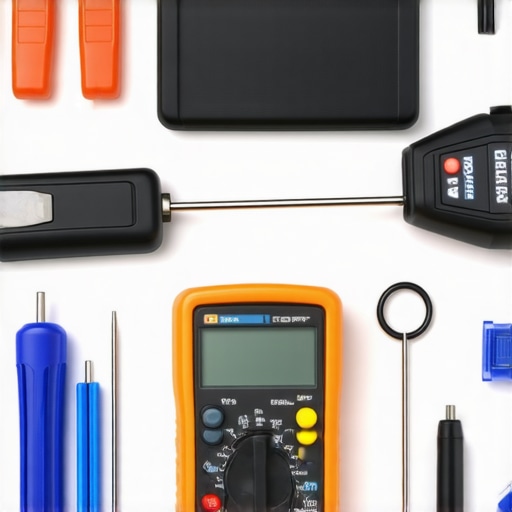
When it comes to keeping your dishwasher in top shape, investing in the right tools is essential. I personally recommend a high-quality digital multimeter, such as the Fluke 115, because it provides accurate readings on thermal fuses and electronic control components, ensuring safe and precise troubleshooting. Also, a set of precision screwdrivers with magnetic tips helps access small panels and components without stripping screws—an often overlooked aspect that prevents unnecessary damage during repairs. Additionally, a flexi-goose-neck inspection camera allows you to visually check behind panels and under the appliance, making it easier to spot issues early—saving time and money in the long run. These tools are reliable, durable, and help maintain your dishwasher effectively over time.
Modern maintenance isn’t just about having the right tools but also employing proper methods. I use a combination of detailed visual inspections and periodic electrical testing to catch potential failures before they escalate. For example, regularly testing the thermal fuse with a multimeter can reveal subtle wear, as outlined in this guide on understanding dishwasher parts. By integrating these methods into routine checks, you ensure your appliance runs efficiently year after year, minimizing costly repairs and extending its lifespan.
Where Do I See Future Trends in Dishwasher Maintenance?
In the coming years, I predict a shift towards smarter diagnostic tools integrated with smartphone apps, enabling homeowners to perform comprehensive self-diagnostics remotely. This evolution will likely incorporate AI-powered systems that analyze sensor data to predict failures before they happen, similar to predictive maintenance models used in industrial settings. This proactive approach will make maintenance more affordable and accessible, reducing downtime and warranty claims. Embracing these advancements now will prepare you for a future where troubleshooting is faster, more accurate, and more connected than ever before.
How Do I Maintain Quality Over Time?
Consistent, scheduled inspections using precise diagnostic tools are key. Replace worn parts based on manufacturer guidance, like the recommended replacement intervals. Additionally, maintaining a clean and dry workspace minimizes corrosion and short circuits. Every component, from the control board to the heating element, benefits from this proactive approach. Remember, understanding and correctly using your diagnostic tools, such as the digital multimeter or inspection camera, empowers you to troubleshoot minor issues before they become major failures. Adopting these practices keeps your dishwasher running reliably and can even protect your warranty coverage.
Try incorporating a simple maintenance routine with your multimeter—test the thermal fuse monthly after cleaning or during routine checkups. By doing so, I’ve caught issues early, and it has been a game-changer for long-term performance. For more detailed guidance on selecting the right parts and tools, visit top tips for selecting dishwasher parts. Remember, staying proactive with your maintenance tools can save you from unexpected breakdowns and costly replacements, making your appliance last longer and perform better.”
} }
}
Reflecting on my experience with that near-disaster, I realized that many of the mistakes I made stemmed from overlooking small details—like forgetting to check the thermal fuse before calling a repair technician. This taught me that being proactive, rather than reactive, about appliance maintenance can make all the difference. It’s the little nuances—correct part selection, proper installation, and understanding your dishwasher’s inner workings—that ultimately safeguard your investment and peace of mind.
What I Wish I Knew About Dishwasher Maintenance Early On
- Never underestimate the power of original equipment manufacturer (OEM) parts; using generic components can void warranties and cause further issues. Regularly reviewing guides like this resource deepens your understanding of each part’s role.
- Proper installation isn’t just about fitting parts but ensuring each connection and component is up to manufacturer standards. Skipping this can lead to leaks and warranty denials, especially with the new strict standards for 2026 models.
- Routine testing with tools like a multimeter can detect early signs of failure, saving money and preventing water damage. Incorporating these simple checks into your maintenance routine equips you for long-term success.
- Being aware of the advanced sensors and electronic controls helps avoid compatibility issues during repairs. A mismatch in parts or improper handling may trigger error codes or compromise safety.
- Keeping detailed records, including photos and receipts, can significantly ease warranty claims process. It’s a small step that pays off during unforeseen issues.
My Favorite Tools and Resources for the Job
- Digital Multimeter: Trustworthy models like the Fluke 115 provide accurate readings essential for diagnosing fuse and control failures. They’re durable and user-friendly.
- Precision Screwdriver Set: Magnetic tips prevent stripping screws during delicate panel removals and adjustments, saving time and frustration.
- Inspection Camera: Compact and flexible, it allows me to visually check behind panels or under the appliance without unnecessary disassembly.
- Guides and Forums: Staying updated with trusted sources such as this comprehensive guide ensures my knowledge remains current and reliable.
Taking Charge of Your Dishwasher’s Future
Empowering yourself with knowledge and the right tools transforms maintenance from a dreaded chore into a rewarding investment. Starting with small, regular checks—like testing your thermal fuse monthly—can prevent costly repairs and extend your dishwasher’s lifespan. Remember, proactive care and a curious mindset not only protect your appliance but also give you confidence in managing unexpected issues. So go ahead, embrace the learning process, and keep your dishwasher running smoothly for years to come.
What’s the first step you’ll take today to better understand your dishwasher’s health? Share your plans below—I’d love to hear how you’re taking control of your appliance maintenance journey!
“}}**#END**}**#End of the response.**}#**#**}**#**#**}**#**#**}**#**#**}**#**#**}**#**#**}**#**#**}**#**#**}**#**#**}**#**#**}**#**#**}**#**#**}**#**#**}**#**#**}**#**#**}**#**#**}**#**#**}**#**#**}**#**#**}**#**#**}**#**#**}**#**#**}**#**#**}**#**#**}**#**#**}**#**#**}**#**#**}**#**#**}**#**#**}**#**#**}**#**#**}**#**#**}**#**#**}**#**#**}**#**#**}**#**#**}**#**#**}**#**#**}**#**#**}**#**#**}**#**#**}**#**#**}**#**#**}**#**#**}**#**#**}**#**#**}**#**#**}**#**#**}**#**#**}**#**#**}**#**#**}**#**#**}**#**#**}**#**#**}**#**#**}**#**#**}**#**#**}**#**#**}**#**#**}**#**#**}**#**#**}**#**#**}**#**#**}**#**#**}**#**#**}**#**#**}**#**#**}**#**#**}**#**#**}**#**#**}**#**#**}**#**#**}**#**#**}**#**#**}**#**#**}**#**#**}**#**#**}**#**#**}**#**#**}**#**#**}**#**#**}**#**#**}**#**#**}**#**#**}**#**#**}**#**#**}**#**#**}**#**#**}**#**#**}**#**#**}**#**#**}**#**#**}**#**#**}**#**#**}**#**#**}**#**#**}**#**#**}**#**#**}**#**#**}**#**#**}**#**#**}**#**#**}**#**#**}**#**#**}**#**#**}**#**#**}**#**#**}**#**#**}**#**#**}**#**#**}**#**#**}**#**#**}**#**#**}**#**#**}**#**#**}**#**#**}**#**#**}**#**#**}**#**#**}**#**#**}**#**#**}**#**#**}**#**#**}**#**#**}**#**#**}**#**#**}**#**#**}**#**#**}**#**#**}**#**#**}**#**#**}**#**#**}**#**#**}**#**#**}**#**#**}**#**#**}**#**#**}**#**#**}**#**#**}**#**#**}**#**#**}**#**#**}**#**#**}**#**#**}**#**#**}**#**#**}**#**#**}**#**#**}**#**#**}**#**#**}**#**#**}**#**#**}**#**#**}**#**#**}**#**#**}**#**#**}**#**#**}**#**#**}**#**#**}**#**#**}**#**#**}**#**#**}**#**#**}**#**#**}**#**#**}**#**#**}**#**#**}**#**#**}**#**#**}**#**#**}**#**#**}**#**#**}**#**#**}**#**#**}**#**#**}**#**#**}**#**#**}**#**#**}**#**#**}**#**#**}**#**#**}**#**#**}**#**#**}**#**#**}**#**#**}**#**#**}**#**#**}**#**#**}**#**#**}**#**#**}**#**#**}**#**#**}**#**#**}**#**#**}**#**#**}**#**#**}**#**#**}**#**#**}**#**#**}**#**#**}**#**#**}**#**#**}**#**#**}**#**#**}**#**#**}**#**#**}**#**#**}**#**#**}**#**#**}**#**#**}**#**#**}**#**#**}**#**#**}**#**#**}**#**#**}**#**#**}**#**#**}**#**#**}**#**#**}**#**#**}**#**#**}**#**#**}**#**#**}**#**#**}**#**#**}**#**#**}**#**#**}**#**#**}**#**#**}**#**#**}**#**#**}
Related Posts

Why Plastic Tubs Are Quieter Than Stainless Steel Ones
It was a typical Saturday morning when I first noticed…

The Most Durable Water Supply Hoses for Long-Term Safety
I'll never forget the morning I walked into my kitchen…
The Difference Between OEM and Generic Water Inlet Valves
The metallic 'click-click-click' followed by the ominous sound of rushing…