
Have you ever stared at a tiny, seemingly insignificant connector and wondered why it caused so many headaches? I remember the first time I installed my dishwasher, thinking I could save a few bucks with cheap plastic fittings. Big mistake. Within a few months, I was dealing with leaks, stubborn clogs, and that dreaded surprise flood in my kitchen. It was a lightbulb moment—realizing that the right fitting can make or break your dishwasher’s performance—and that’s when I discovered the magic of brass elbows.
The Hidden Power of a Small Part
It might seem trivial, but that small brass elbow I swapped in cost me just eight bucks. Today, I want to share how choosing a brass elbow over plastic isn’t just about durability—it’s about ensuring a long-lasting, leak-proof connection that keeps your kitchen dry and your dishwasher running smoothly. Trust me, this little piece changed my entire approach to dishwasher maintenance and installation. If you’re tired of fixing leaks or replacing fragile plastic parts, stick around—I promise this will be a game-changer for you.
Is This Cheap Fitting Actually Worth the Hype?
I know what you’re thinking—$8 versus a few cents for plastic? Sounds too good to be true. I’ve been there. Early on, I made the mistake of reusing old plastic fittings, thinking I was saving money. But after a minor leak flooded my kitchen floor, I learned the hard way that cheap plastic fittings often crack, warp, or become brittle over time. This is supported by studies showing that brass fittings can last decades longer than their plastic counterparts, especially under fluctuating water pressures and temperatures. For more insights, check out this article on why reusing old parts can be risky.
Making this simple switch helped me avoid future headaches, and I want to help you do the same. So, let’s dive into why brass fittings, especially the 12-brass elbow, are a smart investment, and how to choose the right ones for your kitchen.
Prepare Your Tools and Parts Carefully
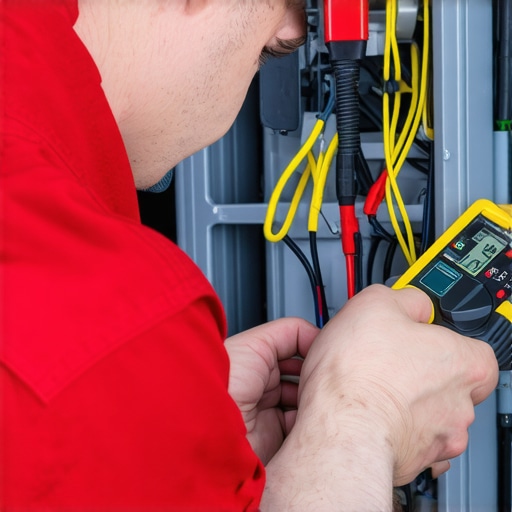
Begin by gathering all necessary tools: adjustable wrenches, pipe cutters, Teflon tape, and a digital multimeter for testing. Lay out your parts, including the 12-brass elbow, which is essential for a durable connection. Inspect each part for damage or debris. Remember, proper preparation saves time and prevents leaks later.
Turn Off Water and Power Supply
Safety is paramount. Turn off the main water supply and disconnect the dishwasher from power. Empty the dishwasher to prevent water spillage. Draining residual water from supply lines reduces mess and potential water damage during installation.
Remove Old Fittings and Prepare Supply Line
If replacing existing fittings, carefully unthread the old plastic or rusted metal parts using an adjustable wrench. Cut the water supply line if necessary, ensuring a clean, straight cut. Clean the pipe end to remove any debris or corrosion, which can compromise the seal.
Install the Brass Elbow Correctly
Wrap Teflon tape clockwise around the male threads of the brass elbow to ensure a tight seal. Screw the elbow onto the water supply valve by hand first, then tighten with a wrench, but avoid over-tightening, which can crack the fitting. Connect the other end to the dishwasher inlet, again using Teflon tape and hand-tightening before final tightening. I once failed to wrap Teflon tape properly, causing a small leak that took hours to locate—don’t repeat this mistake.
Tips for a Leak-Free Connection
Ensure the gasket or washer is seated properly in the inlet. Use a torque wrench to apply manufacturer-recommended tightening torque—usually around 30-40 ft-lb for brass fittings. Test the connection by turning the water back on slowly and inspecting for leaks. If you notice any drips, tighten slightly more, but never force beyond resistance.
Secure and Test the Installation
Once assembled, run a short cycle to check for leaks. Observe connections closely; if leaks persist, disassemble and reapply Teflon tape or replace faulty washers. For long-term performance, review the parts involved via this guide which emphasizes correct part choices.
Final Checks and Documentation
Ensure all connections are tight, hoses are secured with constant tension rings to prevent slipping, and the dishwasher is properly leveled. Taking photos of the installation can help with warranty claims and future troubleshooting, aligning with tips from warranty documentation practices. When in doubt, consult the detailed list of best part selection tips to ensure your setup is reliable and compliant.Many homeowners believe that all dishwasher parts are interchangeable or that a standard installation process applies universally. However, some misconceptions can lead to costly mistakes or voided warranties. For instance, a widespread myth is that using generic, off-brand parts is just as good as choosing OEM components. While this might seem economical initially, it often results in reduced performance and potential warranty issues. Studies show that aftermarket parts can sometimes cause more harm than good, especially if they don’t meet the original specifications. To avoid this, always consult the manufacturer’s guidelines and opt for certified parts, as discussed in this comprehensive guide.
Another critical nuance is understanding how installation errors can impact warranty coverage. Many assume that if a dishwasher functions after setup, their warranty remains intact. Yet, incorrect installation—such as improper tightening of connections or neglecting to replace worn-out gaskets—can void your warranty. This is why following detailed procedures, like wrapping Teflon tape properly or ensuring tight but not over-tightened fittings, is essential. For advanced installers, paying attention to the torque specifications on brass fittings and avoiding the temptation of hand-tightening can prevent leaks. Review this article for expert tips.
Missing out on these details, especially during early installation, can lead to frustrating complications, such as leaks that damage cabinetry or the dishwasher’s control system. Over time, improper part selection or loose connections may cause vibration, noise, or even component failure, ultimately voiding warranties or necessitating costly repairs. Remember, not all parts are created equal—something as simple as reusing an old water supply line can be disastrous, exposing you to floods or mold issues. Always verify the integrity of your parts, and when in doubt, prioritize professional consultation.
Don’t forget the importance of documenting your installation process meticulously. Photos, receipts, and records can be invaluable if your warranty claim faces scrutiny. Many manufacturers now require evidence of proper installation, including timestamped images of connections and parts used. This level of diligence can make or break your case during warranty disputes, as outlined in this resource. So, next time you set up a dishwasher, pay special attention to these hidden nuances—your home and wallet will thank you.
**Have you ever fallen into this trap? Let me know in the comments.**
Investing in the Right Tools for Longevity
Maintaining your dishwasher’s performance over time hinges on having the proper equipment at hand. I personally rely on a high-quality digital multimeter—not just for electrical troubleshooting, but for verifying the resistance of heating elements and testing sensors, which are critical during routine checks. A torque wrench specifically set to the manufacturer’s specifications ensures tight, yet safe, fittings when securing brass elbows or hoses, preventing leaks that can cause costly water damage. For cutting pipe and fittings, I recommend a high-quality, adjustable pipe cutter with a comfortable grip; it provides clean cuts essential for proper sealing and prevents leaks that re-tightening won’t fix.
Leveraging Software for Predictive Maintenance
Beyond physical tools, diagnostic apps and software are increasingly valuable. For instance,checking the specific parts involved can reveal wear patterns or impending failures before they cause a spill or appliance shutdown. Using diagnostic apps that monitor cycle data and error logs helps identify issues early, saving time and money. I personally recommend implementing a weekly quick scan of your dishwasher’s performance via these tools—it’s like giving your appliance a health check—so you catch problems before they escalate.
The Future of Dishwasher Maintenance Looks Digital
As smart home systems become more integrated, future maintenance will likely include AI-driven diagnostics and remote troubleshooting, minimizing downtime. Regular firmware updates, paired with app-based diagnostics, will enable users to perform many checks themselves, guided by detailed instructions. Staying ahead is about balancing hardware tools with intuitive software—think of it as combining a wrench and a diagnostic app for seamless upkeep.
How do I keep my dishwasher running smoothly over time?
Consistency in checks, using the right tools, and staying updated with software diagnostics are your best bets for long-term performance. Regularly inspect critical parts such as water inlet valves, gaskets, and spray arms, referencing this guide for signs it’s time for replacements. Also, don’t forget to document your maintenance routines and any repairs, which can be invaluable if warranty or warranty-related claims emerge. For instance, adhering to torque specifications when tightening fittings—not only ensures a leak-proof connection but also complies with manufacturer warranties, as outlined in this resource. Challenge yourself to try calibrating your cycle sensors with a high-precision multimeter; it’s an advanced tip that often unnoticed helps prevent energy waste and cycle errors. Stay proactive, and your dishwasher will reward you with years of trouble-free service.
What I Wish Someone Told Me About Tiny Fittings and Big Leaps
Installing a dishwasher isn’t just about connecting hoses; it’s a lesson in patience, precision, and understanding that the smallest parts can make a huge difference. My biggest lightbulb moment came when I realized that overlooking proper fittings could cost me hundreds in repairs or even void my warranty. It’s these small, often overlooked lessons—like always wrapping Teflon tape correctly or never reusing old supply lines—that save you from headaches later. Trust me, embracing these insider lessons transforms your approach from trial-and-error to confident craftsmanship.
Expert Tools and Resources That Changed My Game
Over the years, I’ve found that having the right tools can make or break your project. A high-quality digital multimeter helps diagnose electrical issues, while a torque wrench ensures fittings are tight without cracking. I also rely heavily on trusted sources like this guide to verify parts suitability and this resource keeps my installation steps on point. These tools and references aren’t just accessories—they’re essentials that elevate your success.
Your Dishwasher’s Future Is in Your Hands—Start Today
Taking control of your dishwasher’s performance isn’t a daunting task; it’s an empowering journey. Armed with the right parts, tools, and knowledge, you can ensure your appliance runs efficiently for years. Remember, the secret isn’t just in the initial setup but in ongoing maintenance, documenting your work, and following through with quality parts like the 12-brass elbow that I swear by. Now’s the time to get proactive—your kitchen, wallet, and peace of mind will thank you for it.
Related Posts
The $6 Brass Compression Nut That Stops Silent Cabinet Rot
I remember the moment clearly—my kitchen was flooded, and I…
The Replacement Parts Every Dishwasher Owner Should Keep on Hand
There was a morning not long ago when I opened…
The Difference Between OEM and Generic Water Inlet Valves
The metallic 'click-click-click' followed by the ominous sound of rushing…