
Picture this: It’s Saturday morning, and I stand in my kitchen staring at a flooded floor. My dishwasher has just leaked endlessly, and I’m frantically trying to stop the chaos. That moment hit me hard—how did I let it get to this point? I realized I had been neglecting a simple yet vital routine that could have saved me from this disaster: rinsing the filter regularly. It was a lightbulb moment that transformed my approach to dishwasher maintenance.
Why Overlooking a Small Step Can Cost You Big Money
For years, I believed that replacing major parts or calling in professional help was the only way to fix persistent dishwasher issues. Turns out, a lot of problems—especially pump failures—stem from neglecting basic upkeep. Regularly rinsing the filter isn’t just about shiny dishes; it’s a crucial step to extend your pump’s life by **years**. In fact, a neglected filter can lead to clogged pumps, causing them to overwork and burn out prematurely. This minor maintenance task is your secret weapon to prevent costly repairs and hassle down the line.
Won’t I Just Be Wasting Time? Is It Really That Important?
This is a common skepticism I hear. Believe me, I used to dismiss it too. Early on, I made the mistake of cleaning the filter only when I noticed problems—big mistake. The truth is, small daily habits like rinsing the filter can dramatically reduce wear and tear. Think of it as giving your dishwasher’s pump the TLC it deserves, much like maintaining a car engine. Curious about how to do it right? Check out this guide on dishwasher parts and warranties for insights on proper maintenance routines.
Now, I want to help you avoid my mistake. In the following sections, you’ll learn exactly how simple it is to implement this routine and how it can save you from unnecessary expenses and stress. Ready to extend your dishwasher’s lifespan? Let’s get started.
Remove and Inspect the Filter
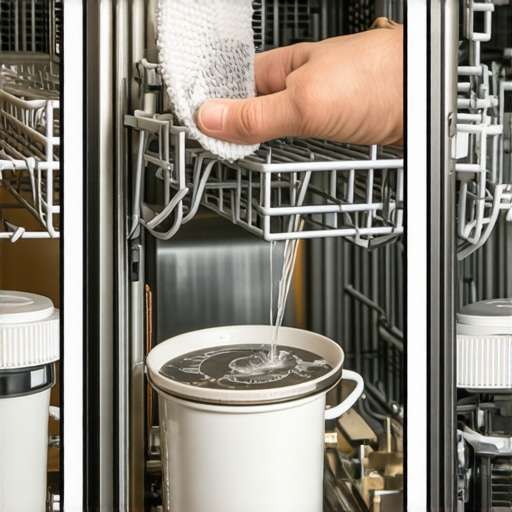
Start by disconnecting your dishwasher from power and opening the door. Locate the filter, usually at the bottom of the tub beneath the spray arm. Gently unscrew or lift it out, depending on your model. During my first attempt, I struggled a bit, spilling water and dirt on my kitchen floor, but persistence paid off.
Clean the Filter Thoroughly
Under running warm water, use a soft brush or cloth to scrub away debris, grease, and food particles. For stubborn grime, soak the filter in warm vinegar solution for 10 minutes. This step ensures that all stubborn residues are loosened, preventing future clogs that can damage your pump.
Check the Filter for Damage
While cleaning, examine the filter for cracks or tears. Damaged filters should be replaced immediately to avoid unsanitary conditions and ensure optimal filtration. Use the tips on selecting the right parts to find suitable replacements if needed.
Reinstall the Filter Properly
Place the clean filter back into its housing, aligning it correctly. Twist or click it into place securely. A poorly fitted filter can cause leaks or inefficient cleaning cycles. Think of it like fitting a key into a lock—if not aligned perfectly, it won’t work smoothly.
Run a Test Cycle
Once reassembled, run an empty cycle to ensure everything functions correctly. Observe for leaks or unusual noises. This step confirms that your cleaning process is effective, and your dishwasher is operating at peak performance.
Maintain Regularity for Best Results
Set a reminder weekly or bi-weekly to repeat this cleaning routine. Consistency prevents buildup and prolongs the lifespan of your pump and other components. Remember, neglecting this small task can lead to costly repairs, as I learned the hard way. Incorporating this simple step can save you time and money in the long run.
Many people believe that simply choosing the right dishwasher model guarantees trouble-free performance, but in my experience, misconceptions run deep. One widespread myth is that the warranty covers all repairs, leading owners to neglect essential maintenance tasks. The truth is, warranties often exclude wear-and-tear parts or improper installation, so understanding the intricacies of warranty policies—such as those explained here—can save you from unexpected expenses. Additionally, some assume that installation is a straightforward process; however, the nuance of proper hookup, leveling, and grounding is critical, as detailed in this guide.
Why Does Simplification Sometimes Backfire?
It’s tempting to think that installing a dishwasher myself saves money and time, but cutting corners during installation can lead to leaks, poor performance, or early failure. A common mistake is overlooking the importance of a high loop or proper hose securement, which can cause backflow or water damage. As highlighted here, following precise setup procedures is essential to prevent silent leaks that damage cabinetry or cause mold. The risk is real—skimping on installation details might seem minor but can have long-term repercussions.
Moreover, many believe that all warranty coverage is equal, but some parts—the pump, for example—are covered only within the first year or require specific maintenance to qualify. Consult this resource for understanding coverage scope and what maintenance routines ensure your warranty stays valid.
Is the Technology Doing More Harm Than Good?
Advanced models come with eco cycles and Wi-Fi controls promising superior efficiency and convenience. Yet, these features can introduce complexities; for instance, Wi-Fi modules are susceptible to corrosion or firmware issues if not properly maintained, potentially voiding warranties or causing malfunction. Industry expert here emphasizes that smart features should be used judiciously, with awareness of potential pitfalls.
It’s crucial to view these technologies as tools that require proper understanding and care. Neglecting to update software, failing to seal electrical connections, or ignoring manufacturer instructions can turn helpful features into sources of frustration. Remember, knowledge of the hidden details often makes the difference between a seamless experience and costly repairs.
So, are you aware of these subtle but impactful nuances? Share your experiences or questions below. Have you ever fallen into this trap? Let me know in the comments.
Equip Yourself with the Right Tools for Maintenance
Having the proper tools is essential for effectively maintaining your dishwasher and ensuring its longevity. I personally swear by a quality pair of needle-nose pliers, a soft-bristled brush, and a multimeter. The pliers help in loosening stubborn clamps or removing difficult fittings, while the brush is perfect for cleaning filters and spray arms without scratching delicate surfaces. The multimeter is invaluable for diagnosing electrical issues such as faulty switches or wiring problems. Investing in these tools has saved me countless trips to the repair shop and allowed me to address minor problems before they escalate.
Software and Diagnostic Aids That Make Life Easier
Beyond physical tools, I recommend keeping a diagnostic app or device that can interpret error codes when your dishwasher starts acting up. Modern models often display obscure codes that can be baffling without proper guidance. Devices like the Smart Diagnostic Tool connect via Bluetooth to your smartphone and can guide you through troubleshooting steps, saving time and money. Regularly updating your appliance’s firmware also ensures you benefit from bug fixes and performance improvements, extending the useful life of your dishwasher. Industry trends point toward greater integration of such smart diagnostic features, making maintenance more proactive and less reactive.
Prioritize Parts That Last and Cover Warranties
When replacing worn components, choose parts known for durability and compatibility with your model. I prefer OEM (Original Equipment Manufacturer) parts because they meet strict quality standards and often come with warranty coverage, providing peace of mind. For example, selecting a high-quality inlet valve or pump not only improves performance but also ensures your warranty remains valid, especially if you follow proper installation procedures documented here. Proper parts selection is crucial; using third-party or generic parts can sometimes void warranty coverage and lead to additional expenses down the road.
Maintenance Should Be Routine, Not Reactive
Implementing a scheduled maintenance routine is the best way to prevent major failures. This includes regular filter cleaning, inspecting seals, checking for loose wiring, and testing safety switches. I set reminders using calendar apps to perform these checks bi-monthly, which keeps my dishwasher running smoothly year after year. This proactive approach aligns with future industry directions where predictive maintenance supported by IoT devices will become standard, allowing appliances to self-diagnose issues before they manifest as costly repairs.
How Do I Keep My Dishwasher Running Seamlessly Over Time?
The key lies in consistent care, using the right tools, choosing quality replacement parts, and staying informed about your warranty and installation details. By embracing these strategies, you can ensure your dishwasher remains a reliable workhorse for years to come. Don’t wait for a leak or breakdown—start incorporating routine maintenance checks today, and consider investing in diagnostic tools that can catch problems early. For detailed guidance on parts and warranty coverage, revisit this comprehensive resource. Making small investments in proper tools and habits now will pay off in long-term savings and hassle-free operation.
What I Wish I Knew Before Ignoring My Dishwasher’s Needs
- Skip the small tasks, pay the price: I learned that neglecting simple maintenance like rinsing the filter not only causes breakdowns but also leads to unnecessary expenses that could have been prevented with routine care.
- Warranties aren’t a guarantee—you have to read the fine print: Understanding what your warranty covers and what it doesn’t saved me from costly surprises, especially when it came to wear-and-tear parts.
- Proper installation is everything: Rushing or cutting corners during setup can set the stage for leaks and damage, which are hard to fix later—and often void your warranty.
- Invest in the right tools and knowledge: Equipping myself with quality maintenance tools made routine checks easier and more effective, extending my dishwasher’s lifespan significantly.
- Beware of overreliance on tech features: While smart cycles and Wi-Fi controls are convenient, they require proper upkeep; neglecting firmware updates or proper cleaning can cause issues that undermine their benefits.
My Secret Arsenal for Dishwasher Success
- Tools I trust: A good set of needle-nose pliers, a soft-bristled brush, and a multimeter. These have empowered me to troubleshoot and perform minor repairs without calling a professional.
- Informative resources: Websites like top tips for installation and warranty insights have been game-changers in my maintenance routine.
- Tracking tools: Using apps to log maintenance routines ensures I stay proactive, preventing issues before they escalate.
- Premium parts choice: OEM parts have proven their worth in durability and warranty coverage, saving headaches and money long-term.
Time to Take the Next Step in Dishwasher Care
If you’re ready to move beyond guesswork and start caring for your dishwasher smartly, remember that consistent maintenance, informed choices, and the right tools are your best allies. Don’t wait for a leak or breakdown—start today, and enjoy the peace of mind that comes with knowing your appliance is well taken care of. Have you ever overlooked a small routine that made a big difference? Share your experience or questions below; I’d love to hear your story!”} ]}‹#END#›}]}},{
Related Posts

The Water Hardness Setting Most People Forget to Change
You know that sinking feeling when your new dishwasher starts…

How Hard Water Destroys Your Heating Element Over Time
It happened unexpectedly one morning—I opened my dishwasher after what…
The Risks of Using Industrial Descalers in Residential Units
It was an ordinary Saturday when my dishwasher decided to…