
It was late at night, and I was about to unwind after a busy day. I pressed the start button on my dishwasher, only to hear a relentless grinding noise that sounded like metal rasping against concrete. My stomach sank. For a moment, I wondered if I had accidentally installed the wrong part or if my trusty appliance was giving up on me. That annoying sound was more than just a nuisance; it was a warning sign that something was seriously wrong with my dishwasher’s drain pump.
Deciphering the Constant Grind: Why It Happens
When your drain pump emits a persistent grinding noise, it’s a sign that the moving parts are struggling or damaged. At its core, the pump’s job is to clear wastewater efficiently, but debris, worn-out components, or improper installation can cause the motor to grind loudly during operation.
From personal experience, I learned that such noise isn’t normal. In fact, research shows that most dishwasher failures stem from neglected maintenance or incorrect part installation, which can lead to costly repairs later on. Early detection and understanding the root cause can save you hundreds of dollars and prevent unexpected breakdowns.
If you’re experiencing similar issues, don’t dismiss that grinding as just a minor quirk. It could be symptomatic of a deeper problem, like a jammed impeller or a faulty bearing. Addressing these early can extend your appliance’s lifespan and ensure it runs smoothly.
Is Replacing the Pump Worth the Hassle?
I’ve been there—initially, I thought a simple fix might do the trick. But I mistakenly believed that cleaning the pump would eliminate the noise, which only made things worse. What I didn’t realize early on is the importance of choosing the right parts and ensuring proper installation, as emphasized in [top tips for selecting the right dishwasher parts](https://appliancedoctorz.com/top-tips-for-selecting-the-right-parts-for-dishwasher-installation). Proper part selection not only guarantees compatibility but also enhances performance.
Managing this issue involves diagnosis, proper part replacement, and sometimes professional intervention. If you’re unsure whether it’s worth repairing or replacing the pump, understanding the ins and outs can make your decision clearer.
Before diving into repairs, I recommend checking out our comprehensive [guide on troubleshooting dishwasher installation issues](https://appliancedoctorz.com/expert-advice-on-dishwasher-installation-troubleshooting). It can walk you through common pitfalls and help you make informed choices.
Ready to tackle that relentless grinding? Let’s explore the practical steps to diagnose and fix your drain pump problem.
Disconnect Power and Access the Pump
Before starting any repair, unplug your dishwasher from the electrical outlet. Move the appliance away from the wall to access the lower panel where the drain pump is located. Use a screwdriver to remove the panel screws, and carefully detach the panel to expose the internal components. Remember, safety first: always disconnect power to avoid electrical shock.
Inspect the Pump and Remove Obstructions
Identify the drain pump, which typically has flexible hoses attached. Visually examine the impeller inside the pump for debris, hair, or food particles that might be causing the grinding noise. Use pliers or tweezers to remove any obstructions. Think of the impeller as a propeller on a boat—if there’s debris caught, it’ll struggle to spin smoothly.
Clear Debris and Check for Damage
If debris is present, remove it carefully. While doing so, check the impeller blades for cracks or chips; damaged blades will need replacement. Also, inspect the motor shaft for corrosion or wear. Small debris can clog the impeller, causing noise, much like a bicycle wheel making noise when hair or dirt gets caught in the spokes.
Test the Pump Manually
Reconnect the pump wiring temporarily (without reassembling everything) and manually spin the impeller with your fingers to see if it moves freely. If it doesn’t, or if turning it produces resistance or noise, the pump likely needs replacing. Think of it as trying to turn a stiff gear—if it doesn’t turn smoothly, the part is faulty.
Replace the Drain Pump if Necessary
If the impeller is damaged or the motor struggles to spin, order a new pump compatible with your dishwasher model. Consult the link on top tips for selecting the right parts for dishwasher installation to ensure compatibility. Disassemble the old pump carefully, noting how hoses and wiring are connected, and install the new pump securely, ensuring all connections are tight. Use a high-quality clamp for hoses to prevent leaks, as loose fittings can cause further issues.
Reassemble and Test
Once the new pump is installed, reattach the lower panel, restore power, and run a short cycle to verify the grinding noise is gone. Observe the pump operation carefully. If you still hear grinding, double-check that the impeller is spinning freely and that no debris remains. Proper installation is key—think of it as fitting the puzzle pieces precisely, so your dishwasher runs smoothly.
Follow Up with Maintenance
Regularly inspect and clean the drain pump area to prevent future clogs. Using a soft brush or a damp cloth to remove debris can prolong the lifespan of your pump. Additionally, check the water inlet filters periodically; a clean filter reduces the risk of debris reaching the pump, much like a strainer catching unwanted particles before they cause damage.
When it comes to dishwasher installation, a common misconception is that choosing the cheapest or most readily available parts guarantees longevity and smooth operation. However, *advanced installers understand the subtle nuances* that can make or break your appliance’s performance and warranty coverage. For instance, selecting incompatible parts—even ones that seem correct—can inadvertently void your warranty, especially if they fail prematurely due to poor fit or quality. This is why consulting expert guidance, like the insights found in [top tips for selecting the right parts for dishwasher installation](https://appliancedoctorz.com/top-tips-for-selecting-the-right-parts-for-dishwasher-installation), is crucial. Moreover, many underestimate how *warranty terms* are heavily dependent on proper installation and the use of recommended parts, detailed in [the complete list of dishwasher parts covered by warranty](https://appliancedoctorz.com/the-complete-list-of-dishwasher-parts-covered-by-warranty). A misstep during installation—such as improper sealing or incorrect hose placement—not only risks water damage but also can lead to claim denial when issues arise. Another critical point often overlooked is the importance of *hard water considerations*, which can cause corrosion and damage to components not specified for such conditions, thereby affecting warranty claims as discussed in [the impact of hard water on sensor performance](https://appliancedoctorz.com/the-impact-of-hard-water-on-your-smart-sensor-performance). Additionally, experts emphasize that *upgrading certain parts*—like using manufacturer-approved hoses and filters—can extend device longevity and ensure warranty validation. Many DIYers make the mistake of reusing old hoses or ignoring manufacturer instructions, which may seem cost-effective but can jeopardize warranty protection, a trap that can be avoided by following professional advice. As you can see, the landscape of dishwasher maintenance is layered with complexities that only seasoned installers navigate confidently. For a comprehensive understanding, I recommend reviewing [expert advice on dishwasher installation troubleshooting](https://appliancedoctorz.com/expert-advice-on-dishwasher-installation-troubleshooting). Have you ever fallen into this trap? Let me know in the comments. Paying attention to these fine details can save you time, money, and peace of mind in the long run.
Keeping It Running Smoothly with Right Tools
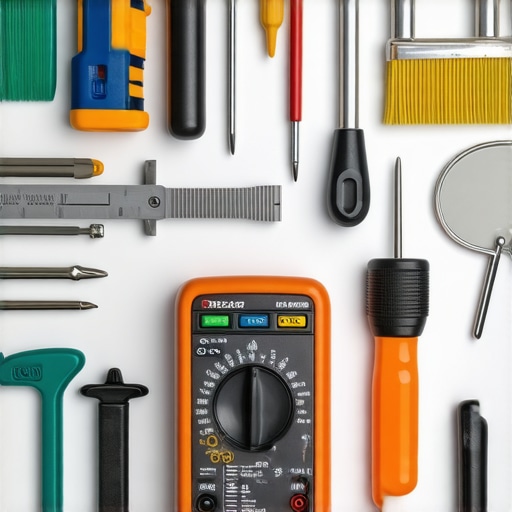
When it comes to ensuring your dishwasher remains reliable over the years, having the right equipment is paramount. Personally, I never underestimate the power of a quality multimeter. I use it to test wiring connections and electrical components during repairs, ensuring safety and diagnosing issues accurately. A sturdy, magnetic-head flash head screwdriver is also invaluable for reaching tight spaces without stripping screws, especially when replacing parts like the drain pump.
For cleaning and maintenance, I recommend a flexible brush designed for tight crevices, which makes removing debris from impellers or filters a breeze. Magnetic inspection mirrors are excellent for inspecting hard-to-see areas beneath the appliance, helping identify corrosion or lodged debris early. Additionally, a digital caliper can measure hose inner diameters precisely, ensuring you replace parts with perfect compatibility, which ties into selecting the right parts for warranty compliance.
Predicting where Trends Are Heading in Dishwasher Maintenance
Looking toward the future, I foresee the integration of smart diagnostic tools becoming standard. Imagine apps that connect via Bluetooth to monitor vibration patterns or noise signatures, alerting you to issues before they worsen—saving money and time. Such innovations will make maintenance more proactive, rather than reactive, empowering homeowners and technicians alike.
How do I maintain parts and tools over time?
To keep your tools in top shape, it’s essential to clean and store them properly after each use. Keep your multimeter batteries fresh and periodically calibrate the device to ensure accurate readings. Store screwdrivers and brushes in a dry, organized toolbox to prevent rust and damage. Regularly inspecting and replacing worn-out tools prevents misdiagnosis or easy breakage, which could otherwise compromise repair quality. Also, stay informed about the latest tools; subscribing to industry updates or professional forums can introduce you to innovative equipment that enhances efficiency.
In practice, maintaining your tools properly translates into more precise diagnostics and smoother repair workflows, ultimately extending your dishwasher’s lifespan. Remember, genuine parts and meticulous installation—relying on guides like top tips for selecting the right parts for dishwasher installation—are critical for warranty adherence and long-term success. For example, ensuring your inlet valves and filters are compatible can prevent costly water damage, as discussed in the complete list of dishwasher parts covered by warranty.
Don’t forget that a well-maintained dishwasher combined with the right tools enables you to troubleshoot effectively, often identifying issues before they escalate. For instance, using a multimeter to check for voltage irregularities can hint at impending motor or control board failures, allowing preemptive action that prolongs appliance life.
Enhance Your Maintenance Routine Today
Start integrating advanced diagnostic tools into your routine—try using a thermal camera occasionally to detect overheating components or a vibration sensor to monitor motor health. These practices will bring your maintenance game to the next level, making repairs more predictable and less invasive. Remember, the key is in the details—and the right tools empower you to catch minor issues before they turn into full-blown disasters.
What I Wish I Knew Before Starting My Dishwasher Repair Journey
One major insight I discovered is that even seemingly minor issues can signal underlying problems—ignoring that relentless grinding noise could lead to costly repairs later. Patience and thorough diagnosis saved me from unnecessary replacements.
I also learned the importance of selecting genuine, compatible parts. Using an incompatible drain pump might seem convenient but can cause more damage and void your warranty, as highlighted in our guide on choosing the right parts. Never underestimate how proper parts and installation techniques empower your appliance’s longevity.
Finally, I realized that regular maintenance and early detection are your best allies. Simple checks—like inspecting the impeller for debris or lubrication—can prevent grinding sounds and extend the life of your dishwasher. Embracing these habits transforms small fixes into long-term savings.
Related Posts
Why Your Dishwasher Door Springs Break Every Three Years
Ever opened your dishwasher to find the door hangs at…
How to Manually Force a Drain Cycle During a Pump Failure
Imagine this: you're in the middle of a busy week,…
Why You Should Never Use Teflon Tape on a Compression Fitting
It was a frustrating Saturday morning after yet another leaky…