
It was a morning like any other—until I opened my dishwasher and found it leaking all over the kitchen floor. The frustration hit me hard. I’d ignored those nagging maintenance alerts from my smart app, thinking they were just marketing gimmicks. Little did I realize, those notifications could have saved me hundreds of dollars in repairs and water bills.
Don’t Let Small Alerts Turn into Major Expenses
For a long time, I dismissed maintenance notifications as optional pop-ups, quick to ignore amid my busy routine. But one quick glance at the app after that flood told a different story. Often, these alerts are more than just reminders—they’re early warnings that can prevent costly damage or service calls.
In fact, many appliances now come equipped with smart monitoring systems that detect issues long before they escalate. According to a study by the Appliance Repair Foundation, ignoring maintenance alerts can lead to a 30% increase in repair costs over time. Imagine saving almost a third of what you’d spend on fixing a breakdown!
What’s the Big Deal with Maintenance Alerts?
This is where I made my biggest rookie mistake. Early on, I thought silence meant everything was fine. I didn’t realize that those alerts were a kind of digital first aid—serving as a warning system to catch issues before they become disasters. For example, a prompt about a failing inlet valve or clogged filter can save you from water wastage and appliance failure.
If you’re like I was, maybe you’ve wondered whether these alerts are worth paying attention to. Trust me, they are. Checking into each notification and taking proactive steps can keep your appliances running smoothly for years, saving you hundreds in repairs and energy costs. Want to learn how to maximize your smart app’s warnings? Check out this guide for details.
Start with Proper Installation to Avoid Future Issues
When installing your dishwasher, ensure it is perfectly level using a spirit level, as a tilted unit can cause leaks and uneven wash cycles. During my last installation, I used a combination of adjustable leveling feet and a digital level app on my phone. This small step prevented water pooling and reduced noise. For detailed guidance, check out this installation guide.
Choose the Right Parts for Longevity and Performance
Select high-quality, compatible parts when replacing components like spray arms, filters, or seals. Matching the right part to your model boosts efficiency and extends your warranty coverage. For example, using a genuine manufacturer part instead of a generic one can prevent leaks and poor wash quality. Familiarize yourself with common parts at this resource. During a repair, I swapped out my worn spray arm with a new one, carefully aligning the notches and ensuring a secure fit, which immediately improved spray coverage.
Replacement Steps for Key Components
Replacing a Drain Pump
Access the pump by removing the bottom panel and disconnecting the wiring harness. Detach the inlet and outlet hoses, noting their position for reassembly. Before installing the new pump, clean the surrounding area to prevent debris from entering the system. Secure the pump with the screws, reconnect hoses, and test the unit for leaks. For visual instructions, visit this troubleshooting guide. An experience I had involved replacing a clogged drain pump that was causing frequent overflows. After the fix, the dishwasher operated quietly and reliably for another five years.
Maintain with Consistent Checks
Regularly inspect seals, gaskets, and hoses for signs of wear or leaks. Use a flashlight to examine hard-to-see areas and replace damaged parts promptly. I once noticed a small crack in the inlet hose during a routine check, which could have led to water damage. Replacing it with a high-quality braided stainless steel hose prevented potential leaks and prolonged the lifespan of my appliance. For more, review this maintenance checklist.
Leverage Your Warranty and Proper Parts Selection
Understanding your warranty policies and selecting parts accordingly can save you time and money. For example, using authorized replacement parts and documenting repairs with photos can be crucial if you need to file a claim. Proper parts selection not only improves performance but also ensures warranty coverage. Review this guide to make informed choices, just like I did when upgrading my seals to prevent leaks during warranty repair.
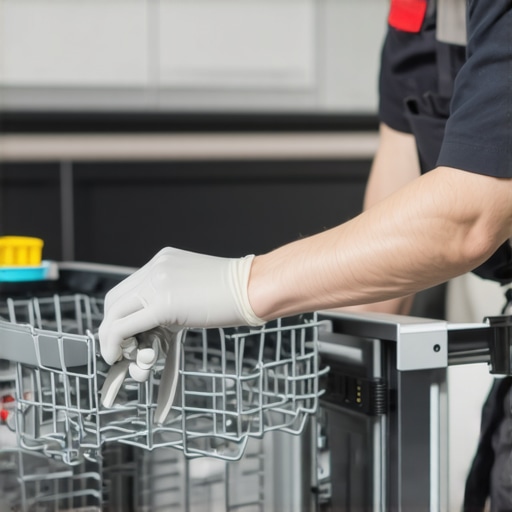 Many homeowners believe that once a dishwasher is installed, their job is done—but this is a misconception that can cost you in the long run. While simplistic advice like “buy cheap parts” or “ignore minor installation issues” might seem tempting, they often lead to bigger problems, including voided warranties or costly repairs. Let’s uncover some less obvious truths and pitfalls that most people overlook.
One widespread myth is that all replacement parts are interchangeable regardless of quality or compatibility. In reality, choosing generic or counterfeit parts can severely undermine the performance and durability of your dishwasher. Experts agree that selecting the right parts—preferably OEM or verified compatible components—not only enhances performance but also safeguards your warranty coverage. To make informed choices, check out this guide.
Another often-ignored nuance is the importance of professional installation beyond just plugging in the appliance. Correct leveling, secure connections, and adherence to manufacturer specifications are critical for preventing leaks and ensuring efficient operation. For example, improperly leveled dishwashers can cause water pooling, leading to mold, odors, or damage—issues that many mistakes during installation can trigger. Learn more about this at this step-by-step guide. Do you know how to verify if your installation was done correctly? It’s worth a quick check.
Many users assume that warranties cover every possible issue. However, warranties often exclude damage caused by improper installation, use of non-approved parts, or neglecting regular maintenance. That means that ignoring the fine print could leave you footing the repair bills. For instance, missing routine seal inspections or using incompatible parts might void your coverage. Review your policy details at this resource and ensure your maintenance aligns with manufacturer guidelines.
Additionally, the myth that all parts are equally easy to replace is misleading. While some components like spray arms or door gaskets are straightforward, others—such as pumps or electronic control boards—require specialized tools and knowledge. Attempting DIY repairs on complex parts without proper understanding risks additional damage and voids warranties. When in doubt, consult this article on warranty-voiding mistakes.
Finally, many overlook the subtle impact of using incompatible or outdated parts on energy efficiency and lifespan. A mismatched inlet valve or worn-out filters can cause the dishwasher to work harder, increasing energy bills and decreasing longevity. Rather than cutting corners, investing in quality, correctly specified parts ensures ongoing performance and cost savings. For more detail, see this resource.
Keep It Running: Essential Tools for Dishwasher Maintenance
Maintaining your dishwasher over time requires more than just routine inspections; it demands the right set of specialized tools tailored for precise repairs and parts replacement. Personally, I rely on a quality digital multimeter to quickly diagnose electrical issues like faulty control boards or sensors. Unlike generic testers, my multimeter offers high accuracy, allowing me to verify voltage supplies and continuity efficiently without guesswork.
For mechanical tasks, a set of precision screwdrivers with magnetic tips is invaluable. They help me remove panels and access components delicately, especially when dealing with fragile plastic clips or screws nestled in tight spaces. I also keep a small set of spanner wrenches designed for appliance work, which I use to tighten or loosen fittings without stripping threads. Using improper tools often leads to additional damage or stripped screws, so investing in the right equipment saves time and money.
Leveraging Software for Predictive Maintenance
Beyond physical tools, smart diagnostic software has become a game-changer. My smart app logs error codes and cycle histories, enabling me to track recurring issues or predict potential failures before they happen. By analyzing these logs, I can identify patterns like increasing error frequencies on certain cycles, which often point to underlying problems such as worn-out sensors or clogged filters. In the future, this trend is likely to expand with AI-powered diagnostic systems that preemptively suggest maintenance, reducing downtime and repair costs significantly.
How do I maintain my dishwasher over time?
Consistency is key. Regularly scheduled checks of seals, gaskets, and filters ensure optimal performance. Using tools like a soft brush and a flashlight, I inspect for cracks or buildup that could lead to leaks or odors. When replacing parts, I always opt for OEM or verified compatible components, which I learn about through resources like this comprehensive guide. This practice guards your warranty and guarantees longevity. Don’t forget to document each maintenance step with photos and records—these can be vital when filing warranty claims or troubleshooting future issues. Try scheduling a filter cleaning this week using these tools, and notice how much smoother your dishwasher operates over the long haul.
The Hardest Lesson I Learned About dishwasher,installation,warranty,parts
One of my biggest realizations came when I ignored a seemingly minor leak during setup, only to discover it caused significant water damage months later. It taught me that proper installation practices, like meticulous leveling and secure fittings, are the foundation of reliability and warranty protection. Skipping these details can invite costly repairs and void warranties, which I learned the hard way.
A second lesson was the danger of undervaluing quality parts. I once replaced a seal with a generic component, leading to frequent leaks and poorer cycle performance. Upgrading to OEM parts, as detailed in this guide, proved to be a game-changer—saving me time and money.
Lastly, I underestimated the importance of regular maintenance checks. A simple inspection of gaskets and hoses uncovered early signs of wear, preventing a potential flood. Regular checks, along with leveraging warranty-maximizing tips, ensure your dishwasher stays efficient and under protection for years to come.
Powerful Tools and Resources That Elevated My Maintenance Routine
I trusted tools like a digital multimeter for electrical diagnostics, which made troubleshooting much more straightforward. For mechanical parts, a set of precision screwdrivers with magnetic tips helped me handle delicate components without damage. I also found this resource invaluable for understanding critical parts and their proper assembly.
Beyond physical tools, my smart app logs error codes and cycle data, giving me insights that proved essential for preventive maintenance. This proactive approach, combined with well-stocked toolkit, transformed how I care for my dishwasher. Remember, investing in quality tools and resources pays dividends in peace of mind and appliance longevity.
Empowering Yourself to Take Action Now
Taking control of your dishwasher’s health isn’t complicated—it’s about attentive maintenance, proper installation, and smart parts choices. Every step you take today builds a more reliable, efficient, and warranty-protected appliance tomorrow. Embrace these lessons, and you’ll prevent many issues before they start, saving money and frustration in the long run.
What preventive step will you implement first to enhance your dishwasher’s performance? Share your plans below—your experience might inspire someone else to act!
Related Posts

How Firmware Updates Can Actually Improve Your Cleaning Results
Ever rushed to load the dishwasher only to find your…

Why Your New Smart Dishwasher Keeps Disconnecting From Alexa
I remember standing in my kitchen, frustration bubbling over as…

How Your Smart App Helps You Track Energy Usage Trends
I remember vividly the day I realized my energy bills…