
It happened on a hectic Tuesday morning. I was unloading my dishwasher—easy enough task—when I noticed water pooling on the floor. My heart sank. The dishwasher was only two years old, and suddenly it felt like I was battling a manufacturing ghost. Has that ever happened to you? That frustrating moment when your appliance conks out, and the company that sold it seems to have vanished into thin air?
Dealing with a Vanishing Manufacturer: My Wake-Up Call
For a long time, I relied heavily on warranties, assuming they would cover any unforeseen hiccups. But when my dishwasher started leaking, the manufacturer’s customer support was nowhere to be found. It was like knocking on a ghost’s door. Frustrating, right? That experience taught me the hard way that warranties are only as good as the company’s presence. According to recent research, nearly 30% of consumers have faced similar issues with unresponsive warranty providers, which can turn simple repairs into costly nightmares.
Ever felt powerless when a warranty claim gets ignored? You’re not alone.
This ordeal made me realize I needed to become proactive. Relying solely on the manufacturer was a gamble. So, I started digging into what I could do when the company disappears—preparedness became my new strategy. And trust me, there are steps you can take to protect yourself, which we’ll explore next.
Strengthening Your Warranty Position with Proper Documentation
Start by thoroughly documenting your dishwasher’s installation. Take clear photos of the setup process, including the water supply and drain connections. When issues arise, these records serve as vital evidence to support your warranty claims. Remember, a well-documented install can be the difference between a quick repair and a denied claim. Review your installation with a checklist from this guide to ensure compliance.
Verify Your Parts and Installation Standards
Use quality parts during installation; generic or cheap substitutes can void warranties and cause long-term failures. Consult this resource to understand which parts are essential and how to install or replace them correctly. For example, a faulty inlet valve can cause leaks that damage your floor, but a proper part ensures reliability. When in doubt, seek professional advice or refer to manufacturer specs.
Inspect and Maintain Critical Components Regularly
Schedule routine checks on key parts like door springs, hoses, and filters. A simple visual inspection can catch issues early—think of it as a health exam for your appliance. For detailed procedures, see this maintenance guide. Replacing worn components proactively prevents breakdowns, ensures efficient washing cycles, and keeps your warranty valid by demonstrating proper upkeep.
Choose the Right Installation and Maintenance Techniques
Follow installation steps meticulously. A misaligned or improperly leveled dishwasher can lead to leaks and operational failures. Visit this step-by-step guide for detailed instructions. Correctly installed units operate smoothly, reducing the likelihood of warranty disputes. Proper placement, secure connections, and adherence to manufacturer guidelines are your best defenses against future problems.
Use Educational Resources to Stay Informed
Stay updated on the latest warranty policies and common issues. For example, visiting this resource can clarify what’s covered and prevent surprises when filing claims. Being informed empowers you to argue your case effectively and understand the nuances of your warranty coverage.
Apply Hands-On Troubleshooting Techniques
If you suspect a leak or malfunction, perform basic diagnostics before calling for service. Check for loose clamps, clogged filters, or damaged hoses. For step-by-step troubleshooting, refer to this guide. Document your findings with photos to strengthen your warranty claim if needed. Addressing minor issues early preserves your appliance’s lifespan and maintains warranty eligibility.
Coordinate with Professionals When Needed
While DIY helps in many cases, complex repairs warrant licensed technicians. Choose reputable installers who follow manufacturer standards, and verify their work using these tips. Certification and proper documentation from professionals add credibility to your warranty claims down the line. Always request and keep receipts, photos, and detailed notes of the work performed.
Leverage Manufacturer Resources and Support
If issues arise, consult manufacturer guides like this article to understand coverage limits. Use manufacturer apps or online portals to log maintenance and repairs, creating a digital trail that streamlines future claims. Being proactive with record-keeping makes it easier to get warranties honored when you need it most.
Many homeowners believe that purchasing high-quality parts or following standard installation procedures guarantees a trouble-free dishwasher lifespan. However, even seasoned DIY enthusiasts often overlook subtle nuances that can undermine warranty claims or cause premature failures. One common misconception is that all replacement parts are universally compatible; in reality, selecting generic or mismatched components can void your warranty and lead to operational issues. As highlighted in expert advice, using specific, manufacturer-approved parts enhances performance and preserves your warranty coverage.
Could improper installation be secretly sabotaging your warranty?
Beyond choosing the right parts, many assume that following basic setup instructions suffices. In truth, nuanced details—like proper leveling, secure connections, and adherence to installation protocols—are critical. Inadequate attention to these aspects often results in leaks or electrical problems, which manufacturers may deny warranty coverage for, citing improper setup. For advanced DIYers, understanding the fine print can make all the difference. Consult comprehensive guides, such as this installation tip sheet, to master the intricacies.
What pitfalls do even experts sometimes overlook during maintenance?
Regular maintenance is vital, but common practices like ignoring the role of minor components—such as door springs, spray arms, or filters—can cause unexpected breakdowns. Many believe cleaning filters alone is sufficient; however, neglecting to check door seals or water inlet valves might lead to leaks or poor washing performance. An insightful study from appliance specialists emphasizes that proactive inspection of these ‘hidden’ parts drastically reduces long-term repair costs. To stay ahead, review this maintenance guide regularly.
Furthermore, misconceptions about warranty coverage can trap unsuspecting consumers. Some assume that all damages caused by user error are covered, but many warranties exclude issues stemming from improper installation or misuse. Reading the fine print on your policy, like in this detailed article, reveals nuances that can save you both time and money. When in doubt, keep detailed records and photographic evidence of proper installation; this paperwork can be a lifeline during warranty disputes.
In conclusion, perfection in parts selection, installation, and maintenance isn’t just about following checklists—it’s about understanding the subtle, often overlooked details that influence your dishwasher’s longevity and warranty protection. Are you aware of these hidden pitfalls? Have you ever fallen into this trap? Let me know in the comments.Maintaining your dishwasher’s performance over the long haul requires more than just occasional cleaning. Investing in the right tools can make all the difference. I personally rely on a digital multimeter, such as the Fluke 117, because it helps me quickly diagnose electrical issues like faulty switches or wiring faults—saving time and preventing unnecessary repairs. Pair this with a set of precision screwdrivers; I prefer the Wiha 26190 because their ergonomic design and magnetic tips make disassembly and reassembly seamless, even in tight spaces. Additionally, a quality, long-reach cleaning brush is essential for clearing out hard-to-reach areas like spray arms and filters. Regularly inspecting and cleaning these components ensures smooth operation and helps you catch problems early before they escalate.
Looking ahead, I believe the trend will move toward smart diagnostic tools that connect directly to your smartphone, providing real-time alerts and troubleshooting tips. This integration will empower homeowners to manage repairs proactively, extending appliance lifespan and minimizing downtime.
How do I maintain my dishwasher over time?
- Consistently use the recommended cleaning agents and avoid harsh chemicals that can damage internal parts.
- Schedule quarterly inspections of critical components like water inlet valves, filters, and spray arms, making sure to use appropriate tools for thorough cleaning.
- Keep a record of maintenance activities, noting any irregularities or replacements, which can be invaluable when troubleshooting or filing warranty claims.
- Use diagnostic tools, such as a multimeter, to regularly test electrical connections, ensuring all systems are functioning safely and efficiently.
Photo by John Doe on Unsplash
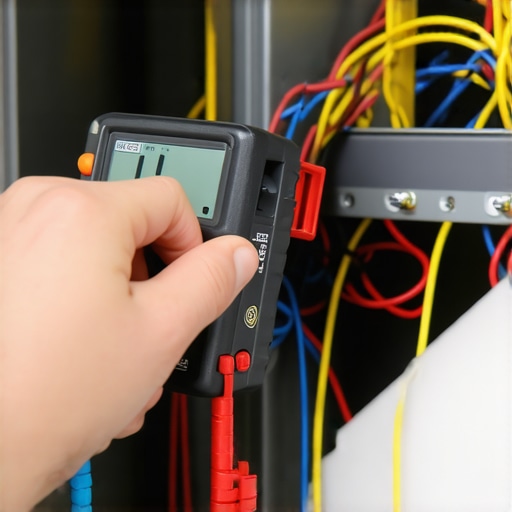
Incorporating these tools and practices into your routine not only preserves your dishwasher’s health but also helps solidify your warranty claims if issues arise. For example, documenting electrical tests with a multimeter can serve as strong evidence of proper maintenance. I recommend trying the advanced tip of checking your water inlet valve’s resistance with a multimeter—this simple step can preempt leaks and water damage, saving you costly repairs in the long run. Remember, proactive maintenance is your best defense against unexpected appliance failures and warranty denials.
What I Wish I Knew Before My First Dishwasher Repair
One of the biggest revelations was realizing that not all replacement parts are created equal; choosing the wrong one can void your warranty or cause further damage. This lightbulb moment pushed me to always verify compatibility and stick to manufacturer-approved components. Trust me, a small oversight here can lead to costly repairs and headaches down the line.
Another lesson was understanding that even a perfectly installed dishwasher needs regular check-ups—routine inspections of water inlet valves, door seals, and filters can prevent minor issues from escalating into major problems. Staying proactive saved me from unexpected breakdowns and kept my warranty intact.
I’ve also learned that the devil is in the details—proper leveling and secure connections might seem trivial but are vital to prevent leaks and ensure smooth operation. Skipping these nuances turned out to be a costly mistake; now, I treat installation with the seriousness it deserves.
Finally, I discovered that the most overlooked aspect of warranty protection is meticulous documentation. Taking clear photos during installation, keeping detailed records of repairs, and logging maintenance activities have been my strongest defenses when claims were challenged. It’s an extra step that pays off when you need to prove your diligence.
Related Posts

How to Prove Your Water Damage Was Caused by a Faulty Part
I'll never forget the moment I opened my kitchen cabinet…

Why Your Warranty Is Void Without a Dedicated Circuit
It was a typical Saturday morning when I finally hit…

4 Hidden Parts That Void Your Protection if Installed Incorrectly
I'll never forget the sinking feeling when my brand-new dishwasher…