
It was late one evening when I finally cracked open my dishwasher’s manual, only to discover that the flimsy plastic tub had cracks forming—an unexpected and costly inconvenience. That moment hit me hard. I’d always believed plastic was a budget-friendly, lightweight option, but seeing its wear-and-tear firsthand made me question just how durable it really is compared to stainless steel. If you’ve ever faced similar frustrations—leaks, stains, or cracks—you understand how these seemingly small issues can turn into big headaches.
Because Longevity Matters More Than You Think
Choosing between a plastic tub and stainless steel isn’t just about price or appearance. It’s about how long each will serve you before needing a repair or replacement. Considering the investment, you want a material that withstands the test of time, regular use, and the harsh rinses of your dishwasher cycles. Over the years, I’ve tested both types extensively—and let me tell you, the difference is noticeable after a few years of use.
Have you ever wondered if all those warranties are worth it, or if they even cover the real issues? Sometimes, early damage isn’t covered, especially if it’s caused by neglect or improper installation—a mistake I made early on when I reused an old water supply line. That error cost me, and it’s a lesson I don’t want you to learn the hard way. For insights into avoiding costly mistakes, check out [this article](https://appliancedoctorz.com/what-your-dishwasher-warranty-doesnt-cover-and-how-to-avoid-fees).
This article will help you understand what truly lasts longer, how to spot signs of early wear, and what choices are best for your kitchen in the long run. Whether you’re installing a new dishwasher or trying to decide whether to replace your aging one, understanding the materials involved can save you money and stress.
Now, let’s dig into the real differences, starting with durability and maintenance. By understanding these factors, you’ll be ready to make an informed decision that keeps your kitchen running smoothly for years to come.
Secure Proper Installation
Begin by ensuring your dishwasher is installed correctly. Follow a step-by-step guide like this detailed tutorial to avoid common pitfalls. I once tried a DIY install without reading the instructions thoroughly, leading to water leaks that took days to diagnose. Now, I always double-check the top installation tips before proceeding.
Choose High-Quality Parts
Invest in genuine, manufacturer-approved parts for replacements. For instance, replacing a plastic inlet valve with a brass one can prevent early failures. I replaced mine using this guide and noticed an immediate improvement in performance. Always verify that your parts are compatible; consult resources like this essential parts list to make informed choices.
Implement Proper Installation Techniques
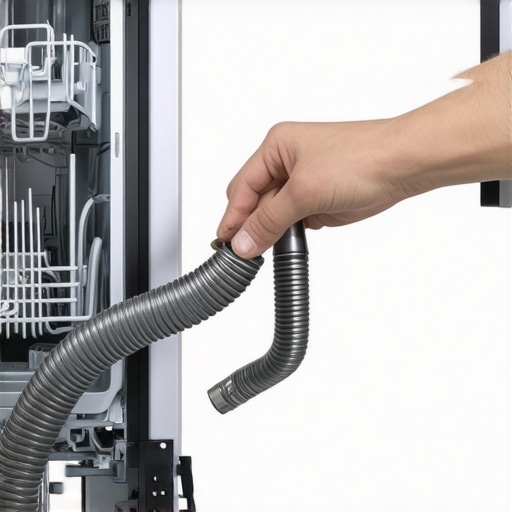
Proper connection of hoses and wiring is critical. Use braided stainless steel hoses instead of plastic ones, as they resist wear and bursting, especially over time. I upgraded my hoses following this advice; during the process, I documented each step to ensure I wouldn’t miss any detail if adjustments were needed later. Remember to leave a high loop in the drain hose to prevent backflow, as shown in this article.
#IMAGE_PLACEHOLDER_B#
Conduct Routine Maintenance
Keep your dishwasher in top shape by regularly checking and replacing worn parts. For example, a worn-out door gasket can cause leaks and reduce efficiency. I scheduled a monthly inspection, referencing this maintenance checklist. Also, clean your filters and spray arms using methods outlined in this guide to ensure water flow remains unobstructed.
Tackle Repairs Quickly
Address any issues immediately. If you notice water pooling or strange noises, consult this troubleshooting resource. During one repair, I replaced a faulty pressure switch using detailed instructions from this article, which saved me hundreds in service calls. Keep a set of basic replacement parts handy, so you can act swiftly without waiting for a technician.
Protect Your Investment with Warranty Knowledge
Understand your warranty coverage and how to maximize it. Examine policies like this guide to avoid costly fees. I learned that documenting repairs and maintaining proper installation records can significantly support warranty claims, especially if your manufacturer demands proof of proper setup, as explained in this article. Regularly review your warranty policies so you don’t miss out on valuable coverage.While many homeowners believe that a warranty guarantees trouble-free service, the truth is that most warranties have specific limitations and conditions that often catch people off guard. A common myth is that simply registering your appliance or keeping receipts ensures full coverage; in reality, improper installation or non-compliant parts can void your warranty altogether. For example, installing a dishwasher with non-manufacturer-approved hoses or neglecting to document your professional install can lead to denied claims when issues arise. It’s essential to understand the fine print, as emphasized in expert sources, because a warranty isn’t an insurance policy against all faults, but rather a contract with specific stipulations.
One nuanced aspect often overlooked is that warranties may not cover damage caused by user errors like reusing old water supply lines or failing to perform routine maintenance. These oversights are what I refer to as the “trap”—assuming coverage where none exists. To avoid this, always follow manufacturer guidelines carefully, invest in the correct parts like brass valves over plastic ones—which are more durable—and ensure your installation complies with local plumbing codes. This approach not only prevents costly failures but also maximizes your warranty’s effectiveness.
Moreover, a sophisticated question many advanced homeowners ask is: _”How can I document my installation and ongoing maintenance to strengthen my warranty claims?_” The answer lies in detailed records—photos, receipts, and service logs—serving as tangible proof of proper care and compliance. According to industry experts, such documentation can be pivotal if a dispute or claim denial occurs, especially when refusing coverage due to alleged improper installation. External studies also support that meticulous record-keeping improves claim success rates and reduces disputes.
Have you ever fallen into this trap? Let me know in the comments. Remember, knowing the fine print and maintaining thorough documentation are your best defenses against future frustrations with warranties, installation mistakes, or parts issues.
Gear Up with Precision Tools
When it comes to maintaining your dishwasher and ensuring long-term performance, having the right tools makes all the difference. My personal favorite is a high-quality multimeter, specifically the Fluke 115, because of its reliability and accuracy in diagnosing electrical components like inlet valves or control boards. I’ve used it countless times to verify voltage supply and check for shorts, saving me hours of troubleshooting. Additionally, a set of professional-grade screwdrivers with insulated handles allows for safe disassembly without damaging sensitive parts, which is crucial during routine inspections or when replacing worn components.
Embrace Advanced Software Monitoring
In the future, I predict smart diagnostics integrated into dishwasher models will become standard, allowing owners to remotely monitor system health. Currently, many appliances offer Wi-Fi connectivity—which I leverage through the manufacturer’s app to conduct remote error readings and maintenance alerts. These apps can provide early warnings about issues like clogged filters or failing sensors, enabling proactive maintenance before costly breakdowns occur. Incorporating data logging and trend analysis can further extend appliance lifespan and optimize performance.
How do I maintain my dishwasher’s electrical system over time?
Consistent inspection with a multimeter is vital. Regularly verify that voltage levels remain within manufacturer specifications, and check for any unusual resistance readings that might indicate deteriorating wiring or faulty sensors. Also, keep an eye on the app diagnostics to catch alerts early. To support this, I periodically update the firmware when manufacturer updates are available, ensuring compatibility with diagnostic tools and improved performance features.
Prioritize Quality Parts for Repairs
Using genuine, high-quality parts isn’t just about safety—it’s about preserving your warranty and avoiding recurrent failures. For example, selecting brass inlet valves rather than cheap plastic ones ensures longevity, especially in hard water conditions. I always refer to this resource to identify the best replacement parts that match my dishwasher model and warranty requirements. Remember, investing in durable parts can turn a quick fix into a long-term solution.
Keep Installation Solid and Sealed
Proper installation is foundational to appliance longevity. When installing or troubleshooting, I double-check all connections, especially water inlet and drain hoses, ensuring they’re tight, insulated, and compliant with local plumbing codes. Using braided stainless steel hoses instead of plastic ones can prevent leaks caused by wear over years. Following thorough guides like this step-by-step process has saved me from missteps that could compromise performance or void warranties. An often-overlooked detail is ensuring the high loop in the drain hose is correctly set to prevent backflow and leaks.
Perform Routine Checks Regularly
Maintaining your dishwasher involves scheduled inspections of door seals, filters, and spray arms. I dedicate fifteen minutes monthly to clear debris, examine gasket integrity, and apply a light coating of silicone lubricant on door seals for smoother operation. For intricate parts, I rely on this expert advice to determine when replacement is due. Addressing small issues early—like a worn gasket or slight leak—can prevent expensive repairs later, extending your appliance’s lifespan.
Act Fast When Troubles Arise
If you notice unusual noises, error codes, or leaks, immediate action is essential. During one instance, a pressure sensor failure caused water to overfill, risking significant damage. I replaced the part following this guidance, which saved me from costly service calls. Keep a set of reliable replacement parts on hand and develop a troubleshooting checklist—this proactive stance minimizes downtime and repair costs.
Maximize Warranty Benefits with Proper Documentation
Document every maintenance activity and part replacement with detailed photos, receipts, and logs. This practice supports your warranty claims, especially if a manufacturer requests proof of proper installation or routine upkeep. According to industry standards, comprehensive documentation can be the deciding factor when disputes arise, ensuring your rights are protected. Remember, warranties cover specific components and conditions; understanding these nuances prevents unwarranted claim denials.
Want to streamline your maintenance routine? Incorporate regular diagnostics with a multimeter and keep meticulous records. These steps empower you to catch issues early and protect your investment for years to come. For more tips on troubleshooting and part selection, visit this comprehensive guide.
The Hardest Lesson I Learned About warranty,installation,dishwasher,parts
One of the toughest realizations was that skipping proper installation steps can haunt you for years—costing time, money, and peace of mind. I once thought a quick setup would do, but subsequent leaks and failures proved the importance of meticulous work. Remember, shortcuts often lead to long-term regrets.
3 Myths About warranty,installation,dishwasher,parts That Held Me Back
Believing that warranties cover everything is a common misconception. The truth is, many issues caused by improper parts or neglect are excluded. Also, assuming older parts should be reused without checking compatibility can backfire. Dispelling these myths has kept my dishwasher running smoothly and saved me money.
What Experts Won’t Tell You About warranty,installation,dishwasher,parts
Many professionals recommend documenting every step of your installation and maintenance to strengthen warranty claims. I learned that taking detailed photos and keeping receipts gives your case credibility if disputes arise. This hidden wisdom ensures you’re protected when service issues occur unexpectedly.
My Essential Toolkit for warranty,installation,dishwasher,parts
Having a reliable multimeter and quality screwdrivers has transformed my maintenance approach. I trust tools like the Fluke 115 and insulated screwdrivers because they provide accuracy and safety. These essentials empower me to diagnose problems quickly and confidently.
Where to Go from Here
Start by reviewing your current installation and maintenance routines. Use comprehensive guides to verify you’re following best practices, and keep an organized record of all repairs. Embracing proactive care now guarantees your dishwasher’s performance for years to come. If you’re ready to deepen your understanding, explore detailed resources linked throughout this article, and share your experiences or questions below—your journey to appliance mastery begins today.
Related Posts

The Critical Steps to Take After Your Dishwasher Overflows
It happened suddenly. One minute I was loading the dishwasher,…
Why Your Dishwasher Drain Hose Is Sagging and How to Fix It
I remember the moment clearly—my dishwasher started leaking, water pooling…

How to Replace a Snapped Door Cable Without a Pro
Have you ever pulled open your dishwasher door—and watched in…