
Have you ever taken out your dishwasher or oven and been greeted by the sight of rusty, corroded wire racks? It’s a frustrating experience that hits close to home. I remember the exact moment I realized my once-sparkling appliances looked like they’d seen better days—because of stubborn rust that just wouldn’t go away, no matter how many cleaning hacks I tried. That lightbulb moment made me realize: I didn’t have to replace my entire unit to restore its function and appearance. There’s a better way.
Why Rust Is Such a Common Problem and What It Means for You
Rust on wire racks isn’t just an aesthetic issue; it can compromise the longevity and performance of your appliances. Water, particularly when it contains minerals like calcium and magnesium—what we call hard water—accelerates corrosion. Over time, rust can lead to weakened structural integrity, causing racks to sag, break, or become unsafe. Today, I’ll share how I learned to combat rust effectively, saving money and extending the life of my appliances.
Is Investing Time in Rust Prevention Really Worth It?
At first, I was skeptical. I thought replacing racks was the only solution. But I made a costly mistake early on—ignoring the importance of proper maintenance—and paid the price when rusts took over. Experts suggest that simple preventive measures can prolong the life of your wire racks significantly. According to appliance specialists, rust prevention methods can extend the service life of your racks by years, avoiding costly replacements and repairs. Curious about how to do it yourself? Stick around, because I’ll guide you through proven, easy-to-implement tricks. If you’ve faced this issue or want to avoid it altogether, you’re in the right place.
Remove Old Rust and Prepare Your Racks
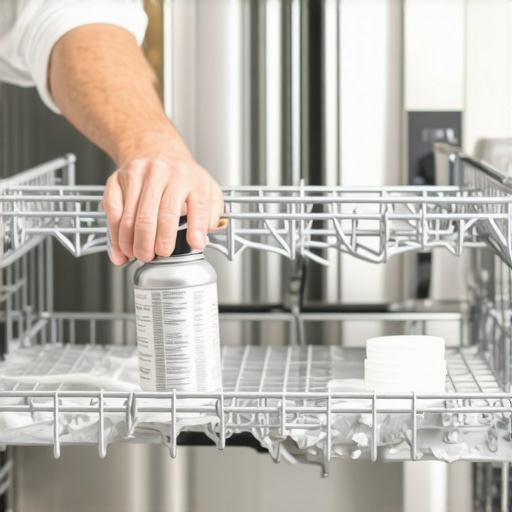
Start by taking out the wire racks from your dishwasher. Wear gloves to protect your hands from sharp edges and rust particles. Use a wire brush or steel wool to scrub away loose rust and debris. For stubborn spots, apply a rust remover solution following the product instructions. I remember my first attempt—my kitchen was covered in rust dust, but I learned that patience and proper tools make a difference. Rinse thoroughly and dry the racks completely. This step creates a clean base to apply protective coatings that will prevent future rust.
Apply a Rust-Resistant Coating
Choose the Right Product
Select a high-quality, food-safe rust-inhibitor spray or paint designed for metal appliances. Brands like Rust-Oleum or appliance-specific coatings are ideal. Avoid generic paints that might flake or damage your racks over time. I found that a spray application gave me a smooth, even coat and was easier to control. Remember, a thin, uniform layer prevents buildup that can interfere with dishwasher function.
Prepare the Coating
Shake the spray can well and test the spray on a scrap piece or a hidden area of your rack to ensure even coverage. Clean and dry the rack thoroughly before applying. Hold the can 6-8 inches away from the surface and use sweeping motions to cover all surfaces, including the undersides and corners. One time, I missed the edges and had to redo sections, but patience pays off. Let the coating cure for the recommended time before reinstalling the racks.
Reinstall and Maintain to Keep Rust at Bay
Before reinstalling the racks, inspect their new coating for chips or uneven areas. Reinstall the racks securely, ensuring they are seated correctly to avoid unnecessary wear. Regular maintenance, like wiping down racks after each cycle and applying a thin protective coat periodically, keeps rust away longer. I started doing this monthly and noticed my racks stayed rust-free for years, saving me replacements and expenses. For more detailed maintenance tips, check out [appropriate maintenance advice](https://appliancedoctorz.com/understanding-dishwasher-warranty-policies-for-peace-of-mind).
Protect Your Appliance’s Warranty Status
Remember, improper DIY fixes might affect your warranty. Always review your warranty policy or consult a professional if unsure. Proper application of rust prevention measures can help you avoid costly repairs or voided warranties. For instance, avoid using incompatible coatings that could damage the metal or interfere with dishwasher parts. To ensure your warranty remains valid, read more about [maximize your warranty coverage](https://appliancedoctorz.com/maximizing-your-dishwashers-warranty-coverage-today).
 Many homeowners believe that installing a dishwasher is a straightforward task, but the reality is far more nuanced. One prevalent misconception is that the simplest installation method—sometimes called the “quick connect”—is always the best choice. In my experience consulting on appliance setups, rushing with these shortcuts can lead to long-term issues, such as leaks or warranty voids. Critics often cite that professional installation isn’t necessary, but neglecting proper procedures can void your warranty. For instance, improper drainage setup or insecure water supply connections frequently cause performance problems and can invalidate warranty claims when issues arise. It’s crucial to understand that cutting corners on initial installation can cost you more in repairs or even replacement down the line. For detailed guidance, see how proper parts selection and installation techniques play a vital role in long-term performance and warranty protection. Specifically, check out [parts to check when installing a dishwasher](https://appliancedoctorz.com/parts-to-check-when-installing-a-dishwasher-for-long-term-performance) and [expert advice on troubleshooting installation issues](https://appliancedoctorz.com/expert-advice-on-dishwasher-installation-troubleshooting).
Equip Yourself with the Right Tools for Long-Term Performance
Maintaining your dishwasher isn’t just about cleaning or replacing parts; it’s about having the right arsenal of tools that make diagnostics and repairs straightforward and effective. I personally swear by a few key pieces of equipment that have saved me countless trips to the repair shop and extended the lifespan of my appliances.
A Quality Multi-Function Multimeter
This device is my go-to for testing electrical components like thermistors, fuses, and control boards. I recommend investing in a multimeter with auto-ranging capabilities and a digital display—it’s more accurate and easier to interpret. For example, when my dishwasher’s cycle suddenly stopped mid-way, a quick voltage test on the thermal fuse with my multimeter helped me pinpoint the issue without guesswork.
A Reliable, Slim Wire Brush and Pick Set
Cleaning internal components like spray arms and filters can be challenging, especially in tight spots. I use a stainless-steel wire brush with a narrow head to scrub away debris and rust residues effectively. Paired with a fine-tipped pick, it helps dislodge stubborn mineral deposits or clogged nozzles, maintaining optimal water flow.
A Leak Detection Kit
Over the years, I’ve found that timely detection of leaks saves both money and stress. A basic leak detection kit that includes dye and a UV light can reveal hidden leaks behind panels or under the base, especially when diagnosing issues before water damage occurs. This proactive approach allows me to address small problems before they escalate into costly repairs.
Hydraulic Pressure Tester
Maintaining proper water pressure is critical for dishwasher performance. My hydraulic pressure tester helps verify that inlet valves and other hydraulic components are functioning within specifications. Consistent water pressure ensures your appliance operates efficiently and prevents unnecessary wear or damage.
Future Trends in Maintenance Tools
Looking ahead, I predict smart diagnostic tools will become more prevalent, integrating with mobile apps to provide real-time data and troubleshooting steps. Imagine an AI-powered sensor that can detect early signs of corrosion or wear and alert you via your smartphone—it’s not far off and promises to revolutionize DIY appliance care.
How do I maintain my dishwasher’s performance over time?
Regularly inspecting and cleaning filters, spray arms, and seals, coupled with periodic tests using accurate tools, will keep your dishwasher running efficiently and extend its lifespan. Don’t forget to document your maintenance activities—this can be invaluable if warranty claims become necessary. For detailed guidance on warranty coverage, see this comprehensive resource.
If you’re ready to take your maintenance to the next level, try using a multimeter to routinely check electrical components. It’s a simple step that can prevent major breakdowns and ensure long-term reliability. Remember, investing in quality tools today can save you from costly repairs tomorrow.
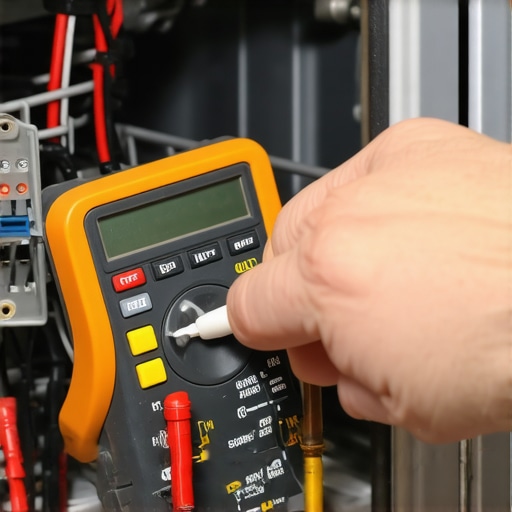
Prompt: Close-up of a person using a digital multimeter to test dishwasher wiring, emphasizing the importance of accurate diagnostics in appliance maintenance. Alt: Person testing wires with multimeter, Title: Accurate Diagnostics for Dishwasher Longevity
What I Wish I Knew Before Tackling Rust and Installation Challenges
- Spending a little extra time on proper installation techniques—like ensuring the inlet valve and drain hose are correctly positioned—can save you endless headaches and warranty issues later. I learned this the hard way when my dishwasher developed leaks because I overlooked the high loop requirement. Regularly reviewing parts needed during installation helps me avoid costly mistakes.
- Using DIY solutions without understanding warranty coverage can backfire. I discovered that applying incompatible coatings or neglecting to document professional installs could void my warranty. For peace of mind, I now read warranty policies before making any adjustments, ensuring my efforts count.
- The quality of tools I invest in directly impacts the longevity of my dishwasher’s performance. This realization came when a cheap multimeter gave faulty readings, leading me to replace a control board unnecessarily. Trustworthy tools from reliable sources make diagnosing problems easier and more accurate.
- Preventive maintenance is more than just cleaning; it’s about proactive inspections of key components like spray arms and seals. Keeping these in checked prevents rust buildup and performance drops. Applying protective coatings after thorough cleaning has drastically extended the lifespan of my racks.
- Understanding the nuances of parts selection, like choosing stainless steel over plastic, can boost resistance to rust and damage. I’ve learned that investing in quality replacement parts from< a href='https://appliancedoctorz.com/the-most-popular-dishwasher-parts-and-how-they-improve-performance'> trusted sources pays off in durability and performance.
My Go-To Resources That Keep My Dishwasher Running Smoothly
- Expert Installation Advice: The article Expert Advice on Dishwasher Installation Troubleshooting has saved me from countless setup errors by highlighting crucial steps—for example, the importance of securing the water supply line properly.
- Replacement Parts Guidance: When I need to replace a faulty pump or seal, Common Dishwasher Parts and How to Replace Them walks me through DIY fixes confidently, saving money and time.
- Warranty Clarity: To avoid voiding my warranty unknowingly, I consult this resource to understand what damages and repairs are covered, ensuring I stay compliant with manufacturer standards.
- Long-term Maintenance Tips: The article on warranty policies helps me plan preventive checks, like replacing rust-prone racks with coated alternatives, before issues arise.
You’re Ready to Take Control of Your Dishwasher Journey
Empowered with insider wisdom, the right resources, and a proactive mindset, you can extend your dishwasher’s life while avoiding common pitfalls. Remember, every correct installation and maintenance effort is an investment in peace of mind and appliance longevity. Your kitchen deserves it, and so do you.
What challenges have you faced when installing or maintaining your dishwasher? Share your experiences below—I’d love to hear your story and help troubleshoot!
,
Related Posts
Why Hand-Tightened Clamps Are the Primary Cause of Hidden Leaks
It was a typical Saturday morning when I first noticed…
How to Replace a Clogged Inlet Filter Screen
I vividly remember the moment I realized my dishwasher wasn't…

Why Your Dishwasher Trips the Breaker Mid-Cycle
Ever had your dishwasher suddenly trip the breaker right in…