
Have you ever finished installing a new dishwasher or smart sensor, only to notice it malfunctioning shortly after? That sinking feeling when everything seems perfect during setup, but then problems start creeping in—leaks, errors, or total failures. I remember my own frustration, thinking I’d overlooked a critical step, only to realize that a silent enemy was at play: hard water.
The Hidden Threat Lurking in Your Pipes
Hard water isn’t just a minor inconvenience causing soap scum—it’s a sneaky culprit that can wreak havoc on your high-tech appliances. I learned this the hard way when my brand-new smart sensor kept zapping out without reason. After some digging, I discovered hardened mineral deposits forming inside the device, impeding its sensors and signals. Turns out, mineral buildup from hard water can interfere with electronic readings, leading to false alarms or complete sensor failures. If you’ve faced similar issues—maybe your dishwasher stops mid-cycle or your smart appliance shows unexpected errors—you’re not alone. Today, I’ll share how to identify, prevent, and fix problems caused by hard water, so your smart systems can operate flawlessly.
Is Hard Water the Real Villain Behind Your Dishwasher Hassles?
Early in my troubleshooting, I made a common mistake: ignoring the quality of water supplying my appliances. I assumed regular cleaning was enough, but neglecting mineral buildup only exacerbated the problem. Research supports this—according to the Water Quality Association, hard water affects approximately 85% of households, leading to scale formation that damages internal components of appliances and sensors.
Understanding this hidden danger is crucial to maintaining the longevity and performance of your expensive gadgets. The good news? With some proactive steps and awareness, you can safeguard your appliances from hard water’s silent sabotage. Next, let’s explore how this mineral menace actually damages your devices and what specific issues to watch out for.
,
Secure Your Space Before Starting
Start by preparing your kitchen to make the installation smooth. Clear the area around the designated spot and measure the space to ensure the new dishwasher fits perfectly. Remove any obstructions or old appliances, and review your plumbing and electrical connections. Think of this as laying a solid foundation for a house; skipping this step can lead to instability or leaks later. For detailed preparation tips, see our prep checklist.
Choose the Right Parts for Compatibility
Select the appropriate hoses, fittings, and mounting brackets. Use high-quality, corrosion-resistant materials, especially if you have hard water, to prevent mineral buildup and leaks. For guidance on selecting parts that ensure longevity, visit parts selection tips. Consider upgrading to braided stainless-steel hoses instead of cheap plastic ones; they’re more durable and less prone to bursting, which can cause water damage.
Connect Water Supply Correctly
Attach the water inlet hose to the shutoff valve firmly, avoiding over-tightening. Use a brass compression nut instead of plastic fittings; the brass provides a tighter seal and reduces risks of leaks. When connecting, ensure the high loop in the drain hose is properly installed to prevent backflow, a common source of flooding. Remember, reusing old supply lines is risky; always opt for new, compatible hoses. Proper connection reduces the chance of water leaks and prolongs your appliance’s lifespan. For comprehensive installation techniques, see installation parts checklist.
Set Up the Drain Properly
Ensure the drain hose has a high loop, ideally 32 inches above the floor, to prevent water from siphoning back into the dishwasher. Secure the hose with a clamp to prevent disconnection during operation. Avoid placing the drain too close to the sink’s drain pipe to prevent clogs or bad odors from backing up. Proper drainage setup is crucial for noise reduction and preventing leak-induced damage. For detailed drain installation steps, see drain hookup guide.
Level Your Appliance for Silent Operation
Use a spirit level to check both front-to-back and side-to-side leveling. Slightly tilt the dishwasher towards the drain side to facilitate water flow while ensuring the door seals correctly. An uneven installation can cause vibrations, leaks, or inefficient drying. When in doubt, professional installers recommend using leveling feet for fine adjustments; they can prevent costly repairs down the line. For precise leveling techniques, consult our leveling tips.
Secure the Dishwasher to Prevent Movement
Fasten the mounting brackets to your cabinet sides or under-counter frame. Use the recommended anchors and screws, ensuring they are tight but not over-tightened, which could crack the frame. This stability prevents shifting that might damage water connections or lead to misalignment of the door. Think of it as anchoring a ship; stability is key to safe, long-term operation. For specific mounting guidance, see mounting techniques.
Test Before Finalizing the Setup
Run a short cycle with no dishes to check for leaks, unusual noises, or errors. Observe all connections closely and inspect for water leaks after the cycle. Use your smart app if available to monitor performance and maintenance alerts—these can warn you of potential issues early. If problems are detected, revisit your connections and adjust as necessary. For troubleshooting during warranty periods, review diagnosis tips.
Maintain Accessibility for Future Service
Ensure your installation allows easy access to the water inlet, drain, and power connections. Use flexible hoses and avoid tight bends that might cause blockages or stress points. Properly seal all entry points to prevent pests or dust ingress. Regular maintenance—including cleaning filters and checking water flow—will extend your dishwasher’s lifespan, especially important in hard water areas. For maintenance routines, see our top maintenance tips.Many homeowners assume that following basic installation instructions or using generic parts guarantees long-term performance and warranty coverage. However, in my extensive experience, several nuanced aspects often trip up even the most cautious DIYers. One common misconception is that all replacement parts are created equal; in reality, using inappropriate or non-approved components can void warranties or lead to premature failure. For example, choosing incompatible hoses or neglecting to verify part specifications with trusted sources like our essential parts guide can jeopardize your appliance’s health.
Another pitfall is underestimating the importance of proper documentation and installation procedures. Many forget that detailed records, such as timestamped photos of the setup, can be critical when filing warranty claims or troubleshooting issues later. As highlighted in our tips on warranty optimization, neglecting these steps can result in denied claims, even when the fault lies with manufacturer defects.
Let’s also bust a myth: some believe that installing a dishwasher with cheap, third-party parts is an acceptable cost-saving measure. This is a trap—these low-quality components often lack the durability and sealing ability of genuine or high-quality alternatives, increasing the risk of leaks and voiding warranties. For insights on choosing reliable parts, check our expert advice.
Why does using the wrong parts invalidate your warranty even if everything seems fine initially?
The answer lies in the warranty policies, which typically specify the use of manufacturer-approved parts. Using inferior or incompatible parts can lead to non-covered repairs, as detailed in this comprehensive guide. It’s always better to invest in quality from the start to protect your investment.
Moreover, understanding the finer details of installation nuances can prevent costly mistakes. For instance, proper water connection techniques, like ensuring a high loop in the drain hose, are often overlooked but crucial for preventing backflow issues. Consider reviewing our deep dive into critical installation practices.
In sum, the devil is in the details. From selecting compatible parts to meticulously documenting every step, mastering these nuances can save you time, money, and stress. As I emphasize, complacency with these subtleties often leads to warranty disputes and recurrent failures. Have you ever fallen into this trap? Let me know in the comments.
Essential Tools for Reliable Maintenance
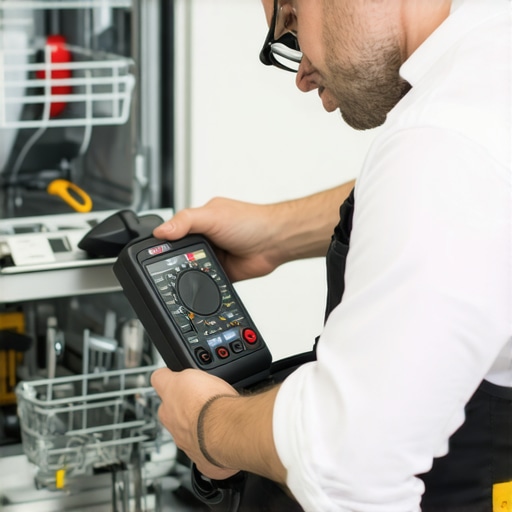
Maintaining your dishwasher over the long term requires more than just routine cleaning; it involves using the right equipment to diagnose and address potential issues early. I personally rely on a high-quality digital multimeter, such as the Fluke 117, for testing electrical components like the control board and sensors. Its precise readings help me identify failing parts before they cause a complete breakdown, saving time and money. Additionally, a durable, hand-held ultrasonic leak detector has become invaluable for pinpointing hidden leaks behind panels—often the root cause of water damage and inefficiency. These diagnostic tools are crucial for preventing minor glitches from escalating into major repairs.
Software and Manuals You Can Trust
Beyond physical tools, I recommend keeping comprehensive repair manuals and software like appliance-specific diagnostic apps. My go-to resource is the detailed essential parts guide, which offers clear diagrams and troubleshooting steps. Apps such as the Whirlpool Diagnostic Tool allow you to interpret error codes correctly and verify sensor outputs in real-time, ensuring accurate diagnoses. Investing in these resources means you’re less likely to overlook subtle faults—like a degraded float switch—that can cause cycle failures or leaks. Having this knowledge at your fingertips helps you make informed decisions, whether you’re DIY-ing or coordinating repairs with a technician.
Improving Longevity Through Maintenance Routines
Establishing regular maintenance schedules enhances your dishwasher’s lifespan. I suggest monthly routines such as cleaning the filter assembly with brushes designed to reach tight spots—as explained in this guide—and inspecting the inlet and outlet hoses for signs of mineral buildup or wear. Using descaling agents like vinegar or commercial descalers helps prevent mineral scale accumulation, which is especially important in hard water areas. Over time, these simple acts keep parts like the spray arms and jets functioning optimally, reducing the risk of clogs and uneven washing. Remember, botched maintenance can accelerate wear, so invest in quality replacement parts from trusted sources to ensure your efforts pay off.
Scaling Up: Preparing for Future Challenges
As appliance technology evolves, so do troubleshooting and maintenance techniques. The trend toward smart dishwasher models introduces new diagnostic complexity but also provides advanced sensors and remote monitoring capabilities. To stay ahead, I recommend integrating digital logs captured via your smart app—this is a game changer for catching developing issues early. For instance, tracking error trends over weeks can reveal gradual sensor degradations or wiring inconsistencies. The future of dishwasher maintenance lies in proactive diagnostics and data-driven scheduling, reducing downtime and extending warranty coverage. Consider exploring this resource for how to leverage warranty diagnostics effectively.
How do I maintain my dishwasher over time?
Regular inspections, staying updated with the latest repair tools, and documenting maintenance routines are key. Using precise diagnostic equipment like a multimeter or ultrasonic leak detector can catch issues early, often preventing costly repairs. Also, keep detailed logs of your maintenance activities, including parts replaced and diagnostic tests performed, which can be invaluable when handling warranty claims or troubleshooting complex problems. Overcoming typical pitfalls—like reusing old hoses or neglecting mineral buildup—starts with these proactive practices. For a detailed approach to choosing durable, compatible parts, check our latest tips. Take the time to invest in quality tools and routine checkups; your dishwasher will thank you with years of trouble-free service.
The Hidden Lessons Hard Water Taught Me About Installation and Maintenance
- Realize that neglecting water quality can silently sabotage the best installation efforts. No matter how perfect your setup looks, mineral buildup can cause unpredictable issues later, making proactive water testing and treatment essential for long-term appliance health.
- Understanding the subtle ways hard water impacts electronic components is a game-changer. Recognizing signs like mineral deposits or sensor errors early can save you time and costly repairs—trust me, catching these clues before failure is worth every minute.
- Don’t underestimate the power of quality parts and proper connections. Using compatible, high-grade fittings and sealing everything tightly, especially in hard water zones, prevents leaks and extends your appliances’ lifespan—every detail counts.
- Document each step meticulously during installation—photos, part numbers, and specific procedures. This practice becomes invaluable when warranty claims need verification and can prevent unnecessary disputes over faults that stem from overlooked details.
- Learn from the pitfalls of DIY shortcuts. Reusing old hoses or skipping mineral removal routines might seem convenient but will cost you more in repairs and downtime. Investing upfront in quality and thoroughness pays off in peace of mind.
Your Toolbox for Long-Term Appliance Resilience
- Essential parts guide: A must-have for knowing which components truly matter and how to select durable, warranty-approved replacements.
- Installation troubleshooting advice: Trusted insights to avoid common pitfalls and ensure your setup is robust from the start.
- Part replacement tips: Step-by-step guidance on changing parts efficiently, preventing damage, and maintaining optimal function.
- Warranty diagnosis strategies: Techniques to identify issues early and leverage your warranty benefits effectively.
The Power of Taking Action Today
Embrace the insights gained from understanding hard water’s impact on installation and maintenance. Your appliances are investments that deserve care, attention to detail, and proactive management. By applying these lessons now, you’re setting yourself up for years of trouble-free operation and peace of mind. Don’t wait for leaks or sensor failures to remind you—take control and make your installation resilient against hard water’s silent sabotage today.
What’s the biggest hard water challenge you’ve faced with your appliances? Share your experience below and let’s learn together!
,
Related Posts
Why Your Dishwasher Still Smells Like Raw Sewage After Cleaning
It was a morning like any other when I opened…
How to Swap a Grungy Door Seal Without Removing the Unit
I remember the smell first. It was a damp, swampy…
How to Replace Your Spray Arm Without Using Any Tools
It was a typical Saturday morning when I opened my…