
One evening, as I opened my dishwasher, I noticed a strange smell—a mix of old soap and dampness. I had always thought I was doing enough by tossing in any eco-friendly detergent and hoping for the best. But that night, I realized my habits might be sabotaging my efforts to save the environment and my wallet. It was a lightbulb moment. I started digging into what truly makes dishwashing eco-friendly and realized I was making some common mistakes. Today, I want to share with you how to make your dishwashing routine not only more sustainable but also more efficient, saving you money and reducing waste.
Why Your Dishwashing Habits Matter More Than You Think
Many of us assume that using eco-friendly detergents is enough. However, how we install, maintain, and operate our dishwashers plays a crucial role in truly benefiting the environment. From proper installation to selecting the right parts, each step influences water and energy consumption. Did you know that incorrect installation can increase water use by up to 30%? According to a report from the Environmental Protection Agency, proper maintenance and installation can significantly cut energy and water bills, making eco-friendly practices more effective. Have you ever faced issues like persistent leaks or poor cleaning despite using green products? If so, you’re not alone.
Is Eco-Friendly Dishwashing Really Worth the Hype?
When I first tried switching to eco-friendly practices, I worried it might be a lot of fuss for minimal gain. Those early mistakes—such as overloading the dishwasher or using the wrong rinse aids—cost me extra water and energy, ironically negating the benefits. That’s a common mistake I see many homeowners making early on. To truly harness the power of eco-conscious dishwashing, you need to go beyond just the products you use. Proper installation, understanding your dishwasher parts, and regular maintenance are just as vital. Curious about which parts to check or how to avoid costly repairs? You can explore detailed guides like essential dishwasher parts for troubleshooting.
Now, let’s get into the practical steps you can take to turn your dishwashing routine into an eco-friendly powerhouse—saving water, reducing energy, and prolonging your appliance’s life.
Secure Proper Installation for Peak Efficiency
Think of your dishwasher like a high-performance car; if not installed correctly, it won’t run smoothly. I remember when I first installed mine, I overlooked the importance of leveling the unit—causing vibrations and leaks. To avoid this, refer to top installation tips and ensure your appliance is perfectly level. First, check your kitchen’s floor for levelness using a spirit level. Then, follow step-by-step DIY guide to secure your dishwasher properly, avoiding costly repairs and water wastage.
Choose and Prepare the Right Parts
Selecting quality parts isn’t just about durability; it maximizes your warranty coverage. I once replaced a water inlet valve with a cheap aftermarket version, only to face leaks and poor performance. That’s why understanding parts’ roles is vital. Check out popular dishwasher parts and their impact on efficiency. When shopping, look for OEM or warranty-covered components. Before installation, inspect your existing parts—such as hoses and gaskets—to ensure they’re in good shape. Proper parts selection helps you avoid leaks and extend your machine’s lifespan, ultimately aligning with eco-friendly goals by preventing water waste.
Install with Precision to Avoid Waste
Installations are the foundation of eco-friendly operation. A poorly connected water inlet hose can lead to leaks and overuse. Use the correct connectors and fittings, tighten to the recommended torque, and double-check all connections. During my last install, I used a torque screwdriver to tighten compression fittings, ensuring there were no leaks—saving water and energy. Remember, a high-quality high-loop drain prevents backflow and reduces wastewater; it should be secured with a clamp to keep it in place. Precise installation reduces cycle times and water usage, making your routine more sustainable.
Maintain and Troubleshoot Regularly
Consistent maintenance preserves efficiency. I’ve learned that cleaning the turbidity sensor every six months prevents extended cycle times and unnecessary water use. Use simple cleaning techniques to keep sensors working optimally. Also, inspect and replace worn parts like door seals and spray arms according to performance guides. Regular checks prevent leaks and breakdowns that increase resource consumption. Keeping your dishwasher in top shape ensures each cycle runs efficiently, reducing water and electricity bills.
Leverage Warranty and Professional Support
Understanding your warranty is key to long-term savings. I once faced an issue with a faulty water inlet valve; I was able to claim a free replacement because I documented my warranty coverage. Keep records of installation receipts and maintenance logs. If complex repairs arise, consulting a professional ensures proper parts installation, which is critical for warranty validity. Avoiding improper fixes protects both your appliance and the environment by preventing wasteful replacements and repairs. Explore essential troubleshooting tips to diagnose issues early and stay within warranty parameters, saving resources in the process.Many homeowners believe that purchasing a high-quality dishwasher or using the correct warranty coverage ensures a trouble-free experience. However, in my extensive experience, there are critical nuances often overlooked—discussions that can save you money, time, and frustration. For instance, a frequent misconception is that all parts are covered equally under warranty. In reality, many warranties exclude certain components like filters or seals, despite their importance in maintaining efficiency. To learn more about maximizing your warranty coverage, visit this comprehensive guide. Understanding these fine print details is fundamental to avoiding unexpected repair fees.
What do most people get wrong about installing their dishwasher for durability?
A common trap is assuming that professional installation is unnecessary or that any handyman can do it correctly. While DIY can work, improper leveling or incorrect connections can lead to leaks, inefficiency, and premature part failure. For instance, not securing the high-loop drain properly can cause backflow issues, increasing water usage and risking damage. A precise setup is crucial; refer to these expert tips to avoid costly mistakes. One advanced mistake I’ve seen is neglecting to check the alignment of internal spray arms, which can cause uneven cleaning and overuse of water. Proper installation isn’t just about positioning the unit; it’s about optimizing every component for longevity and eco-efficiency.
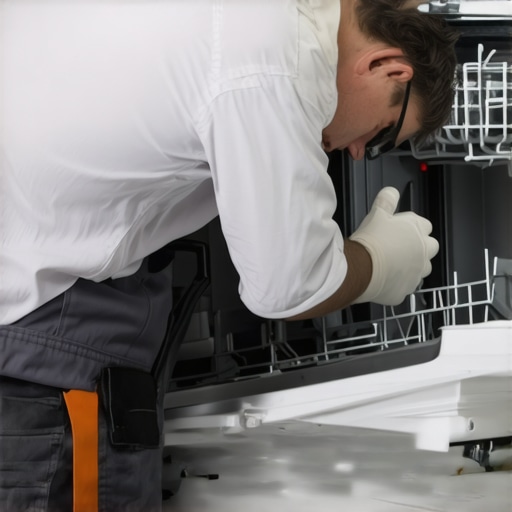
Another subtle yet significant point revolves around selecting the right parts during repairs. Many default to aftermarket components, assuming they’re interchangeable. However, not all parts are created equal—OEM or warranty-covered parts guarantee compatibility and performance. Forsaking this can cause leaks or damage that isn’t covered by warranty, leading to expensive fixes. To prevent this, always reference this list of warranty-covered parts before purchasing replacements.
Additionally, understanding your warranty’s scope matters. Many think that all issues are covered, but some repairs—like those caused by improper installation or incorrect part selection—are excluded. Be proactive: document your maintenance and installation procedures. This record-keeping can be vital if a dispute arises and you need to file a claim. For detailed advice, see how to maximize your warranty coverage effectively.
In the end, mastering these nuanced aspects of dishwasher care and warranty management transforms you from a casual user into a knowledgeable owner. By paying attention to installation precision, part quality, and warranty policies, you can extend your appliance’s lifespan while reducing costs. Have you ever fallen into this trap? Let me know in the comments.
Whipping Your Dishwasher into Shape with the Right Tools
Keeping your dishwasher running smoothly over the years requires more than just routine cleaning; it demands precision and the right equipment. Personally, I swear by a high-quality multimeter when diagnosing electrical issues or verifying that control boards are functioning correctly. It’s an indispensable tool that allows me to check continuity, test fuses, and ensure power flows as it should, saving me time and unnecessary replacements.
Another favorite is a set of quality torque screwdrivers. Proper torque application during installation and repairs prevents leaks and damage, especially when working with delicate plastics or aluminum fittings. I recommend investing in a digital torque wrench with adjustable settings, which provides accuracy to within 2%. This investment ensures that every connection, from water inlet fittings to spray arms, is secured just right—neither too tight nor too loose.
For routine maintenance, a dedicated ultrasonic cleaner is remarkably effective at removing stubborn deposits from spray arms and nozzles. Over time, mineral buildup can clog tiny jets, impairing cycle efficiency. Using ultrasonic cleaning solution, I gently restore these parts to near-original condition, which enhances cleaning performance and reduces water and energy usage—a vital step towards eco-friendly operation.
Predicting Future Trends in Dishwasher Maintenance
Looking ahead, I believe that smart diagnostic tools will become standard for residential dishwashers. Devices capable of connecting to your Wi-Fi network will automatically alert you to potential issues before they escalate, based on sensor data and machine learning algorithms. These innovations will make preventative maintenance more accessible, helping extend appliance lifespan and reduce waste.
How do I maintain my dishwasher over time?
Consistent upkeep involves scheduled inspections of hoses and seals, replacing worn parts like door gaskets before leaks occur. Keeping an eye on sensor cleanliness, such as turbidities, ensures optimal operation. Additionally, maintaining proper water softening levels, especially in areas with hard water, prevents mineral buildup. For guidance tailored to your specific model, consult this resource.
If you want an immediate boost in maintenance efficiency, try using a precision torque screwdriver during your next repair or installation. Properly securing fittings now prevents costly issues down the line and keeps your dishwasher performing at peak efficiency for years to come. For detailed steps on how to do this safely and effectively, check out this guide.
What I Wish I Had Known from the Start
One of my biggest revelations was realizing that a proper installation sets the foundation for efficiency and longevity. Skipping this step often leads to leaks or overuse of resources, undermining my eco efforts. I also learned that investing in quality, OEM parts not only enhances performance but also saves money in the long run—an eye-opening lesson that changed how I shop for replacements. Additionally, I uncovered how regular maintenance, like cleaning sensors and inspecting seals, can prevent small issues from escalating into costly repairs. Finally, understanding the nuances of warranty coverage empowers me to avoid unnecessary expenses, turning a routine task into a smart financial decision.
Tools and Resources That Transformed My Approach
My go-to toolkit now includes a digital torque screwdriver—ensuring all fittings are secured perfectly without damage. I also rely on a multimeter to troubleshoot electrical issues confidently, saving time and avoiding unnecessary replacements. For repairs and installation guidance, I turn to trusted resources like top installation tips and popular parts guides. These have been instrumental in making each project smoother and more eco-conscious. Lastly, periodically reading detailed warranty policy articles helps me understand my coverage and avoid pitfalls that cost both the environment and my wallet.
Your Path to Eco-Efficient Dishwashing Starts Today
Embracing these insights has empowered me to make smarter choices every time I load my dishwasher. I believe that with a bit of knowledge and the right tools, anyone can significantly reduce their water and energy footprint. Remember, small adjustments—like proper leveling, quality part selection, and regular sensor cleaning—add up to a more sustainable routine that benefits you and the planet. Now, it’s your turn to give these strategies a try and see the difference they make in your home. Are you ready to transform your dishwashing habits into a powerhouse of eco-efficiency? Share your experiences or questions below—I’d love to hear from you!
Related Posts
Why Modern Machines Use Less Water Than Your Kitchen Sink
It was strike of genius—or maybe stubbornness—that led me to…
The Proper Way to Clean Your Unit Without Harsh Chemicals
I will never forget the Tuesday my kitchen smelled like…

The Best Eco-Friendly Alternatives to Traditional Rinse Aids
I vividly remember the moment I realized my dishwasher wasn't…