
I remember the sinking feeling when my dishwasher stopped mid-cycle, and I was handed a rejection letter for my warranty claim. It felt like hitting a wall, especially after spending hours troubleshooting and gathering evidence. Have you ever been there—thought you’d fixed the issue just to get told that your claim was denied? It’s frustrating, disheartening, and sometimes, downright confusing.
Why do warranty claims get rejected, and how can you turn the tide?
If you’re like I was, you probably assumed that sending in a warranty claim should lead to an easy fix or replacement. But the reality is, many claims are denied because of overlooked details or misunderstandings about the warranty process. The good news is—there’s often a way to appeal successfully and get the resolution you deserve. Today, I’ll share the lessons I’ve learned from personal experience (and a bit of research), so you don’t have to go through the same hassle.
Will Your Next Appeal Actually Work?
One common mistake I made early on was assuming that all warranty denials were final—that I’d have to buy a whole new machine or just accept the loss. Turns out, many denials are based on missing documentation, improper registration, or misunderstandings about what parts are covered. Did you know that manufacturers often only cover certain components if you meet specific conditions? Understanding this can make the difference between a quick rejection and a successful appeal. In fact, according to a recent report from Appliance Doctorz, many consumers leave money on the table simply because they aren’t fully aware of their warranty rights or don’t follow proper procedures.
Early on, I made the mistake of not reviewing my warranty policy carefully, which resulted in unnecessary frustration. Now, I make it a point to understand the fine print and keep detailed records of my repairs and purchases. If you’ve faced similar issues, don’t worry—there’s a structured way to approach your claim that increases your chances of success. That’s what I’ll help you with next, so you can confidently challenge those unwarranted rejections and protect your rights as a consumer.
Gather the Right Evidence to Fight Back
When I faced a denied warranty claim for my dishwasher, my first move was to compile meticulous records. Think of it like building a case in court—you need documentation that proves your case beyond doubt. Photos of the broken part, receipts showing the purchase date, and detailed notes about troubleshooting steps are your strongest assets. I once took a clear photo of a cracked spray arm after observing water leakage during a cycle, which later helped me prove the defect was ongoing before my warranty expired. Keep all these materials organized digitally or in a dedicated folder; this makes it easier when you communicate with support or escalate your case.
Identify the Exact Warranty Coverage
Don’t assume your warranty covers everything—get familiar with the specific parts and conditions. Use resources like this guide to understand which components are protected and under what circumstances. For example, many warranties exclude labor costs, but cover parts like the door latch or heating element. Knowing this allows you to focus your appeal on covered items, saving time and frustration. I once mistakenly argued over a control board that wasn’t covered, wasting precious effort; once I corrected course to emphasize the broken heating element, I finally got approval.
Diagnose and Document the Problem
Proper diagnosis is key. Use an inspection process that ensures your claim is based on accurate assessments. For instance, remove the dishwasher panel carefully, consult this diagnostic guide to pinpoint issues like faulty valves or clogged filters. During my own attempt, I noticed water pooling at the bottom and traced it to a clogged drain pump. Document your findings with photos, videos, or notes—these bolster your case by showing the issue was present before the warranty denial.
Leverage Visual Evidence Effectively
Images tell a story that words sometimes can’t capture. When submitting your appeal, include clear, close-up photos of the defective component, the serial number, and any error codes displayed. As I did, capturing a photo of a broken latch assembly and forwarding that with my claim made the process smoother. Remember to keep images well-lit and in focus, providing context—like showing the part’s position within the machine. Well-documented visual evidence can sometimes turn a pending denial into a swift approval.
Communicate with Clarity and Confidence
When reaching out to warranty support, be concise but thorough. Clearly explain the problem, referencing your documentation and diagnostic steps. Use polite but assertive language, emphasizing your understanding of the warranty terms. I recommend starting with an email that summarizes your case, attaching all relevant evidence, then following up with a phone call if needed. Persistent, respectful communication demonstrates your seriousness and can influence a favorable decision. If the manufacturer suggests you pay for repairs out of pocket, remind them of your rights and the evidence you’ve collected. Sometimes, a well-grounded appeal with comprehensive proof is enough to get coverage approved, even after initial rejection.
Know When to Seek Professional Help
If your DIY efforts hit a wall, consider consulting a professional who specializes in dishwasher repairs.Their insights can reveal hidden issues or confirm your diagnosis, increasing your appeal’s credibility. Plus, some warranty policies specify that repairs performed by licensed technicians may qualify for coverage, whereas DIY fixes might void the warranty. Use resources like this contact page to find expert assistance if necessary. Remember, professional validation can sometimes make the difference between a denied claim and an approved one, especially when technical nuances are involved.
Follow Up Relentlessly
Persistence pays off. After submitting your appeal, track your case regularly. Keep notes on all communications, including dates, names of representatives, and summaries of discussions. If response times lag, send polite reminders. Sometimes, escalation to a supervisor or warranty manager is necessary—don’t hesitate to ask for this step if your case remains unresolved. My experience taught me that consistent follow-up and organized documentation are crucial to turning an initial rejection into a successful claim. Patience and diligence often sway the outcome in your favor.
Many homeowners believe they fully understand how their dishwasher warranty works, but in reality, there are subtle nuances that can trip you up. One prevalent myth is that the warranty covers all repairs and parts—however, many warranties exclude specific components like the door latch or control panel under certain conditions. This misconception can lead to unnecessary expenses if you assume coverage where none exists. Additionally, many people think that installation is a trivial task, but improper setup—such as incorrect alignment or neglecting to use the recommended parts—can void your warranty and cause early breakdowns. It’s essential to follow manufacturer guidelines meticulously, including verifying the compatibility of replacement parts, which can often be overlooked. For instance, choosing the wrong water inlet valve or using generic brackets instead of OEM parts may not only impair performance but also invalidate warranty claims. Have you ever fallen into this trap? Let me know in the comments. Another overlooked aspect is the importance of the initial installation environment. Installing a dishwasher in a space lacking proper drainage or with fluctuating water pressure can cause intermittent issues that owners mistakenly attribute to defects. These problems, if diagnosed early, can be mitigated by understanding the specific requirements for installation, which are often detailed in the local repair guide. To truly optimize your dishwasher’s longevity and warranty benefits, consider reviewing these lesser-known factors and ensuring every step aligns with the manufacturer’s recommendations. Remember that subtle errors, like faulty wiring or inadequate leveling, can lead to complex failures down the line. So, before calling a technician, take a closer look at the installation process to identify potential pitfalls. For a comprehensive understanding of what your warranty covers and how to prevent common mistakes, visit our detailed guide on warranty policies. Mastering these nuances ensures you aren’t caught off guard and can maintain your dishwasher’s optimal performance for years to come.
Keep Your Dishwasher in Peak Condition with the Right Tools and Maintenance Techniques
Maintaining your dishwasher’s performance over the long term requires more than just occasional cleaning; it demands using precise tools and adopting systematic maintenance routines. As someone who’s spent countless hours troubleshooting and repairing dishwashers, I can attest that having the right equipment not only saves time but also extends the lifespan of your appliance.
One indispensable tool I rely on is a high-quality digital multimeter. It allows me to quickly check electrical continuity and voltage at different components, pinpointing issues such as faulty wiring or malfunctioning control boards. Investing in a multimeter with auto-ranging capabilities simplifies diagnostics, making it easier to identify failing parts before they cause extensive damage.
Additionally, I recommend using a specialized water inlet valve tester. Modern dishwashers depend on precise water flow, and a dedicated tester helps verify the operation of these valves without guesswork. When replacing parts, I always refer to manufacturer specifications, ensuring compatibility by consulting detailed guides like this resource. Proper tools for removing and installing clips, screws, and hoses are equally crucial; for example, a non-marring plastic pry tool prevents accidental damage during disassembly.
Another critical aspect is corrosion prevention. I use a digital caliper to measure thickness and evaluate wear patterns on components like spray arms and door seals, helping predict when replacements are necessary. Regularly inspecting these parts using proper tools allows early intervention, avoiding costly repairs down the line.
How do I maintain my dishwasher over time?
Consistent routine checks—such as inspecting for obstructions in the impeller (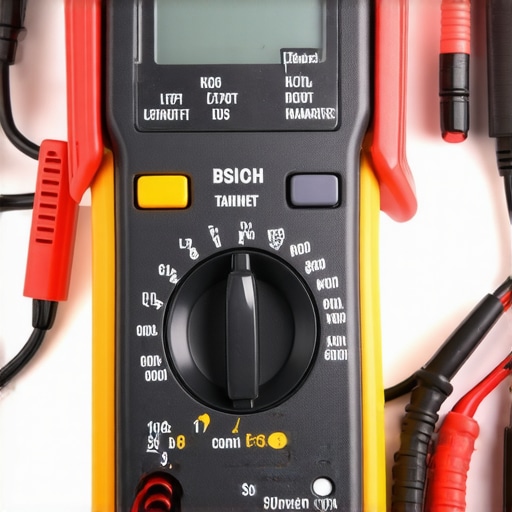 ), cleaning filters, and verifying hose integrity—are fundamental. I also schedule periodic diagnostics using software tools that display error codes and operational data. For advanced users, incorporating leak sensors connected to smart home systems can provide early warnings before minor leaks become major floods.
Looking ahead, I predict that integrated diagnostic apps connected to your smartphone will become standard, making maintenance more proactive and less guesswork-driven. These systems will analyze sensor data in real-time, alerting you to issues like water temperature drops or faulty sensors long before failure occurs, thus reducing downtime and repair costs.
To get the most out of your maintenance routine, I strongly recommend trying the tip of installing a digital leak sensor linked to your smart home system. It’s an affordable upgrade that can save you from costly water damage and unnecessary repairs. Remember, regular inspection with the right tools combined with proactive measures ensures your dishwasher remains dependable for years to come. For detailed guidance on selecting the best replacement parts and tools, check out this comprehensive article.
Lessons The Hard Way That Changed My Approach to Dishwasher Repairs
- Never assume your warranty covers everything; reading the fine print revealed hidden exclusions that could have saved me money and frustration.
- Organized records of repairs, purchases, and troubleshooting steps are your best defense when challenging a warranty denial; digital folders become your case files.
- Understanding specific components that are covered can turn a rejected claim into an approved one. A simple shift in focus—like emphasizing a covered heating element—made all the difference for me.
- Proper diagnosis using the right tools uncovers issues early. Investing in a multimeter or leak sensor can prevent costly repairs down the line.
- Visual evidence, like close-up photos of broken parts, vastly improves the chances of your warranty claim getting approved quickly.
My Essential Arsenal for Maintaining and Troubleshooting Dishwashers
- A high-quality digital multimeter is indispensable for electrical diagnostics and troubleshooting.
- Specialized water inlet valve testers help verify component functionality without guesswork.
- Precision tools like non-marring pry tools and digital calipers ensure safe disassembly and accurate measurements.
- Smart leak sensors connected to your home system can give early warnings of potential issues, saving you from water damage.
- Keeping a detailed maintenance checklist and diagnostic logs streamlines repairs and enhances your knowledge about your appliance.
Unlocking Hidden Truths and Embracing Empowerment
Throughout my journey with dishwasher warranties and repairs, I uncovered some truths that often stay under the radar. One surprising lesson is how small installation mistakes—like incorrect leveling or improper part selection—can void warranties and cause early failures. Making sure to follow manufacturer guidelines meticulously and verifying parts with trusted resources like this guide saved me from avoidable headaches.
Another powerful insight was realizing that many warranty denials result from missing documentation or misinterpreting coverage. Keeping detailed records and understanding your warranty rights—gleaned from comprehensive sources such as this resource—gives you leverage in disputes.
My advice? Take control by educating yourself, documenting everything, and approaching repairs with confidence. The more you understand about your dishwasher’s parts and warranty nuances, the less likely you are to get caught off guard. Remember, knowledge truly is power in making sure your appliance serves you well for years to come.
Where to Explore Next for Your Dishwasher Journey
- Check out this cornerstone guide to master the essentials of parts management.
- For troubleshooting and diagnostic tips, visit this detailed resource.
- Looking to upgrade your maintenance routine? This page offers expert advice with actionable steps.
- Interested in the best tools and parts? Explore our recommended toolkit for DIY success.
Take Action and Protect Your Investment Today
Empowered with knowledge and the right tools, you can confidently handle warranty claims, perform routine maintenance, and troubleshoot issues before they become costly disasters. Don’t wait for problems to escalate—be proactive! Your dishwasher—and your peace of mind—deserve it. Are you ready to take control of your appliance’s future? Share your experiences or ask questions below—I love hearing from fellow homeowners eager to become their own repair experts.
Related Posts

The Difference Between a Manufacturer Warranty and an Extended Plan
I remember vividly the moment my dishwasher broke down just…
Why Your Manufacturer Warranty Doesn’t Cover Labor Costs
Last week, I finished installing a brand-new dishwasher, and within…

Why Your Warranty Company Wants a Photo of Your High-Loop
It was a typical Saturday morning when I finally realized…