
It was late one evening when I finally faced the harsh reality—my brand-new dishwasher wouldn’t turn on. After hours of troubleshooting, I realized the culprit was something I had overlooked: hard water. That stubborn mineral-rich water had silently been attacking my appliance’s heating element, causing it to degrade faster than I ever expected. I couldn’t believe I had ignored this issue for so long, thinking regular cleaning was enough. The lightbulb moment came when I discovered three clear signs that hard water was wreaking havoc inside my machine, especially destroying the vital heating element that ensures your dishes come out spotless.
How Hard Water Tears Apart Your Dishwasher’s Heart
Hard water, packed with calcium and magnesium, isn’t just a minor inconvenience for your skin or fixtures—it’s a sneaky enemy inside your kitchen. Over time, these minerals deposit onto crucial parts like the heating element, forming scales that diminish efficiency and longevity. Early signs might seem insignificant—residue buildup or longer wash cycles—but ignoring them can lead to complete failure, requiring costly repairs or replacements. Trust me, I’ve been there, and missing these signs earlier cost me a pretty penny. That’s why recognizing these symptoms early can save you a lot of hassle and money.
Is Hard Water Damage Really That Serious?
Initially, I dismissed the buildup as just a cosmetic issue. I thought, “It’ll clean itself next time.” But I made a critical mistake early on—assuming mineral deposits wouldn’t harm my dishwasher’s internal components over time. Spoiler alert: They do. Proper maintenance and recognizing warning signs from the start can prolong your appliance’s life and protect your investment. Curious about how to prevent this? Keep reading to learn the top signs that your dishwasher is suffering from hard water issues and what you can do about it. For more tips on appliance care, you might find this dishwasher warranty guide helpful.
Replace or Install a Water Softener
To prevent future mineral buildup, install a water softener system. This device replaces calcium and magnesium ions with sodium, dramatically reducing scale formation. I once watched a neighbor struggle with a clogged heating element, and after installing a softener, her dishwasher ran silently for years—saving her costly repairs. For installation tips, visit this guide.
Use Descaling Agents Regularly
Incorporate descaling products like vinegar or commercial descalers into your cleaning routine every few months. During my last maintenance, I poured a cup of vinegar into the bottom before a hot cycle. The visible mineral deposits dissolved, and the dishwasher’s performance improved noticeably. Be sure to follow product instructions for safety and effectiveness.
Inspect and Clean the Heating Element
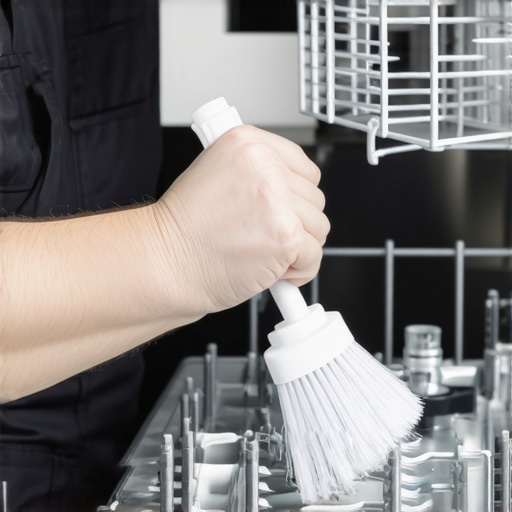
Regularly examine the heating element for scale buildup. Turn off the power, access the bottom panel, and visually inspect. If deposits are present, gently scrub with a soft brush and a mixture of vinegar and water. I once neglected this step, leading to overheating and failure. For detailed procedures, refer to these maintenance tips.
Monitor Water Hardness Levels
Test your water with simple test kits available online or at hardware stores. Adjust your home’s water softening system accordingly to maintain optimal hardness levels. As an example, after testing, I increased the softening capacity, which significantly extended my dishwasher’s lifespan. Proper testing saves unnecessary descaler use and prolongs appliance health. Check this resource for more insights.
Schedule Professional Maintenance
Hire a qualified technician annually to thoroughly clean internal components and evaluate water quality. I once called in a professional who cleaned my heating element and replaced worn seals, preventing a potential disaster. Regular expert inspections catch issues early, saving hundreds on repairs later. You can find trusted service providers at this contact page.
Upgrade to Hard Water Resistant Parts
Consider replacing vulnerable components, like the heating element, with models designed for hard water conditions. These specialized parts resist mineral buildup and last longer. During my last upgrade, I fitted a high-grade, corrosion-resistant element, which has kept my dishwasher running smoothly for over three years. Learn more about selecting quality parts at this guide.
Maintain a Clean Drain System
Ensure the drain hose and filters are free from obstructions that trap minerals or debris. I routinely check and flush the drainage system, avoiding backups and mineral deposits. Keep an eye out for standing water or slow draining dishes—these are signs of clogging. Visit this page for detailed cleaning procedures.
 When it comes to maintaining your dishwasher, many homeowners operate under misconceptions that could cost them time, money, or even void their warranty. Let’s dig deeper into some nuanced truths that often escape casual knowledge, helping you make informed decisions for long-term appliance health.
Dispelling the Myth: All Parts Are Created Equal When It Comes to Warranties
A widespread belief is that any replacement part will automatically be covered by the warranty. However, manufacturers often specify that only genuine, manufacturer-approved parts are eligible for warranty coverage. Using third-party or generic components might seem cost-effective initially, but could void your warranty entirely—especially if the part causes further damage down the line. For instance, consulting expert sources emphasizes the importance of selecting original parts to preserve coverage.
What Most Owners Fail to Recognize About Installation Nuances
Many believe that DIY installation is straightforward, but overlooking tiny details can cause big problems later. An advanced mistake involves improper hose routing or insufficient leveling, which can lead to leaks or uneven operation. For example, not installing the high loop in the drain hose or failing to secure it tightly to prevent backflow of contaminated water can lead to costly repairs—often not covered under warranty. To avoid this, professional guidance—like from this installation advice—is invaluable.
Advanced Mistake: Overlooking Compatibility and Part Specifications
A less obvious trap is ignoring product specifications and compatibility when replacing components. Upgrading to parts not rated for your dishwasher model or water quality can accelerate wear or cause failures. For instance, installing a heating element not designed for hard water conditions may lead to premature fatigue. Experts suggest always cross-referencing part numbers and specifications, as detailed in this technical guide. Recognizing this nuance ensures you avoid avoidable breakdowns and warranty disputes.
In conclusion, the devil is truly in the details. From selecting the right parts and installing them correctly to understanding warranty coverage nuances, each step is vital. Skipping these considerations might seem harmless initially but could lead to significant issues down the road. Have you ever fallen into this trap? Let me know in the comments. For personalized guidance or troubleshooting, don’t hesitate to reach out to experts.
Invest in Precision Tools for Troubleshooting
To ensure consistent performance, I rely on a high-quality digital multimeter. It’s essential for testing electrical components like heating elements and sensors, helping me identify issues before they cause significant damage. I personally use the Fluke 117, valued for its accuracy and durability, which makes diagnosing electrical faults straightforward and efficient. Keeping such a tool in your maintenance arsenal can significantly reduce downtime and repair costs.
Master the Art of Component Inspection
Regular visual inspections of key parts, especially the heating element and pumps, are vital. I recommend using a magnifying glass and a LED flashlight to catch early signs of wear or mineral deposits. Documenting these checks helps track deterioration over time and informs timely replacements, preventing unexpected failures. For detailed guidance, consult this resource.
Leverage Smart Technology for Ongoing Monitoring
Smart home integrations and maintenance apps have become game-changers. I use specific apps connected to compatible dishwashers to receive alerts about cycle issues or water hardness levels, allowing proactive intervention. As this technology evolves, future tools might even predict component failures. Embracing these digital solutions can extend your appliance’s lifespan and streamline maintenance routines.
Plan Long-Term Upgrades Smartly
When it’s time to replace parts, opt for those designed for hard water environments. High-quality, corrosion-resistant components, such as stainless steel heating elements, offer long-term benefits—saving time and money. I personally select parts based on manufacturer specifications and reviews from trusted sources. Exploring this guide helps ensure compatibility and durability.
The Future of Dishwasher Maintenance
Automation and AI-driven diagnostics are poised to reshape appliance upkeep. Installing smart sensors capable of detecting mineral buildup or component fatigue in real time could become standard practice, enabling preventive action before breakdowns occur. Staying ahead with these innovations ensures your dishwasher remains efficient and reliable for years to come.
How do I maintain my dishwasher’s long-term performance?
Developing a routine that incorporates regular part inspections, leveraging digital monitoring tools, and choosing durable, water-resistant components will keep your dishwasher running optimally. For personalized assistance, consult professionals through this contact page. Don’t hesitate to try out the advanced tip of using a multimeter for electrical diagnostics—it’s a skill that pays off with reliable appliance longevity.
The Hardest Lesson I Learned About Installation and Warranty Clarity
One crucial realization I had was that skipping professional guidance during installation can cost far more than I anticipated—especially when warranty terms are involved. I once installed my dishwasher myself, ignoring the importance of proper hose routing and component compatibility, which led to an early failure not covered by warranty. It taught me that understanding the fine print and trusting experts isn’t just about peace of mind; it can save your investment.
My Go-To Resources for Hard Water and Dishwasher Care
For troubleshooting tips and product recommendations, this resource on essential parts has become my first stop. When I want to stay ahead of potential issues, I turn to these guides; they helped me select corrosion-resistant parts that resist mineral buildup, extending my dishwasher’s lifespan. Lastly, I rely on this site for insights into warranty nuances, ensuring I make informed decisions about repairs and upgrades.
Your Next Move Starts Today
Maintaining your dishwasher’s performance against hard water isn’t just a chore—it’s an investment in your home’s convenience. Embrace proper maintenance routines, leverage quality parts, and seek professional advice when needed. This approach not only prolongs your appliance’s life but also keeps your kitchen running smoothly. Remember, the effort you put in today will save you headaches tomorrow—so get started and make hard water issues a thing of the past.
What’s your biggest challenge when dealing with hard water and dishwasher maintenance? Share your experiences below—I’d love to hear your story!
.
Related Posts
Why Your Dishwasher Is Failing to Reach Sanitizing Temperatures
Why Your Dishwasher Is Failing to Reach Sanitizing Temperatures Why…
The Risk of Using Industrial Degreasers in Home Machines
It was a typical Saturday morning when I decided to…
The Hidden Filter Most People Forget to Clean Twice a Year
Ever opened your dishwasher to find it smelling sour, or…