
It was late one evening when I finally caught a glimpse of the truth behind my dishwasher’s energy-saving cycle — and let me tell you, it wasn’t what I expected. I’d been dismissing that setting as just a way to save a few bucks on energy bills, unaware that it might be secretly improving my dish cleanliness. One day, after a frustrating morning of dishes that still looked grimy, I had a lightbulb moment: Could this energy-saving mode actually be doing more than supposed? Since then, my perspective shifted, and I started digging deeper.
Why this overlooked feature could be your dishwasher’s secret weapon
Many dishwasher owners overlook or even disable energy-saving modes, thinking they compromise cleaning power. But what if I told you that this mode has been engineered not just to cut costs but to enhance cleaning efficiency? Early in my journey, I made the mistake of thinking that the longer, more intense cycles were the only way to get spotless dishes. I assumed my old model wasn’t powerful enough or that certain parts needed replacing. Turns out, I was missing the bigger picture, and this misunderstanding could cost you in both money and performance.
I discovered that, with proper knowledge on how to optimize your dishwasher’s settings, you can actually extend its lifespan, save on energy costs, and still get spotless results. According to appliance specialists, the energy-efficient modes are carefully calibrated to use less water and power, but also to improve water circulation and detergent effectiveness during those shorter cycles — if set correctly. To learn more about how to ensure your dishwasher’s parts are functioning optimally, check out [this guide](https://appliancedoctorz.com/when-to-replace-dishwasher-parts-for-optimal-performance).
So, are you experiencing stubborn stains or leftover food? Has your dishwasher started to sound louder or show error codes? You’re not alone, and these signs may indicate that there’s an even better way to operate your machine without overworking it or wasting energy.
Now that I’ve shared my story and set the stage, let’s explore how energy-saving modes can double as cleaning allies—if used correctly—and how to set up your dishwasher to perform at its best.
Inspect and Select the Right Parts for Your Machine
Begin by identifying essential components like spray arms, filters, and inlet valves. Visit this guide to understand each part’s role and ensure you’re choosing quality replacements to extend warranty coverage. Once you have the correct parts, lay them out and confirm compatibility with your model using the serial number or model info.
Proper Installation Is Key to Longevity
Follow a detailed step-by-step installation process to avoid common mistakes. Secure the dishwasher to the countertop or cabinetry using appropriate brackets, ensuring it’s level for optimal operation. Connect water supply and drain lines meticulously; avoid reused clamps that can cause leaks (see this article for why new fittings matter).
Ensure Proper Water Flow and Drainage
Adjust the high loop of your drain hose to at least 32 inches above the floor to prevent backflow, mimicking the recommendations in this checklist. Secure hoses with stainless steel clamps to prevent disconnections or leaks, as plastic ones can deteriorate over time. Test the drain function with a manual cycle to verify no obstructions are present, and inspect the impeller for blockages, following this guide.
Calibrate and Optimize Settings for Efficiency
Program your dishwasher to use energy-saving cycles during less busy hours, but verify that they maintain cleaning quality. Load dishes correctly—large pots should not block spray arms, which you can learn from this resource. Use suitable detergents and rinse aids to enhance washing results, referring to this article for expert recommendations.
Schedule Regular Maintenance Checks
Inspect and clean filters monthly; a clogged filter is a common cause of poor cleaning, as detailed in this post. Lubricate door gaskets periodically to prevent leaks and mold growth, following this guide. Replace worn parts promptly—signs include unusual noises or error codes, which can be diagnosed with this troubleshooting method.
Monitor and Adapt to Usage Patterns
Track your energy consumption via smart app features or energy meters to spot inefficiencies, as discussed in this article. Adjust load strategies accordingly and consider installing a dedicated water shutoff valve to prevent unintentional leaks, summarized in this resource. Consistent upkeep and attentive operation will help you extend the life of your dishwasher and maintain optimal performance.
Many homeowners operate under misconceptions about dishwasher warranties, parts, and installation procedures, often leading to costly mistakes. Contrary to popular belief, registering your appliance correctly and understanding the fine print can significantly impact your warranty coverage. For instance, some assume any professional installation guarantees full warranty protection, but neglecting manufacturers’ specific installation guidelines can void your coverage altogether. It’s crucial to follow detailed steps—like those outlined in this expert guide—to ensure your warranty remains valid.
Another common myth is that all replacement parts are created equal. In reality, using generic or incompatible parts may not only harm your dishwasher but also invalidate your warranty, especially if the manufacturer mandates genuine parts. To avoid this, consult this comprehensive resource before purchasing any components.
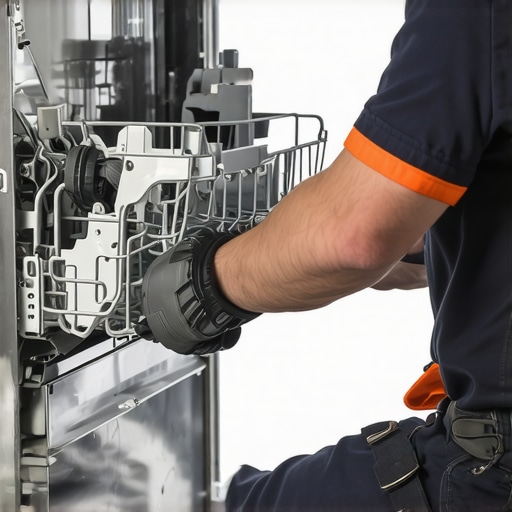
**Avoid the trap of undervaluing the importance of proper installation and authentic parts.** Skimping on these details can lead to leaks, poor performance, or even complete failure, often resulting in costly repairs or replacement. Advanced users should pay close attention to specific requirements—like correct water inlet connections and secure drainage—to prevent hidden issues that only reveal themselves after the warranty expires. Experts highlight that neglecting these nuances can reduce the lifespan of your dishwasher and void your warranty, regardless of whether you’re replacing a worn-out part or reinstalling the unit.
**Ever fallen into this trap?** Share your experiences in the comments! Remember, investing time upfront in proper installation and authentic components saves money and hassle in the long run. For more in-depth advice, explore this page about maximizing your warranty benefits.
Essential Tools for DIY Maintenance and Repair
When it comes to maintaining your dishwasher, having the right tools makes all the difference. Personally, I swear by a high-quality multimeter like the Fluke 115 for electrical troubleshooting. Its precision helps me quickly identify faulty wiring or bad switches, saving time and preventing unnecessary part replacements. For mechanical issues, a set of cordless nut drivers, such as the Wiha 77 32 03, allows me to disassemble and reassemble parts without hassle. I also keep a digital caliper handy to measure parts precisely, ensuring replacements fit perfectly, as highlighted in this resource.
Software and Apps That Simplify Maintenance
Beyond physical tools, I find that digital diagnostic apps are game-changers. Many modern dishwashers come with smart features compatible with manufacturer apps, allowing you to run diagnostic checks remotely. For older models, a set of generic leak sensors like the D-Link DCH-S155 can alert you to hidden issues early. These sensors connect via Wi-Fi and help catch leaks before they cause costly water damage. Using these technologies, I can preemptively address potential problems, extending the lifespan of my appliance.
Practice Proactive Maintenance
Regularly checking and replacing parts like water inlet valves or spray arms before they fail is key. I schedule a quarterly visual inspection, using tools like a flashlight and mirror, to spot wear or deposits. Keeping components clean—like filters and gaskets—must become routine, as detailed in this article. This proactive approach ensures the dishwasher operates efficiently and helps maintain the validity of your warranty.
Long-Term Results and Scaling
Implementing these tools and habits results in fewer breakdowns, lower repair costs, and better cleaning performance over time. As your familiarity grows, you can even consider scaling your efforts—upgrading to commercial-grade components or installing remote monitoring systems. The future points toward interconnected appliances and AI-driven diagnostics, which I believe will make maintenance more intuitive. Staying ahead with current tools and methods prepares you to adapt as the industry evolves.
How do I maintain my dishwasher over time?
The key lies in a combination of proper part selection, routine inspections, and embracing smart technology. For example, ensuring your replacement parts are genuine, as discussed in this guide, helps preserve warranty coverage and performance. Additionally, using leak sensors and diagnostic apps can alert you to issues early, reducing downtime and costly repairs. Regular cleaning and checks, coupled with precise tools like calipers, will keep your dishwasher functioning optimally for years.
For a hands-on tip, I recommend trying to calibrate your dishwasher’s water flow settings with a digital flow meter—this can significantly improve cleaning results and energy efficiency. It’s an advanced step, but the payoff in performance makes it worthwhile. Dive into detailed calibration procedures available in expert resources, and you’ll find your machine performing like new for longer.
Lessons That Changed My Approach to Dishwasher Care
One unexpected insight I gained was realizing that skipping routine maintenance can silently sabotage warranty coverage. Early on, I thought a quick clean was enough, but I learned that neglecting regular filter checks and gasket lubrications could void my warranty without me even realizing it. That was a lightbulb moment that pushed me to develop a habit of monthly inspections, which saved me from costly repairs later.
Another surprising lesson was understanding the importance of genuine parts. Using off-brand components may seem like a save, but it can actually weaken your warranty—especially when manufacturers specify specific parts for coverage. After researching, I started prioritizing OEM parts and consulting guides like the recommended resources to ensure compliance and durability.
Lastly, I discovered that proper installation techniques are more critical than I imagined. For example, the correct water inlet connection and drain hose positioning avoid water damage and maintain warranty validity. Having a checklist from experts, such as this detailed guide, helped me install my dishwasher correctly and confidently.
Tools and Resources That Keep My Dishwasher Running Smoothly
My go-to toolkit now includes a reliable multimeter like the Fluke 115, which simplifies electrical troubleshooting. I also rely on a set of quality cordless nut drivers to disassemble and reassemble parts with ease. Measuring tools, such as a digital caliper, are invaluable for ensuring replacement parts fit perfectly, as explained in this helpful guide.
Furthermore, digital leak sensors like the D-Link DCH-S155 empower me to detect leaks early and prevent water damage. These tools, combined with smart apps that monitor energy consumption, give me peace of mind and help maintain my dishwasher’s performance over time.
Embrace Proactive Steps for Long-Term Savings
Scheduling regular maintenance, such as monthly filter cleanings and gasket inspections, ensures efficiency and preserves warranty coverage. Implementing small habits, like checking inlet valves and spray arms, prevents issues before they escalate. Upgrading to quality parts and adhering to expert installation advice, as highlighted in this resource, extends appliance lifespan and saves repair costs.
Remember, investing time now pays dividends later. Think of your dishwasher as a trusted partner—caring for it thoughtfully not only guarantees spotless dishes but also safeguards your warranty rights and your home’s safety. By staying informed and diligent, you empower yourself with the knowledge to keep your appliance in peak condition for years to come.
Related Posts
Why Modern Machines Use Less Water Than Your Kitchen Sink
It was a typical Saturday morning when I first realized…

The Secret to Reducing Dishwasher Energy Use During Peak Hours
Last month, I opened my utility bill and noticed a…

How to Read Your Unit’s Energy Guide Before You Buy
I remember the moment clearly. I was about to buy…