
It was a morning like any other, until I watched my brand-new dishwasher arrive and feel that sinking feeling of realizing I’d overlooked one crucial step—flushing the water lines. That simple oversight ended up causing endless headaches, from clogged filters to strange water taste, even risking warranty issues. I’ve been there, and honestly, it was a lightbulb moment. If you’re about to install a dishwasher or just finished one, you might want to pay attention.
Why Skipping the Water Line Flush Can Cost You More Than You Think
When I first installed my dishwasher, I thought hooking up the water supply was a quick, straightforward task. Turns out, not flushing out the water lines beforehand can introduce debris, minerals, or even small rust particles directly into your machine. This not only affects cleaning performance but can also damage essential parts over time. Expert advice consistently emphasizes the importance of flushing lines to prevent these issues. In fact, manufacturers and professionals recommend flushing water lines to avoid costly repairs and ensure your warranty stays valid. Check out this detailed post on common dishwasher parts and their role in proper installation [here](https://appliancedoctorz.com/common-dishwasher-parts-and-their-role-in-proper-installation).
Will I Really Benefit from Flushing? Is It Worth the Extra Step?
If you’re skeptical, you’re not alone. Many new homeowners or DIY enthusiasts wonder if this step is necessary or just overkill. I’ve made the mistake early on of rushing through installation, only to find clogged filters, slow drainage, or even a foul smell coming from my dishwasher. That’s when I realized, neglecting such a simple step could lead to long-term headaches. Proper flushing helps clear out any residues or debris and ensures clean, efficient operation from day one.
Taking a few extra minutes to flush your water lines might seem trivial, but it can save you money, time, and frustration down the line. Plus, it’s a small investment in peace of mind. For more tips on protecting your appliance investment, you might want to review this guide on long-term performance parts [here](https://appliancedoctorz.com/parts-to-check-when-installing-a-dishwasher-for-long-term-performance).
Now, if you’re wondering whether this step is truly necessary, keep reading. Next, I’ll walk you through the practical steps to make sure your water lines are properly prepared, avoiding those dreaded start-up issues. Because honestly, a little prep work now can save you a world of trouble later.
Drain Your Water Supply: The First Step
Before connecting your new dishwasher, locate the water supply valve under your sink or near your dishwasher area. Turn it off completely to prevent any accidental water flow during the process. Use an adjustable wrench to disconnect the flexible water inlet hose from the valve, ensuring you have a bucket or towel ready to catch any residual water. This step is crucial because residual water can contain debris or minerals that may clog or damage your dishwasher over time.
Clear the Lines Thoroughly
Once disconnected, hold the hose over a drain or container and slowly turn the water supply back on. Let the water flow freely into the container for about 30 seconds to flush out any debris, rust, or sediment trapped inside. If you notice particles or discolored water, repeat the process until the water runs clear. Remember, this is like rinsing dirt out of a new pipe—skipping this could introduce unwanted substances into your appliance.
Inspect and Replace If Necessary
After flushing, examine the hose for signs of damage, cracks, or buildup. If you see any issues, consider replacing the hose before proceeding with installation. Using a damaged hose can lead to leaks or water damage, which might void your warranty. When choosing a replacement, opt for high-quality, brass fittings instead of plastic, as they’re more durable and less prone to failure. For guidance on selecting the right parts, check this resource on [parts to check for long-term performance](https://appliancedoctorz.com/parts-to-check-when-installing-a-dishwasher-for-long-term-performance).
Reattach and Tighten Connections Properly
Attach the cleaned or new hose to the water supply valve, tightening the fitting securely with an adjustable wrench. Avoid over-tightening, which can strip threads or crack fittings. Once connected, turn the water supply back on slowly and check for leaks. Tighten further if needed, but ensure everything remains snug without damage. Proper tightening is like securing a lid on a jar—firm but not excessive, to prevent leaks and ensure optimal performance.
Test Before Final Setup
After reconnecting your water line, run a short test cycle to verify that water flows correctly into the dishwasher without leaks or obstructions. Observe the start-up to confirm that debris isn’t entering the system, which can wash into filters or spray arms, reducing cleaning efficiency. Remember, a clean water line is just like a clear passageway—preventing any backlog that could cause operational issues down the line. For tips on troubleshooting installation issues, see [expert advice on dishwasher troubleshooting](https://appliancedoctorz.com/expert-advice-on-dishwasher-installation-troubleshooting).
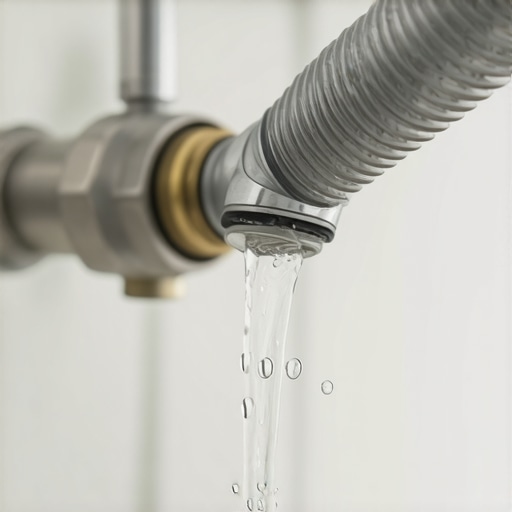
Image prompt: Close-up of a plumber flushing a flexible water supply hose connected to a kitchen sink valve, showing clear water flow and debris being washed out, emphasizing the importance of flushing water lines.
While many experienced homeowners focus on the basic steps of dishwasher installation, let’s dig deeper into some of the nuanced pitfalls that can undermine your efforts and impact your warranty coverage. Contrary to popular belief, rushing through parts selection or ignoring specific installation details can lead to costly repairs down the line. For instance, choosing generic replacement parts without verifying their compatibility might seem cost-effective initially, but it risks voiding your warranty and causing damage over time. Expert advice from manufacturers stresses the importance of selecting genuine, high-quality parts, particularly for critical components like water inlet valves and spray arms, which directly influence cleaning performance and longevity. Many assume that all parts are interchangeable, but in reality, using mismatched or low-quality components can introduce leaks or decrease efficiency. Don’t fall into this trap – always check parts compatibility and quality before replacement.
Additionally, a common misconception revolves around warranty claims: some believe that simply reporting an issue should guarantee coverage. However, warranties often have fine print that exclude damages caused by improper installation or use of non-approved parts. This means that even if your dishwasher is under warranty, neglecting proper installation steps—like flushing water lines or securing fittings correctly—can lead to claim denial. To safeguard your warranty, follow manufacturer instructions meticulously and document your installation process. For example, ensuring the water supply line is free of debris and correctly tightened reduces the risk of leaks that aren’t covered under the warranty policy.
From an advanced perspective, understanding the differentiations in parts quality can save you a headache later. High-end parts, such as brass fittings or reinforced hoses, may come at a higher initial cost but offer superior durability and better warranty support. Conversely, cheaper plastic fittings might fail prematurely, leading to water damage and a voided warranty. A detailed study by appliance industry experts underscores the long-term cost-effectiveness of investing in reliable parts [here](https://appliancedoctorz.com/essential-parts-every-dishwasher-owner-should-know-about).
Now, considering these nuances, it’s critical to understand that proper installation isn’t just about connecting water and power; it involves a comprehensive approach to parts selection, installation practices, and warranty awareness. Neglecting these aspects can result in preventable failures, costly repairs, and lost warranty benefits. For thorough guidance on selecting the best parts and avoiding common installation traps, I recommend reviewing this comprehensive part selection guide [here](https://appliancedoctorz.com/top-tips-for-seamless-dishwasher-installation-in-2025).
Have you ever fallen into this trap? Let me know in the comments.
Investing in the Right Equipment for Long-Term Performance
Getting your dishwasher to function reliably over the years requires more than just proper installation; it hinges on utilizing the correct tools and maintenance practices. Personally, I rely heavily on a high-quality digital multimeter to troubleshoot electrical issues accurately. This device allows me to verify the continuity of wiring and test the control board without guesswork, ensuring that common electrical problems are diagnosed swiftly and safely. For checking water pressure and flow, I use a calibrated water pressure gauge, which helps me confirm that the inlet valve opens correctly and water reaches the spray arms with optimal force. Using professional-grade tools, even for minor repairs, saves time and prevents unnecessary damage—especially when dealing with sensitive electronic components.
How do I keep my dishwasher in peak condition over time?
Routine maintenance is essential, and this is where investing in specific tools makes a real difference. Periodically inspecting and cleaning spray arms with a small, pointed brush ensures that nozzles are clogged, which directly impacts cleaning efficiency. Additionally, a soft sonic cleaner can be employed to remove mineral buildup from filter screens and gaskets, prolonging their lifespan. In terms of software, incorporating a smart diagnostic app linked to your dishwasher model can help you monitor performance trends, receive maintenance alerts, and even run self-test routines remotely. These tools are becoming increasingly affordable and easy to use, and I highly recommend embracing them to extend your appliance’s lifespan.
Maintaining Your Dishwasher’s Critical Parts for the Long Haul
Part integrity plays a vital role in ensuring ongoing functionality. Applying a specialized silicone-based grease to door gaskets can prevent leaks and make door sealing more effective. When replacing parts, I opt for OEM (Original Equipment Manufacturer) components, as they fit better and last longer. For instance, a durable brass inlet valve, as opposed to plastic, can significantly improve water longevity and warranty coverage. Regularly inspecting the water inlet and drain hoses for cracks or buildup also helps prevent water damage and costly repairs down the line. Remember, quality parts combined with proper handling and timely replacement are your best defense against unexpected breakdowns.
The Trend Toward Smart Maintenance Solutions
Looking ahead, the future of dishwasher maintenance leans heavily toward intelligent systems. Predictive diagnostics and AI-powered leak detection are quickly becoming standard features, providing homeowners with real-time alerts before minor issues evolve into major failures. As these technologies mature, expect to see more integrated eco-friendly sensors that optimize water and energy consumption while alerting you to potential problems. Embracing these innovations now not only simplifies ongoing upkeep but also maximizes warranty benefits, as many warranty policies now require regular software updates and the use of compatible smart tools. To get a head start, consider installing a digital leak sensor or updating your dishwasher’s firmware with manufacturer-approved app updates—these small steps can profoundly enhance long-term performance.
Try using a high-quality multimeter to troubleshoot your dishwasher’s electrical system this week. It’s an invaluable skill that can save you time and money, especially in diagnosing tricky control panel issues. For more insights on advanced troubleshooting tools, visit this resource.
3 Lessons That Changed How I Approach Dishwasher Projects
- Overlooking small details like water line flushing can turn a simple install into a costly headache. The moment I realized this, I made it a non-negotiable part of my process, saving time and money in the long run.
- Choosing quality parts isn’t just about longevity—it’s about peace of mind. Investing in OEM components and durable fittings has consistently proven to uphold warranty coverage and prevent avoidable damage.
- Understanding your warranty policies and proper installation practices safeguards your appliance. I learned the hard way that neglecting these can lead to claim denials and unexpected expenses.
My Go-To Resources for Dishwasher Success
- Common dishwasher parts and their roles: A comprehensive guide I trust to understand component functions and compatibility before starting any repair or installation.
- Parts for long-term performance: This resource helps me select durable, warranty-compliant parts that stand the test of time.
- Understanding dishwasher parts: A must-read to grasp how each component impacts overall function, especially when troubleshooting.
Nothing Beats Taking Charge of Your Dishwasher’s Future
Armed with insider knowledge and trusted resources, you’re now better equipped to tackle installation with confidence. Remember, paying attention to small but critical steps like flushing lines, choosing quality parts, and understanding warranty details can make all the difference in your appliance’s performance and longevity. Embrace these lessons, and your dishwasher will thank you for years to come.
Have you ever skipped a step that backfired later? Share your stories below—I’d love to hear how you handled it!
Related Posts
The Proper Way to Secure Your Dishwasher to Quartz Countertops
Ever had that unsettling moment when your brand-new dishwasher wobbles…

The Cabinet Steam Barrier Most DIYers Skip Until the Wood Rots
I remember the moment clearly — water was quietly dripping…
How to Level a Machine When Your Floor is Drastically Slanted
Ever had that sinking feeling when you open your dishwasher…