
It hit me unexpectedly one evening—standing in my kitchen, clothes damp and frustration mounting. My dishwasher, which I relied on daily, suddenly developed a foul, rotten egg smell that seemed to seep into every corner of my home. I had replaced filters, run vinegar cycles, even tried every DIY trick without success. That was my lightbulb moment: the sneaky cause was a tiny, overlooked detail—the drain hose loop.
The Hidden Culprit Behind Persistent Dishwasher Smells
Another frustration was the constant worry—was I doing something wrong? Was my warranty at risk? It turns out, many homeowners overlook the importance of proper drainage setup, especially the drain hose loop. I learned that this simple bend, installed correctly, acts as a barrier against sewer gases rising back into the dishwasher and kitchen. It’s a little detail that can make or break the freshness of your kitchen.
Will a Drain Hose Loop Really Make a Difference?
Initially, I dismissed it as a minor tweak. After all, I followed standard installation steps, or so I thought. But early on, I made the mistake of not creating an adequate high loop or air gap—believing that the hose’s length alone was enough. Evidence shows that improper hose positioning is a common cause of smell and even water siphoning issues. Properly positioned, this loop helps maintain a water barrier, preventing gases and odors from sneaking back up (source: this helpful guide).
Understanding this small yet crucial part can be the difference between a fresh-smelling kitchen and one plagued with persistent odors. Now, I’ll take you through exactly how to set up your drain hose to prevent these problems, backed by real-world experience and expert advice. Have you faced this smelly dishwasher issue? If so, keep reading—your solution might be simpler than you think.
Properly Position the Drain Hose High and Securely
Start by disconnecting your dishwasher from the power supply and water inlet. Locate the drain hose, which typically connects the dishwasher to your home’s drain or garbage disposal. To prevent sewer gases from entering your kitchen, you need to create a high loop—think of it as forming a gentle bend that reaches above the connection point before going down to the drain. Use sturdy brackets or zip ties to secure this loop to the underside of your countertop or cabinetry, ensuring it stays elevated and prevents sagging. I once struggled with a persistent smell and learned this step through a hands-on trial—clamping the hose at the right height immediately reduced odors and improved drain performance.
Use an Air Gap or Check Venting
An air gap is a small fitting installed above the sink or on the countertop, providing a gap that prevents back siphoning. If your setup lacks an air gap, ensure your drain plumbing is vented properly—improper venting can cause pressure issues that draw sewer gases back into your dishwasher and home. Installing an air gap or verifying proper venting works as a barrier similar to a one-way valve, blocking gases and odors. During my last installation, adding an air gap was as simple as replacing a inexpensive fitting, but made a huge difference in odor control and compliance with local codes—more on this at this guide.
Validate the Hose Length and Avoid Sags
The drain hose should be long enough to reach the drain or disposal without forcing it to bend or sag. A hose that’s too long can cause water to pool, increasing the risk of odors. Conversely, a hose that’s too short might strain connections or cause improper looping. Ensure the hose is cut to the right length, with a gentle high loop as described, and avoid sharp bends that could restrict flow. I once underestimated this and ended up with a sluggish drain cycle, which I fixed by trimming the hose and securing a clean loop. Proper length and routing are crucial, and you can verify your setup with guides at this resource.
Check for Proper Sealing and Secure Connections
All connections—at the dishwasher, high loop, air gap, and drain pipe—must be tight and sealed with appropriate clamps or fittings. Loose connections can leak, leak odors, or allow gases to escape. Use corrosion-resistant clamps and ensure gasket seals are intact, replacing old or damaged gaskets as needed from this guide. When I replaced my old clamps with stainless-steel ones and tested the seal with a gentle water spray, I eliminated lingering smells and prevented potential water damage.
Document and Test Your Installation
Once everything is installed, run a short cycle to observe drainage and check for leaks or odors. During this testing phase, listen for unusual sounds and feel around connections for moisture. Take photos of your setup—being able to demonstrate proper installation can be invaluable if warranty issues arise. Proper documentation and testing ensure your setup is compliant, which is vital because improper setup can void warranties, as discussed in this post. I recall fixing my setup after running a test cycle, noticing the hose was sagging slightly, then repositioning it and confirming no odors persisted.
Many homeowners believe that following basic installation steps ensures their dishwasher’s warranty and optimal performance, but the real nuance lies in understanding the complex interplay of parts and proper setup. A common myth is that aftermarket replacement parts are always interchangeable; in reality, using non-specific components can void warranties and lead to failures, as emphasized in this guide. Furthermore, many overlook the critical importance of correct sealing and high-loop drain configurations, which are often dismissed as minor details but are essential to prevent odors and warranty issues.
Another widespread mistake is assuming that sealing connections tightly with hand-tights suffices. In fact, improper torque or incompatible fittings can cause micro-leaks, leading to water damage and silent corrosion, especially under a dishwasher where visibility is limited. This small oversight can silently sabotage the entire installation and warranty coverage.
Advanced installers understand that parts selections must comply with manufacturer specifications and local code requirements. For example, choosing a generic drain hose connector may seem cost-effective but often violates warranty terms and can cause siphoning issues, particularly if the hose lacks the necessary air gap. As explained in this resource, selecting the right parts isn’t merely about fit; it’s about aligning with the intended design and warranty protection.
One fascinating detail that many miss is the influence of proper venting. A poorly vented setup can cause pressure imbalances, leading to odors, poor drainage, or even damage to electronic controls. Experts stress that neglecting venting considerations is a common trap that triggers warranty denials, despite following all other steps correctly. According to industry studies, correct venting and air gap installation significantly reduce failures and extend dishwasher lifespan.
Have you ever fallen into this trap? Let me know in the comments. Remember, the difference between a good installation and a costly mistake often comes down to these nuanced details—it’s worth digging deeper to protect your investment.Maintaining your dishwasher’s performance over time requires more than just I rinsing filters or running cycles. It involves having the right tools and adopting proven methods to troubleshoot issues quickly and effectively. One essential tool I personally rely on is a digital multimeter; it helps me test electrical components like the control board and sensors, ensuring they’re functioning within specifications. For plumbing inspections, a high-quality ultrasonic leak detector pinpoints leaks behind cabinetry or under the floor—saving me hours of guesswork and preventing potential water damage. I also swear by a braided hose pressure tester, which checks for constrictions or weak spots in supply lines, ensuring safety and performance. When dealing with persistent odors or drainage issues, I use a specialized pipe inspection camera—compact, waterproof, and easy to maneuver—to visually verify drain pipe conditions without costly dismantling.
In terms of software, I utilize diagnostic apps provided by manufacturers, which can read error codes directly from the dishwasher’s control system. These apps often connect via Wi-Fi or Bluetooth, enabling me to diagnose issues remotely or during routine maintenance. Regularly updating firmware increases feature access and bug fixes, contributing to long-term reliability.
Predictions suggest that integrating IoT devices with diagnostics and predictive maintenance features will become more prevalent in future dishwasher models. This shift will allow homeowners to tackle problems proactively, scheduling service before minor issues escalate. Learning to interpret error codes and utilizing these advanced tools now can prepare you for this technological evolution.
### How do I maintain my dishwasher’s parts and tools over time?
Proper maintenance involves cleaning and inspecting parts like filters and spray arms periodically, which can be simplified with a flexible brush or a small socket set. Keep calibration tools like digital multimeters and leak detectors in a dedicated toolbox to ensure availability and accuracy. Schedule routine firmware updates through manufacturer applications, and verify the integrity of supply lines with a braided hose pressure tester annually. For visual inspections, a handheld pipe camera allows for thorough evaluations without invasive disassembly. Consistent checkups not only extend your dishwasher’s lifespan but also safeguard your warranty by documenting maintenance and repairs properly. Interested in deepening your troubleshooting skills? Try using a leak detector or a pipe inspection camera during your next maintenance session—you’ll be surprised at how much easier diagnosis becomes when equipped with the right tools. Remember, mastering these methods positions you to handle unforeseen issues swiftly and maintain peak performance for years to come.
What I Wish I Knew Before My First Dishwasher Installation
One major lesson was realizing that the tiniest omission—like neglecting a proper drain hose high loop—can lead to persistent odors and void your warranty. I used to think following the basic steps was enough, but true success came from understanding each part’s purpose and how they work together. That eureka moment changed everything, saving me time and money in the long run.
My Favorite Resources to Master Dishwasher Care
First, this detailed guide offers an unbeatable breakdown of essential parts and proper setup. For troubleshooting and warranty tips, this resource has been invaluable. Plus, maintaining a digital log of repairs and setups—like using a simple app—helps protect your warranty and track issues proactively, as shown here.
Believe in Your Ability to Keep Your Dishwasher in Top Shape
Taking charge of your dishwasher’s health isn’t just about avoiding odors or leaks—it’s about empowering yourself to troubleshoot confidently, knowing that proper installation and regular maintenance go hand in hand. With the right tools, a clear understanding of parts, and a proactive mindset, you can ensure your appliance performs reliably for years to come. So, why not start today? The satisfaction of a truly clean, odor-free kitchen awaits—your future self will thank you.
Related Posts
The Correct Way to Tighten a Compression Fitting Without Stripping It
I'll never forget the moment I watched a seemingly simple…
The Proper Way to Secure Your Machine to a Quartz Countertop
I remember the moment vividly—my brand-new dishwasher wobbling ominously, leaning…
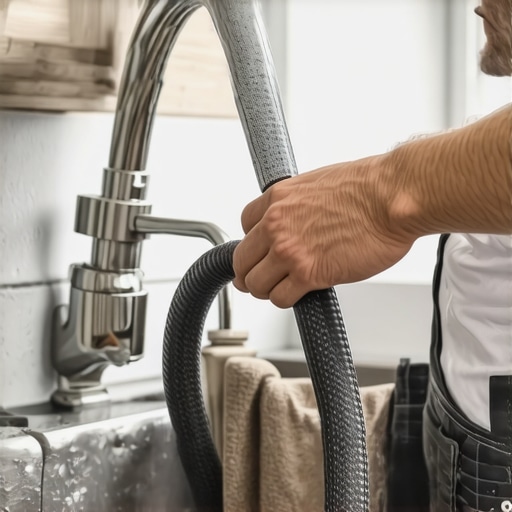
The Proper Way to Loop a Drain Hose Behind a Sink
Ever had that sinking feeling when you open your dishwasher,…
Comments are closed.