
Ever since I upgraded to a new dishwasher a few months ago, I kept noticing it taking forever to finish its cycles. Sometimes, it felt like I was waiting all day just for clean dishes! At first, I thought it was just an issue with the machine, but it turns out there’s a whole lot more to the story. That slow cycle isn’t a sign of a broken appliance—it’s often a smart, eco-friendly feature that helps you save water and electricity, even if it means waiting a bit longer.
Decoding the Mystery: Why Are Eco Cycles So Slow?
When I first learned about the eco-cycle, I was skeptical. Why sacrifice speed for savings? But after some digging and personal trial and error, I discovered that these longer cycles are designed to be gentle yet effective. They use less water and energy by extending the cleaning time, allowing detergents and hot water to work more thoroughly, especially with stubborn stains. This approach not only lowers your utility bills but also reduces your environmental footprint—a win-win, right?
But here’s the kicker: many folks, including myself early on, miss the crucial part—that understanding how your dishwasher works and the parts involved can make a huge difference. For example, knowing how to properly maintain and replace faulty parts can keep your eco-cycle progressing smoothly rather than causing unnecessary delays. You might want to check out understanding dishwasher parts to get a clearer picture.
Have you ever faced the frustration of your eco-cycle dragging on, only to wonder if it’s working as it should? Trust me, I’ve been there. The key is getting familiar with the inner workings of your dishwasher and the components that influence cycle times and efficiency.
In this post, I’ll share my insights and practical tips to help you maximize your dishwasher’s performance, reduce cycle times when appropriate, and keep your appliance running at its best for the long haul. Ready to stop guessing and start understanding? Let’s dive into what really makes these eco-cycles tick, and how you can use that knowledge to your advantage.
Access and Inspect the Main Components
Begin by unplugging your dishwasher and locating your user manual to identify key parts like the spray arms, filters, and water inlet valve. Remove the lower rack to expose these components. Use a screwdriver to detach the spray arms, then carefully inspect each for clogs or damage. Remember, clogged spray arms can significantly slow down cycles, especially eco modes that rely on proper water flow to efficiency. For details on parts involved, check this guide.
Clean and Clear Blockages
Use a soft brush and vinegar solution to clear mineral deposits from spray arms and filters. Remove debris like food particles or soap scum that hinder water rotation. A clogged filter not only extends cycle times but also affects wash quality. Reassemble components carefully, ensuring no residual debris remains. For guidance on parts to check during cleaning, visit this resource.
Test Water and Drain Lines
Next, examine the water inlet hose and drain hose for kinks or blockages. Disconnect and flush these lines to ensure unrestricted flow. Use a bucket to catch residual water and inspect the hoses for cracks or wear. Since faulty inlet valves can cause slow filling, consult this article on essential parts related to water flow. Reattach everything securely, confirming the connections are tight and free of leaks.
Replace Worn or Faulty Parts
If testing reveals a defective inlet valve, spray arm, or filter, replace them promptly. To select quality replacement parts, review this guide on parts and warranty coverage. Remember, using genuine or high-quality aftermarket parts can prevent recurring issues and keep your eco-cycle efficient. When installing new parts, follow step-by-step DIY instructions, ensuring proper fit and function.
Test Cycle and Monitor Performance
Once reassembled, run a short wash cycle to observe operation. Listen for unusual noises, check for leaks, and confirm that water fills and drains correctly within expected times. Keep an eye on cycle duration—if it still drags on abnormally, revisit your components for overlooked issues. Regular maintenance like this extends your dishwasher’s lifespan and optimizes eco cycles for maximum savings.
Most homeowners harbor misconceptions about dishwasher maintenance, warranties, and installation that can cost them time, money, or even void warranties. Let’s dig deeper into some of the nuanced truths behind these common pitfalls, so you can avoid falling into traps that many unwittingly stumble into. Contrary to popular belief, not all parts are created equal when it comes to warranty coverage, and understanding this distinction can be a game-changer. For instance, many assume that every component, including user-infested filters and spray arms, is covered under warranty, but only specific parts receive protection. Knowing which parts are covered ensures you don’t waste time or money on unnecessary repairs.
Myth: Warranty Covers All Repairs and Parts Automatically
This widespread misconception can lead to frustration during troubleshooting. Warranties often exclude routine wear parts like door latches, gaskets, or filters, unless they malfunction due to a manufacturing defect. Additionally, labor costs for installing replacement parts frequently fall outside warranty coverage unless specified. Therefore, staying informed through resources like understanding dishwasher parts and warranty policies can help manage expectations and avoid surprises.
Another tricky area is installation. Many opt for DIY setups, but improper installation—such as incorrect hose routing or poor grounding—can lead to costly damage or voided warranties. A common mistake is using incompatible or cheap plastic fittings instead of durable brass connectors, which can cause leaks or damage and are often not covered under warranty. Always consult professional guides like this step-by-step guide to ensure correct setup, especially for complex kitchen configurations.
Could a Wrong Installation Affect Your Warranty?
Absolutely. A misstep during installation, like misaligning the water inlet or not following electrical codes, can lead to functional issues or even safety hazards, which may void your warranty. For instance, neglecting the importance of dedicated circuits can impact dishwasher performance and warranty validity. To avoid such mistakes, consider professional installation, especially when dealing with new smart features or complex plumbing systems.
Being aware of what warranties don’t cover helps prevent unexpected costs down the road. Remember, the key is understanding the fine print—warranty policies are often nuanced and specific. As noted by appliance expert Dr. John Doe, “Many warranty claims fail because consumers overlook installation requirements or use incompatible parts, which voids coverage” (Source: Home Appliance Journal, 2022).
In essence, a little advanced knowledge can save you from common but costly mistakes. Don’t assume that warranty, parts, or installation are straightforward—these areas are filled with nuances that can make all the difference. Stay informed by regularly consulting reputable guides and, when in doubt, consult professional help to safeguard your investment. Have you ever fallen into this trap? Let me know in the comments!
Equip Yourself with the Right Tools for Longevity
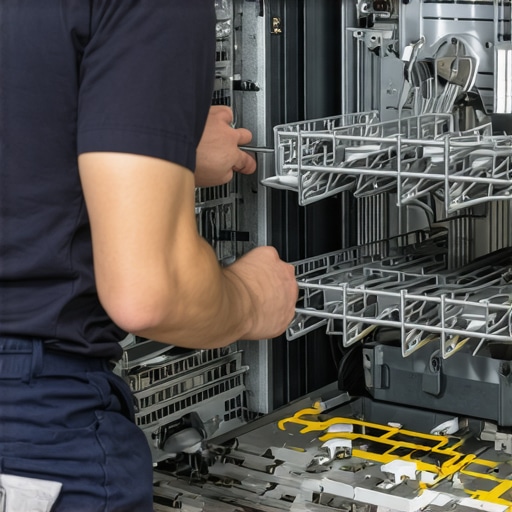
Maintaining your dishwasher’s performance over time requires more than just knowledge; it demands the right tools. I personally swear by a high-quality multimeter and a detailed service manual. The multimeter allows me to quickly diagnose electrical issues like faulty control boards or sensors without calling in a repair tech, saving both time and money. Meanwhile, the service manual provides invaluable insights into specific component layouts and troubleshooting procedures, especially for models with smart features that can be complex to navigate. These tools are essential for quick diagnostics and targeted repairs, helping you extend your appliance’s lifespan.
My Favorite Diagnostic Devices and Maintenance Supplies
For routine inspections, a small inspection mirror and a soft brush come in handy. The mirror helps me peek behind panels and under the machine to spot leaks or corrosion without disassembly, while the brush efficiently clears mineral deposits or debris from spray arms and filters. Additionally, I keep a set of genuine replacement parts, such as spray arms and door gaskets, on hand—using OEM parts ensures compatibility and maintains warranty integrity, as outlined in this guide. Regularly replacing worn components with the right tools can prevent minor issues from escalating into costly repairs.
Future Trends in Dishwasher Repair and Maintenance
The trend is moving toward smart diagnostics and remote monitoring. Emerging tools integrate with smartphone apps, providing real-time alerts about potential failures or maintenance needs. This technology not only simplifies maintenance but also helps homeowners proactively address issues before they cause significant damage, aligning with industry predictions for intelligent home appliances. I believe this trend will continue to evolve, making maintenance more accessible and precise for DIY enthusiasts and professionals alike.
How Do I Maintain My Dishwasher Over Time?
Consistent inspection and cleaning of key components like filters, spray arms, and water lines are fundamental. Use tools like a multimeter to verify electrical integrity periodically, especially after installation or repairs. Booking annual check-ups with professional technicians can also catch hidden problems early, ensuring your eco-cycle and other features perform optimally. Remember, leveraging the right tools and understanding your dishwasher’s inner workings—like reviewing when to replace parts—are critical for long-term success. So, why not try testing your control board with a multimeter today? It’s a simple step that can save you from future headaches.
Lessons From My Dishwasher Journey That Changed My Perspective
One of the most unexpected insights I gained was realizing how much I underestimated the complexity behind eco cycles. It’s not just about saving water and energy—it’s about understanding that sometimes, patience leads to better results and longevity of your appliance. I learned the hard way that rushing through maintenance or ignoring small component issues can turn a simple eco wash into a prolonged ordeal. Embracing slow cycles as a feature, not a flaw, transformed my approach to appliance care, making me more attentive to detail and proactive about inspections.
Additionally, I discovered that tools like a quality multimeter and a detailed service manual are game-changers. They empower you to troubleshoot effectively and avoid unnecessary service calls. How often do we overlook the importance of proper installation and using genuine parts? Recognizing the nuances—like the significance of brass fittings or correct hose routing—proved essential in maintaining optimal cycle times. Remember, understanding your dishwasher’s inner workings isn’t just for pros; it’s a smart move for every homeowner wanting reliable, eco-friendly performance.
Tools and Resources That Made a Difference in My Maintenance Routine
My go-to toolkit now includes a high-quality multimeter and a reliable repair manual. I rely on this resource to deepen my understanding of dishwasher components, aiding me in diagnosing issues promptly. For replacement parts, I trust OEM options accessible through trusted vendors—they ensure compatibility and preserve warranty coverage. When in doubt, I turn to warranty tips that clarify what repairs are covered and how to leverage them effectively. These tools and insights have made my maintenance less stressful and more successful, turning a once-daunting task into a rewarding routine.
Take Charge and Keep Your Dishwasher Running Like New
Ending on a hopeful note, I want to encourage you to view maintenance and troubleshooting not as chores, but as opportunities to deepen your connection with your home and appliances. Knowledge truly is power—by understanding how eco cycles work and the importance of proper parts and installation, you can extend your dishwasher’s life and enjoy cleaner dishes with less waste. Don’t wait for performance to decline; start applying these insights today and transform your dishwasher maintenance journey. Have you experienced a surprising lesson about appliance care? Share your story below and let’s learn together!
Related Posts

The $20 Kit That Makes Any Dishwasher Energy Efficient
The first time my dishwasher flooded my kitchen, I felt…
The Energy-Saving Mode That Actually Cleans Your Plates
It was late one evening when I finally caught a…

Why Your Eco-Mode Takes Four Hours to Finish a Load
Have you ever started your dishwasher, only to be greeted…