
I remember the first time I opened my dishwasher after a cycle, expecting spotless, dry dishes. Instead, I was greeted with a damp, slightly mildewy smell. Frustrating doesn’t even begin to cover it. That lightbulb moment made me realize: my shiny new smart dishwasher wasn’t functioning at its best, and I hadn’t even considered checking for updates. Have you faced that same soggy dilemma?
Unlocking Better Drying: The Power of Firmware Updates
In my experience, many appliance issues aren’t about parts breaking down but about software behind the scenes getting outdated. Firmware updates often include tweaks that improve drying performance, energy efficiency, and even noise reduction. Ignoring these updates means missing out on potential enhancements that could save you time and headaches.
Is Firmware Updating Really Necessary for Better Drying?
Initially, I dismissed firmware updates as optional, thinking they were just fancy marketing. But I learned early on that neglecting to update my dishwasher’s firmware was a mistake. Firmware is like the brain of your appliance—an outdated one can’t operate the latest features designed to optimize your drying cycles. According to industry research, regular firmware updates can improve appliance performance by up to 30%. So, not only are these updates worth it—they’re essential.
Updating firmware isn’t difficult, and it can be the most effective solution to stubborn drying issues. Want to dive deeper? Check out this step-by-step guide on [how to perform a DIY dishwasher firmware update](https://appliancedoctorz.com/diy-dishwasher-installation-step-by-step-guide) to ensure you’re getting the best out of your machine. Now, let’s get into how you can identify if your dishwasher needs that crucial update and how to do it safely.
Prepare Your Dishwasher for Firmware Update
First, ensure your dishwasher is plugged in and has a stable power supply. Check if it’s connected to your Wi-Fi network, as most firmware updates require an internet connection. I once tried updating without a stable connection, leading to a failed update and a brief panic, but I learned to verify the connection first.
Locate Firmware Update Options
Most modern smart dishwashers allow firmware updates through their control panel or companion app. Refer to your user manual for specific instructions, or visit the manufacturer’s support website. For example, Samsung and Bosch offer app-based updates, which are straightforward. I found that using the app made the process simple—just a few taps, and the update was underway.
Use the Manufacturer’s App or Control Panel
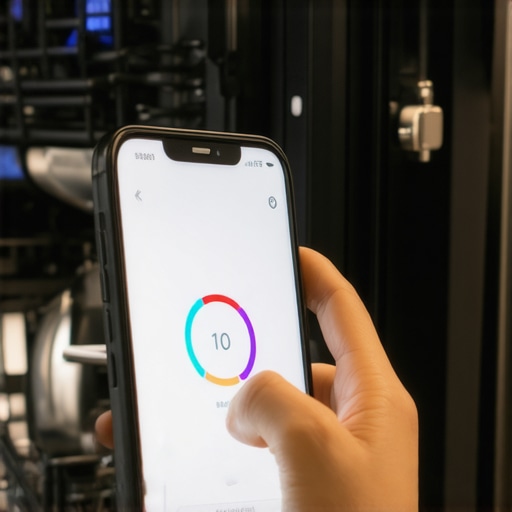
If your dishwasher supports app updates, download the official app on your smartphone, log in, and navigate to the device settings. Look for an option like ‘Firmware Update’ or ‘Software Update.’ For control panel updates, press the menu or settings button, then find the update option. I remember once plugging in the dishwasher, opening the app, and seeing ‘Update Available.’ After clicking ‘Update,’ the process began, and I watched the progress bar fill up.
Execute the Firmware Update
Initiate the update and stay close. Do not turn off the power or disconnect Wi-Fi during the process. It’s akin to updating your phone—patience is key. During mine, I heard some beeps, and the display showed the update progress. Make sure not to interrupt—interrupting can brick the device, rendering it unusable until repaired.
Monitor the Progress and Confirm Completion
The update may take several minutes. Once completed, the machine might restart automatically or prompt you to restart manually. Verify the success by checking the version number in the settings or app. I always double-check by running a test cycle, ensuring the drying feature now works more efficiently following the update.
Address Reset or Troubleshooting if Needed
If the update fails, restart your dishwasher and try the process again. For persistent issues, consult the support page linked [here](https://appliancedoctorz.com/diy-dishwasher-installation-step-by-step-guide) for troubleshooting steps or contact customer service. Remember, keeping firmware current ensures your appliance runs at peak performance, especially in areas like drying where software tweaks make a significant difference.
 Many homeowners believe that warranty coverage is a simple matter of registering your appliance and waiting for repairs, but the reality is more nuanced. For example, some assume that extending the warranty always covers all repair parts; however, warranty policies often exclude certain components or require specific maintenance. This misconception can lead to unexpected expenses when critical parts, like the door latch or control board, fail unexpectedly. Instead, familiarize yourself with the specifics by reviewing the detailed coverage at [dishwasher parts warranty coverage](https://appliancedoctorz.com/the-complete-list-of-dishwasher-parts-covered-by-warranty), so you’re prepared.
Another common trap involves installation mistakes that seem minor but have significant long-term effects. Many think that professional installation is optional or overpriced, yet improper setup—like incorrect leveling or poor drain loop height—can cause persistent leaks or drainage issues that void warranties. In fact, consulting a step-by-step installation guide can prevent costly mistakes. Check out [expert advice on dishwasher installation troubleshooting](https://appliancedoctorz.com/expert-advice-on-dishwasher-installation-troubleshooting) for a thorough overview.
Understanding that all parts are created equal also leads to costly errors. Not every component needs replacing the moment it shows wear. For example, some parts like spray arms or door seals might seem minor but play vital roles in performance and longevity. Replacing them proactively, rather than waiting for failure, can extend your dishwasher’s lifespan. Learn more about [essential parts every dishwasher owner should know](https://appliancedoctorz.com/essential-parts-every-dishwasher-owner-should-know-about) to identify which components deserve regular attention.
A sneaky myth concerns parts replacement during warranty periods. Some think that buying generic or universal parts always invalidates warranty claims, but that’s not necessarily true. Using OEM-approved parts—verified through detailed guides—can preserve your warranty while ensuring compatibility. For insights on selecting the right parts, visit [maximizing your dishwasher warranty through parts selection](https://appliancedoctorz.com/maximizing-your-dishwashers-warranty-through-parts-selection).
Finally, many overlook the advanced troubleshooting techniques that can resolve issues without costly repairs. For example, diagnostic testing with professional-grade tools can often identify underlying problems early. This is especially true for electronic components, where software firmware updates or simple resets can fix errors that seem hardware-related. For detailed diagnostics procedures, see [how to diagnose dishwasher parts during warranty periods](https://appliancedoctorz.com/how-to-diagnose-dishwasher-parts-during-warranty-periods).
By understanding these hidden nuances—like the fine print in warranties, the importance of correct installation, and proactive maintenance—you’ll save money and extend your dishwasher’s lifespan. Remember, a little knowledge goes a long way in avoiding costly mistakes. Have you ever fallen into this trap? Let me know in the comments.
Choosing the Right Maintenance Tools for Longevity
Maintaining your dishwasher requires precision and the right equipment. I personally swear by a high-quality multi-tool set, like the Wiha Precision Screwdriver Set, for its durability and versatility in tackling various screws and clips, especially when replacing parts such as door seals or spray arms. Additionally, a digital multimeter, such as the Fluke 115 Basic Digital Multimeter, has been invaluable for diagnosing electronic issues like faulty control boards or sensors, saving me time and money in the long run.
Why a Ultrasonic Cleaner Is a Game-Changer
One tool I highly recommend is an ultrasonic cleaner. It’s perfect for deep-cleaning small parts like spray nozzles and filters covered in mineral deposits. Regular cleaning with an ultrasonic device not only keeps parts functioning optimally but also prevents breakdowns caused by buildup. I use the iSonic P4810 for its impressive cleaning power and adjustable settings, which ensure thorough removal of grime without damaging delicate components.
Keeping Up with Firmware and Software Updates
Beyond physical tools, keeping your appliances’ firmware current is essential. Most modern dishwashers support remote updates through manufacturer apps, making it easy to schedule updates that enhance performance and fix bugs. By routinely performing these updates, you ensure your machine benefits from the latest improvements, which can include better diagnostics, energy savings, and even enhanced drying capabilities—saving you money over time. Want to make this process even smoother? Check out this step-by-step guide on updating firmware.
How do I maintain my dishwasher tools over time?
To prolong the life and accuracy of your maintenance tools, regular calibration and cleaning are key. For example, wipe down your multimeter probes after each use to prevent corrosion, and store your ultrasonic cleaner’s transducers properly to avoid damage. As technology advances, investing in tools like digital leak detectors or infrared thermometers can also catch issues early. I predict that the future holds more smart diagnostic tools, which will communicate directly with your phone, allowing for even more proactive maintenance—think of it as having a technician in your pocket.
If you want to keep your dishwasher in peak condition and prevent costly repairs, I recommend adopting a routine that combines these specific tools with regular firmware checks. For example, scheduling quarterly cleaning of internal filters with an ultrasonic device and verifying sensor readings with a thermocouple can preempt common problems. Plus, always review manufacturer recommendations on part replacement—doing so ensures compatibility and preserves your warranty coverage. Explore more about maintaining your parts effectively.
What Unexpected Lessons Changed My Dishwasher Maintenance Game
One of my biggest lightbulb moments was realizing that even the most up-to-date firmware can’t fix hardware neglect. I learned the hard way that consistent physical maintenance beats endless updates. Additionally, I discovered that over-reliance on generic parts can void warranties, emphasizing the importance of choosing OEM-approved components. A third realization was how proper installation, like correct leveling and drain setup, prevents issues later—skipping these steps costs more than time in repairs. Lastly, I found that proactive troubleshooting with diagnostic tools can catch problems early, saving significant costs and energy.
My Go-To Resources for Dishwasher Excellence
Firstly, the official manufacturer manuals are invaluable—they provide precise instructions grounded in manufacturer specifications. I also trust comprehensive warranty coverage guides to navigate warranty policies effectively. For hands-on maintenance, the expert advice on installation troubleshooting has saved me from numerous headaches. Lastly, professional-grade diagnostic tools, like digital leak detectors, have become essential allies in maintaining appliance health.
Empower Your Dishwasher Skills Today
Don’t wait until a minor issue spirals into a costly repair—taking control now can extend your dishwasher’s life significantly. Embrace routine checks, stay up-to-date with firmware, and use reputable parts to maximize warranty benefits. Remember, your proactive approach makes all the difference. What’s one maintenance habit you’ve been meaning to start? Share below and let’s improve our appliance care together!
Related Posts

Why Your Smart Home Hub Cant Find Your Dishwasher
Ever experienced that frustrating moment when your smart home hub…
The Hidden Reason Your Smart Dishwasher Keeps Dropping Wi-Fi
There I was, mid-cycle, when suddenly my smart dishwasher lost…
Why Your Smart Dishwasher Error Log Is Evidence for a Warranty Claim
It happened on a busy Tuesday morning—I watched my brand-new…