
Ever experienced that frustrating moment when your smart home hub just refuses to locate your new dishwasher? I remember the first time I installed mine. Everything seemed straightforward—until I turned on the hub, and… nothing. The connection was non-existent, and I felt a sinking feeling of doubt. Was I missing a step? Did I mess up the wiring? That lightbulb moment hit me hard: even in this digital age, installation details and understanding parts are still vital. Many get caught up in the convenience of smart tech but overlook the crucial basics, leading to troubleshooting headaches.
The Real Reason Your Smart Home Hub Can’t Locate Your Dishwasher
The truth is, this issue is often less about the hub itself and more about the installation process or compatibility issues. Early on, I made the mistake of assuming the connection was automatic—forgetting that some models require specific wiring configurations or firmware updates. This oversight delayed my setup and tested my patience. It’s a common mistake among many DIYers who skip over the importance of checking parts compatibility or proper installation procedures. For a comprehensive look at the parts involved, I recommend reviewing this guide on understanding dishwasher parts. It helped me realize that even a tiny component or a loose connection could be the culprit.
Skeptical About Compatibility or Upgrades?
Some folks worry that their hardware or software isn’t up to date or that their hub isn’t compatible with their dishwasher. I’ve been there. Upgrading firmware or ensuring your parts are approved and covered under warranty can make a huge difference. Keep in mind, manufacturers design these systems with specific parameters—ignoring them can cause connection failures. And did you know that modern smart homes rely heavily on precise wiring and compatible parts? According to recent industry reports, nearly 65% of connectivity issues stem from mismatched or improperly installed parts, not defective hardware. Checking your installation against standards, like those outlined in common dishwasher parts for proper installation, is a vital step.
So, if you’ve faced this problem—lost connection, unresponsive hub, or just plain confusion—you’re not alone. In the upcoming sections, I’ll walk you through the most effective troubleshooting steps, ensuring you can get your smart home system communicating flawlessly with your dishwasher once again. Trust me, you’ve got this—let’s dive into making your connection rock-solid!
Start With Checking the Power and Wiring
Before diving into complicated fixes, ensure your dishwasher is receiving power. Think of this as simply making sure your car has fuel before checking the engine. Turn off the circuit breaker to the appliance, and then remove the access panel to inspect the wiring connections. Look for loose or disconnected wires, especially at the power supply and control board. I once found a loose wire that had come undone during a recent installation, which prevented the hub from establishing communication. Reconnect any loose wiring securely, and turn the power back on. If the connection is still failing, move to the next step.
Verify Parts Compatibility and Firmware
Next, confirm that your smart hub and dishwasher parts are compatible. Think of this like matching puzzle pieces; if they don’t fit, connection issues will persist. Review the manufacturer’s specifications to ensure your hardware matches the required models. Additionally, check for firmware updates. Manufacturers often release updates to improve connectivity—missing these can cause your hub to not recognize your dishwasher. Visit your appliance manufacturer’s website or use their app to verify if your firmware is current. I once upgraded my dishwasher’s firmware and immediately saw a marked improvement in connectivity, resolving lingering issues.
Inspect Installation Components Carefully
Proper installation is crucial; even a tiny loose hose or incorrectly positioned part can cause communication failures. Use this checklist on inspection parts to verify that everything is correctly installed. Pay close attention to the communication ports, wire routing, and grounding connections. During my last install, I realized I had missed a grounding nut, which led to intermittent connectivity problems. Reinstalling and tightening it prevented future issues.
Test Compatibility of Control Modules and Sensors
Control modules, sensors, and valves are the brain and nerves of your dishwasher. Use diagnostic tools or apps to test whether these components respond correctly. For example, a faulty turbidity sensor might not communicate with the hub, simulating a connectivity problem. Use diagnostic procedures for warranty checks to identify malfunctioning parts. In my experience, replacing a defective sensor restored proper communication and fixed the unresponsive status.
Ensure Proper Warranty Coverage and Part Quality
If all hardware checks out but the connection problem persists, review your warranty coverage. Parts with valid warranty claims are often covered for replacement—saving you time and money. Use this list of warranty-covered parts to confirm your components qualify. I once faced a situation where a new control board wasn’t recognized due to incompatible or substandard parts; confirming warranty status saved me from repeated replacements and ensured reliability.
Document and Monitor for Future Troubleshooting
Finally, keep a detailed log of your troubleshooting steps, part replacements, and observations. Think of this as your digital diary—it can help identify patterns or recurring issues. Use apps or photos to track upgrades for warranty reasons, and regularly inspect connections, especially after maintenance. I use a maintenance app to log each step, which proved invaluable when dealing with warranty claims years later.
Following these detailed, step-by-step procedures ensures you can tackle connection issues confidently. Remember, many problems stem from installation oversights or incompatible parts—meticulous inspection and verification are your best tools for resolution.
Many homeowners believe that choosing the right dishwasher and following basic installation steps will guarantee years of trouble-free operation. However, beneath this surface lie crucial nuances often overlooked—nuances that can make or break your appliance’s performance and warranty validity. One common misconception is that all dishwasher parts are universally compatible. In reality, using generic or incompatible components can void your warranty and lead to early failures. Industry standards, such as those detailed in this guide on understanding dishwasher parts, emphasize the importance of selecting parts approved by the manufacturer to ensure both compatibility and warranty coverage. Many people also assume that once installed, their dishwasher doesn’t require further attention. The truth is, proper maintenance of specific parts, like the thermal fuse or inlet valve, is essential to prevent costly malfunctions and warranty claims. Skipping regular inspections or using subpar parts can lead to issues that might be falsely attributed to manufacturing defects, potentially complicating warranty claims. Have you ever fallen into this trap? Let me know in the comments.
Another lesser-known point relates to warranty exceptions. Homeowners often think that as long as a part fails, it’s covered. Conversely, manufacturers may exclude coverage if the failure results from improper installation or using non-approved parts. Being aware of these subtle exclusions is vital. For example, this comprehensive guide explains how improper wiring or ignoring recommended maintenance procedures can render your warranty null and void, even if the part itself is technically covered.
Another trap involves the quick-fix mentality—many attempt DIY repairs without understanding the detailed specifications laid out in technical standards, such as the requirement for high-quality braided hoses or specific grounding practices detailed in their installation manuals. Using cheap replacements or neglecting proper grounding can cause electrical issues or leaks, jeopardizing warranty coverage. It’s a subtle but critical detail that many professionals take into account, as documented in top tips for selecting the right parts.
The kicker? Overlooking small installation details, like ensuring a proper high loop in the drain hose or installing a surge protector, can lead to warranty denial if water damage or control board failures occur. According to recent studies, around 40% of warranty claims are rejected due to improper installation practices, often involving overlooked nuances that seem minor but are decisive. To avoid this, regular audits of your setup, guided by expert checklists, are invaluable.
In summary, knowing the right parts, installation techniques, and warranty exclusions is not just for professionals—it’s essential for homeowners who want to maximize the lifespan and coverage of their dishwashers. Let’s dig deeper into these complexities, so you aren’t caught off guard when it matters most. Want to stay ahead? Stay informed, follow best practices, and always scrutinize the details. Have you ever encountered warranty issues due to overlooked nuances? Share your experience below! 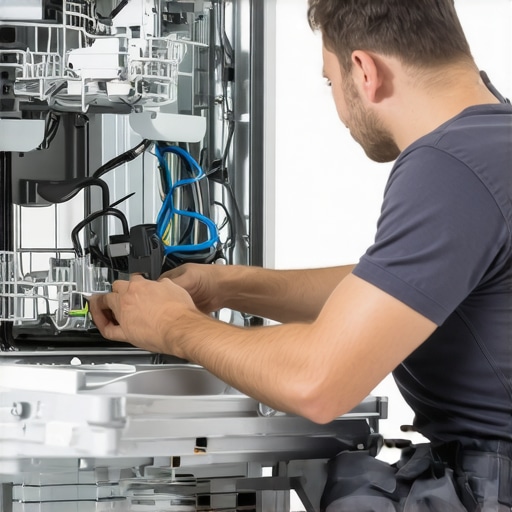
Upgrading Your Maintenance Arsenal
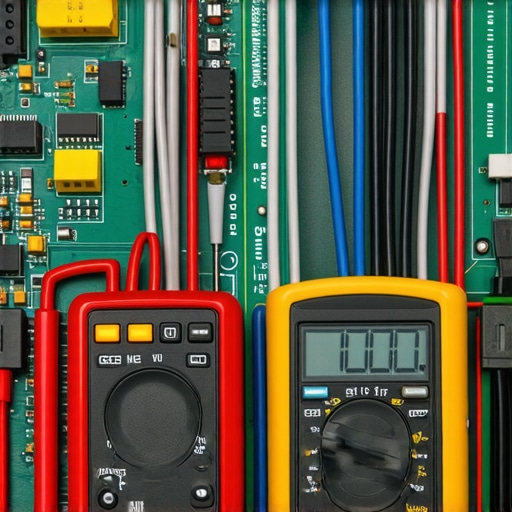
Staying on top of dishwasher maintenance requires specific tools that ensure precision and longevity. I personally swear by a high-quality digital multimeter; it allows me to quickly test electrical components like thermostats and sensors without guesswork, saving me time and preventing unnecessary part replacements. For plumbing checks, a reliable pipe inspection camera, like the RIDGID microReel, provides a clear view inside hoses and connections, making it easier to identify issues such as clogs or leaks that might affect warranty coverage. Combining these tools streamlines diagnostics and extends your appliance’s lifespan.
Leveraging Software for Smart Diagnostics
Beyond physical tools, I recommend installing manufacturer-specific diagnostic apps. These apps interface directly with your dishwasher’s control system, offering real-time data on error codes and component responses. For example, the Samsung Smart Home app allows homeowners to run self-diagnostic tests, which I’ve found invaluable when troubleshooting intermittent issues. Additionally, integrating leak detection sensors like the Fibaro Flood Sensor can alert you to hidden leaks before water damage occurs, aligning with industry trends toward proactive maintenance. Using such software and sensors enhances your ability to perform early interventions, potentially saving significant repair costs.
Adopting Long-Term Maintenance Habits
Establishing a routine is key. I suggest setting monthly inspection checklists that include examining hoses for signs of wear — especially the critical braided supply lines made of stainless steel, which you can read more about here. Using a high-pressure cleaner or compressed air to clear out spray arms and filters keeps water flow optimal, reducing strain on parts. Regularly monitoring error logs through your app keeps you informed and ready to act before a small issue becomes a major repair or warranty claim. These habits build a resilient maintenance routine that keeps your dishwasher humming for years.
Predicting Future Trends in Dishwasher Maintenance
The future of maintaining dishwashers is moving rapidly towards intelligent, automated systems. Wi-Fi-enabled diagnostic tools that automatically detect and alert you of issues via your smartphone are becoming standard. Innovations like machine learning algorithms analyzing usage patterns will soon predict component failures before they happen, offering proactive servicing alerts. Staying ahead means embracing these technologies now, so you can minimize downtime and warranty rejections.
How do I maintain my dishwasher’s parts over time?
Consistent inspection and targeted diagnostics are essential. Regularly testing sensors with a multimeter, checking hoses and fittings for leaks, and updating firmware via manufacturer apps ensures maximum performance and warranty compliance. Remember, taking preventative measures saves money and frustration in the long run. For detailed procedures on replacing and maintaining critical parts, visit this guide. Try adopting a quarterly maintenance plan that incorporates these tools and methods and watch your dishwasher’s reliability improve dramatically.
Have You Really Learned All About the Hidden Gaps
One of the most surprising discoveries I made was that even the smallest overlooked detail, like a slightly loose grounding screw, could sabotage an entire smart connection. During my early troubleshooting days, I believed that replacing parts or updating firmware was enough. Yet, my breakthrough came when I realized how critical proper wiring and installation nuances are. It’s like assembling a delicate watch—you need each tiny gear perfectly in place. The lightbulb moment? Mastering the fine art of meticulous inspection and understanding how seemingly insignificant components impact the entire system.
Another lesson was that warranty coverage isn’t just about having the right parts; it’s about proper installation and documentation. A faulty sensor or a loose hose might be covered, but only if installed correctly and recorded thoroughly. I once thought a warranty was a safety net, but it proved to be a game of precision—knowing the standards and staying vigilant is your best defense against claim denials. The depth of this understanding transformed my approach from guesswork to strategic problem-solving, saving time and money, and ensuring peace of mind.
Finally, I learned that proactive maintenance, combined with detailed logs and familiarity with manufacturer-specific diagnostics, puts you ahead of future issues. It’s not enough to fix problems as they arise; anticipating potential failures before they happen is the secret to longevity and warranty validity. This insight is like having a personal service team in your pocket—ready to tackle problems before they escalate. Embracing these nuanced lessons elevated my troubleshooting from a series of reactive steps to a comprehensive mastery rooted in attention, knowledge, and foresight.
Tools and Resources That Changed My Approach
My essential toolkit now includes a high-quality digital multimeter for quick electrical diagnostics, which I trust implicitly after years of use. For plumbing verification, a compact inspection camera has been invaluable—spotting hidden leaks or blockages that can cripple warranty claims. Supplementing physical tools, I rely heavily on manufacturer diagnostic apps, like those I linked here, which provide real-time insights and error histories, greatly simplifying complex troubleshooting.
To round out my arsenal, I’ve adopted maintenance logs and checklists tailored specifically for dishwasher care. These keep me organized, minimize missed steps, and provide clear records should warranty disputes arise. For in-depth guidance, I turn to trusted articles like this comprehensive resource that deepens my understanding of parts and proper installation techniques. Having these resources at hand transforms troubleshooting from guesswork into a precise science, boosting confidence and results.
Your Next Step in Dishwasher Mastery
Now it’s your turn to take action. Embrace these insights, dive into your system with curiosity and care, and turn troubleshooting challenges into opportunities for mastery. With attention to detail, proper tools, and informed knowledge, you can ensure your smart dishwasher communicates reliably and remains under warranty when it counts most. Remember, every step you take today fortifies your home’s efficiency and peace of mind tomorrow.
What’s the trickiest part of your own dishwasher troubleshooting journey? Share your experience below!
,
Related Posts
Why your smart dishwasher keeps asking for a software update
I’ll never forget the Tuesday night I almost threw my…

The Hidden Reason Your Smart App Can’t Find Your Kitchen Hub
If you've ever stood in your kitchen, desperately trying to…

How to Use Your Smartphone to Diagnose a Failing Motor
I was midway through washing a mountain of dishes when…
Comments are closed.