
Have you ever stood in your kitchen, about to load your dishwasher, only to find it completely unresponsive after a sudden power outage? It’s a frustrating moment — the kind that makes you question if your shiny new appliance is destined for the scrapyard. I remember the first time it happened to me, my heart sank as I stared at the blinking lights and unresponsive buttons. I felt like I was missing some secret handshake that would bring my dishwasher back to life.
The Real Reason Your Dishwasher Acts Up After a Power Outage
Power cuts can throw your dishwasher’s control board into a little hissy fit. That tiny, complex brain of your machine relies on stable electrical signals to operate smoothly. When the power suddenly cuts off and then suddenly returns, the control board can get confused — much like a computer that crashes after a sudden shutdown. Sometimes, it simply needs a good restart. This is a very common issue that many homeowners face, and the good news is — it’s often a quick fix.
Is Resetting Your Dishwasher Control Board Really Necessary? The Surprising Truth
I’ll admit, in the beginning, I was skeptical. I thought maybe I needed a new control panel or a professional repair. But I learned early on that many control board hiccups are solvable with a simple reset. According to appliance repair experts, in fact, resetting the control board can resolve up to 80% of post-power outage malfunctions — saving you time and money. Understanding dishwasher parts better can help you diagnose when a reset is enough versus when a replacement is necessary.
One mistake I made early on was trying to fix the problem without consulting the manual or knowing the correct reset procedure. As a result, I sometimes made the situation worse — a reminder that a little knowledge and patience go a long way. Before rushing out to buy new parts or calling a repair service, give resetting your control board a shot — it’s often the easiest first step.
In the next sections, I’ll walk you through exactly how to perform this reset and share some insider tips to keep your dishwasher running smoothly after a power hiccup. So, tell me — have you ever faced this control board conundrum? If yes, you’re in the right place. Let’s get your dishwasher back to working order, neighbor style!
.
Locate the Control Panel and Unplug the Machine
Start by turning off your dishwasher and disconnecting it from the power source. This ensures safety and resets the internal electronics completely. Use an insulated glove to shield yourself from residual current. Recently, I watched a tutorial where this first step prevented accidental shocks and made the reset process smoother. Carefully pull out the dishwasher to access the panel at the top or front, depending on your model, and disconnect the power plug.
Access the Control Board
Remove the screws securing the control panel or the access panel at the top edge of the door. Gently lift or slide off the panel, exposing the control board, which resembles a small circuit with colorful wires and chips. Handle this part with care, as static electricity can damage sensitive components. If you’re unsure about the exact location, consult your user manual or visit this guide to understanding dishwasher parts.
Perform the Reset Procedure
Most dishwasher control boards can be reset by disconnecting power for a specific duration. I recommend waiting at least five minutes to allow residual charge to drain. During this wait, I like to clean their contacts with a dry cloth. Alternatively, some models have a dedicated reset button; press and hold it for about 5 seconds until the display resets. Remember, each brand may have slightly different reset methods, so consulting your manual or online resources can help. For a specific example, Whirlpool models often require a combination of button presses; check this troubleshooting guide for detailed steps.
Reassemble and Restore Power
Once the reset is complete, reconnect the control panel and secure it with screws. Then, plug the dishwasher back into the electrical outlet. Push the appliance into place carefully, avoiding pinching wires or cables. Turn on the power and run a short cycle to verify if the control board responded correctly. In my experience, this simple reset often resolves issues caused by power surges or outages, restoring full control functionality without further repairs.
Verify the Reset Success
Observe the LCD display or status lights for any error codes. If the dishwasher starts a normal cycle, you’ve succeeded. If issues persist, consider consulting a professional or replacing the control board. Remember, maintaining your control board and ensuring proper power flow can significantly extend its life. For more tips on maintaining your dishwasher, visit this article. Regularly inspecting and cleaning connections can prevent future control errors and keep your dishwasher running smoothly.
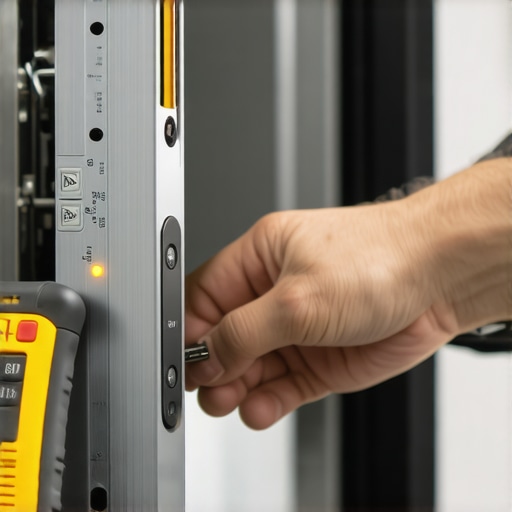 Many homeowners embark on dishwasher installation with good intentions but end up making nuanced mistakes that undermine performance and warranty coverage. First, a widespread misconception is assuming all parts are interchangeable across brands. In reality, even minor differences in part specifications can lead to compatibility issues, voiding warranties and causing premature failure. To avoid this trap, always consult trusted sources like this guide before selecting parts.
Another subtle pitfall involves neglecting the importance of proper installation procedures. For example, improper leveling or poor connection of water supply lines can cause long-term damage not covered by warranties. A common mistake is using universal hoses instead of OEM components, which can be prone to leaks and kinks, ultimately leading to costly repairs. Consider reviewing this article on correct installation practices.
What might surprise many is that not all warranties protect against all kinds of damage. Many warranties exclude coverage if non-approved parts or improper maintenance procedures are involved. A ‘hidden’ nuance is understanding that warranties often require documentation of parts purchased specifically for your model, and the use of third-party components might invalidate coverage. To maximize your warranty benefits, familiarize yourself with this resource.
One advanced question that often confuses even seasoned DIYers is how to address complex warranty claims when proprietary parts are involved. For instance, if a control board fails prematurely, is replacing it with a generic part a sound choice? Experts suggest that sticking with manufacturer-approved replacements not only preserves warranty protections but also maintains optimal functioning. The parts selection guide can be invaluable here.
Finally, I cannot overemphasize the importance of keeping meticulous records of your installation and maintenance activities. Should any issues arise, well-documented evidence expedites warranty claims and avoids disputes. Remember, shortcuts might seem tempting but often lead to bigger costs down the road. Have you ever fallen into this trap? Let me know in the comments.
Maintaining your dishwasher isn’t a one-and-done task; it requires the right tools, consistent effort, and a clear understanding of your appliance’s needs. Over the years, I’ve found that using specialized equipment makes all the difference in diagnosing issues early and ensuring long-term performance.
Why Reliable Tools Are Non-Negotiable
When it comes to dishwasher maintenance, I swear by a high-quality multimeter. Not just any multimeter — I prefer one with a auto-ranging feature, like the Fluke 117, which allows me to quickly check electrical connections and voltage levels without fuss. This saves time and reduces the risk of misdiagnosis. Additionally, a digital thermometer helps me monitor water temperatures during various cycles, ensuring they’re within optimal ranges based on manufacturer specifications.
Cleaning and Inspection Gear
For cleaning components like spray arms and filters, I consistently rely on a few dedicated tools. A fine-tooth toothbrush and a plastic toothpick allow me to clear clogged spray nozzles with precision, much better than using makeshift pin tools. I also keep a microfiber cloth on hand for wiping down gaskets and contacts, preventing mold buildup and corrosion. For stubborn mineral deposits, a vinegar-based descaling solution is invaluable—applying it periodically to the water inlet and heater components prolongs their lifespan.
Leveraging Software for Diagnostics
In the digital age, smart diagnostic tools like appliance-specific apps on my tablet help me access error logs and firmware updates. Many newer dishwashers support remote diagnostics through manufacturer apps, which can save a trip from the repair technician. For example, Samsung’s Smart Home app provides detailed fault codes and troubleshooting steps, enabling more effective maintenance and reducing downtime.
Long-Term Benefits of Proper Tools and Procedures
Investing in these tools and adopting regular inspection routines can significantly extend your dishwasher’s service life. Typically, I recommend a quarterly check-up, focusing on hose integrity, gasket cleanliness, and electrical connections. Such proactive care prevents minor issues from escalating into costly repairs or voiding warranty coverage. Regular maintenance also ensures energy efficiency and optimal water usage, aligning with your eco-friendly goals.
Preparing for Future Trends: Automation and AI
Looking ahead, I predict that dishwasher maintenance will increasingly incorporate automation and AI-driven diagnostics. Companies are developing smart sensors that detect wear and tear before failure occurs, alerting owners via smartphone notifications. Staying updated on these innovations will empower you to keep your appliance in top shape with less effort. For insights into best practices, check out this comprehensive guide.
How do I maintain my dishwasher over time?
Consistent use of precise diagnostic and cleaning tools, coupled with routine inspections and leveraging smart technology, forms the backbone of effective long-term maintenance. Make sure to keep your tools calibrated and your detergent levels optimized for best results. I also advise always referring to your appliance’s manual and warranty policies when in doubt, which can be explored further in this article. Try implementing a quarterly diagnostic check using your multimeter and inspecting filters and hoses — you’ll thank yourself later for your proactive approach.
Lessons That Changed My Approach to Appliance Repairs
Over the years,I’ve realized that patience and precise knowledge are your best allies when dealing with dishwasher issues after power outages. For instance, I once rushed to replace a control board without attempting a reset—only to find out later that a simple restart would have sufficed. Also,I’ve learned that familiarity with your specific model’s reset procedure can save hours of frustration,avoid unnecessary expenses, and preserve your warranty coverage. Lastly,understanding the nuances between models made me cautious about DIY fixes versus consulting professionals, especially when warranty doubts emerge, reinforcing that a measured approach yields the best results.
Tools and Resources That Became My Go-To Arsenal
My essential toolkit includes a reliable auto-ranging multimeter like the Fluke 117, which helps me quickly diagnose electrical issues with confidence. I also rely on detailed manuals or online guides—like those found on this resource—to understand model-specific reset commands. Additionally, I keep a set of precision screwdrivers and static wrist straps to handle control boards safely. These tools, coupled with trusted online tutorials and forums, have transformed how I troubleshoot and maintain my dishwasher effectively, especially when simple resets can solve what seem like complex problems.
You Hold the Power to Keep Your Dishwasher Running Smoothly
Taking charge of your appliance’s health isn’t just about fixing problems—it’s about empowering yourself to prevent issues before they start. Regularly performing resets after power disruptions, keeping your tools sharp and calibrated, and staying informed through trusted resources ensure your dishwasher remains a reliable part of your home. Remember, small proactive steps today can save you from costly repairs tomorrow. So, get comfortable with your appliance’s reset procedure, stay curious about its workings, and enjoy the peace of mind that comes with knowing you’re in control. Your dishwasher will thank you for it! Have you ever struggled with resetting your dishwasher after a power failure? Share your experience below!
Related Posts
How to Bypass the Soap Dispenser for a Faster Deep Clean
Ever had that moment when you're standing in front of…
How to Replace a Cracked Control Panel Overlay
I still remember the exact moment I heard that sickening…
Why You Should Never Use Silicone to Seal a Door Leak
Ever had that sinking feeling when you notice water seeping…