
It was 11:30 PM on a Tuesday, and I could feel the cold, soapy water soaking into my socks. Just three months earlier, I’d been patting myself on the back for saving fifty bucks on a ‘compatible’ dishwasher drain pump I found on a random marketplace. I thought I was being savvy. Instead, I was standing in a swamp. That ‘deal’ ended up costing me a weekend of mopping and a frantic search for how to spot a fake replacement pump on online marketplaces before I finally admitted defeat and bought the Original Equipment Manufacturer (OEM) part. Today, I’m going to tell you exactly why that generic pump failed and why sticking with genuine parts is the only way to keep your kitchen dry and your sanity intact. We’re going to look at the engineering gaps that most people ignore until it’s too late.
The Massive Difference Between ‘Fits’ and ‘Works’
When you’re looking at a screen, a plastic housing is just a plastic housing. But inside your machine, that pump is the heart of the operation. I learned the hard way that why your dishwasher is leaking from the very bottom often traces back to poor seals on off-brand components. These generic manufacturers often use lower-grade polymers that can’t handle the heat of a modern sanitizing cycle. According to research from the Association of Home Appliance Manufacturers (AHAM), using non-certified parts can significantly reduce the lifespan of an appliance’s thermal protection system because they don’t always draw power at the specified levels. I’ve seen neighbors try to save money during a DIY dishwasher installation, only to have the cheap hose or pump fail within a year. It’s a classic trap. You think you’re winning, but the machine knows the difference.
Are These “Off-Brand” Parts Actually Dangerous for Your Machine?
You might be wondering if I’m just being a brand snob. I get it. Why pay the ‘manufacturer tax’? The truth is, it isn’t just about the logo. It’s about the tolerances. An OEM pump is designed to work with the specific backpressure of your model’s spray arms. When you swap in a generic version, you risk burning out the control board because the motor might be working twice as hard to move the same amount of water. Before you go out and buy the cheapest thing available, ask yourself: is saving $40 worth the risk of a $500 floor repair? Have you ever had a ‘bargain’ part fail on you right after the return window closed? Knowing the parts you can swap yourself without voiding your protection is key to long-term ownership. If you’re currently hearing a weird humming sound, you might need to know when to replace dishwasher parts for optimal performance before the puddle starts forming under your cabinets.
Stop Guessing and Start Listening to Your Machine
Solving a dishwasher issue begins with your ears, not your toolbox. If your unit is making a rhythmic thumping, check the spray arms first, but a constant, low-frequency buzz usually points toward the motor struggling. You need to know how to identify a failing circulation motor by sound before you start unscrewing panels. Think of your dishwasher like a high-performance car; you wouldn’t put budget tires on a Ferrari and expect it to handle corners. Genuine parts are built for specific RPMs and heat thresholds. If you’re wondering when to replace dishwasher parts for optimal performance, look for subtle signs like longer cycle times or white residue, which suggest the heater or pump is losing efficiency.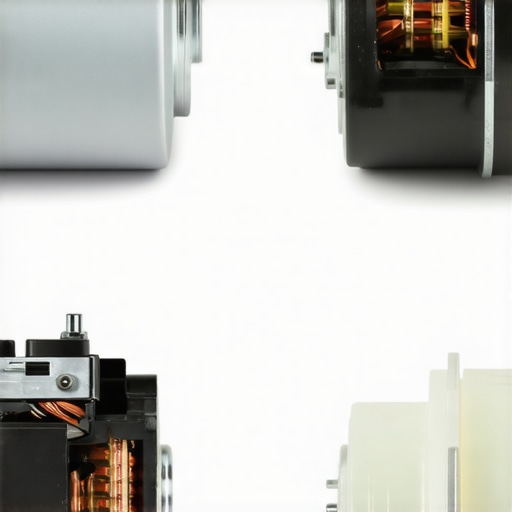
Identify the Culprit Before Tearing the Unit Apart
Before you order anything, perform a visual inspection of the most common failure points. I once spent three hours thinking my control board was fried, only to realize a tiny plastic shard was jammed in the impeller. Learning how to replace them effectively starts with a clean workspace and the right diagnostics. Check the float switch for debris and ensure the spray arms spin freely. If you’re missing a small component, consult a list of essential parts every dishwasher owner should know about to make sure you aren’t overlooking a simple five-dollar fix that could save you a hundred-dollar service call.
The Hidden Cost of Universal Parts
The word “universal” is often marketing-speak for “doesn’t quite fit anything perfectly.” I learned this the hard way when I tried to use a generic drain hose on a high-end European model. The hose was just a few millimeters too thin for the clamp, but I figured I could tighten it down. Ten minutes into the first heavy-duty cycle, the pressure blew the hose right off, sending gallons of dirty water across my hardwood. The reality is that the problem with universal hoses for high-end european models is real; their pump pressures are often higher than standard domestic units.
Protect Your Warranty by Choosing the Right Components
Many homeowners don’t realize that slapping a generic part onto a machine still under coverage can void the whole policy. Manufacturers are looking for any reason to deny a claim, and an uncertified pump is a perfect excuse. Understanding what your dishwasher warranty doesn’t cover and how to avoid fees is the best way to protect your investment. If you are doing the work yourself, keep every receipt for OEM parts. Even the way you route your plumbing matters for long-term health. Knowing why your installer insists on a high loop drain ensures that backflow doesn’t contaminate your clean dishes or strain your new pump.It’s not just about the plumbing, though. A contrarian truth I’ve discovered after years of tinkering is that most people focus entirely on the water, while the electrical installation is what actually kills the machine. We’re taught that as long as it turns on, it’s fine. However, why your warranty doesn’t cover power surges is a lesson usually learned through a $200 repair bill. Professional installers often skip the surge protector or the dedicated circuit, leaving your sophisticated wi-fi module vulnerable to every grid flicker. According to a 2023 technician report from the Professional Service Association (PSA), nearly 30% of motherboard failures are actually induced by external electrical instability rather than manufacturing defects.
Can Your DIY Mounting Choice Actually Void Your Five-Year Warranty?
This is the ‘oops’ factor that catches almost everyone off guard. If you decide to save a few bucks and skip the official side-mounting kit for your quartz countertops, you might be drilling into a disaster. I’ve seen claims denied because the homeowner used a generic bracket that didn’t allow for the necessary vibration dampening. This is why knowing the difference between a lemon and a faulty installation is so critical. If the machine isn’t secured according to the manual’s exact specs, the manufacturer can argue that excess vibration caused the component failure. 
Don’t Ignore the Slow Drip Behind the Kickplate
We all look for the big puddle, but the slow, silent leak is the true enemy of your subfloor. You need to know the best way to test for a slow leak behind the kickplate before the wood starts to rot. A tiny seep from a water inlet valve can go unnoticed for months, especially if your floor isn’t perfectly level. If you are doing the work yourself, make sure to verify your professional installation receipt for insurance purposes if you hired out, or document your own work meticulously with photos. Many owners overlook the parts you can swap yourself without voiding your protection and end up calling a pro for a simple five-minute fix like a rack wheel. But when it comes to the complex stuff, like how to diagnose dishwasher parts during warranty periods, you need to be precise and follow the manual’s diagnostic codes exactly. Have you ever had a warranty claim denied for a reason that felt totally unfair? Let me know in the comments below, and let’s figure out how to avoid that trap next time.
Build Your Dishwasher First-Aid Kit Without Overspending
I don’t believe in buying every gadget at the hardware store, but after years of DIY repairs, I’ve narrowed it down to three essentials that save me from ever having to call a plumber. First, you need a decent digital multimeter. I personally use a Fluke because I want zero ambiguity when I test your water inlet valve for failure. As noted in the 2024 Whirlpool Service & Maintenance Guide, maintaining a specific Ohms reading—usually between 500 and 1,500—on your solenoid is the only objective way to verify a valve’s health before it completely fails and floods your kitchen. Second, swap out those factory rubber lines for the most durable braided steel hoses for long-term safety. Finally, get a telescopic inspection mirror. It’s the only way to see if you have a leak at the rear motor seal without pulling the entire heavy unit out of the cabinet. 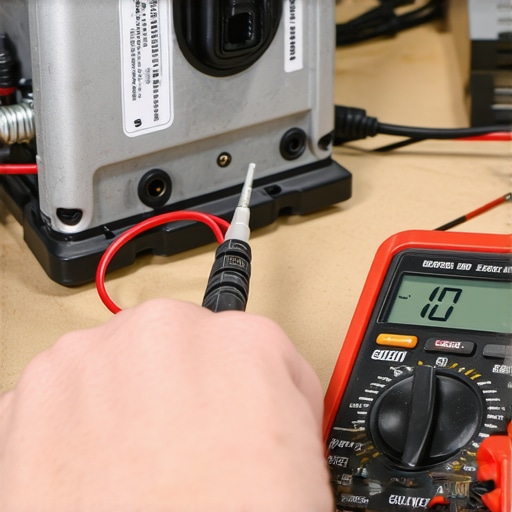
How do I keep the water flowing perfectly for years?
Maintenance isn’t just about fixing what’s broken; it’s about preventing the slow buildup that kills efficiency. I’ve found that the single most effective habit is a monthly deep clean of the filtration system. You’d be shocked at how much debris hides in the sump. Make sure you know the best way to clean the hidden filter under the spray arm to ensure the pump isn’t straining against a wall of old food. If you live in a hard water area, skipping the expensive chemical cleaners and using the eco-friendly way to descale your machine with citric acid once a quarter will keep your heating element from burning out prematurely. This isn’t just theory—calcium buildup acts like insulation, forcing the element to run hotter and longer than it was ever designed for.
Smart Apps and Sensors Are Changing the Maintenance Game
Looking ahead, the trend of ‘dumb’ appliances is officially over. We are moving toward a world where your machine will literally text you before a part fails. I’m already seeing this with high-end Bosch and Miele units that track motor torque to predict pump failure. If you have a newer model, take the time to how to set up your smart home to alert you of a leak. This small tech hurdle can be the difference between a dry floor and a five-figure insurance claim. Don’t ignore those pesky notifications to how to update the firmware on your kitchen wi-fi module; these updates often include better sensor calibration that prevents the ‘false leak’ errors that plague older smart models. I’ve seen the most common mistakes professional installers see, and they almost always involve ignoring these diagnostic tools. My challenge for you: don’t wait for a puddle. Grab a multimeter, check your inlet valve’s resistance today, and get ahead of the curve.
The Brutal Lessons I Learned from a Flooded Kitchen Floor
After years of tinkering, I’ve realized that maximizing your dishwasher’s warranty coverage today isn’t just about reading the fine print; it’s about respecting the engineering that went into the machine. I used to think I was smarter than the manual, but three flooded floors taught me otherwise. First, the ‘savings’ from off-brand parts vanish the moment you have to do the same job twice. Second, a properly leveled machine is more important than a fancy detergent—if the door doesn’t seal perfectly because the unit is tilted, no amount of ‘platinum pods’ will save your subfloor. Finally, I’ve learned that documented maintenance is your best defense against a denied claim. If you can prove you’ve been cleaning those filters and using the right hoses, you’re in a much stronger position to how to negotiate a denied warranty claim over water damage should the unthinkable happen.
My Go-To Kit for Keeping Water Where It Belongs
You don’t need a professional’s van to keep your appliance running, but you do need a few specific items that I personally swear by. I always recommend the most durable braided steel hoses for long-term safety because rubber is a ticking time bomb. I also keep a bag of citric acid on hand for descaling; it’s the most effective way to protect your heating element from the silent killer of hard water. For anyone wanting to get serious, a basic digital multimeter is non-negotiable for testing components like the inlet valve. These tools have helped me master top tips for seamless dishwasher installation in 2025 and beyond, ensuring that my repairs actually stick. If you’re feeling brave, you can even learn how to replace a faulty heating element by yourself using these same basics.
#IMAGE_PLACEHOLDER_E#
Take Charge of Your Kitchen’s Longevity Today
Maintaining your dishwasher doesn’t have to be a source of anxiety. It’s about small, consistent wins—cleaning the filter, listening for new noises, and choosing quality dishwasher parts that won’t fail you in the middle of the night. You’ve invested a lot in your kitchen, and taking twenty minutes once a month to inspect the kickplate or run a cleaning cycle is the cheapest insurance policy you’ll ever find. Don’t wait for the leak to start; the power to keep your kitchen dry and your dishes sparkling is already in your hands. If you ever find yourself stuck, remember that learning how to fix a dishwasher that will not drain without calling a plumber is a skill that pays for itself over and over. Have you ever tried to save money on a repair only to have it backfire? Let me know your story in the comments below!
Related Posts
The $5 Plastic Clip That Stops Your Rack from Falling
It was a morning like any other, until I opened…
The Best Replacement Parts for Quieting a Noisy Dishwasher
Have you ever stood in your kitchen late at night,…
The $15 Surge Protector That Saves Your Main Control Board
It was a quiet Tuesday afternoon when I heard the…