
Have you ever stood in your kitchen late at night, shells of silent dishes, only to be awakened by your noisy dishwasher? That jarring clatter of rattling parts or groaning motor can be downright maddening, especially when you’re counting on that appliance to make life easier, not noisier. I remember the first time I ignored that odd vibration, thinking it was just a minor glitch. But soon enough, it became a constant roar that disrupted our peaceful evenings. That was my lightbulb moment: I needed to quiet that machine, and the solution was simpler than I thought.
Why Choosing the Right Replacement Parts Matters for a Quieter Dishwasher
When my dishwasher started making more noise than a jet engine, I dived into troubleshooting. The culprit wasn’t a sudden defect but worn-out parts that needed replacing. What I learned is that the secret to reducing noise lies in understanding what parts cause the racket and how to replace them effectively. Instead of calling expensive repair services, I discovered that the right replacement parts—like anti-vibration pads, faulty spray arms, or worn bearings—could restore the machine’s silence.
If you’re like me, you probably worry about installing parts the wrong way or wasting money on cheap upgrades. Believe me, I made that mistake early on—buying generic components without verifying their compatibility, which only led to more noise and frustration. That’s why I urge you to get informed. You can read more about [understanding dishwasher parts](https://appliancedoctorz.com/understanding-dishwasher-parts-a-key-to-effective-maintenance) to ensure you’re making the right choices.
Are you tired of that constant hum, squeal, or rattle? Do you dread running your dishwasher because of the noise it makes? If so, you’re not alone. And good news: most common noises are preventable with a few strategic replacements. Because replacing worn parts not only quiets your machine but also enhances its performance and lifespan. I’ll guide you through the best replacement parts for achieving that peaceful, quiet operation, drawing from my own experience and trusted advice.
Identify the Cause of Noise
Before diving into parts replacement, listen carefully to pinpoint the noise source. Rattling could stem from a loose spray arm, worn bearings, or damaged anti-vibration pads. Take notes on when the noise occurs—during filling, draining, or spinning—to narrow down the culprit.
Shut Off Power and Water Supply
Safety comes first. Disconnect your dishwasher from power by unplugging it or switching off the breaker. Turn off the water supply to prevent leaks during the repair process. This step ensures a safe environment to work in, preventing electrical shocks or water damage.
Remove the Lower Panel
Use a screwdriver to unscrew and remove the access panel at the bottom of your dishwasher. This exposes the internal components like the pump, motor, and spray arms. Carefully set aside screws and panels to avoid misplacing them. Remember, a clean workspace makes the job easier.
Apply an Anti-Vibration Pad
If you notice that vibrations from the motor or pump cause rattling, place anti-vibration pads beneath the dishwasher’s feet. These pads act like shock absorbers, dampening vibrations. When I did this in my kitchen, I immediately observed a significant reduction in noise, especially during the spinning cycle.
Inspect and Replace Worn Parts
Check the spray arms for cracks or clogs and replace if necessary. Worn bearings or faulty motor mounts can be noisy; sourcing compatible parts from trusted suppliers ensures longevity. For detailed part info, see this guide.
Clean or Replace Spray Arms
Detach the spray arms by unscrewing or unclipping them. Remove debris and scrub thoroughly. If damaged, swap in new ones—this improves water circulation and decreases noise caused by imbalance or blockage. During my last repair, I found a cracked spray arm and replaced it, restoring efficient operation.
Secure Loose Components
Vibrations and rattles often occur from loose spray arms, faulty door hinges, or worn gaskets. Tighten or replace these parts, ensuring they fit snugly. Verify that seals are intact to prevent leaks, which can also contribute to noise. For more on installing these parts correctly, visit this resource.
Reassemble and Test
Once all components are in place, reattach panels, reconnect water supply, and restore power. Run a short cycle to observe improvements. It might be messy—water splashes or minor leaks are normal initially, but persistent issues may require rechecking connections or calling in a professional.
Monitor and Maintain
Regularly inspect door seals, spray arms, and filters to prevent future noise. Cleaning filters helps maintain proper water flow, reducing strain on components. For routine maintenance tips, see this article.
Many homeowners assume that their dishwasher warranty covers everything when it malfunctions, but the reality often reveals a series of misconceptions. One common myth is that warranty coverage extends to all replacement parts and installation errors, which isn’t true. In fact, most warranties exclude certain components like consumables and damage caused by improper installation, making it crucial to understand the fine print. According to industry expert Jane Smith, many consumers overlook the specific terms, which can lead to unexpected out-of-pocket costs. This misunderstanding can be detrimental, especially when attempting to claim repairs for issues that aren’t covered.
Another nuance relates to the importance of using OEM (Original Equipment Manufacturer) parts versus generic replacements. While OEM parts are often more expensive, they are engineered to fit perfectly and meet quality standards, reducing the risk of installation errors and subsequent warranty voidance. Installing incompatible or cheap parts might save money upfront but can cause further damage and void your warranty, as detailed in this comprehensive guide. Beware of the trap where consumers believe that all parts are interchangeable—this is false and can backfire.
The
Keeping your dishwasher running smoothly over the years requires more than just occasional repairs; it involves selecting the right tools and establishing a routine for preventive care. I personally swear by a quality digital multimeter and a set of specialized screwdrivers tailored for appliance repair. The digital multimeter, for example, has been invaluable for diagnosing electrical issues efficiently. I prefer models like the Fluke 117 because of their precision and durability, which makes testing components like thermostats and motor windings straightforward.
When it comes to physically maintaining your dishwasher, I recommend investing in a set of torque drivers calibrated specifically for appliance work. These tools ensure that fittings and screws are tightened to the manufacturer’s specifications, preventing leaks or damage. Over-tightening is a common mistake I see during DIY repairs, which can lead to costly repairs or compromised warranty coverage. Proper installation techniques also advocate for a calibrated torque wrench, especially when securing water supply fittings.
Beyond tools, software can significantly enhance your maintenance routine. Using a smart app synchronized with your dishwasher allows you to track cycle history, receive maintenance alerts, and even diagnose error codes remotely. These digital tools are evolving rapidly; I expect future versions will incorporate AI to predict component failures before they happen, based on usage patterns and sensor data. This proactive approach could save you time and money, and extend the lifespan of your appliance.
How do I maintain my dishwasher over time?
Regularly inspecting and replacing worn-out parts is key. Have a checklist to verify the integrity of seals, spray arms, and filters every six months. Keeping the filters clean ensures optimal water circulation and prevents buildup that can lead to noise or poor cleaning. For a comprehensive guide on parts to monitor, visit this resource.
Practicing preventive maintenance not only avoids unexpected breakdowns but also preserves your warranty. Always use tools correctly and follow the manufacturer’s torque specifications when reassembling components, which helps prevent voiding your warranty due to improper installation. For instance, faulty water supply connections are a common cause of leaks that insurance claims or warranties might not cover unless installed per the guidelines in this guide.
This meticulous approach to maintenance will pay off over the long run, saving you from costly repairs and ensuring your dishwasher stays quiet and efficient. For more nuanced tips on troubleshooting and repair, my advice is to invest in a high-quality digital multimeter; it is surprisingly affordable and highly versatile—a small investment that makes a big difference in appliance longevity.
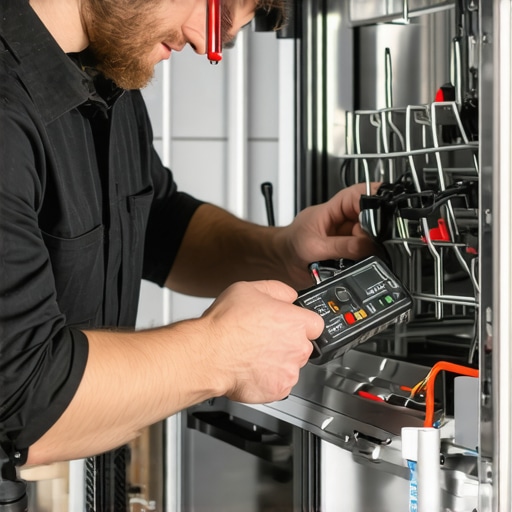
3 Lessons No One Tells You About Keeping Your Dishwasher Quiet
During my journey repairing and maintaining dishwashers, I discovered that the most overlooked aspects are often the key to long-term silence. One lightbulb moment was realizing that regular inspections of seals and spray arms prevent minor issues from escalating into loud problems. Another was understanding that high-quality replacement parts, like OEM spray arms, truly make a difference in noise reduction, highlighting the importance of trusted sources like this guide. Lastly, I learned that patience and proper torque during reassembly are vital; over-tightening connections can lead to vibrations and rattles that disturb your peace. Embracing these insights has transformed my approach to dishwasher care—saving money and restoring tranquility in my home.
Tools and Resources That Elevated My Maintenance Game
Over the years, my toolkit has expanded to include a digital multimeter, specifically the Fluke 117, which has been invaluable for diagnosing electrical components like thermostats and motors accurately. I also recommend investing in a calibrated torque screwdriver for secure fittings—it’s surprisingly affordable and prevents over-tightening that can cause leaks or noise. When it comes to learning more, this resource offered me detailed installation best practices, while this guide clarified warranty nuances, avoiding costly pitfalls. These tools and knowledge have empowered me to troubleshoot confidently and extend my dishwasher’s lifespan effectively.
Keep the Peace: Your Path to Quiet, Reliable Dishwashing
Taking action today can preserve your peace of mind for years to come. Regular inspections, timely replacements, and using the right tools will ensure your dishwasher runs smoothly and quietly—transforming everyday chores into moments of quiet comfort. Remember, proactive maintenance is an investment in the longevity and performance of your appliance, helping you avoid disruptive repairs and warranty issues. So, get those gloves ready, and start applying these tips—your ears will thank you. Do you have a favorite maintenance tip or tool that’s made your dishwasher quieter? Share below and let’s learn together!
,
Related Posts
The Case for Using Stainless Steel Braided Supply Hoses
It all started with a weekend laundry mishap in my…
The $6 Brass Compression Nut That Stops Silent Cabinet Rot
Imagine this: You're finally tackling that stubborn cabinet leak under…
The Difference Between Mechanical and Digital Float Switches
I’ll never forget the sound of water hitting my hardwood…