
I’ll never forget the afternoon I spent crouched on my kitchen floor, surrounded by a puddle of lukewarm soapy water and a smartphone that insisted my dishwasher didn’t exist. I had just finished what I thought was a [IMAGE_PLACEHOLDER] seamless dishwasher installation, only to find myself defeated by a blinking blue Wi-Fi icon. It’s a humbling moment when your appliance is more technologically advanced than your patience. My socks were wet, my back ached, and I was so focused on the ‘smart’ part that I’d completely neglected the basics, like checking for essential parts for troubleshooting installation issues before trying to sync everything up. I thought the app would just ‘know’ what to do. Spoiler: it didn’t. Today, I want to save you from that same frustration. We’re going to bridge the gap between your plumbing and your hub so you can finally get those ‘cycle finished’ notifications while you’re actually relaxing on the couch.
How to Get Your Kitchen Hub and Dishwasher on Speaking Terms
Connecting your dishwasher isn’t just about being the person with the most gadgets in the neighborhood; it’s about making the machine work for your lifestyle. When I finally got mine synced properly, I realized I could set up my app for off-peak energy savings, which actually shaved a noticeable amount off my monthly utility bill. It’s about more than just convenience; it’s about cold hard cash and efficiency. However, a major mistake I made early on—and one I see neighbors make constantly—was assuming my home network was the problem. I spent hours rebooting my router like a madman, when in reality, I just needed to update the firmware on my kitchen Wi-Fi module. Don’t be like me and waste three hours resetting your router for no reason. According to the experts at Energy Star, smart appliances are pivotal in reducing peak load demand on the power grid. But before we get into the nitty-gritty of IP addresses and signal strength, let’s address the elephant in the room. Have you ever stood in your kitchen, glaring at a blinking light, feeling like the machine was winning?
Is This Smart Home Integration Actually Worth the Hype?
You might be wondering if adding another device to your network is just a recipe for a headache. I get it. My initial skepticism was sky-high, especially when I couldn’t figure out the real reason my smart app couldn’t find my dishwasher. I felt like I was paying a premium for a feature that only wanted to tell me my soap was low. But once you see the data on water usage and realize you can troubleshoot problems from your bed, you’ll never want to go back to a ‘dumb’ machine. It transforms a chore into a managed system. We are going to walk through the exact steps to ensure your hardware is ready and your software is willing to cooperate, starting with the one part most people ignore until it leaks.Setting up a smart dishwasher is like building a high-performance car; you can have the best engine in the world, but if the wheels aren’t bolted on, you’re going nowhere. Before you even think about the Wi-Fi password, you need to ensure the physical skeleton of the installation is flawless. I learned this the hard way during a humid Tuesday evening when I tried to reuse a crusty old drain hose. I thought I was being clever and thrifty, but three days later, my kitchen smelled like a swamp because I ignored the why your drain hose needs a high loop to stop the smell rule. The machine was ‘smart’ enough to tell me there was a drainage error, but it couldn’t fix my laziness.
The Physical Foundation of a Smart Setup
You must start with the essential parts every dishwasher owner should know about. If you’re using flimsy plastic connectors instead of the most durable braided steel hoses for long-term safety, you are basically asking for a flood. Smart sensors are incredibly sensitive to pressure changes, and a cheap hose that kinks or expands under heat will trigger ‘leak’ alerts that aren’t actually leaks. 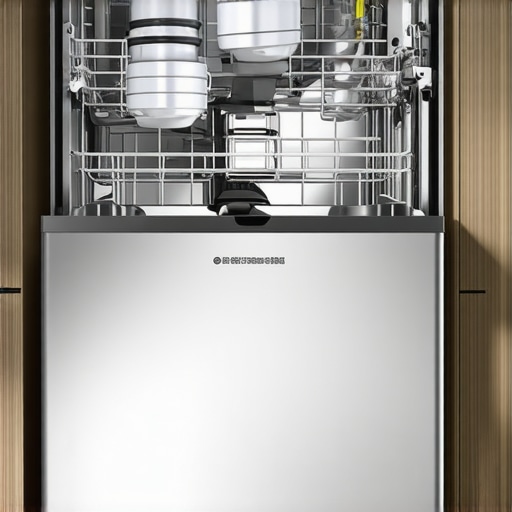
Keep Your Warranty Intact While You Tweak
One thing that caught me off guard was how easily a DIY job can void a multi-year protection plan. When you’re picking out components, focus on maximizing your dishwashers warranty through proper parts selection. Manufacturers are notoriously picky. If you use a generic power cord instead of the OEM-specified one, and that cord shorts out, you’re on the hook for the repair. I always tell friends that parts to check when installing a dishwasher for long-term performance include the mounting brackets and the junction box. If the unit wobbles even a millimeter, it can strain the door seal over time.
The Real Reason Your App Refuses to Connect
Once the plumbing is solid, you move to the digital handshake. If you find yourself screaming at your phone, check if the machine is actually in ‘broadcast’ mode. Most people assume the Wi-Fi is just ‘on,’ but usually, there’s a specific button combination—like holding ‘High Temp’ and ‘Start’ for three seconds—to wake up the module. If it still fails, it’s often because why your smart dishwasher keeps asking for a software update is the underlying issue. The hardware is trying to talk to an app that’s three versions ahead of it. You might need to hardwire the connection or use a localized hotspot just to push that first firmware update through. This isn’t a failure of the machine; it’s just the ‘digital growing pains’ of modern appliances. If you encounter a persistent ‘no signal’ error, it might be the real reason your smart app cant find your dishwasher: interference from the massive metal box (the dishwasher itself) blocking the signal from a router that’s too far away.
Stop Trusting Those Universal Installation Kits
Everyone tells you that a dishwasher install kit is a commodity—that the $15 bag of parts from the big-box store is identical to the one from the manufacturer. In my experience, that is a dangerous myth that can cripple a high-end machine before it even runs its first cycle. Modern smart dishwashers are engineered with incredibly tight tolerances for water flow and pressure. When you use a generic component, you’re often dealing with the difference between OEM and generic water inlet valves that can vary just enough to trigger a persistent sensor error. I’ve seen homeowners tear their hair out over ‘insufficient flow’ alerts, only to realize the internal diameter of their ‘universal’ hose was a fraction of a millimeter too small. If you want to ensure your machine actually performs like the flagship model you paid for, stick to the brand-specific recommendations. 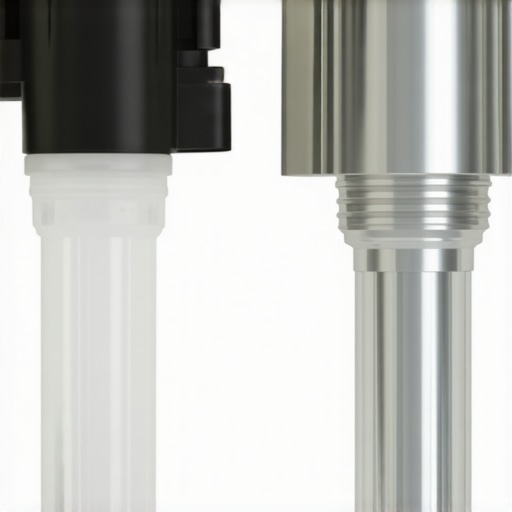
The Invisible Trap of Hard Water
Another nuance that most beginners overlook is how your home’s environment interacts with your legal protection. You might think your complete list of dishwasher parts covered by warranty is an ironclad safety net, but there is a massive ‘oops’ factor involving your water quality. According to the Association of Home Appliance Manufacturers (AHAM), mineral buildup from untreated water is one of the leading causes of premature solenoid failure. I’ve had many conversations with frustrated neighbors who found out the hard way about the impact of hard water on your warranty eligibility. If a technician finds your pump is seized due to calcium scaling, the manufacturer will likely label it ‘environmental damage’ rather than a defect, leaving you with a $400 repair bill.
Can I Really Lose My Coverage for Using the Wrong Hose?
The short answer is yes. Beyond just performance, maximizing your dishwashers warranty through proper parts selection is about legal compliance. Many people don’t realize that using an uncertified power cord or an improperly rated drain line can give a manufacturer a reason to deny a claim. This is especially true when it comes to why your manufacturer warranty excludes power surge damage; if the machine isn’t installed exactly to the manual’s electrical specifications, they’ll blame your wiring instead of their circuit board. Always keep your records. One of the biggest risks of skipping the professional installation receipt is that you lose the ‘proof of proper start-up’ that many companies demand during a dispute. Make sure you understand the guide to dishwasher parts warranty before you throw away any packaging or receipts. It’s about more than just the machine; it’s about protecting your investment from fine-print loopholes. Have you ever fallen into this trap of thinking a ‘universal’ part was good enough? Let me know in the comments.If you want to move beyond just surviving the installation and actually thriving as an owner, you need a specialized toolkit. I don’t mean a massive chest of wrenches. I’m talking about a simple digital multimeter and a pack of stiff-bristled brushes. A multimeter is my secret weapon for the most reliable way to test a thermal fuse without guessing. Last winter, my unit wouldn’t even power on. Instead of panicking and ordering a new control board, I spent two minutes testing for continuity. It was a $15 fix. Gaining confidence in understanding dishwasher parts a key to effective maintenance is what separates the DIY masters from those who just throw money at every blinky light.
The Two Tools That Save Me Hundreds Every Year
Beyond the electronics, you need to get comfortable with the ‘gunk’ zones. I personally keep a dedicated set of dental picks and a bright LED headlamp in my kitchen utility drawer. Why? Because you can’t fix what you can’t see. I use the picks for how to clean a clogged spray arm with a toothpick or similar fine tools to clear out the calcium deposits that high-end sensors hate. Even the smartest machine becomes ‘dumb’ if its spray arms are choked. 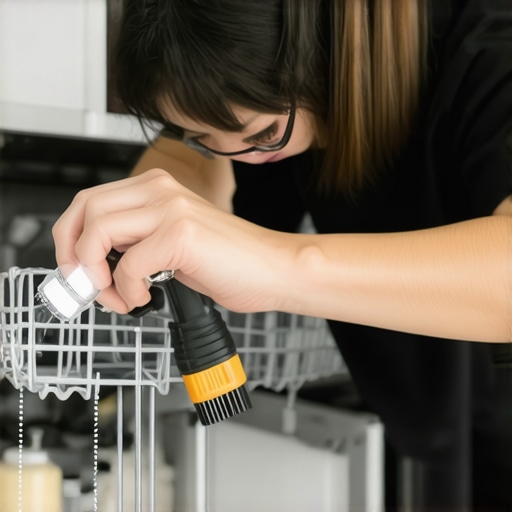
How do I keep my dishwasher alive for the long haul?
Maintenance isn’t a once-a-year event; it’s a rhythm. Every month, I perform a ‘seal and screen’ check. This involves inspecting the 5 dollar gasket that prevents a 500 floor repair for cracks or food debris. If that rubber dries out, your warranty won’t cover the water damage to your subfloor. You also need to know the best way to clean the hidden filter under the spray arm. According to the Association of Home Appliance Manufacturers (AHAM), a clogged filter can force the motor to work 30% harder, significantly shortening its lifespan. I’ve seen motors burn out in three years just because the owner didn’t know there was a secondary screen. Knowing when to replace dishwasher parts for optimal performance means watching for those subtle signs—like a slightly louder hum or longer cycle times—before they turn into a total breakdown.
The Future of Smart Cleaning is Already Here
Looking ahead, we’re moving toward a world where your dishwasher will use AI to listen to its own motor. Companies are already testing acoustic sensors that can detect a failing bearing weeks before it seizes. But until that becomes standard, you are the primary sensor. Don’t ignore the small stuff. If you notice a change, check the data logs. I challenge you to grab a headlamp tonight and look at your lower spray arm. If you see even one hole blocked by a seed or a piece of plastic, clear it out. That five-minute task could be the difference between a clean load and a wasted evening.
The Hard Truth About My First DIY Disaster
I used to think a dishwasher was just a box that sprayed water, but the digital age changed the rules of the game. One lightbulb moment for me was realizing the difference between OEM and generic water inlet valves; a generic part might save you ten bucks today, but it can confuse your smart sensors and lead to a mid-cycle shutdown. I also learned that the paperwork is just as important as the plumbing. One of the biggest risks of skipping the professional installation receipt is that you lose your leverage if a control board fries six months later. Finally, don’t ignore your home’s electrical health. I was shocked to find out why your warranty doesnt cover power surges—most manufacturers view external electrical spikes as your responsibility, not theirs. #IMAGE_PLACE_HOLDER_E#
Gear That Stops the Stress Before It Starts
To keep your kitchen running smoothly, I recommend building a ‘dishwasher first aid kit.’ First, get a digital multimeter. It is the most reliable way to test a thermal fuse and saves you from replacing parts that aren’t actually broken. Second, never skimp on your connections; I only trust the most durable braided steel hoses for long-term safety because they resist the high-pressure pulses of modern cycles. Lastly, keep a digital folder on your phone with the guide to dishwasher parts warranty provided by your brand. Having those PDF manuals at your fingertips while you’re under the sink is a total game-changer.
Your Path to a Smarter Kitchen Starts Now
You don’t need to be a master plumber to have a high-performing kitchen. It all comes down to a shift in mindset: seeing your appliance as a sophisticated system rather than a silent servant. By embracing the fact that understanding dishwasher parts a key to effective maintenance, you take back control from the repairman. You’ve got the tools, the tech knowledge, and the strategy to keep your machine humming for a decade or more. Did your smart app ever give you a ‘phantom’ leak alert, or was there actually a puddle waiting for you? Let me know your craziest installation stories below.
Related Posts

Why Your Smart App Maintenance Alerts Save You Hundreds Yearly
It was a morning like any other—until I opened my…
The Hidden Reason Your Smart Dishwasher Won’t Connect to Wi-Fi
There was a moment in my kitchen when my brand-new…
How to Recover Data Logs from Your Smart Control Board
There I was, standing in a puddle of lukewarm greywater…