
It was a humid Tuesday evening when I heard that distinct, soggy squelch under my slippers. My budget-friendly dishwasher, the one I’d proudly bought to save a few bucks, had finally given up on me. As I pulled it out, I saw the gray, warped plastic interior—it wasn’t just stained; it was brittle and smelled like a locker room. I had focused so much on the initial price that I completely ignored the environmental and mechanical toll of my choice. Today, I want to share exactly why that tub material is the most important decision you’ll make for your kitchen’s footprint and your own sanity.
Your Interior Material Dictates How Long Your Machine Actually Lives
Making the choice between plastic and metal isn’t just about looking fancy. It changes how your machine handles heat, noise, and even stubborn odors. I used to think a tub was just a tub until my plastic one developed a hairline fracture that was nearly impossible to find. That nightmare reminded me that learning how to find a hidden leak under the motor housing is a skill nobody actually wants to use. Stainless steel is much more than a cosmetic upgrade; it allows for higher water temperatures which is why the heavy cycle is actually better for your machine health and overall hygiene. If you are currently planning a remodel, make sure you know how to prepare your kitchen for dishwasher installation to accommodate a slightly heavier, high-quality steel unit.
Is a metal tub really worth the extra cash?
This is the hurdle where most of my neighbors get stuck. They see the price gap and run back to plastic. However, stainless steel is a master of heat retention. According to experts at Yale Appliance, steel walls radiate heat back onto your plates, which means you can often skip the energy-hogging ‘heated dry’ setting. This solves the common frustration of why your silverware is still wet after the dry cycle. Years ago, I made the mistake of thinking a plastic tub was ‘good enough,’ only to realize I was voiding my long-term savings. You also have to be careful about the mistake that voids your lifetime tub warranty, which is far more common with cheaper builds. Have you ever noticed your dishwasher smelling funky even right after a wash? Let me know if you’ve dealt with those stubborn plastic odors too.
Get Your Kitchen Ready Before the Unit Arrives
If you’ve decided to upgrade from a flimsy plastic tub to a robust stainless steel unit, you need to prepare for a literal heavy lift. Think of your dishwasher like a car chassis; a plastic tub is a lightweight golf cart, while steel is a heavy-duty truck. When I switched mine out, I underestimated the weight and almost gouged my vinyl flooring. You must know how to prepare your kitchen for dishwasher installation by checking your floor level and ensuring the cabinet opening is perfectly square. A steel unit is less forgiving of a crooked house than a plastic one that can slightly flex. It is also the perfect time to review top tips for seamless dishwasher installation in 2025 to avoid the common headache of a unit that sticks out past your counters. 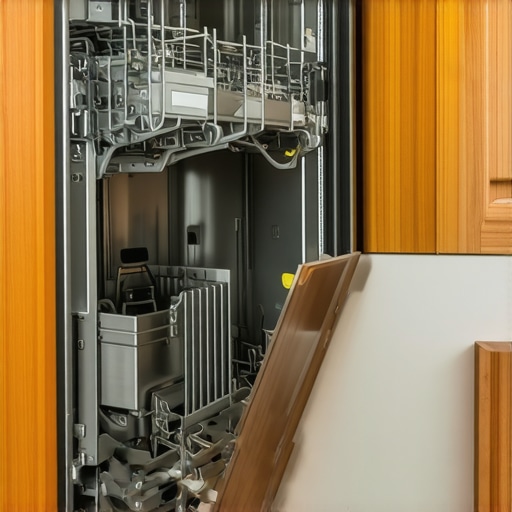
Check Your Connection Points Early
Most people wait until the machine is in the room to look at their plumbing, but that’s a recipe for a Saturday afternoon meltdown. Before the new machine arrives, inspect your existing setup for essential parts for troubleshooting dishwasher installation issues. I once spent three hours wrestling with a corroded shut-off valve because I didn’t check it beforehand. You should also verify parts to check when installing a dishwasher for long-term performance, specifically looking for any signs of wear on your old supply lines. Steel tubs often come with better insulation, which can make the area behind the unit tighter, so cable management is key.
Keep Your Warranty Safe During the Transition
One of the biggest heartaches I see is homeowners accidentally voiding their protection during a DIY project. While you are elbows-deep in the cabinet, remember the way to protect your warranty during a kitchen remodel. This usually involves using approved hardware and avoiding any ‘hacks’ that involve cutting into the machine’s frame. If something feels off during the first run, knowing how to diagnose dishwasher parts during warranty periods can save you hundreds in service fees. I remember my first high-end unit made a strange clicking sound; because I knew which dishwasher parts were key to effective maintenance, I realized it was just a misplaced rack clip and not a failing motor.
Watch the Drain Line Like a Hawk
Installing a high-end machine with a steel tub doesn’t matter if your drainage is amateur. This is where most DIYers fail. You need to understand why your installer insists on a high loop drain. Without that simple loop, dirty sink water can backwash into your pristine stainless steel tub, leading to the exact odors you were trying to escape. While you’re at it, double-check your common dishwasher parts and their role in proper installation to ensure every gasket is seated. I once skipped a tiny washer on the inlet valve, only to wake up to a puddle. It’s also worth investigating the difference between OEM and generic water inlet valves if you’re replacing old parts, as the generic ones often fail under the higher pressure that high-efficiency machines require. By maximizing your dishwashers warranty coverage today through correct installation, you ensure that your investment in a quality tub actually pays off over the next decade.Building on that installation logic, there is one ‘green’ tip I see circulating online that actually causes more harm than good: using vinegar as a rinse aid. While many homeowners believe it is a natural miracle, the Association of Home Appliance Manufacturers (AHAM) has cautioned that the high acidity of vinegar can eventually degrade the internal rubber gaskets and specialized seals used in modern high-efficiency units. To keep your kitchen dry, you should stop using vinegar in your high-end smart machine immediately. This common practice is actually one of the most common mistakes professional installers see, often resulting in slow, hidden leaks that can damage your subfloor. 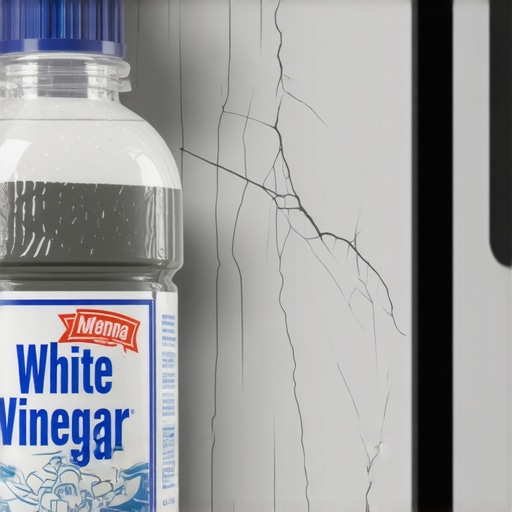
Why does my brand-new machine trip the breaker only when heating?
This is a sophisticated ‘trap’ that frequently catches DIYers off guard. You might find that why your machine trips the GFCI outlet only when heating is due to the natural ‘leakage’ current of the high-wattage heating element, which can trigger overly sensitive modern safety outlets. It is vital to understand common dishwasher parts and how to replace them effectively, but it is equally important to recognize that electrical infrastructure issues are rarely covered by the manufacturer. In fact, why your manufacturer warranty excludes power surge damage is a standard clause that makes a dedicated surge protector a non-negotiable part of your setup. When you are looking into when to replace dishwasher parts for optimal performance, always verify your home’s electrical stability first.
Stop Cavitation from Killing Your Circulation Pump
Another nuanced ‘oops’ factor involves the leveling of your machine. If your unit is even slightly tilted, the water pool shifts, causing the pump to suck in air—a process known as cavitation that creates a distinct humming sound. This wears down the impeller years before its time. Before you finalize the install, double-check your essential parts for troubleshooting dishwasher installation issues to ensure the leveling legs are set perfectly. Keeping the complete list of dishwasher parts covered by warranty nearby is helpful, but remember that how to get your warranty claim approved on the first try often depends on proving the unit was installed on a level surface. To truly save money, choose quality from the start; why OEM pumps outlast cheap alternatives every time is a lesson best learned before a flood occurs. Always know how to diagnose dishwasher parts during warranty periods so you can catch these issues early. Finally, review what your dishwasher warranty doesn’t cover and how to avoid fees to ensure you aren’t paying for a technician’s visit for an unlevel machine. Have you ever fallen into the ‘cheap parts’ trap or had a claim denied for a minor installation error? Let me know in the comments below!
Stop Guessing and Start Testing with a Multimeter
I’ve spent too many hours staring at a blinking error code, feeling like the machine was speaking a language I didn’t understand. Everything changed when I stopped relying on YouTube ‘hacks’ and bought a basic $15 digital multimeter. If you want to move from a casual owner to a pro, you need to know how to test your thermal fuse with a basic multimeter. This one tool removes all the guesswork from electrical failures. Instead of throwing parts at a problem, you can use the most reliable way to test a thermal fuse to see if the circuit is actually broken. Technical documentation from the Bosch Service Manual emphasizes that the heating element’s resistance must fall within a specific ohm range to avoid motherboard strain. By checking these values, you can how to spot a failing wash motor before it siezes, potentially saving you from a $400 repair bill next Thanksgiving. 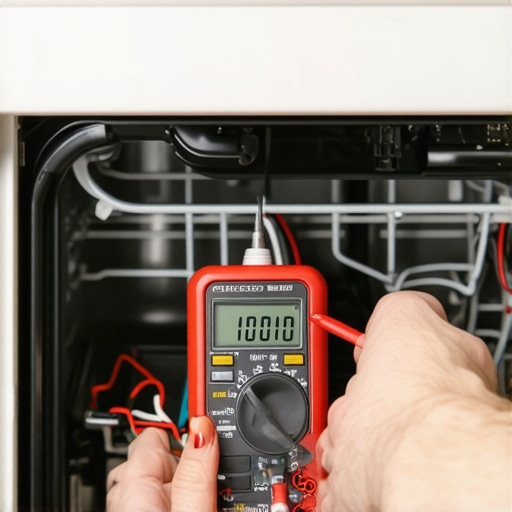
How do I keep my dishwasher running like new for a decade?
The secret isn’t just cleaning the filter; it’s managing the invisible enemies like calcium and vibration. Over time, hard water builds a crust on your internal components that acts like insulation, forcing the motor to work twice as hard. I make it a habit to use the easiest way to clean calcium from your heating element every six months. Beyond chemistry, you need to perform a physical ‘health check’ once a year. This involves pulling off the lower panel and knowing the best way to test for a slow leak behind the kickplate. Most catastrophic failures start as a tiny, salt-crusted drip that goes unnoticed for years. If you stay on top of when to replace dishwasher parts for optimal performance, you’ll never have to deal with a flooded kitchen at 2 AM.
The Future of Your Kitchen is Self-Diagnosing
We are rapidly moving into an era where your dishwasher will be smarter than your phone. I predict that within the next five years, manual troubleshooting will be almost entirely replaced by predictive AI. We are already seeing this with machines that notify you when a sensor is slightly off-calibration. This is exactly why your smart dishwasher keeps asking for a software update; it’s learning how to better detect leaks and optimize energy based on your specific water hardness. To keep up, I highly recommend installing the 20 smart sensor that detects leaks before your kitchen floods as an external backup. These small Wi-Fi-enabled pucks act as an insurance policy for your subfloor. If you’re feeling bold, I challenge you to try checking your element’s resistance today—it’s the ultimate way to stay ahead of the curve and truly master your home’s infrastructure.
Hard Truths from a Decade of Dishwasher Disasters
Reflecting on years of flooded floors and lukewarm water, the biggest takeaway I can offer is that your machine speaks to you long before it fails. If you start hearing a rhythmic thumping or a high-pitched whine, don’t just turn up the TV volume; that is your signal to investigate common dishwasher parts and how to replace them effectively before a minor fix becomes a total replacement. I once ignored a small door misalignment for months, only to find that the constant friction had shredded the gasket and warped the hinges. Another vital lesson: keep every single document from day one. I have seen too many neighbors lose out on hundreds of dollars because they couldn’t prove maximizing your dishwashers warranty coverage today requires a dated proof of purchase and installation. Lastly, never assume that ‘brand new’ means ‘set and forget’; the first 90 days are the most critical for catching manufacturing defects.
My Personal Arsenal for Appliance Longevity
To truly master your kitchen, you need more than just a sense of adventure. I recommend starting with a specialized toolkit that includes a set of flexible nut drivers—they are lifesavers for those cramped spaces under the tub. You should also keep a reference list of essential parts every dishwasher owner should know about so you can identify components like the float switch or thermal fuse on sight. For those who want the ultimate safety net, I cannot recommend the 20 smart sensor that detects leaks before your kitchen floods highly enough; it is a small investment that offers massive peace of mind. Finally, I regularly consult the Association of Home Appliance Manufacturers (AHAM) technical bulletins to stay updated on which detergents are currently best for high-efficiency seals.
#IMAGE_PLACEHOLDER_E#
Empower Your Kitchen with the Right Choice
Choosing between plastic and stainless steel is about more than just aesthetics; it is about how much you value your time and your home’s integrity. By taking control of your dishwasher installation and staying vigilant about parts and warranty details, you are not just maintaining an appliance—you are protecting your sanctuary. A well-maintained machine is a quiet, efficient, and reliable partner in your daily life. Don’t be afraid to get your hands a little dirty now to ensure a bone-dry kitchen for years to come. Have you ever discovered a hidden leak just in the nick of time, or did your machine give you a warning sign you wish you hadn’t ignored? Let me know your stories in the comments below!
Related Posts
The Secret to Using Vinegar Without Damaging Your Rubber Seals
Imagine this: You’re trying to give your dishwasher a good…

Stop buying expensive pods: the powder alternative that works
It happened on a busy Monday morning. I stood there,…
Why This Specific Detergent Pod Is Ruining Your Seals
It started with a tiny leak under my dishwasher that…