
I still remember the 2 AM squish. You know that sound? It’s the feeling of cold, soapy water soaking into your favorite wool socks as you walk into the kitchen for a glass of water. My ‘ultra-smart’ dishwasher, the one I spent three weeks researching, had decided to ignore its own brain and keep filling until my hardwood floors looked like a shallow pond. It was a nightmare. I stood there, half-awake, wondering why my phone hadn’t pinged me about a leak. I had spent nearly a thousand dollars on a machine that promised total peace of mind, yet here I was with a mop and a very expensive repair bill looming. It turns out, I had made a classic rookie mistake: I trusted the software more than the hardware.
The Humble Part That Protects Your Hardwood
After I dried the floor and spent way too much time salvaging my flooded kitchen, I realized the culprit wasn’t a glitch in the Wi-Fi. It was a simple, mechanical pressure switch—a $15 piece of plastic and rubber that had gotten gunked up with old detergent. This tiny component is the unsung hero of your appliance. While we often focus on the popular dishwasher parts like spray arms or heated drying elements, this little sensor is the only thing standing between a clean load of dishes and a call to your insurance adjuster. It is essentially a ‘dead man’s switch’ for water levels. Today, I want to show you why checking this part is the single most important thing you can do for effective maintenance, especially if you have a high-end unit that feels too complex to touch.
Can a cheap sensor really beat a smart app?
I get the skepticism. We live in an era where we expect our appliances to diagnose themselves. However, software can hang, and Wi-Fi can drop. A physical pressure sensor or float switch relies on basic physics—displacement or air pressure—which doesn’t need an internet connection to work. According to data from the Insurance Information Institute, water damage is among the most frequent and costly homeowners insurance claims, often stemming from simple mechanical failures. When I first started tinkering with my own machines, I actually broke the mounting bracket of a perfectly good sensor because I thought I could ‘recalibrate’ it with a heavy hand. Don’t be like me. You need to know when to clean it and when to replace parts entirely to keep things running smoothly. Have you ever noticed a mysterious puddle under your kickplate or heard your machine thumping as it tries to drain? Let me know, because catching that early is the difference between a $15 fix and a $1,500 floor replacement. Before you even think about installing a new dishwasher, you have to understand this tiny guardian.
Find the Heart of Your Drainage System
Before you start unscrewing every bolt in sight, you need to cut the power. I cannot stress this enough. I once skipped this step, thinking I was being ‘efficient,’ and ended up with a mild electric shock and a very annoyed spouse who had to reset the breaker. Safety is the first step in common dishwasher parts and how to replace them effectively. Once the power is off, you’ll usually find the pressure sensor hidden behind the kickplate—that metal or plastic panel at the very bottom of the machine. It is often a small, circular component with a thin plastic hose attached to it. This hose is the ‘nerve’ of the system; it uses air pressure to tell the control board exactly how high the water has risen in the tub.
Scrub the Gunk Before You Buy New Parts
One of the most frustrating things I’ve encountered is the ‘ghost leak.’ This is when the machine thinks it is overflowing even when it is dry, or worse, keeps filling when it is full. Most of the time, this is caused by a build-up of calcium or old grease inside the pressure tube. I remember a specific Saturday afternoon when I was convinced I needed a new control board. After three hours of frustration, I pulled the pressure tube and found a single, solitary pea lodged right at the entrance of the sensor. It was a the $10 fix for a dishwasher that wont drain or fill properly that I nearly missed. You can often clear these blockages with a bit of warm water or by gently blowing through the tube to ensure air moves freely. If the sensor itself is physically cracked or the diaphragm inside doesn’t ‘click’ when gently pressed, then you are looking at a replacement.
Don’t Void Your Coverage Just to Save a Few Bucks
If you own a high-end Bosch or Miele, your first instinct might be to fix it yourself to save on labor costs. However, you need to be extremely careful about how to diagnose dishwasher parts during warranty periods. I’ve seen homeowners lose out on a five-year tub warranty because they used a generic, third-party sensor that eventually shorted out the main board. Always verify understanding dishwasher warranty policies for peace of mind before you start swapping internal components. Many manufacturers are surprisingly strict; if they see evidence of a non-authorized repair, they might walk away from much larger future claims. I’ve learned the hard way that why your warranty claim fails without an authorized receipt is often due to these small, undocumented DIY ‘upgrades.’
Test the Connection Before Closing the Panel
Once you have cleaned or replaced the sensor, do not put the kickplate back on yet. You want to run a short ‘rinse’ cycle and watch the bottom of the unit with a flashlight. Look for the ‘thumping’ sound that suggests the water inlet valve is struggling, or check if the water cuts off at the right level—usually just below the heating element. It is much easier to tighten a hose clamp now than it is to realize you have a slow drip after you’ve already tucked the machine back under the counter. If you find the sensor is fine but the machine still acts up, you might need to check parts to check when installing a dishwasher for long-term performance to ensure the entire drainage line is clear.
The soft water trap no one tells you about
Everyone says hard water is the enemy, but let’s look at the other side of the coin. In my years of troubleshooting, I’ve seen that overly aggressive soft water can actually leach minerals directly from your machine’s internal components. This is the nuance of why soft water is ruining your dishwasher interior faster than hard water. While soft water prevents scale, it can cause ‘glass etching’ and degrade some rubber seals faster because the water is ‘hungry’ for minerals. It’s a classic example of too much of a good thing. Most owners think they’re doing their machine a favor, but they’re actually accelerating the wear on the very parts they’re trying to protect.
Don’t let an old fitting flood your kitchen
Here is the ‘oops’ factor I see constantly: the temptation to save five dollars by reusing a 10-year-old brass elbow or a supply line. You might think, ‘It’s metal, it doesn’t expire.’ Wrong. Brass becomes brittle over time due to a process called dezincification, where the zinc in the alloy leaches out. This is why your installer refuses to reuse your old brass fittings. If that old metal snaps under the pressure of a new high-efficiency valve, your kitchen becomes a pool before the first cycle even finishes. Always buy a new installation kit with stainless braided lines for peace of mind. 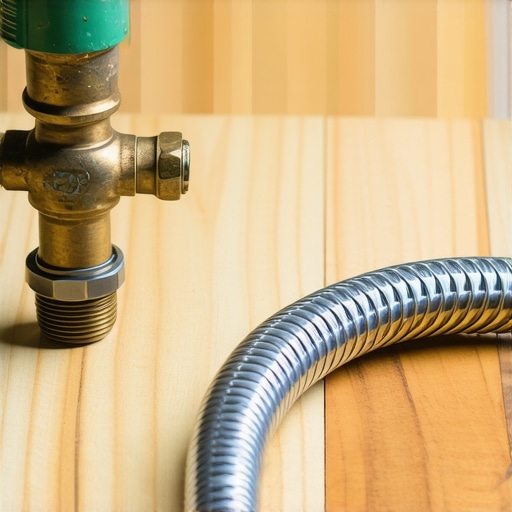
Will a missing high loop destroy your drain pump?
This is where the pros separate from the amateurs. If you look under your sink and don’t see your drain hose arched up high—fastened near the top of the cabinet—before it hits the disposal, you have a problem. This lack of a ‘high loop’ allows dirty sink water to backflow into your clean dishwasher. It’s not just gross; it forces your drain pump to work twice as hard to clear the stagnant water. I’ve seen this mistake lead to premature pump failure on brand-new units. Understanding why your installer insists on a high loop drain is vital for the long-term health of your machine. According to the Association of Home Appliance Manufacturers (AHAM), improper drainage setup is one of the leading causes of ‘early-life’ service calls that could have been avoided with a simple 30-second adjustment during installation.
Your receipt is more important than your wrench
Finally, let’s talk about the legal trap. You can be the best DIYer in the world, but if you don’t have a professional’s signature on that installation, your ‘lifetime’ warranty might be worth exactly zero. Many people don’t realize the risks of skipping the professional installation receipt until they try to file a claim for a cracked tub or a failed motor. Manufacturers love to find the mistake that voids your lifetime tub warranty, and ‘unauthorized installation’ is the easiest out they have. Even if you do the work yourself, consider paying a licensed plumber for a quick inspection and a signed invoice to keep your coverage intact. Have you ever fallen into this trap? Let me know in the comments.
I’ve spent a small fortune on fancy gadgets over the years, but when it comes to maintaining a ‘forever’ dishwasher, you only really need three specific things in your kitchen toolkit. First is a basic digital multimeter. You don’t need professional grade gear; a simple $20 unit is perfect for how to test your thermal fuse with a basic multimeter. Second is a set of long-reach Torx drivers—specifically T15 and T20 sizes—because most modern manufacturers use these to prevent casual tampering while staying efficient on the assembly line. Finally, a small telescoping inspection mirror. This is my secret weapon for expert advice on dishwasher installation troubleshooting without having to pull the entire 100-pound unit out of the cabinet every time I suspect a drip.
Why the Future of Dishwashing is Predictive
Looking forward, we are moving into an era where sensors do more than just check for binary leaks; they are becoming predictive. I am already seeing high-end units equipped with optical turbidity sensors and vibration monitors that can sense a failing pump bearing weeks before it actually seizes up. This is why it is increasingly important to know how to update the firmware on your kitchen wi-fi module. If the manufacturer refines the algorithm for soil detection via a software patch, it could literally save you fifty gallons of water a month. You can even use these connected features to learn how to set up automated detergent reordering on your smart app to ensure you never run out of the right chemistry for your local water profile.
According to the 2023 AHAM Dishwasher Sustainability Report, the average mechanical lifespan of a well-maintained unit is approximately 10.5 years, but that number drops to just 6 years if the filtration system and drainage components are neglected. This tells us that the ‘set it and forget it’ mentality is the quickest way to a premature replacement bill. The key is shifting from reactive repairs to a proactive rhythm.
How do I maintain my machine for a decade or more?
The biggest favor you can do for your machine is to stop over-thinking the ‘Eco’ button. While it’s great for energy conservation, the reality of why the heavy cycle is actually better for your machine health comes down to thermal management. A hot, heavy cycle run at least once a week liquefies the grease and fatty deposits that build up in the drain lines and keeps the most popular dishwasher parts, like the impellers and rubber seals, from becoming brittle. My advanced tip for you this week: Grab a flashlight tonight, pop off the kickplate while the machine is mid-cycle, and use the best way to test for a slow leak behind the kickplate. If you see even a single bead of moisture on the motor housing, you’ve just saved yourself from a $2,000 hardwood floor replacement.
Hard Truths About My Kitchen Floods and Failed Claims
After years of tinkering, I have realized that the most expensive part of a dishwasher isn’t the motor—it is the potential damage to your floor. One lightbulb moment for me was discovering that maximizing your dishwashers warranty coverage today starts with a simple paper trail. I used to throw away every receipt, thinking the digital age would save me, only to find my claim denied because I lacked physical proof of professional installation. Another hard lesson? Don’t assume everything is protected. Reviewing the complete list of dishwasher parts covered by warranty early on can save you a massive headache when a plastic rack clip snaps and you realize it is considered a cosmetic item. Finally, stop treating your dishwasher like a trash can; the pre-rinse is a myth, but the pre-scrape is a law if you want your pump to live past five years.
The Three Tools I Never Start a Repair Without
You do not need a professional workshop to maintain your unit, but a few specific items are non-negotiable for my peace of mind. First, I always recommend a digital multimeter; it is the only way to know for sure if a component is dead without guessing. Second, invest in a set of braided stainless steel supply lines rather than reusing the old ones. I have seen too many leak-proof setups fail because of a recycled brass fitting. Lastly, keep a cheat sheet handy for how to get your warranty claim approved on the first try so you are not scrambling for documentation while your kitchen is underwater. I personally trust the data from the AHAM for lifecycle expectations, as it helps me decide whether a repair is worth the investment or if it is time to shop for a new model.
Protect Your Home One Cycle at a Time
Maintaining your appliance does not have to be a full-time job. By simply listening to the sounds of the motor and keeping an eye on the drainage, you are already ahead of most homeowners. Your dishwasher is an investment in your time and sanity, and prioritizing understanding dishwasher parts a key to effective maintenance is the best way to ensure that investment pays off for a decade or more. Don’t be afraid to get your hands a little dirty—checking a pressure sensor today is much easier than mopping a flooded kitchen tomorrow. Have you ever had a warranty claim denied for a reason that felt totally unfair? Let me know in the comments below!
Related Posts
How Smart Leak Sensors Can Save Your Hardwood Floors
I'll never forget the sinking feeling in my stomach when…
The Hidden Reason Your Smart Dishwasher Won’t Connect to Wi-Fi
There was a moment in my kitchen when my brand-new…

Why Your Smart App Maintenance Alerts Save You Hundreds Yearly
It was a morning like any other—until I opened my…