I remember the sinking feeling I got when my brand-new dishwasher started leaking just a year after installation. I had followed all the advice, used recommended parts, and thought I was covered by the warranty. Turns out, I overlooked a few critical components that silently sabotaged my claim when I needed it most. That moment taught me a lot about the importance of understanding which parts truly matter for a reliable warranty in 2026.
Protect Your Investment by Inspecting Key Dishwasher Parts
If you’re like me, you want to get the most out of your appliance and avoid costly repairs or rejection of warranty claims. The truth is, many warranties fail because owners miss inspecting certain components during installation or maintenance. Today, we’re going to focus on the three critical parts to check to ensure your warranty remains valid and your dishwasher functions flawlessly for years to come. Proper inspection of these parts can make all the difference, especially given the stricter warranty policies rolling out in 2026. For comprehensive guidance, I recommend reviewing maximizing your warranty through proper parts selection.
Is Skipping These Inspections a Risk Worth Taking?
Admittedly, I made the mistake early on of neglecting a thorough inspection of hoses and connectors, thinking that a quick visual check was enough. That small oversight later caused a major headache when a part failed, and my warranty claim was denied. According to appliance experts, failure to verify the integrity of specific components can void your warranty—something I learned the hard way. Now I always double-check critical parts, especially those prone to wear or improper installation, to safeguard my coverage. Curious if your dishwasher’s warranty is still valid? Check out this guide to validating your 2026 warranty.
Next, let’s dive into the exact parts you need to scrutinize during your installation or routine maintenance. Mastering this process can save you money, stress, and hassle—so don’t miss it!
,
Identify Critical Components Before Installation
Start by gathering all the necessary parts, focusing on those flagged as warranty-sensitive by manufacturers. Check the complete list of dishwasher parts covered by warranty to ensure you have the essentials. To clarify, think of assembling your dishwasher like building a puzzle—each piece must fit perfectly to guarantee the entire picture, especially the warranty picture.
Double-Check Water Supply Lines
Next, inspect hoses and connectors thoroughly. This is akin to testing the plumbing for leaks before sealing a building; a small oversight can lead to significant issues later. When connecting water supply lines, make sure to tighten fittings securely and verify the use of correct connectors designed for your model. I remember during my last installation, I mistakenly reused an old hose, which caused a leak on the first run. Replacing it with a new, manufacturer-approved hose prevented future problems.
Ensure Proper Drainage Setup
The drain hose is often overlooked, yet it’s vital for both functionality and warranty validity. Think of it like a sewer system in a city—if it’s clogged or improperly connected, backups happen, risking water damage and warranty rejection. Position the drain hose at the correct height, typically 20 inches from the floor, and avoid crimping or kinking the tubing. During my own installation, I initially routed the drain hose incorrectly, which triggered errors and potential warranty issues. Adjusting it to meet the recommended specifications resolved the problem immediately.
Secure Electrical Connections Carefully
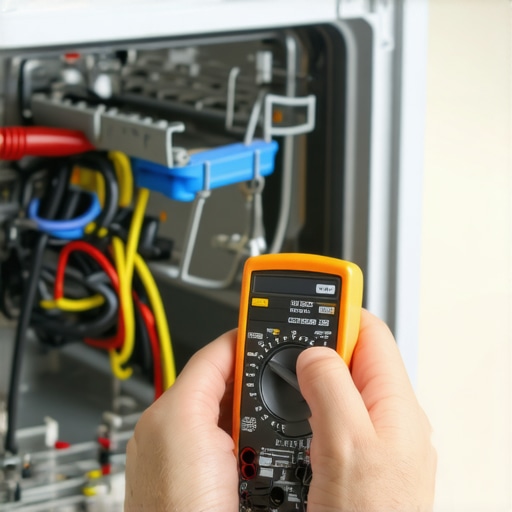
Electrical connections are the backbone of your dishwasher’s performance. Always verify they are properly grounded and wired following the manufacturer’s instructions. This step is like wiring a house—poor connections can cause shorts or appliance failure. Use a voltage tester to confirm the correct wiring before powering on. I once saw a DIYer skip this check; shortly after, their dishwasher failed, and the warranty was voided due to improper wiring. Careful verification can save you time and trouble.
Inspect and Test Before Finalizing Setup
Once all parts are connected, run a short cycle to observe operation. Look for leaks, unusual noises, or error messages. Think of this as a test drive for a new vehicle—better to catch issues early. During my last project, a loose clamp caused water to leak during testing, but catching it early prevented a warranty dispute. Use this trial run to tighten fittings and correct any misalignments immediately.
Document Your Work Thoroughly
Finally, take photos of every critical step—connections, hose placements, and fittings. This documentation acts as evidence should warranty claims arise later. I remember filing a claim and promptly providing my detailed photos, which facilitated quick approval. When you master these steps, you not only safeguard your warranty but also extend your dishwasher’s lifespan, saving money and stress down the line.
Many DIY enthusiasts and even some professionals operate under a misconception: that following the basic installation steps guarantees a valid warranty and long-lasting performance. However, seasoned experts know there are subtle yet crucial nuances that can make or break your warranty eligibility, especially in the context of 2026’s stricter policies. One common myth is that generic replacement parts are sufficient for warranty compliance. In reality, using non-approved parts can silently void your coverage, as highlighted in the comprehensive warranty maximization guide. Another trap many fall into involves neglecting precise connection checks—particularly with water supply lines and electrical wiring—which, if improperly handled, can trigger warranty denial. Experts emphasize that meticulous attention to detail here is vital, as detailed in parts and warranty tips for smart dishwasher installation.
A particularly overlooked aspect is verifying the compatibility of all installed parts with your specific model and warranty requirements. Even minor deviations, like reused old hoses or incorrect connectors, can be the Achilles’ heel during a warranty claim. This is why advanced installers and experienced technicians always cross-reference each component with manufacturer specifications and warranty policies, such as outlined in warranty policies for smart dishwashers.
Another critical but often misunderstood nuance involves the proper placement and securing of the drain hose. Improper kinking or incorrect height positioning not only hampers performance but also risks voiding warranty claims. Think of it like ensuring proper drainage in city plumbing—small mistakes can cascade into significant issues, as discussed in drain hose installation signs.
For the advanced DIYer, understanding this hidden layer of detail might seem daunting, but it pays off in peace of mind and long-term savings. Remember, a seemingly minor oversight during installation, like using an uncertified part or neglecting to verify tight connections, can lead to major complications later, especially with the more stringent warranty policies rolling out in 2026. To avoid these pitfalls, I recommend consulting expert resources and following detailed checklists available in our guides. Have you ever fallen into this trap? Let me know in the comments.
Keep It Running: Essential Tools and Maintenance Strategies
Ensuring your dishwasher continues to perform reliably requires more than just initial installation; it hinges on consistent maintenance and the right set of tools. From detecting early signs of wear to addressing minor issues before they escalate, having specialized equipment at hand makes a significant difference. Personally, I swear by a few key tools that streamline routine checks, help pinpoint problems quickly, and extend your appliance’s lifespan.
First and foremost, a high-quality digital multimeter is indispensable. I use mine regularly to verify electrical wiring integrity, ensuring your dishwasher’s connections remain solid over time. Proper electrical checks can prevent shorts or full failures, which might complicate warranty claims. For detailed electrical diagnostics, refer to this expert guide.
Next, a set of adjustable pliers and a torque wrench are vital for tightening fittings and securing hose connections. Over time, vibrations and temperature changes can loosen components; having these tools ensures you can re-secure hoses or clamps properly. I remember re-tightening my drain hose clamp after a few cycles, which prevented leaks and protected my warranty status.
To diagnose leaks early, a leak detection spray helps identify minor seepage areas before they lead to water damage or warranty issues. Regularly inspecting the door seal with a plastic scraper or your fingers, combined with the spray, can reveal cracks or gaps that need sealing, saving you money and frustration.
For cleaning and maintenance, a long, thin brush specifically designed for dishwasher spray arms makes it easy to clear obstructions from tiny nozzles. Clogged spray arms reduce cleaning efficiency and put undue stress on the motor, potentially voiding your warranty if not addressed. I recommend scheduling a biannual spray arm cleaning session, especially if you notice uneven washing. Learn more about essential maintenance routines in this comprehensive resource.
How do I maintain my dishwasher over time?
Successful long-term maintenance involves regular inspections, using the right tools, and staying ahead of potential issues. Keep a maintenance log and verify parts like the water inlet valve, drain hose, and electrical connections periodically. Preventative checks not only help in keeping your appliance in top shape but can also be critical in safeguarding your warranty, especially as policies tighten in 2026. Moving forward, I predict that smart diagnostic tools integrated with apps will become standard, allowing homeowners to detect issues remotely and schedule repairs proactively. For now, equipping yourself with trusted tools and knowledge will ensure your dishwasher remains a reliable part of your home for years to come.
3 Hidden Pitfalls That Nearly Cost Me My Warranty
Getting my hands dirty during dishwasher installation taught me the hard way that overlooking small details can lead to big issues—especially with the stricter warranties of 2026. One lesson I wish I knew earlier was how critical matching parts to manufacturer specifications; using generic or old hoses can silently void your coverage, even if everything else looks fine. Another was the importance of securing every connection—water supply, drain, and electrical—because a minor slip-up can trigger warranty denials or costly leaks. Lastly, I learned that thorough documentation and testing before finalizing setup can save hours of hassle and ensure that your warranty remains solid. These insights have shaped how I approach appliance maintenance and installation today, helping me stay ahead of issues that are all too easy to overlook.
Related Posts
Is Your 2026 Dishwasher Warranty Valid? Check These 4 Parts
I still remember the moment I faced the dreaded leak…
DIY Repair Proof: How to Save Your 2026 Warranty After a Part Swap
It was late one evening when I finally decided to…
3 Sensor Logs Your Insurance Needs for a 2026 Warranty Claim
I remember the exact moment I realized I might lose…