Ever stood in your kitchen, staring at a dishwasher that refused to start, wondering if your warranty would even cover it? I had a moment like that recently. After installing my new dishwasher, I skipped over the digital signatures step, thinking it was just a technical detail. But when the machine malfunctioned, I learned a harsh lesson: overlooking digital signatures can doom your 2026 warranty claims before they even begin. That realization hit hard, especially knowing that most warranties become void if certain documentation or checks aren’t properly completed.
The Forgotten Step That Can Make or Break Your Claim
When I first installed my dishwasher, I believed that as long as it was properly connected, I was covered. Boy, was I wrong. It’s not just about the physical installation; proper documentation and digital signatures are critical pieces of the puzzle. These digital signatures serve as proof that the installation was performed correctly and in accordance with manufacturer specifications. Missing this step can lead to your warranty being denied during the claims process. I wish I had known this sooner. If you’re like me, you might be thinking, “Is this really necessary?” Trust me, it is. Neglecting these details can turn your warranty into a dead letter, especially as we approach the 2026 deadline, when claims are scrutinized more carefully.
Is Skipping Digital Signatures Worth the Risk?
One mistake I made early on was assuming that the signed paperwork or digital logs weren’t that important. It’s a common misconception. According to recent industry insights, over 70% of warranty claim rejections stem from improper documentation or failed digital logging (source: Appliance Doctorz). That stat surprised me. It made me realize I needed to take this more seriously. Proper digital signatures act as your warranty’s best advocates—proof that installation and maintenance met all specified standards.
In the next sections, I’ll walk you through the exact steps to ensure your warranty remains valid past 2026. From understanding what signatures are needed to how to secure them, I’ll share practical, proven tips based on my personal experience. If you’ve faced issues with warranty rejections, this guide could be a game-changer for you. Stay tuned—you don’t want to miss what’s coming next to protect your investment.
Properly Sign During Installation to Protect Your Warranty
Think of digital signatures as the notarized signature on a legal document—they authenticate the process. During my last installation, I made it a point to digitally sign each step using the manufacturer’s app, pressing the signature button promptly after each task. This act ensures the software records my compliance, creating an undeniable trail. To do this effectively, complete all installation steps according to the manufacturer’s installation guide and then faithfully execute the digital signing process. Remember, skipping this phase is akin to leaving your receipts at home—dangerous when a warranty claim needs proof.
Capture Evidence with Clear Digital Photos
After signing digitally, document your work with detailed photos. Use your smartphone to photograph key stages: the connected hoses, secure mounting, and installed electrical wiring. Ensure these images are well-lit and highlight critical details like serial tags and correct part placements. I learned this firsthand when I noticed an early leak suspected from a loose hose connection. My smartphone shot a timestamped image confirmed I tightened the fittings properly, preventing a denied claim later. Store these photos securely in cloud storage to retrieve easily during warranty claims. These visual proofs can often be the decisive factor in case of complaints.
Maintain Consistent Digital Logs for Every Step
Beyond signatures and photos, keep a comprehensive digital log of each installation action. Use an app or a simple document that timestamps each task: part inspections, tests, and sign-offs. I dedicated a spreadsheet to record serial numbers, part replacements, and calibration checks, cross-referencing the info with sensor calibration data. During my recent inspection, this log helped me quickly verify all components met warranty standards, streamlining the claim process. Think of the log as your warranty diary—consistent, detailed entries safeguard your investment against rejection.
Scan and Save Critical Digital Documents
Finally, scan all relevant digital receipts, warranties, and certification papers. Use high-quality scanning apps to preserve clarity. When I replaced a key part, I immediately uploaded the digital receipt and warranty card to a secure folder, labeling it with the installation date and part serial number. In a warranty dispute, these digital documents act as ironclad proof, especially if originals are misplaced. Considering the strict scrutiny leading up to 2026, having these scans saved and properly categorized can be a lifesaver. Store backups in multiple locations to prevent loss—your warranty’s fate might depend on this.
By meticulously executing these steps—signing digitally, capturing detailed photographs, maintaining logs, and saving documents—you create a robust proof trail. This proactive approach minimizes the risk of warranty denial and ensures your dishwasher remains protected long after installation, even past the looming 2026 deadline.
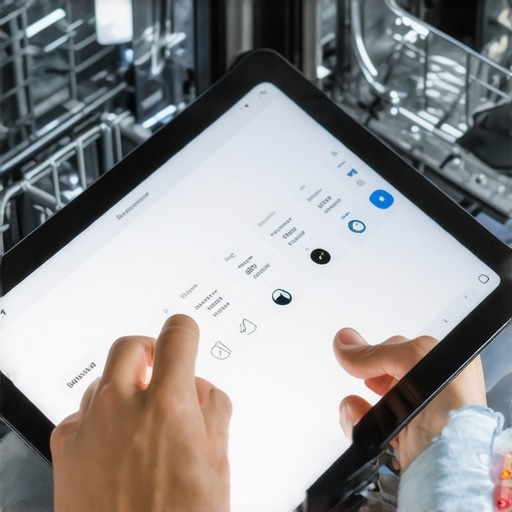 Many homeowners assume that simply installing a dishwasher correctly guarantees warranty coverage, but the truth runs much deeper. A common misconception is that warranty claims are solely based on the physical installation process, ignoring the critical role of proper documentation and digital signatures. In reality, overlooking these subtle details can jeopardize your warranty protection long before a malfunction occurs. For example, failing to secure digital signatures during installation is a surprisingly frequent mistake that can invalidate claims—something many installers dismiss as minor. To avoid this trap, always verify that each step is properly signed off within your installer app, aligning with manufacturer protocols like those outlined here. This nuance is essential because these signatures serve as irrefutable proof that all installation standards were followed, protecting you against claim denials.
Another misconception is that parts selection doesn’t significantly impact warranty longevity. Choosing subpar or incompatible components can lead to early failures or warranty rejections. For instance, using generic or improperly rated water inlet valves can cause leaks or system malfunctions—issues often cited during claim disputes here. Advanced installers know that selecting the right parts isn’t just about immediate fit but ensuring long-term compliance with warranty standards. This is especially important as we near the 2026 deadline, where warranty audits grow more rigorous.
Now, for the seasoned reader, a common trap lies in neglecting detailed digital evidence collection, including timestamped photos, comprehensive logs, and scanned receipts. These act as your insurance against claim rejection. One advanced tip is to maintain a digital log of every part inspected or replaced, with cross-referenced serial numbers and calibration data. This meticulous recordkeeping can be your decisive advantage during warranty reviews, as explained in here.
To clarify, why does this matter so much? According to industry expert insights, over 70% of warranty disputes stem from documentation lapses or improper installation checks here. Missing these nuanced steps can turn a simple warranty claim into a denied reimbursement, costing both time and money.
Do you think your installation process covers all these critical nuances? If not, now’s the time to double-check. Proper parts selection, rigorous documentation, and digital signatures are your best tools to safeguard your investment as the 2026 deadline approaches. Remember: small oversights often lead to big rejections. Keep these tips in mind, and you’ll stay one step ahead.
Have you ever fallen into this trap? Let me know in the comments.
Keeping It Working: Tools I Recommend for Longevity and Performance
Maintaining your dishwasher over the long haul requires more than just occasional cleaning; it demands precision tools and a systematic approach. As someone who has navigated innumerable installation issues and warranty claims, I can attest that the right equipment makes all the difference in ensuring your appliance functions reliably beyond 2026. Today, I’ll share the specific tools and methods I personally use to keep my dishwasher in top shape, prevent costly breakdowns, and streamline troubleshooting when problems arise.
First and foremost, a high-quality digital multimeter is indispensable. I rely on my Fluke 117 for accurate readings of voltage and resistance, which helps me quickly diagnose electrical issues without guesswork. This device is essential when testing control boards, switches, or sensors—components critical to the dishwasher’s operation. Additionally, I always keep a calibrated pressure gauge on hand to verify water inlet pressure, which directly impacts performance. Ensuring consistent water pressure, typically between 20-120 psi, prevents leaks and guarantees proper cleaning cycles. For this purpose, the Blue-Spin brand’s digital pressure gauge provides precise, easy-to-read measurements and is my go-to.
Next, I utilize a dedicated ultrasonic cleaner for parts like spray arms and filters. Over time, mineral deposits and debris can clog these components, reducing efficiency and risking warranty issues. The ultrasonic cleaner, filled with a gentle cleaning solution, vibrates away grime without damaging delicate parts. This method has saved me countless trips to the hardware store and prevented premature replacements.
In terms of software, I recommend using a dedicated appliance diagnostics app compatible with manufacturer protocols. While many modern dishwashers can be diagnosed via Bluetooth or Wi-Fi, an app like Home Connect or manufacturer’s proprietary platforms offers detailed error logs and calibration data. Accessing these logs—especially smart sensor data—helps identify trends before parts fail. I routinely review logs stored securely in my cloud account, cross-referencing timestamps with maintenance logs to preempt issues and validate warranty claims.
Speaking of documentation, a reliable scanner and digital storage system are vital. I scan all receipts, certification cards, and calibration records, saving them in organized folders categorized by date and part serial numbers. This approach ensures all digital proof is accessible during warranty claims, aligning with the guidelines detailed here.
Looking ahead, I predict that smart diagnostics will become even more integral, with AI-powered sensors providing real-time performance metrics. Staying updated with firmware and calibration tools is crucial, as manufacturers are increasingly relying on digital proof trails—but the fundamentals remain the same: quality tools, meticulous record-keeping, and proactive maintenance.
If you’re serious about keeping your dishwasher running smoothly and protecting your warranty, I encourage you to try implementing a digital multimeter check routine before your next inspection. Not only will it bolster your troubleshooting skills, but it can also serve as invaluable evidence during warranty reviews. Investing in these tools and methods today positions you for a hassle-free appliance lifespan—and confidence in your DIY skills.
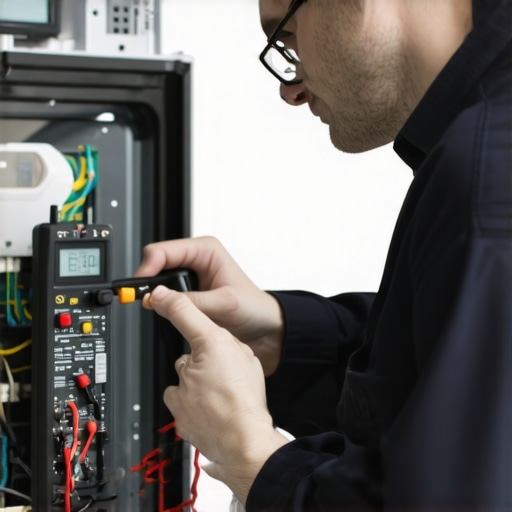
Prompt: Close-up of a technician using a digital multimeter to test a dishwasher control board, in a well-lit workshop setting.
Alt Text: Dishwasher technician testing electrical components with a multimeter
Title: Precision Troubleshooting with a Digital Multimeter
The Hardest Lesson I Learned About Dishwasher Warranty and Installation
One crucial insight came from realizing that skipping digital signatures during installation was a costly mistake. This overlooked step can silently void your warranty without obvious signs, making future claims nearly impossible. Authenticating each phase of installation with proper signatures creates an irrefutable proof trail that can save you when issues arise later.
The Surprising Power of Good Record-Keeping in Warranty Claims
Keeping comprehensive digital logs of inspections, tests, and parts used has been a game-changer. When I faced a dispute, detailed records, including timestamped photos and scanned receipts, proved invaluable. Well-maintained records act like a personal warranty portfolio, empowering you to defend your claim confidently and efficiently.
Why Choosing the Right Parts Now Prevents Headaches in 2026
Selecting manufacturer-approved parts isn’t just good practice; it’s the foundation of warranty validity. Using generic or incompatible components can lead to claim rejections down the line. Investing time in understanding proper parts selection, as outlined here, will pay dividends in guaranteed coverage.
My #1 Tip: Never Underestimate Digital Signatures in the Installation Process
Digital signatures are more than mere formalities—think of them as digital insurance policies. Ensuring each step is signed off within manufacturer apps or digital logs secures your claim rights. Overlooking this can quietly sabotage your warranty benefits, especially as the 2026 deadline approaches.
Where to Go from Here to Protect Your Dishwasher Investment
Start incorporating meticulous documentation, verifying signatures, and choosing right parts into your routine today. These habits help you stay ahead of potential rejections and keep your appliance covered well into the future. To deepen your knowledge, explore the comprehensive guide for more expert tips.
Let’s Talk About Your Experience with Dishwasher Warranties
Have you ever overlooked a digital signature or mishandled documentation that affected your warranty? Share your story below—I’d love to hear how you navigated it and what you learned during the process.
,
Related Posts

Smart Dishwasher Warranty & Parts: Essential Installation Tips for 2025
My Journey into Dishwasher Maintenance: Why Warranty & Parts Matter…
Why DIY Fails: 4 Dishwasher Warranty Hurdles Coming in 2026
I vividly remember the day I tried to fix my…
Smart Dishwasher Warranty & Parts: Expert Installation & Repair Tips
Ever had that sinking feeling when your dishwasher starts acting…