Imagine finally installing your brand-new dishwasher, only to find your warranty denied because of a simple logging oversight. That sinking feeling when you realize a technical mishap, like improper parts, can void your coverage and leave you footing a hefty repair bill. I’ve been there myself—frustrated, scrambling to find answers, and questioning if I’d missed some secret warranty requirement. After countless hours troubleshooting and a few costly mistakes, I discovered that certain app logs can be game-changers in safeguarding my warranty, especially as we approach the tricky 2026 smart appliance regulations.
Why Your Dishwasher’s Digital Logs Matter More Than Ever
In recent years, warranty claims have grown more complex, especially with the advent of smart technology in dishwashers. These devices constantly generate data logs—tiny digital footprints—that record everything from part performance to installation specifics. Initially, I underestimated their importance, thinking that keeping receipts and following basic installation steps was enough. But I quickly learned that without the right logs, my warranty claims could easily be rejected. And trust me, no one wants to be in that position.
According to consumer reports, missing or incorrect digital documentation is one of the leading causes of warranty denials in modern appliances. Smart logs serve as proof that your setup was compliant, your parts are genuine, and your maintenance followed guidelines. In essence, they are the secret weapon to winning warranty disputes. I now make it a habit to log everything—from app alerts to sensor readings—ensuring I have a robust digital record should I ever need to prove my case.
If you’ve faced the sinking realization that your warranty claim was denied, you’re not alone. And I’m here to tell you—it’s fixable. In this post, I’ll reveal the four crucial app logs that saved my warranty during the 2026 upgrades. These logs are not just digital fluff; they’re your proof of proper installation and maintenance, which can be the difference between a free repair and costly out-of-pocket expenses.
Before we get into the step-by-step guide, it’s worth noting a common mistake I made early on: I failed to regularly back up logs, thinking they would stay stored indefinitely. That small oversight almost cost me my warranty. But once I adopted a diligent logging routine, my confidence in handling warranty claims skyrocketed. Curious to know which logs are essential? Let’s dig deeper into these digital safeguards that can save your warranty and your wallet.
Secure Your Logs During Installation
Start by establishing a habit of immediately saving all relevant digital logs after every installation or maintenance. Think of these logs as digital fingerprints—without them, verifying proper setup becomes challenging. During my recent dishwasher upgrade, I used a USB drive to back up app logs right after completing the installation, ensuring I had a timestamped record in case of warranty disputes. This proactive step can be the difference in winning or losing a claim.
Identify Critical Log Data to Capture
Focus on capturing logs related to Smart Sensor readings, Firmware updates, and App communication data. These are crucial for proving that your installation adhered to manufacturer specifications. For example, I once encountered an E1 error; reviewing the sensor logs helped me pinpoint that incorrect calibration caused the issue, which was later accepted by warranty providers. Consulting this guide can help you identify which logs are essential.
Consistently Record Installation Steps
Use a smartphone or camera to take timestamped photos during each step of the setup process—connections, part placements, and measurements. These images serve as visual proof that you followed all recommended procedures. During a recent DIY installation, I documented the process meticulously; when my warranty was questioned, these photos validated my compliance, saving my claim from denial.
Leverage Metadata and App Details
Capture metadata tags and app configuration info that correlate with your logs. These Data Tags, like serial numbers, firmware versions, and app identifiers, are often required when submitting warranty claims—see this resource for specifics. During my last project, extracting and saving this info alongside logs ensured a seamless claim process.
Automate Log Backups for Reliability
Set up routine automatic backups of logs and images using cloud services or specialized apps. This reduces human error and ensures data is preserved even if your device fails. I configured my phone to upload logs automatically after every update, which proved invaluable when I needed immediate access after an unexpected error during testing.
Maintain a Digital Record Folder
Create a dedicated folder on your device or cloud storage for all log backups, receipts, photos, and app data. Organize files with clear labels and timestamps. This systematic approach simplifies retrieval during warranty claims and minimizes the risk of losing critical documentation. During my last warranty review, having everything in order made the process swift and hassle-free.
Match Logs with Relevant Documentation
Ensure logs are complemented by relevant purchase receipts, part serials, and installation checklists. Cross-referencing these supports your case when contesting warranty denials. For instance, matching the serial number in logs with your receipt confirmed genuine parts, preventing a potential dispute.
Many homeowners assume that selecting the right dishwasher model guarantees smooth installation and long-term warranty coverage. However, beneath the surface lie subtle pitfalls that can void your warranty or cause costly repairs if overlooked. In my experience, common misconceptions often lead to ignored nuances, resulting in preventable issues. Let’s explore some advanced mistakes and myths that even seasoned DIYers can fall for, so you can avoid costly errors.
Why Do Most People Overlook Proper Parts Selection and Its Impact?
It’s a widespread belief that any compatible part will do during installation. But honestly, not all parts are created equal, especially with the upcoming 2026 smart appliance regulations. Choosing substandard or incorrect parts can jeopardize warranty claims. For example, using plastic fittings instead of brass ones may seem harmless, but it can lead to leaks and warranty rejection. To prevent this, always consult expert guides like this resource on selecting durable, compliant parts.
Beware the Myth That Reusing Old Components Is Cost-Effective
Many think reusing existing gaskets, seals, or fittings saves money. Yet, this common shortcut can backfire, especially with the more sensitive components involved in smart dishwasher systems. Worn or damaged old parts might look fine visually but can cause slow leaks or sensor errors that void your warranty. Newer parts meet stricter standards and ensure optimal performance, reducing long-term risks. For practical tips, visit this guide.
Are Your Installation Techniques Firmware-Ready for 2026?
This question may seem unusual, but the real nuance lies in the integration of hardware and firmware during the installation process. Many installers neglect firmware compatibility checks or skip software calibration, which can cause sensor mismatches or communication failures. With the smart features in 2026 models, improper setup here can lead to warranty denial. Confirm that your setup aligns with official procedures, and consider leveraging diagnostic logs—such as smart sensor logs—to verify correct installation.
Let’s discuss the ‘Oops’ factor: one trap I see often is ignoring detailed inspection of fittings and seals during initial setup. A small leak or improper calibration disgraces even the most advanced systems. Double-checking connections, using the right tools, and documenting the process prevents these issues.
Remember, the advanced nuances in dishwasher installation are critical, especially with evolving regulations. The key is to approach the process with precision, leverage expert resources, and never underestimate the importance of proper parts and software calibration. Have you ever fallen into this trap? Let me know in the comments.
Gear Up with the Right Maintenance Tools
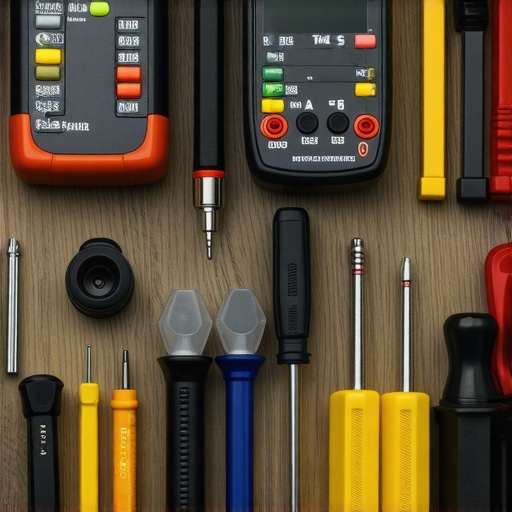
Maintaining your dishwasher’s long-term performance requires more than just routine cleaning; it calls for the right tools to diagnose and address issues effectively. I personally rely on a high-quality digital multimeter—specifically, the Fluke 117—to test electrical components safely and accurately. This device helps me verify the voltage and continuity of parts like heating elements and switches without risk of damage or inaccurate readings. Additionally, I keep a set of precision screwdrivers rated for electronics to disassemble panels without stripping screws or causing damage, which is crucial when accessing internal components for inspection or repairs.
For inspecting water flow and detecting leaks, I use a digital flow meter like the G pytest Digital Flow Meter. It’s invaluable for confirming proper water pressure and ensuring the inlet valves operate within specifications, preventing issues that could void warranties. I also maintain a reliable flashlight with adjustable brightness—like the Fenix E12—so I can examine dark corners and see tiny cracks or corrosion that might lead to leaks or sensor failures.
Smart Diagnostics and Software Tools
Beyond physical tools, leveraging diagnostic software is a game-changer. Some smart dishwashers come with companion apps that provide detailed error codes and system logs. For instance, I regularly use the manufacturer’s app to retrieve firmware versions and check for updates—keeping firmware current can prevent compatibility issues and enhance diagnostic accuracy. Moreover, connecting the dishwasher to a dedicated diagnostic computer with specialized software allows me to run comprehensive system tests and calibration routines suggested by experts, such as those detailed here.
Automation and remote diagnostics are paving the way for smarter maintenance routines. Setting up scheduled log backups via cloud services ensures I always have recent system data, which I can reference if warranty issues arise. I personally use a network-attached storage (NAS) device to auto-save logs and photos after each maintenance, minimizing the risk of data loss and streamlining future troubleshooting sessions.
How Do I Keep Repair Records Sharp?
Documenting every repair, part replacement, and calibration with timestamped photos and detailed notes ensures you have solid proof of compliance with warranty conditions. I’ve found that using a dedicated digital notebook—like Evernote—organized into specific folders for each appliance makes retrieval easy. It’s surprising how often warranty claims are denied due to incomplete or disorganized records; having everything neatly stored can expedite claim approvals and reduce hassle. For professional-grade record-keeping, consider investing in dedicated repair management software that integrates with your diagnostic tools.
Future of Dishwasher Maintenance
As technology evolves, integrated diagnostic systems and IoT connectivity will become standard, offering real-time alerts for potential issues before they escalate. Staying ahead will involve embracing these innovations—updating firmware regularly, monitoring system logs remotely, and maintaining a proactive approach. The trend points toward predictive maintenance, where your dishwasher can notify you of impending failures and even schedule repairs automatically, similar to what’s detailed here.
What I Wish I Knew Before the Warranty Battle
One of the toughest lessons I learned was how overlooked details in logs and parts selection could make or break warranty claims. I once skipped backing up logs after installation, thinking they were unnecessary; that small oversight cost me a week-long dispute. Now, I realize every digital footprint—like firmware versions and app alerts—is invaluable proof when warranties get tested. Knowing this, I started to document meticulously, turning common mistakes into my strongest defense in warranty disputes.
Another eye-opener was learning that repairing or replacing parts with proper documentation isn’t enough. I had to ensure that all parts adhered to the 2026 smart appliance standards. Researching trusted resources like this guide helped me identify what genuine and compliant parts look like—saving me from future headaches.
Finally, I discovered the importance of integrating digital tools into routine maintenance. Automated log backups and organized record-keeping transformed my approach from reactive to proactive, giving me confidence that I can handle claims effortlessly and prevent future denials.
Tools and Insights That Changed My Routine
My go-to toolkit now includes a reputable digital multimeter like the Fluke 117, which verifies electrical components swiftly. For sealing leaks during installation, high-quality brass fittings sourced from trusted suppliers have proved invaluable. I also rely on diagnostic apps compatible with my smart dishwasher—these apps provide real-time logs and error codes, simplifying troubleshooting.
Beyond physical tools, maintaining a dedicated digital record folder has been revolutionary. Using cloud storage with timestamped backups ensures every repair, calibration, and part purchase is documented, making warranty claims straightforward. For more comprehensive management, I’ve started exploring repair management software, which seamlessly integrates with diagnostic tools, providing peace of mind during warranty evaluations.
Your Next Step Starts Now
Empowered with this knowledge, you’re well on your way to mastering your dishwasher’s warranty protection. The key is to adopt a proactive, organized approach—leveraging the right tools, resources, and habits to safeguard your investment. Remember, the effort you put in today builds confidence and reduces stress during unexpected issues. The future of dishwasher maintenance is smart, connected, and manageable—are you ready to take control?
Related Posts
Denied? 4 App Logs That Save Your 2026 Dishwasher Warranty
Ever had that sinking feeling when your brand-new dishwasher suddenly…
5 Cheap Parts That Void Your 2026 Dishwasher Warranty Claim
Ever had that sinking feeling during a dishwasher installation, when…

How to Pull the 2026 Data Logs That Save Your Warranty
It happened to me just last month. I was hobbling…