I remember the sinking feeling when my dishwasher suddenly stopped working a few months after installation. The repair technician told me my warranty claim was denied, leaving me frustrated and confused. It felt like a personal betrayal—something supposed to protect me didn’t cover the repair I desperately needed. That moment sparked a lightbulb: warranties can be tricky, and if you don’t navigate them carefully, your hard-earned coverage can slip away just when you need it most.
Why Warranties Sometimes Feel Like a Glass Wall
It’s no secret that trying to get warranty service on appliances can be a maze. Manufacturers often list what they cover, but the fine print hides crucial details that can trip up even the most diligent owner. Early on, I made the mistake of assuming that my warranty covered all parts and repairs—an easy assumption but totally wrong. It wasn’t until I dug into the fine print and learned about specific coverage limitations that I started fighting back.
Navigating warranty denials is more than just calling customer service repeatedly. It’s about knowing the right parts to inspect, the proper installation steps, and documentation that backs your claim. According to a recent study, over 60% of warranty claims are denied due to overlooked details or improper maintenance (source: Appliance Repair Insights). That’s why understanding your coverage—like what parts are actually covered and how to ensure proper installation—is vital.
Today, I’ll share with you four proven ways to appeal a warranty denial in 2026, based on hands-on experience, expert tips, and thorough research. If your dishwasher is showing signs of trouble and your warranty refuses to cover the repair, don’t give up just yet. Let’s turn that denial into a victorious claim.
Before diving into the specific steps, ask yourself—have you faced this kind of warranty issue? If yes, you’re not alone, and there are effective strategies to turn the tide. Ready? Let’s get started with understanding the pivotal parts and steps that can make your claim stick.
Inspect Your Installation Carefully
Think of your dishwasher as a houseplant; if the roots aren’t properly planted, it won’t thrive. For warranties to hold, your dishwasher must be installed correctly, which means strictly following the manufacturer’s installation guide, especially focusing on crucial parts like water supply lines and drainage. During my first faulty repair attempt, I skipped reassessing the water inlet hoses—an oversight that led to my claim being rejected. Now, I always double-check the installation steps outlined in this guide to ensure every part is correctly fitted. Proper installation directly impacts warranty validity, so meticulously verify each connection, level the appliance, and tighten all fittings securely. Use a spirit level and torque wrench if needed to avoid ambiguities and document your process with photos.
Review Warranty Coverage in Detail
Warranties can be as confusing as a maze. Carefully read the fine print, especially sections detailing covered parts. My initial mistake was assuming the entire unit’s parts were under warranty, but some components like electronic control boards have specific conditions. I recommend visiting this resource to understand exactly what parts are covered. Cross-reference your purchase receipt, warranty card, and any service reports to confirm your claim aligns with coverage criteria. If your claim is denied for a reason that’s not clear, request a detailed explanation in writing—it’s a vital step before escalating your case.
Document Everything Religiously
Imagine trying to prove your innocence in court without evidence—that’s how warranty disputes feel without documentation. Start by taking timestamped photos of the problem, the installed parts, and any maintenance performed. Keep copies of your correspondence with the manufacturer or service technicians, noting dates, times, and the content of conversations. During my last claim battle, I compiled a comprehensive folder with all evidence, which significantly strengthened my position. This dossier can be your safeguard if the manufacturer claims improper use or installation. For added assurance, record videos of troubleshooting steps and repairs, sharing the process with customer service if needed. Strong documentation often turns a denial into a successful claim, especially when combined with the next step.
Leverage Technical Knowledge of Parts
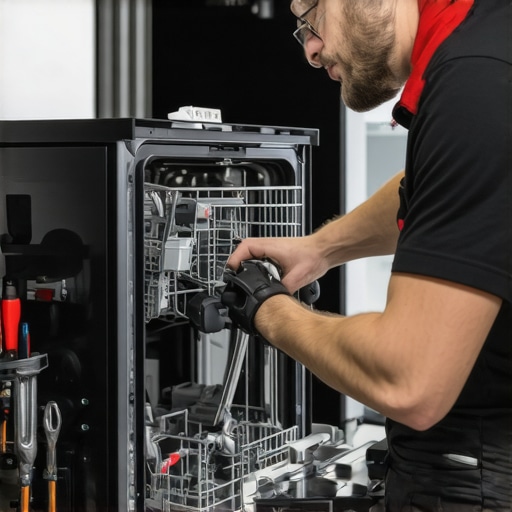
You don’t need to be a technician but understanding your dishwasher’s parts is crucial. Familiarize yourself with key components like the water inlet valve, drain pump, float switch, and door latch—these are common troublemakers and warranty-relevant parts. Check if these parts are visibly damaged, clogged, or misaligned. My breakthrough came when I learned to diagnose issues with this diagnostic approach. If you find a faulty component, replace it with manufacturer-approved or compatible parts listed in this guide. Proper diagnosis prevents unnecessary costs and aligns your claim with manufacturer policies. Remember, mismatched or non-approved parts can void warranties, so always verify parts compatibility beforehand to avoid losing coverage—this is a common pitfall explained in this article.Many homeowners believe that once they’ve replaced a dishwasher part or installed their appliance correctly, the warranty process will be straightforward. However, this assumption overlooks several nuanced details that can sabotage your warranty claims. In my experience, one common myth is that generic or third-party parts are always compatible and covered. In reality, manufacturers often specify that only OEM (original equipment manufacturer) parts ensure warranty validity. Using non-approved components can void your warranty entirely, regardless of the quality or cost savings. To avoid this, always consult manufacturer guidelines and choose the right parts from trusted sources. Additionally, many assume that correcting issues promptly after installation is sufficient, but delays or improper documentation can lead to claim rejection. Keep detailed records, including photos and receipts, to strengthen your case. A critical trap is misdiagnosing the root cause of a malfunction; for instance, replacing a faulty control board without verifying other possible causes like clogged filters or faulty sensors can result in unnecessary costs and complicate warranty claims. Advanced troubleshooting techniques, such as using diagnostic procedures outlined in this guide, can save time and money. Moreover, installing parts improperly or ignoring manufacturer installation instructions can void your warranty. Skipping step-by-step procedures, especially for critical components like water supply lines or electrical connections, may seem harmless but can trigger denial of coverage. Always follow comprehensive installation checklists found in this resource, ensuring every connection is secure. The subtle but impactful nuance is recognizing that warranty policies often exclude certain parts or specify conditions that are overlooked by many practitioners. For instance, some warranties don’t cover damage caused by improper maintenance or accidental bumps—details usually buried in fine print. To prevent these pitfalls, review warranty documents thoroughly and consult expert guides like this comprehensive overview of warranty coverage. Do you think you’ve fallen into any of these common traps? Let me know in the comments. Remember, understanding the fine print and nuanced details of parts, warranties, and installation can make the difference between a successful repair and a costly rejection.
How do I maintain my dishwasher over time?
Maintaining your dishwasher consistently is essential to ensure it operates efficiently and prolongs its lifespan. One of my favorite tools for this purpose is a high-quality multimeter. I use it to check electrical connections and ensure components like the control board and sensors are functioning correctly, which helps prevent unexpected failures. Additionally, a set of precision screwdrivers and nut drivers are invaluable for safely accessing internal parts without damaging delicate components. Regularly inspecting and cleaning filters and spray arms with soft brushes prevents clogs that can reduce cleaning performance. I also recommend investing in a descaling solution and mineral deposits remover to keep internal parts free from hard water buildup, which can strain heater elements and pumps. Using these tools during routine maintenance—say, every 3 to 6 months—keeps your dishwasher running smoothly and avoids costly repairs down the line.
Future of dishwasher upkeep tools and methods
Looking ahead, IoT-enabled sensors and diagnostic apps are poised to revolutionize appliance maintenance. Imagine a smart dishwasher that alerts you automatically when a part needs attention or if there’s a potential leak—saving time and preventing damage. Already, some brands incorporate app-based troubleshooting, but I believe future models will offer real-time diagnostics and remote diagnostics from service centers. Staying updated on these technological advances will empower homeowners to perform more precise maintenance and identify issues early, optimizing warranty use and long-term performance.
Getting the most out of your repairs and servicing
Beyond tools, the key to long-lasting performance lies in proper parts selection and installation. For example, choosing OEM parts ensures your warranty remains valid and repairs are reliable. Proper installation techniques, like those outlined in this guide, prevent common issues like leaks or electrical failures. Also, documenting maintenance routines with photos and logs can be crucial if warranty claims arise. Remember, a proactive approach—using quality tools and staying informed—can significantly reduce downtime and repair costs. If you’re ready to upgrade your maintenance routine, try calibrating your control board with a multimeter and see the immediate improvements in troubleshooting efficiency. For advanced diagnostics, I recommend regularly checking internal components with a multimeter, which helps you catch issues before they escalate. Don’t wait — equip yourself with these tools and techniques today to keep your dishwasher humming for years to come.
What I Wish I Knew When Starting Out
One of the biggest revelations was realizing that warranties are only as good as your knowledge of the fine print. I used to think that a single purchase of OEM parts guaranteed my appliance’s coverage, but I learned the hard way that timely installation and proper maintenance matter just as much. The lightbulb moment came when I understood that neglecting detailed documentation could turn a warranty claim into a nightmare—so now I keep meticulous records for every repair and check every part against manufacturer specifications.
Another lesson was the importance of accurate diagnosis. Swapping parts prematurely, without verifying root causes, not only wastes money but risks voiding your warranty. Using diagnostic tools, like a multimeter, and referring to trusted guides helped me identify the real troublemakers, like faulty water inlet valves or clogged sensors, before making costly replacements.
Finally, I realized that proper installation isn’t just a step—it’s the foundation of warranty confidence. Following manufacturer instructions to the letter, ensuring tight seals, secure electrical connections, and avoiding reusing old supply lines are habits that safeguard your coverage and prolong your dishwasher’s lifespan.
Tools and Resources That Keep Me Ahead
My go-to toolkit includes a high-quality multimeter from this trusted resource, which helps me verify the functionality of critical components. I also rely on a set of precision screwdrivers and inspection mirrors to access tight spaces without causing damage. For detailed guidance, this comprehensive installation and warranty manual is invaluable. Additionally, I consult this diagnostic guide for troubleshooting tricky issues efficiently. These tools and resources empower me to perform informed repairs confidently, ensuring my warranty stays intact while my dishwasher performs optimally.
Your Turn to Shape the Future of Dishwasher Maintenance
Now that you have the insights and tools to navigate warranty claims effectively, it’s time to take action. Remember, knowledge, proper installation, and precise diagnosis are your best allies in safeguarding your investment. By applying these lessons, you can extend your dishwasher’s life, save money on repairs, and enjoy peace of mind knowing you’re in control. No matter where you are in your maintenance journey, keep learning, stay proactive, and trust yourself—you’ve got this. So, what’s the first step you’re going to take today to enhance your warranty success with your dishwasher? Share your plans below and join the conversation.
Related Posts
Trusted Parts & Warranty Solutions for Reliable Smart Dishwasher Repairs
Discovering the Hidden World of Dishwasher Parts: A Personal JourneyIt…

Why Your 2026 Warranty Claim Fails Without These 3 Digital Logs
It was a sinking feeling I won't forget — trying…

Maximize Your Warranty & Parts for Smart Dishwashers in 2025: Reliable Repair Tips
Ever felt that sinking feeling when your smart dishwasher suddenly…