It happened to me just last month. I was in a rush, trying to get dinner on the table, when suddenly my dishwasher flashed an ominous error code. I stared at the tiny display, feeling a mix of frustration and helplessness. I didn’t have a manual nearby, and the vague code meant nothing to me. My heart sank—was I looking at a costly repair? Or something simple I could fix myself? That’s when I realized how many of us get caught up in deciphering those cryptic messages, often wasting time and money.
Why Error Codes Matter More Than You Think
Understanding those perplexing error messages isn’t just about avoiding a service call; it’s about truly knowing your appliance. Those codes can flag issues early, prevent further damage, and even save your warranty. But here’s the kicker—many people, myself included at first, make a common mistake: ignoring the error altogether or guessing wildly. I once panicked and replaced parts that turned out to be perfectly fine! A quick check of the error code could have saved me hundreds.
If you’ve ever faced that unsettling moment when your dishwasher halts mid-cycle with a flashing light or a cryptic code, you’re not alone. And whether you’re a seasoned homeowner or a newbie, demystifying those messages can empower you to troubleshoot confidently. Plus, knowing where to look and how to interpret these signals can extend the lifespan of your machine.
But here’s the question you might be asking: Are these error codes really worth the fuss? Or is it simpler to call a repair technician at the first sign of trouble? The truth is, many minor glitches—like a clogged filter or a faulty door latch—are signaled by specific codes you can address yourself, saving time and money.
According to a 2021 Consumer Reports survey, nearly 60% of appliance issues could be diagnosed and sometimes even fixed by homeowners who understand their error codes. This knowledge not only cuts costs but also gives you confidence in maintaining your home gadgets.
So, how do we decode these digital hieroglyphs? That’s exactly what I’ll guide you through next—step by step, with tips based on my own experiences. Ready to take control of your dishwasher’s messages? Let’s dive into the core of understanding those mysterious error codes and turning frustration into DIY triumph.
Identify the Error Code Clearly
Begin by noting the exact error code displayed on your dishwasher’s panel. Take a photo for reference and consult the user manual or manufacturer’s website to interpret the message. Sometimes, what seems daunting at first glance is just a simple reminder—like a clogged filter or a door latch issue—easy fixes you can address yourself.
Disconnect Power Before Working
Always unplug your dishwasher or switch off the circuit breaker before opening the panel or attempting repairs. This safety precaution prevents electrical shock and protects sensitive components. Remember, safety first—don’t skip this step even if you’re in a hurry.
Check Basic Components Related to the Error
Focus on the parts associated with the error code. For instance, if the code relates to water filling or drainage, inspect the inlet valve and drain pump. Use a multimeter to test electrical continuity. This method is akin to troubleshooting a simple circuit—eliminate the obvious before moving to complex fixes. For detailed instructions on testing specific parts, visit this guide.
Inspect and Clean Critical Parts
Clogs or debris in spray arms, filters, or float switches can trigger error codes. Remove and clean these parts thoroughly, ensuring water flows freely. Use a toothbrush and gentle cleaning solutions—avoid harsh chemicals that might damage components. Regular maintenance, like weekly rinsing of the filter, prolongs appliance life. I once cleaned my filter and spray arm, solving a persistent drainage error, saving me a costly service call.
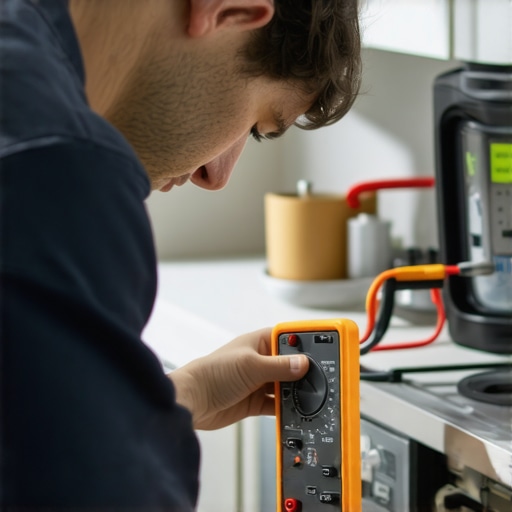
Testing the float switch with a multimeter ensures it’s functioning correctly and not falsely triggering error codes due to debris or misalignment. Proper testing and cleaning of this component can often resolve common issues without replacing parts.
Check Water Supply Conditions
Verify that the water inlet valve is fully open and supplying adequate pressure. Kinks or blockages in supply hoses can mimic system errors. For installation insights, check this resource on ensuring your connections are correct and secure.
Reset the Dishwasher
Once you’ve addressed the probable causes, reset the machine. This might involve pressing and holding certain buttons or unplugging the unit for a few minutes. If the code persists, it might be time to consult a professional or contact customer service with your documented troubleshooting steps.
Document the Process for Warranty Claims
If your attempts resolve the issue, keep records of your diagnosis and repairs. Photos, notes, and receipts strengthen your warranty claim if repairs are necessary later. Review this guide to understand how proper documentation can be your best asset in warranty disputes.
When it comes to maintaining your dishwasher, many homeowners operate under misconceptions that can do more harm than good. The common belief that all parts are created equal or that warranties cover every repair is a dangerous myth we need to debunk. Let’s dig deeper into these nuances and highlight some pitfalls that even seasoned DIY enthusiasts tend to overlook.
Invest in Quality Tools for Consistent Results
Maintaining your dishwasher over time requires more than just a basic screwdriver; it demands precision instruments that cater to the specific needs of appliance repair and troubleshooting. I recommend investing in a high-quality digital multimeter, such as the Fluke 117, which provides accurate readings of electrical components like heating elements and sensors. Having a reliable multimeter allows you to diagnose issues confidently, saving you time and potential replacement costs.
Another crucial tool is a set of insulated nut drivers. Unlike standard screwdrivers, insulated drivers give you a safe way to loosen or tighten components without risking electrical shock. When I replaced my door latch, these tools prevented accidental shorts and made the process smoother.
Software and Accessories to Boost Your Maintenance Game
For ongoing diagnostics, some modern dishwashers support smartphone apps that connect via Wi-Fi. These apps can provide real-time error codes and troubleshooting steps, turning your phone into a powerful diagnostics tool. For instance, many brands now offer dedicated apps like Samsung Smart Washer, which can relay error information directly to your device, streamlining repairs and maintenance scheduling.
In addition, a small, professional-grade ultrasonic cleaner can help keep spray arms and filters pristine. This is particularly useful because clogged components often lead to performance issues that mimic more serious faults. Regular ultrasonic cleaning of these parts can extend their lifespan and reduce the need for replacements, aligning with the trends toward eco-friendly, cost-effective maintenance.
Long-Term Results Require a Methodical Approach
Consistency is key when maintaining appliances. Keep a dedicated maintenance log, noting dates of filter cleanings, part replacements, and diagnostics. Over time, this record helps identify patterns and preemptive actions you can take to prevent breakdowns. This strategic approach aligns with future trends in smart homes, where data-driven maintenance is becoming the norm.
How do I maintain my dishwasher’s long-term health?
Regular inspections of critical parts such as water inlet valves, filters, and spray arms ensure smooth operation and help catch issues early. Use precise tools like the multimeter and ultrasonic cleaner to routinely assess and clean components, maintaining peak efficiency. Proper documentation of these activities can also be invaluable if warranty claims arise or if you need to justify repairs.
As a pro tip, always verify the calibration of your diagnostic tools against manufacturer specifications. For example, ensure your multimeter’s calibration matches standards outlined in this expert guide. This attention to detail ensures your troubleshooting remains accurate and trustworthy.
Embracing these tools and practices prepares you for the future of appliance maintenance—where smart diagnostics and data-driven decisions will streamline your efforts. Start by adding a reliable multimeter and ultrasonic cleaner to your toolkit today, and experience the difference it makes in keeping your dishwasher performing at its best.
The Hardest Lesson I Learned About Parts, Installation, Dishwasher, Warranty
Early on, I underestimated the importance of understanding error codes, believing expert repair was the only solution. But a misinterpretation led me to replace working parts, costing more time and money. Now, I know that knowing what those codes truly mean can prevent costly mistakes and extend the lifespan of my dishwasher.
3 Myths About DIY Dishwasher Repairs That Held Me Back
I used to think that all error codes required professional intervention or that warranties covered any DIY fix. Both were wrong. Learning the nuances of error codes and proper troubleshooting techniques has empowered me to tackle minor issues confidently, saving me both time and expense.
What the Experts Won’t Tell You About Dishwasher Maintenance
Many professionals overlook the value of routine diagnostics, assuming problems are complex. But regular checks, like testing the float switch or inspecting water supply hoses, can catch issues early. This proactive approach keeps the dishwasher running smoothly and avoids surprises, a habit I highly recommend.
Curated Recommendations for Better Dishwasher Care
- High-Quality Digital Multimeter: Essential for diagnosing electrical faults accurately. I trust the Fluke 117 for its precision and durability.
- Ultrasonic Cleaner: Keeps spray arms and filters spotless, preventing clogs that mimic error codes. It’s a game-changer in maintenance routines.
- Smart Home Diagnostics Apps: Brands like Samsung offer apps that relay real-time error logs, simplifying troubleshooting. Leveraging these tools has made diagnostics faster and more reliable.
Take Control and Keep Things Running Smoothly
Understanding your dishwasher’s error codes transforms frustration into empowerment. Whether you’re fixing minor issues or preventing future breakdowns, your proactive efforts can save you money and prolong your appliance’s life. Embrace the tools, stay informed, and make maintenance a habit—your dishwasher will thank you. Are you ready to start decoding your error codes and take charge? Let me know below how you plan to boost your troubleshooting skills!
Related Posts
The $10 Drain Solenoid That Often Mimics a Dead Pump
Ever opened my dishwasher and found that frustratingly silent machine…
The common part that causes a dishwasher to hum but not start
Ever had that annoying moment when you load your dishwasher,…
The real reason your machine is making a clicking sound
I remember the exact moment I first noticed that relentless…