
I remember the moment I realized my favorite cleaning hack was causing more harm than good. It was late one evening when I heard a strange squeal from my dishwasher—something I’d never heard before. After a thorough inspection, I discovered that I had been pouring vinegar directly into the dishwasher’s detergent compartment, hoping to keep things fresh and clean. Little did I know, that well-intentioned habit was slowly degrading the rubber seals, risking costly repairs down the line.
Protect Your Dishwasher’s Rubber Seals While Still Harnessing Vinegar’s Power
Vinegar is a natural, effective cleaner that many of us rely on to cut through lime scale, neutralize odors, and maintain overall cleanliness. But here’s the catch: if used improperly, especially near rubber components, it can cause significant damage. The key is knowing how to incorporate vinegar safely into your cleaning routine without sacrificing the longevity of your appliance.
Is Vinegar Actually Worth the Hype
Initially, I made the mistake of thinking pouring vinegar straight into my dishwasher would seal the deal. My early mistake? Using too much vinegar and applying it directly to sensitive parts, especially the rubber seals. This approach can lead to deterioration, cracks, and leaks—expenses I’d rather avoid. According to appliance repair experts, prolonged contact of vinegar with rubber parts can cause them to soften and deteriorate faster, leading to potential water leaks and costly repairs. To prevent this, I learned to dilute vinegar properly and apply it cautiously, such as through a cleaning cycle without direct contact with rubber seals. Want to know more about protecting your appliance? Check out this useful guide on dishwasher parts warranty essentials. Now, let’s dive into how you can safely use vinegar without risking damage—step by step.
Flush Out Your Dishwasher with Diluted Vinegar
Start by filling a dishwasher-safe cup with half a cup of white vinegar—never pour it directly onto the rubber seals. Place the cup upright on the top rack of an empty dishwasher. Run a hot cycle to allow the vinegar to circulate gently without making contact with vulnerable rubber parts, reducing the risk of damage. I once did this while multitasking, and although my kitchen got a little steamy, I noticed a significant reduction in odors afterward.
Choose Your Cleaning Day Wisely
Conduct this vinegar cleaning routine once a month, preferably on a day when you can monitor the results. Avoid doing it immediately after installing new parts, especially if your warranty requires proof of proper maintenance, which can be documented through photos or receipts. Regularly using this method helps keep your dishwasher fresh without risking rubber deterioration.
Apply Vinegar Correctly During Routine Maintenance
To incorporate vinegar into regular cleanings, pour a cup of diluted vinegar into the bottom of the dishwasher before running a cycle. This approach ensures the vinegar does its job—neutralizing odors and preventing lime scale buildup—without prolonged contact with rubber seals. I learned this after a failed attempt of pouring straight vinegar into the detergent compartment; the rubber seals looked sticky and started to crack over time.
Monitor Your Appliance for Signs of Damage
After cleaning with vinegar, check the rubber seals for any signs of softening or cracking. If you notice any issues, stop using vinegar immediately and consult a professional. For ongoing protection, familiarize yourself with the essential dishwasher parts to understand what needs care. I once ignored minor cracks, which eventually led to leaks—much more costly than preventive cleaning.
Adjust Your Routine Based on Results
If your dishwasher operates smoothly and smells fresh, you’re on the right track. However, if issues persist, re-evaluate your cleaning method—perhaps dilute the vinegar further or extend the interval between deep cleanings. Remember, proper maintenance not only extends the life of your appliance but also helps preserve your warranty coverage, as outlined in warranty tips for dishwasher owners. Consistent, cautious care is key to avoiding costly repairs and ensuring your dishwasher runs efficiently for years.
Many homeowners assume that once they purchase a dishwasher, their responsibilities end. However, misconceptions about parts, installation, and warranties can lead to costly mistakes. One prevalent myth is that all dishwasher parts are equally covered under warranty. In reality, as explained in this comprehensive guide, warranty coverage varies significantly depending on the part and the nature of the damage. Misunderstanding this can cause frustration during repairs or replacements.
Don’t Fall for the Oversimplified View of Installation and Warranty Agreements
Another common mistake is believing that professional installation guarantees coverage of all issues that arise. Many overlook the fine print, which often requires proper documentation, use of genuine parts, or adherence to specific installation procedures for warranty claims to be honored. For instance, improper water inlet connections or inadequate leveling may void certain warranty protections, as detailed in this article on installation troubleshooting.
Advanced users know that an improperly installed dishwasher can lead to long-term damage, even if the unit appears to operate correctly initially. This subtly underscores the importance of understanding the warranty’s scope, especially regarding proof of proper installation and maintenance. Neglecting this can turn minor repairs into major expenses, which is why consulting detailed guides on dishwasher parts and maintenance becomes crucial.
Furthermore, many underestimate the impact of using incompatible or low-quality replacement parts. For example, installing third-party spray arms or gaskets might seem cost-effective but can compromise warranty eligibility if they deviate from manufacturer specifications. To avoid such pitfalls, check the list of parts covered by warranty and ensure compliance.
Is Your Dishwasher’s Warranty as Secure as You Think?
Recent studies emphasize that understanding warranty nuances can save you hundreds during repairs. For example, a report by appliance experts highlights that proper documentation of professional installation and maintenance significantly increases the likelihood of warranty approval, as discussed in this detailed guidance. Remember, the devil is often in the details—and overlooking small clauses can negate your coverage entirely.
In summary, while many believe that dishwasher warranties are straightforward, the reality involves nuances that can trip up even seasoned homeowners. Ensure you’re informed about the scope of coverage, proper installation practices, and compatible parts. This knowledge pays off by preventing unnecessary expenses and ensuring your warranty remains valid. Have you ever fallen into this trap? Let me know in the comments.
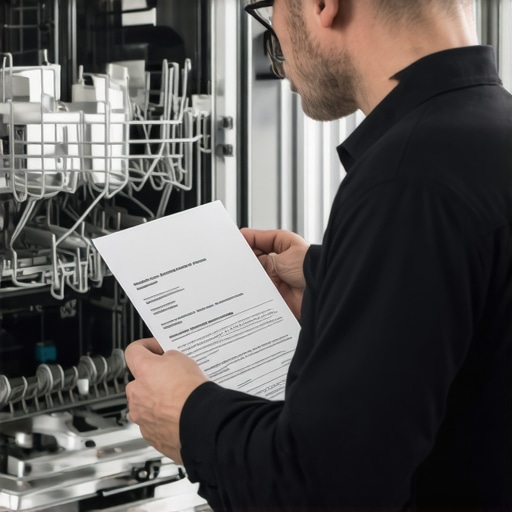
Keeping your dishwasher operating at peak performance requires more than just occasional cleaning—it involves the right tools, routine checks, and understanding how to troubleshoot common issues. One indispensable tool I personally rely on is a digital multimeter. It allows me to quickly test electrical components like the inlet valve and control board without guesswork, ensuring I can diagnose problems early and schedule repairs before things escalate. Additionally, a good set of screwdrivers, including Phillips and flat-head, is crucial for accessing behind panels and replacing worn parts such as door springs or gaskets. For routine maintenance, a microfiber cloth combined with a gentle, non-abrasive cleaner helps me wipe down filters and spray arms, preventing buildup that can hinder performance.
When it comes to software, I recommend keeping a maintenance log on a digital note or app. Recording dates of cleanings, parts replacements, and any error codes not only helps track your appliance’s health but also proves invaluable if you need to make warranty claims—proof of consistent care aligns with requirements outlined in warranty tips for dishwasher owners. As technology advances, some models now offer diagnostic modes accessible via smartphone apps, giving instant insights into issues like clogged filters or sensor faults, eliminating the need for guesswork.
Looking ahead, I believe the trend is moving toward smart diagnostics and remote maintenance alerts, which will empower homeowners to proactively address minor issues before they become costly repairs. Investing in these tools now can save time and money down the road. For example, regularly testing the float switch with a multimeter can prevent overfilling, a common culprit of water damage. It’s surprisingly straightforward and can be integrated into your routine: turn off the power, disconnect the float, and verify continuity, following advice from testing techniques on component longevity.
What’s the best way to keep your dishwasher humming over time?
My recommendation is developing a consistent maintenance routine that combines manual inspections and using precise tools like digital multimeters. Check the filter, spray arms, and seals monthly, and perform electrical tests quarterly or if you notice irregular noise or leaks. Don’t forget to document your activities, particularly when replacing parts or conducting tests—this documentation can be critical for warranty purposes or future troubleshooting. Remember, being proactive with your maintenance not only extends the life of your appliance but also safeguards your warranty coverage, as detailed in guides on parts care. Finally, try incorporating an occasional diagnostic scan using your model’s app if available—it’s an advanced tip that truly pays off by catching issues early before they escalate into expensive repairs. Now, equip yourself with these tools and strategies to keep your dishwasher working smoothly for years to come.
The Hardest Lesson I Learned About Parts, Dishwasher, Installation, Warranty
One profound realization was that rushing installation or neglecting proper maintenance can silently sabotage your dishwasher’s lifespan. Overlooking small details like securing the high loop drain or choosing the right parts can lead to water damage or warranty voids. I once ignored a minor leak, thinking it was insignificant, only to face costly repairs later—an experience that taught me the importance of vigilance and preventive care.
3 Myths About Parts, Dishwasher, Installation, Warranty That Held Me Back
Believing that all dishwasher parts are covered equally under warranty or that DIY installation guarantees coverage can be misleading. I wasted time and money assuming my warranty protected every repair—only to discover that improper DIY steps or incompatible parts excluded me from coverage. Correctly understanding warranty policies, like those detailed in this guide, is essential to avoid surprises.
What Experts Won’t Tell You About Parts, Dishwasher, Installation, Warranty
Professionals emphasize documenting every step of your installation and maintenance routines. Photographs, receipts, and detailed logs can be crucial during warranty claims. I learned this the hard way when I couldn’t prove correct installation after an issue arose—making a strong case for keeping meticulous records, as recommended in this advice. Proactive documentation bridges the gap between minor repairs and warranty approvals.
My Essential Toolkit for Dishwasher Longevity
Investing in reliable tools such as a digital multimeter, quality screwdrivers, and reusable cleaning cloths has transformed my maintenance routine. These tools help me perform electrical tests, replace worn parts effectively, and keep components like seals and filters in superb condition. Trusted resources like this collection of repair tips provide step-by-step guidance, saving money and extending appliance life.
Keep Moving Forward with Confidence
Your dishwasher is a critical part of your home, and caring for it proactively pays dividends in performance and durability. By understanding the nuances of proper parts selection, installation, and warranty protection, you empower yourself to prevent issues before they escalate. Remember, consistent maintenance and record-keeping are your best allies as you strive for a reliable, long-lasting dishwasher. What’s one step you’re excited to implement today to protect your appliance? Share your thoughts below, and let’s keep the conversation going.
Related Posts

How to Clean a Moldy Door Gasket Without Using Harsh Bleach
It was a quiet Sunday afternoon when I opened my…
How to Clean Your Dishwasher Interior Without Harsh Chemicals
It happened again. I opened my dishwasher expecting sparkling dishes,…
Why Hard Water Ruins Even the Most Expensive Eco-Cycles
One morning, I opened my dishwasher after what I thought…