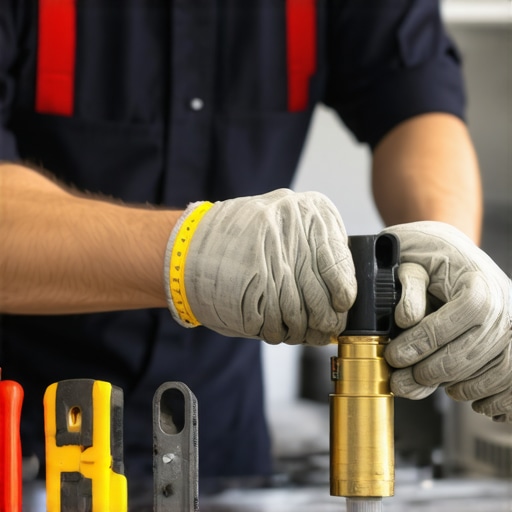
I remember the moment clearly—my dishwasher was acting up, and I felt that sinking frustration of watching clean dishes come out less than spotless. It hit me that a simple component, like the cold water inlet, might be the sneaky culprit behind longer cycles and uneven cleaning. Early on, I made the mistake of overlooking this tiny part, thinking it wasn’t that crucial. But once I dug deeper, I realized that the cold water inlet plays a vital role in maintaining optimal cycle efficiency.
Why Your Cold Water Inlet Could Be Sabotaging Your Dishwasher’s Performance
If your dishwasher isn’t turning out the sparkle it used to, or if cycles seem longer and less effective, there’s a good chance your water inlet isn’t doing its job properly. This component controls the flow of cold water into your appliance, and, believe it or not, its condition can significantly impact how well your dishwasher cleans and how quickly it completes its cycle. Ensuring this part is functioning correctly isn’t just about fixing problems—it’s about preserving your appliance’s efficiency and longevity.
Is It Really Worth the Fuss Over a Small Part?
You might be skeptical, thinking, “It’s just a water inlet valve; how much difference can it make?” Well, I used to think the same. But I learned that even a minor leak or partial blockage here can cause longer cycle times, increased water usage, or incomplete rinses. In fact, a faulty inlet valve can even affect warranty coverage if overlooked—a fact I uncovered after a misstep early in my DIY repairs. For a detailed guide on protecting your investment, check out this resource on maximizing your warranty: Maximizing Your Dishwasher’s Warranty.
So, if you’ve faced those stubborn never-ending washes or suddenly noticed water pooling beneath your appliance, it might be time to take a closer look at your water inlet. Up next, I’ll walk you through how to identify if this small but mighty part is causing trouble—and how to fix it before more serious issues arise.
Start by Disconnecting Power and Water Supplies
Before you begin, turn off the dishwasher’s power at the circuit breaker and shut off the water supply to prevent leaks. Remember, safety comes first—never work on appliances with active electricity or water still connected.
Access the Water Inlet Area
Remove the kick plate or lower panel beneath your dishwasher to locate the water inlet valve. Use a screwdriver to loosen screws and gently pull back panels. This step mirrors dismantling a puzzle—careful removal prevents damage to surrounding parts.
Check for Obstructions or Leaks
Inspect the inlet valve and connecting hoses for visible damage, leaks, or blockages. If you notice debris or mineral deposits, it may be a partial blockage affecting water flow, similar to a clogged pipe in plumbing.
Disconnect the Water Supply Line
Use adjustable pliers to loosen the coupling nut securing the supply hose to the inlet valve. Have a towel ready to catch any residual water—think of it as unhooking a garden hose without flooding your workspace. Be cautious not to apply excessive force, which might crack fittings.
Remove the Inlet Valve
Locate mounting screws holding the inlet valve to the dishwasher’s frame. Use a screwdriver to remove these screws; then, gently pull the valve from its socket. Keep track of small parts to avoid losing them during reinstallation.
Install the New Cold Water Inlet Valve
Position the new valve into the existing mounting point, aligning it properly. Secure it with the mounting screws—tighten just enough to prevent leaks but avoid over-tightening, which could crack plastic components. Connect the supply line to the new valve, ensuring a snug fit without cross-threading. For detailed guidance on selecting quality parts, visit top tips for selecting parts.
Ensure Proper Seal and Connection
Before reassembling panels, turn on the water supply momentarily to check for leaks. If everything is dry, shut off the water and proceed to finalize the assembly. This step prevents future leaks, which can cause water damage or void your warranty if ignored.
Reconnect Power and Test
Plug the dishwasher back into the power outlet and run a short cycle to verify proper operation. Observe the water flow and listen for unusual noises. Making sure everything functions correctly avoids unnecessary service calls and ensures your appliance performs optimally for years to come.
Document Your Repair for Warranty Purposes
Keep receipts and take photos of the replaced part and installation process. Proper documentation can be crucial when making warranty claims, as outlined in this comprehensive guide.