
Last month, I opened my utility bill and noticed a spike that didn’t quite add up. After digging into my energy usage, I realized it was all linked to my dishwasher running during peak hours—those evening times when everyone gets home and switches on everything. I’d always thought that a quick wash wouldn’t make a difference, but the reality was different. That was my lightbulb moment: finding a way to cut down on energy consumption without sacrificing convenience. If you’ve ever faced similar frustration or wondered how to keep your dishwasher working smartly without jacking up your bill, you’re not alone.
Why Peak Hours Can Hit Your Wallet Hard—and What You Can Do About It
During peak energy hours—typically in the evenings—utilities often charge higher rates because the demand for power is at its highest. This means your familiar nightly dishwasher cycle could be costing you an extra few dollars each time. Over a month, those small savings add up to a considerable chunk. Plus, running appliances during these times can strain the grid, contributing to environmental impacts we all feel in some way. So, the question is: how can you stick to your schedule, keep your dishes clean, and still keep the energy costs in check?
Are Peak Hours Really That Critical?
Even if you think, “It’s just a dishwasher,” think again. A recent study highlighted how shifting appliance usage to off-peak hours could save households up to 30% on energy bills (source: Energy Savings Council). Early on, I made the mistake of simply rescheduling my dishwasher to run later without considering how it might affect the machine’s performance or my warranty. That oversight almost led me to replace parts prematurely because I didn’t check if my installation was optimal. It’s one thing to delay a cycle, but another to do it right—trust me on that. Knowing the ins-and-outs of dishwasher parts, like those discussed in the article on understanding dishwasher parts, can save you money and hassle down the line. Now, let’s explore practical, tested methods to make your dishwasher work smarter during those costly peak hours without risking damage or voided warranties.
Identify Your Dishwasher’s Critical Components Before Rescheduling
Start by familiarizing yourself with the essential parts that impact performance, such as the water inlet valve, drain pump, and control board. A quick inspection ensures your machine can handle delayed cycles without risking damage. Use these guidelines to verify your dishwasher’s parts are in optimal condition, especially if it’s older than five years. I once postponed a cycle on my dishwasher, only to find out later that a worn-out inlet valve caused leaks—costing me a repair that could have been avoided.
Adjust Your Dishwasher’s Wiring and Installation for Long-Term Performance
Proper wiring and secure installation are key to avoiding issues when running cycles during off-peak hours. Think of your dishwasher’s setup like tuning a musical instrument—if the strings aren’t tight, the sound suffers. Use these steps to ensure your installation adheres to manufacturer specifications. I learned this the hard way when my machine shuddered during a delayed cycle because I didn’t check the grounding wire, leading to frustrating resets.
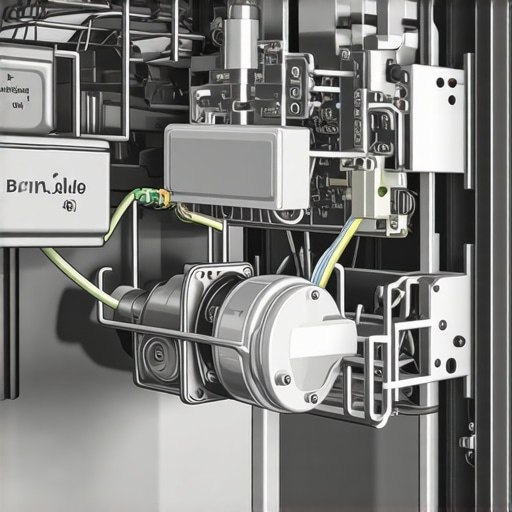
Insert an image showing proper dishwasher wiring and installation with labels for key components, illustrating correct setup practices.
Configure the Cycle Timing for Off-Peak Hours
Most modern dishwashers have delay start options—set yours to begin chores after peak hours. This is similar to scheduling a garden sprinkler for early morning when water use is cheapest. Consult your user manual to find the delay feature, or set your smart home system to trigger the cycle at a specific time. Keep in mind, for optimal results, confirm the cycle length fits your household schedule; a cycle that finishes after midnight may not be practical if early mornings are busy.
Prevent Overloading and Maintain Efficiency
Rescheduling is pointless if the machine isn’t loaded correctly. Overloading reduces cleaning efficiency and strains components, much like a packed subway car. Arrange dishes so water can circulate freely, and avoid blocking spray arms. Regularly clean filters and spray nozzles, which I failed to do during my initial off-peak tests, resulting in poor cleaning and increased wear. Refer to these tips for maintenance intervals that keep your machine running smoothly.
Monitor and Troubleshoot After Rescheduling
After setting your machine to run during off-peak hours, observe its performance for the first few cycles. Watch for leaks, unusual noises, or error messages. If issues arise, consult diagnostic procedures to identify potential problems rooted in incorrect installation or worn parts. My experience with a leak during a delayed cycle was a reminder to double-check connections, especially after long idle periods.
Many homeowners assume that replacing a dishwasher part or installing it correctly is straightforward, but the reality is far more nuanced. A common myth is that all parts are created equal and that OEM (Original Equipment Manufacturer) parts are always necessary for warranty protection. However, in my experience, understanding the specifics of warranty-covered components reveals that some aftermarket parts can be just as reliable, provided they meet certain criteria outlined in these guidelines. Failing to distinguish between critical and non-critical parts can lead to premature failures or voided warranties, especially if incompatible components are used during installation.
Another advanced mistake involves underestimating the importance of proper wiring and grounding. Many DIYers focus solely on connecting water hoses and overlook the significance of grounding, which is crucial for avoiding electrical malfunctions that might not be immediately evident but can cause warranty claims to be denied. For detailed tips, see this resource. Moreover, myths abound around warranty coverage, with some believing that running the dishwasher during peak hours invalidates the warranty—a misconception that can lead to unnecessary operational restrictions. In fact, manufacturers often specify that proper installation and maintenance are the key factors in warranty validity, not usage times.
Why does selecting the wrong parts threaten your warranty and performance?
Choosing incompatible or substandard parts can lead to leaks, inefficient operation, or even complete failure, which often results in costly repairs that aren’t covered under warranty. For example, using generic drain hoses instead of the recommended high-pressure hose specifications could cause backflow issues or water damage, jeopardizing any warranty claims. An overlooked detail is the importance of the drain loop height; a low or improper loop can trigger flood sensors and cause operational errors. To prevent this, refer to these installation standards.
Furthermore, the misconception that warranties cover all types of damages is dangerous. Most warranties exclude damages caused by improper installation, non-compatible parts, or neglecting maintenance. For advanced users, keeping detailed records of installation steps, parts used, and maintenance logs—especially related to warranty-covered components—can be your best defense during claims, as emphasized in these guidelines.
In essence, a deep understanding of the interplay between parts quality, installation precision, and warranty terms is essential for homeowners looking to maximize both performance and protection. Simply following basic instructions isn’t enough; mastering these nuances ensures you’re not just fixing problems but preventing them altogether. Have you ever fallen into this trap? Let me know in the comments.
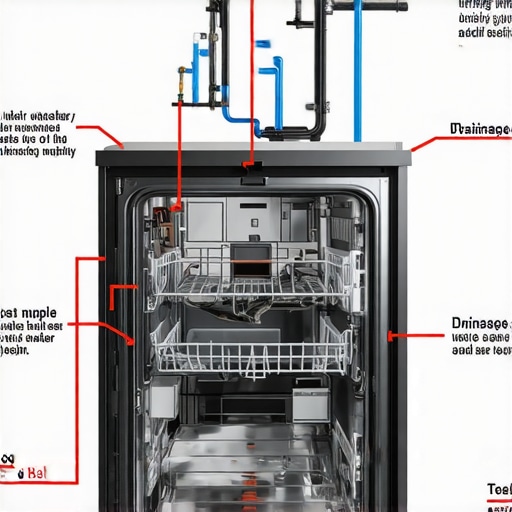
Insert an image showing a professional dishwasher installation with labeled critical components like wiring, drainage, and water supply to illustrate proper setup practices.
Equip Yourself for Reliable Dishwasher Performance
Maintaining a dishwasher that functions flawlessly over years requires investing in the right tools and adopting precise maintenance routines. I highly recommend keeping a digital multimeter handy—it’s essential for diagnosing electrical issues like faulty control boards or wiring problems. I personally use the Fluke 117, known for its accuracy and durability, which enables me to quickly test voltage at connection points, especially during delayed cycles or troubleshooting sessions. Another critical tool is a set of inspection mirrors and a flexible flashlight, enabling me to inspect hidden parts such as beneath the spray arms or behind panels without disassembly. These inexpensive yet invaluable tools help catch early signs of wear, like corrosion around pipes or loose wiring—preventing costly repairs down the line.
In addition, I rely on a high-pressure water nozzle for cleaning filters and spray arms thoroughly, ensuring optimal water flow and preventing blockages that could lead to cycle failures. Maintaining detailed logs of inspections and repairs using a simple app like Evernote keeps my service history organized, which proves invaluable when diagnosing ongoing issues or when warranty claims arise. Looking ahead, I believe that integrating smart diagnostic tools with your dishwasher—like Bluetooth-enabled sensors that monitor part health—will become standard, simplifying maintenance and extending appliance lifespan.
How do I maintain dishwasher parts over time?
Regularly inspecting and replacing worn components such as inlet valves, filters, and spray nozzles is vital. Refer to these guidelines for step-by-step procedures on checking parts during routine maintenance. Investing in quality tools and understanding their proper use—like ensuring your multimeter’s leads are rated for household voltage—can make a significant difference in diagnosing issues early. By sticking to a disciplined maintenance schedule, you’ll minimize unexpected breakdowns and maximize your warranty coverage, especially if you keep detailed records and receipts of parts used. Don’t overlook the value of preventive care; a small investment in tools and routine checks now will save you much more in repair costs later. Ready to upgrade your maintenance game? Try calibrating your control board’s sensors with a diagnostic app, ensuring your machine’s electronics are functioning at peak efficiency.
Lessons From the Front Lines of Dishwasher Care
One of the most eye-opening lessons I learned was how seemingly small oversights—like neglecting proper grounding or choosing incompatible parts—can lead to costly repairs and warranty disputes. I once ignored the importance of checking the drain loop height, only to face leaks that could have been prevented with a simple adjustment. These experiences taught me that every detail matters, especially when aiming to extend the life of your dishwasher and protect your warranty. Understanding the deeper mechanics and staying vigilant about proper installation techniques are the real game-changers—these insights are what set apart a well-maintained appliance from one riddled with preventable issues.
My Essential Toolkit for Dishwasher Success
Over the years, I’ve found that possessing the right tools makes all the difference. A digital multimeter, like the trusted Fluke 117 I rely on, helps me diagnose electrical issues quickly. Inspection mirrors and a flexible flashlight are invaluable for peering into hard-to-see areas, catching early signs of wear or corrosion. Regularly cleaning filters with a high-pressure water nozzle keeps water flow optimal. Additionally, maintaining detailed logs of parts, inspections, and repairs using apps like Evernote helps me track maintenance history. These tools, combined with reliable resources such as these guides, enable me to prevent issues before they escalate—consider adopting them to ensure your dishwasher runs flawlessly for years to come.
Ignite Your Passion for Long-Term Dishwasher Care
Your dishwasher is an investment that deserves your attention. By learning from these personal lessons, equipping yourself with the right tools, and adopting proactive maintenance routines, you can turn your appliance into a reliable workhorse. Don’t wait for leaks or error messages to prompt action—be proactive, stay informed, and enjoy the satisfaction of a machine that performs at its best. Remember, mastery over installation and maintenance translates to peace of mind and savings in the long run. Are you ready to elevate your dishwasher game and keep it running smoothly? Share your experiences below and let’s discuss how you’re taking control of your appliance’s longevity.
Related Posts
Why Modern Machines Take Three Hours to Wash One Load
It was late on a quiet weekday evening when I…
Why Your Machine Is Taking 4 Hours to Finish a Load
I remember sitting on my kitchen floor at midnight, staring…
Why Modern Dishwashers Take Longer to Wash Than Older Models
One evening, I stared at my newly installed dishwasher, puzzled.…
Comments are closed.