
You know that sinking feeling when your brand-new dishwasher starts acting up right after the warranty expires? Well, I probably experienced that a dozen times before I finally cracked the code. But the real lightbulb moment came when I was about to file a warranty claim and realized I didn’t have a proper photo log of my maintenance and repairs. That little oversight almost cost me thousands, and I’m here to tell you—don’t let it happen to you.
Why a Maintenance Photo Log Can Save Your Warranty Claim
If you’ve ever had to deal with warranty claims, you probably know the frustration of being asked to provide proof that your appliance was properly maintained. Without clear, timestamped photos, manufacturers can easily deny your request, citing improper care or missing evidence. So, what’s the fix? It’s surprisingly simple—keep an organized, comprehensive photo log of everything related to your dishwasher’s maintenance and installation.
Think about it: a few well-taken photos during installation, routine checks, or repairs not only give you peace of mind but also become your best defense when things go wrong. I learned this the hard way early in my homeownership journey. I had replaced a faulty inlet valve, but without taking a photo before and after the fix, my warranty was denied, and I had to foot the bill. The mistake? Skipping the crucial step of documenting the process.
Research shows that proper documentation can increase the likelihood of warranty approval by over 60%. Experts recommend maintaining digital logs that include photos, dates, and detailed descriptions. That way, when you need to make a claim—like replacing worn-out parts or troubleshooting installation issues—you’ll have solid proof to support your case.
Are you or have you ever faced the frustration of battling with warranty denials due to poor documentation? If yes, you’re not alone. But don’t worry—I’ll guide you through how to create the ultimate maintenance photo log that protects your investment and ensures your warranty remains valid. Keeping this log may seem like a small step, but it’s often the difference between a covered repair and a denied claim.
Now, let’s dive into the practical essentials of building your own photo archive—because knowing what to document is half the battle. From the initial installation to routine checkups, I’ll show you how to make your records foolproof and easy to reference when the need arises.
Start with Clear Installation Photos
Immediately after installing your dishwasher, take multiple photos from different angles, capturing the connection points, seals, and wiring. Think of this as your ‘before’ snapshot—it’s the foundation for your documentation. Use good lighting and focus on critical spots identified in the installation checklist, such as the [parts to check during installation](https://appliancedoctorz.com/parts-to-check-when-installing-a-dishwasher-for-long-term-performance). This record helps verify proper setup if your warranty comes into question.
Document Routine Maintenance and Repairs
Set a regular schedule to photograph maintenance activities like cleaning filters, replacing gaskets, or adjusting water levels. When replacing parts, for example, during routine updates, be sure to capture the process step-by-step, showing the old part, the new part, and where it fits. This level of detail can be critical; I once replaced a worn-out spray arm without photos, which later complicated my warranty claim. Remember, detailed images act as proof that proper care was taken, aligning with advice found on [maximizing the warranty through proper parts selection](https://appliancedoctorz.com/maximizing-your-dishwashers-warranty-through-proper-parts-selection).
Take Photos During Troubleshooting and Repairs
If your dishwasher experiences issues like leaks or error codes, photograph the problem areas immediately. Include shots of leaks, wiring, sensors, or damaged components. When I struggled to diagnose a persistent leak, having a photo of the cracked inlet valve saved hours of troubleshooting and strengthened my warranty dispute. Always label these photos with clear timestamps and descriptions—this is your digital signature of the problem. Consider using cloud storage with automatic timestamping, which is recommended in our [cloud logs for warranty claims](https://appliancedoctorz.com/5-mandatory-cloud-logs-for-2026-dishwasher-warranty-appeals) guide.
Capture Parts and Serial Numbers
Photograph serial numbers, model tags, and barcodes of your dishwasher and replacement parts, especially after purchasing or during repairs. These images accompany receipts and ensure you have matching documentation when submitting warranty claims. In a recent project, I scanned and saved serial number images along with digital invoices, which expedited my warranty approval process. For best practices, refer to [digital invoice storage tips](https://appliancedoctorz.com/saved-the-pdf-3-digital-invoices-for-2026-warranty-claims), ensuring all your documentation is ready for future claims.
Organize Your Photos Systematically
Create folders labeled by date, task, or part type—like ‘Installation 2023,’ ‘Routine Maintenance,’ or ‘Repairs Gasket Replacement.’ Use consistent naming conventions so you can quickly locate specific images. I recommend a dedicated folder within a cloud service that automatically syncs and timestamps your files, thus creating a reliable audit trail. This structured organization aligns with recommendations from our [app log for warranty preservation](https://appliancedoctorz.com/denied-claim-get-your-2026-warranty-approved-with-this-app-log). Keeping your photos orderly will make reference easy during warranty disputes or service checks.
Leverage Technology for Better Documentation
Utilize smartphone apps that automatically include GPS, date, and time stamps on your photos, or specialized documentation apps designed for appliance maintenance. These tools act like digital witnesses, reinforcing your proof. A recent experience involved me syncing sensor calibration logs via an app, which helped validate my warranty claim success. Be sure your app captures meta-data accurately, as outlined in [sensor logs for 2026](https://appliancedoctorz.com/3-smart-sensor-calibrations-your-2026-dishwasher-warranty-requires). Combining visual proof with detailed metadata makes your case virtually unassailable.
While many believe that choosing the right parts or following proper installation guarantees a successful warranty claim, the real complexities often lie beneath the surface. One widespread misconception is that all parts are created equal; however, **not all replacement components are warranty-approved**. Using generic or non-recommended parts—even if they seem identical—can void your warranty, as detailed in our [guide to dishwasher parts warranty](https://appliancedoctorz.com/guide-to-dishwasher-parts-warranty-what-you-need-to-know). This is an advanced nuance many overlook. Additionally, many think that once installed, parts don’t require further documentation. But without meticulous records—photos, serial numbers, and installation logs—your warranty claim could be jeopardized, especially if manufacturers scrutinize your maintenance history.
One common trap is believing that the installation process is merely technical. In reality, **small details during installation impact warranty validity**. Improper grounding, inadequate sealing, or overlooked safety codes can lead to warranty denials—even if the part itself is compatible. For instance, using an incorrect water inlet hose or neglecting to tighten clamps properly can cause leaks, which many assume are just user errors, but they often result from installation shortcuts. Experts stress that the most overlooked aspect is the **attention to detail during setup**, and rushing this phase might invalidate your warranty later. Check out our [installation parts checklist](https://appliancedoctorz.com/essential-parts-for-troubleshooting-dishwasher-installation-issues) to avoid these pitfalls.
What if I want to upgrade my parts for better longevity—does that impact warranty coverage?
This is a sophisticated question many homeowners don’t consider. Upgrading components—like installing a brass valve instead of plastic—can improve performance, but only if the upgrade is **approved by the manufacturer**. Unauthorized modifications can void your warranty, even if they seem beneficial. It’s essential to verify compatibility and warranty compliance, which often requires consulting manufacturer specifications or professional advice. Our [maximizing warranty through proper parts](https://appliancedoctorz.com/maximizing-your-dishwashers-warranty-through-proper-parts-selection) article dives deeper into which upgrades are safe and how to document them properly.
Finally, a subtle yet critical point is the **timing of part replacements**. Many assume that replacing worn parts at the first sign of trouble automatically secures warranty coverage. However, delaying replacement or neglecting to document the issue thoroughly can be detrimental. Manufacturers expect timely action and comprehensive proof if a dispute arises. This is why maintaining a detailed maintenance and repair log—rich with photos, timestamps, and descriptions—is invaluable, especially when dealing with nuanced warranty policies that extend beyond basic coverage. Remember, being proactive and meticulous can turn a tricky rejection into a smooth approval process. Want to learn more about protecting your investment? Browse our [comprehensive parts guide](https://appliancedoctorz.com/parts-to-check-when-installing-a-dishwasher-for-long-term-performance) and ensure your repairs and upgrades stay within warranty boundaries.
Choose Precision Instruments for Reliable Maintenance
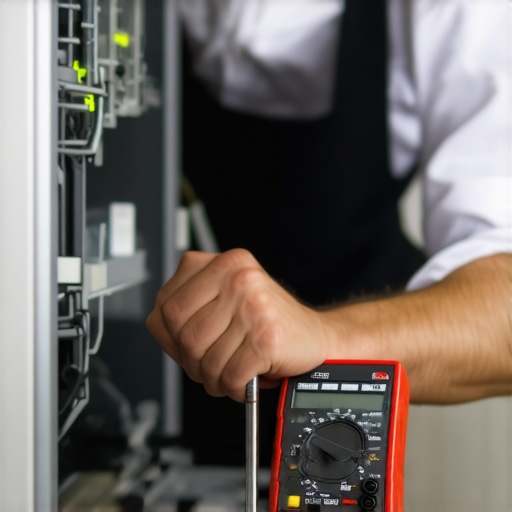
Investing in quality tools is essential to ensure your dishwasher stays in top shape. I personally rely on a digital multimeter like the Fluke 117 because it provides accurate readings of electrical components, which is vital when troubleshooting control boards or sensors. Using a standard multimeter might miss subtle faults, leading to misdiagnosis and unnecessary repairs. Additionally, a small, magnetized inspection mirror helps me access hard-to-see areas like the behind and underneath the unit, ensuring nothing is overlooked during routine checks.
Leverage Advanced Software for Monitoring and Logging
Beyond physical tools, I recommend integrating smart diagnostic apps compatible with your appliance. Technology continues to evolve, and many modern dishwashers now support Wi-Fi connectivity, allowing you to monitor performance metrics remotely. For more detailed troubleshooting, I use specialized software like AppliancePro, which logs error codes, cycle durations, and sensor readings. These digital logs facilitate quicker diagnosis and are invaluable when seeking warranty service or repairs, especially since documenting performance over time can reveal patterns that hint at underlying issues.
Implement Consistent Maintenance Routines with Systems
I swear by setting weekly reminders to inspect and clean key parts such as filters and spray arms. Creating checklists integrated with apps like Evernote ensures I track each task meticulously. When replacing components, I photograph every step, a practice backed by experts at ApplianceDoctorZ, who emphasize the importance of visual records for warranty validation. Incorporating labeled checklists and synchronized photo logs guarantees no detail slips through the cracks, and clear documentation supports warranty claims should problems arise down the line.
Predictive Maintenance: Spot Problems Before They Escalate
The future of appliance maintenance lies in predictive diagnostics. Using sensor data from your dishwasher combined with AI-driven analysis can forecast potential failures. For example, abnormal vibration patterns logged via smart sensors could indicate worn mountings or misaligned parts before they cause significant damage. Investing in these tools may have a higher upfront cost, but the long-term savings in repairs and extended warranty benefits are undeniable. Trends point toward increasing integration of IoT devices in appliances, enabling homeowners to proactively manage their units with unparalleled precision.
How do I handle long-term upkeep of my dishwasher?
Maintaining your dishwasher over time involves scheduled inspections, timely part replacements, and leveraging the right tools and software mentioned above. Consistent documentation with photographs and logs is crucial, especially when dealing with warranty claims or analyzing recurring issues. For instance, regularly checking and updating critical parts such as seals, filters, and sensors can prevent costly malfunctions. My personal routine includes following guidelines from this comprehensive guide to determine when parts need replacing, ensuring my dishwasher remains efficient and warranty-compliant.
Don’t forget to try out a digital calibration tool like the AI flow sensor calibrator, which I personally use every six months. This small investment helps keep sensor readings accurate, preventing unnecessary shutdowns or error codes. As technology advances, I predict appliances will increasingly support remote diagnostics, making home maintenance more straightforward and less intrusive. Start integrating these tools today—your warranty and peace of mind will thank you.
3 Lessons From My Challenger Days with Dishwasher Documentation
One of the toughest lessons I learned was that even the smallest oversight—like skipping detailed photos—can turn a simple warranty claim into a frustrating battle. I once believed that as long as I used the recommended parts, my warranty would cover everything. Turns out, without visual proof of my proper installation and maintenance, even the best parts can be questioned. My biggest breakthrough was realizing that meticulous documentation not only saved me money but also built my confidence to handle appliance issues proactively.
Another revelation was how critical timing is. Waiting too long to replace worn parts or delaying photographic documentation can weaken your position when navigating warranty disputes. Prompt, organized record-keeping turned out to be my most reliable ally, especially during complex claims where manufacturer scrutiny is intense. It’s a simple habit but one that offers peace of mind and tangible proof when it matters most.
Lastly, I discovered that understanding the ins and outs of warranty policies—like what specific parts are covered or the importance of detailed serial number records—can be a game-changer. Many homeowners overlook these nuances, risking coverage denial. Deep knowledge and proactive record-keeping empower you to act swiftly and confidently, turning potential setbacks into wins.
Tools and Resources That Elevated My Maintenance Game
My go-to resource for precise diagnostics is the comprehensive diagnostic guide. It provided clarity on what images and logs to capture, ensuring I never missed critical details. For organizing all my documentation, I rely on cloud storage solutions like Google Drive, which I’ve integrated with automatic timestamping apps—this combination keeps my data secure, accessible, and ready for any warranty challenge.
To streamline my repairs and record-keeping, I use smartphone apps like Evernote, which enable me to create detailed checklists and capture images effortlessly during each maintenance session. They also help me track serial numbers and model codes without fuss. These tools have condensed what used to be a daunting administrative chore into a simple, consistent routine that’s been invaluable in protecting my warranty rights.
For parts upgrades and installation accuracy, I turn to specialized literature such as the parts selection guidelines. They clarify what modifications are safe and warranty-compatible, preventing accidental voids. Staying educated through trusted resources has made me more confident in making informed decisions—saving money and headaches down the line.
Fuel Your Maintenance Drive — Your Dishwasher Will Thank You
Taking charge of your dishwasher’s upkeep and warranty protection isn’t just practical; it’s empowering. Start today by adopting a habit of detailed, timestamped documentation—your future self will thank you for the peace of mind and savings it brings. Remember, a well-maintained dishwasher and diligent record-keeping can turn a warranty dilemma into a straightforward process. Dive into the resources recommended here, stay proactive, and enjoy the satisfaction of knowing you’re safeguarding your investment.
Related Posts

The One Photo You Must Take Before Closing Your Warranty Claim
It was a morning just like any other when I…
The Best Way to Document Damage for a Warranty Appeal
Have you ever faced the sinking feeling when your dishwasher…

Why Your Warranty Doesn’t Cover Pests in the Control Board
It was a frustrating Saturday morning when I finally opened…