
I remember a time not too long ago when I casually ignored my dishwasher’s installation—thinking, “It’s working fine, no need to fuss over it.” That was until one morning when I opened the door to find a mini indoor waterfall cascading onto my kitchen floor. Panic set in as I realized I’d overlooked a small leak that had quietly worsened over months, causing water damage and extra repair costs. That lightbulb moment made me realize: neglecting regular inspections isn’t just about avoiding inconvenience; it’s about preventing costly disasters.
The Hidden Dangers of Overlooking Your Dishwasher’s Installation
Most homeowners don’t think about their dishwasher’s installation until something goes wrong—until the cycle stops mid-way or water starts pooling on the floor. But the truth is, regular inspections can catch small issues before they turn into expensive repairs or voided warranties. For instance, loose hoses, worn-out gaskets, or improperly secured water supply lines can cause leaks that damage cabinets or encourage mold growth. Being proactive might seem like extra effort, but it’s a proven way to extend your appliance’s lifespan and keep your kitchen safe.
Is Routine Inspection Really Necessary?
Absolutely. When I first started inspecting my dishwasher every six months, I avoided more serious problems down the line. I learned to look for tiny leaks, unusual noises, and rust spots—simple signs that something was amiss. A wrong step early on can lead to warranty issues or expensive replacements. Remember, warranties often have fine print—visiting this guide on warranty coverage showed me the importance of proper installation and maintenance for preserving those benefits.
Early mistakes, like forgetting to check the drain hose’s proper routing or neglecting to tighten water supply fittings, are common but entirely fixable if caught early. I once ignored a loose clamp—cost me an extra hundred dollars in repairs when that small leak turned into significant water damage. Trust me; being vigilant is worth every minute.
If you’re unsure how often to inspect or where to start, I recommend learning about the critical parts to monitor. Checking the water inlet valve, supply hoses, and door gaskets can prevent most issues. Plus, addressing minor problems immediately helps keep your warranty intact, as highlighted in this comprehensive warranty guide.
Now, let’s dive into some straightforward steps you can take to ensure your installation remains airtight and leak-proof, saving you money and hassle in the long run.
Secure the Water Supply Properly
Begin by connecting the water inlet hose to the water supply valve, ensuring a snug fit to prevent leaks. Use a high-quality, stainless-steel braided hose instead of cheaper plastic versions, as these resist bursting and corrosion over time. Tighten fittings with an adjustable wrench, but avoid over-tightening, which can damage the fittings or strip threads. Think of it like tightening a tight screw—firm but not excessive—similar to how I replaced a worn-out hose last month, which stopped pesky leaks and protected my warranty coverage here.
Check the Water Inlet Valve
Next, inspect the inlet valve for signs of wear—rust, cracks, or mineral buildup. Remove the panel covering this part, turn off the main water supply, and disconnect the hose to examine the valve directly. A clogged or faulty valve can cause inadequate water flow, triggering error codes or poor cleaning performance. Replacing it promptly ensures your warranty remains valid, especially if you rely on diagnostic guides.
Verify Proper Drainage Setup
The drain hose is the lifeline of your dishwasher’s plumbing—think of it as the highway for wastewater. Use a high-loop installation, where the hose is raised at least 34 inches above the floor, to prevent backflow and odors. Secure the hose to the underside of the counter or cabinet with clamps, avoiding sags or kinks that restrict flow. I once overlooked this step, and leftover food blocked the line, leading to a dishwasher flood. Regularly inspect the drain line for debris and clogs, which can compromise your warranty if the unit is damaged because of poor drainage here.
Test the Door Seal Gasket
The gasket acts as a sealant, much like a car door, ensuring water doesn’t escape during operation. Remove the door panel carefully, clean the gasket with a damp cloth, and check for cracks or deformations. Replacing a damaged gasket immediately prevents leaks that could void warranty protections. During one repair, I replaced mine using a model-specific kit, which took only minutes but prevented costly water damage later this guide.
Secure and Level the Appliance
A dishwasher must sit level to operate efficiently and avoid undue strain on parts. Use a carpenter’s level along the door’s top and sides, adjusting adjustable feet as needed. Proper leveling also prevents vibrations that can loosen connections over time, risking leaks or damage—issues that threaten warranty coverage. When I installed my unit, a quick check with a level revealed a tilt, so I adjusted the feet, and the unit ran smoothly thereafter here.
Final Safety and Performance Checks
After assembly, run a test cycle to observe for leaks or abnormal noises. Keep an eye on the connections, gasket, and drain during the cycle. If any leaks or issues occur, address them immediately—delaying repairs can worsen damage and void warranties. Document these steps with photos if you plan to file a warranty claim later; most warranties require evidence like this to support coverage here.
Many homeowners believe that once their dishwasher is installed and running smoothly, the job is done. However, this misconception overlooks critical nuances that can impact warranty coverage and long-term performance. For example, a widespread myth is that using generic parts won’t affect warranty validity. In reality, manufacturers often specify OEM parts for repairs, and choosing non-approved components can void warranties, as detailed in this guide.
Do Your DIY Fixes Voiding Warranty?
Another misconception involves DIY repairs. While many think they save money and time, improper installation or repair—like over-tightening fittings or using incompatible parts—can lead to leaks or damage that voids warranty protections. An expert from this resource emphasizes that only trained technicians should perform certain repairs to preserve warranty coverage.
Why Size and Proper Setup Matter More Than You Think
Advanced homeowners often overlook the importance of precise measurements and setup, assuming that standard installation rules suffice. However, subtle errors, such as an unlevel machine or misrouted drain hose, can cause leaks, premature wear, or error codes. According to industry research, even small misalignments can cause significant issues over time. Ensuring the installation is exact safeguards your warranty and extends appliance lifespan.
When considering parts, many forget that not all replacements are created equal. Using aftermarket or counterfeit parts might be cheaper initially but can compromise both performance and warranty eligibility. Always verify parts compatibility before replacement. For comprehensive guidance, visit this resource on parts.
Furthermore, understanding the fine print of your warranty policy is crucial. Some warranties exclude coverage for damage caused by improper installation or failure to perform regular maintenance, such as inspecting water supply hoses or sealing gaskets. Don’t assume your warranty is foolproof; read the terms carefully or consult professionals through our contact page.
Keeping these nuances in mind, always prioritize proper, certified installation and maintenance. Doing so not only preserves your warranty but also prevents costly repairs down the line. Have you ever fallen into this trap? Let me know in the comments.
Tools I Recommend for Long-Term Maintenance
Having the right tools is essential to keep your dishwasher running smoothly and to address minor issues before they escalate. My go-to is a high-quality digital multimeter, such as the Fluke 112, which allows me to quickly diagnose electrical faults like failing control boards or heating elements. I also rely on precision screwdrivers, especially insulated Phillips and flathead sets, because screws on dishwasher panels are often recessed and require careful handling to avoid damaging plastic clips or the unit itself.
For plumbing checks, a PEX crimper is invaluable when replacing supply hoses or fittings, ensuring secure, leak-proof connections that won’t void your warranty. A good set of adjustable pliers and basin wrenches helps tighten or loosen fittings without damaging delicate components. I customarily also keep a tub of silicone-based gasket sealant on hand to reseal gaskets or repair minor leaks temporarily, buying myself time before a professional repair.
The Future of Dishwasher Maintenance
As smart appliances become more prevalent, I anticipate maintenance evolving with integration into home automation systems. Diagnostics will be more software-based, providing real-time alerts and recommendations via smartphone apps. For now, regular manual inspections of hoses, gaskets, and the water inlet valve are critical, especially if you want to preserve your warranty. Developers are also focusing on more durable, corrosion-resistant parts, which reduces the frequency of repairs but underscores the importance of choosing OEM parts, per this comprehensive guide.
How do I maintain dishwasher parts over time?
Keeping your dishwasher components in top shape involves a few proactive steps. First, periodically inspect the water supply hoses for signs of wear or mineral buildup, replacing plastic ones with stainless-steel braided alternatives for superior durability. Next, examine door gaskets for cracks or deformation—replacing damaged seals immediately prevents leaks that could void warranties and cause water damage. Cleaning spray arms and filters monthly ensures consistent water flow and prevents clogs that stress components. Lastly, verify the proper operation of the control panel using a multimeter during routine checkups, especially if you notice error codes or inconsistent cycles. Regular maintenance, paired with quality tools, extends your appliance’s lifespan and maintains warranty coverage. To dive deeper into these strategies, consulting professional guides such as this troubleshooting resource can be immensely helpful. Don’t forget to challenge yourself to perform a full system diagnostic with your multimeter—it’s an advanced but worthwhile skill that saves money and preserves your warranty. Remember, keeping your dishwasher in optimal condition isn’t just about fixing problems—it’s about preventing them before they start.
Lessons That Turn Hidden Flaws into Long-Term Wins
My most valuable insight came from realizing that a minor misalignment or a forgotten hose clamp can snowball into significant repairs, jeopardizing warranty coverage. I learned that meticulous attention during installation and periodic checks is less about inconvenience and more about safeguarding my investment. Taking the time to understand the nuances of each component transformed my approach from reactive repairs to proactive maintenance, saving countless dollars and frustration.
Another lightbulb moment was discovering how easily overlooked parts, like the drain hose loop or door gasket, can cause leaks. Knowing these ins and outs compelled me to develop a personalized maintenance checklist, ensuring my dishwasher’s healthy performance long after the initial setup. It’s about cultivating a mindset that values preventative care over costly fixes.
Finally, I realized that understanding the warranty’s fine print is essential. Knowing what coverage is protected when I perform routine inspections or use OEM parts allowed me to make smarter choices. Those small but significant details mean peace of mind and financial security—knowledge I wish I had from the start.
My Arsenal for Dishwasher Success
For anyone serious about longevity, I swear by tools like a reliable digital multimeter—my go-to for diagnosing electronic issues and control panel glitches. An adjustable plumber’s wrench makes quick work of securing supply lines, while a set of high-quality screwdrivers helps with panel access and gasket replacements. I also recommend a stainless-steel braided water supply hose; it’s durable and passes warranty standards, unlike cheaper plastic versions.
In addition, I keep a mirror and flashlight handy for inspecting hard-to-see areas like the water inlet valve or spray arms. Having these tools empowers you to catch early signs of wear, preventing small issues from turning into full-blown repairs. Remember, investing in the right gear is a small step with huge long-term payoff.
Your Next Chapter with Dishwasher Care
Empower yourself to take control of your dishwasher’s health—think of maintenance as a routine ritual rather than a chore. Regularly checking hoses, gaskets, and filters can dramatically extend the life of your appliance and ensure your warranty remains valid. Embrace this mindset, and you’ll find that small, consistent actions yield dependable performance and savings.
Are you ready to make preventive maintenance a regular part of your routine? Share your experiences or ask questions below—let’s build a community committed to smarter appliance care!
Related Posts
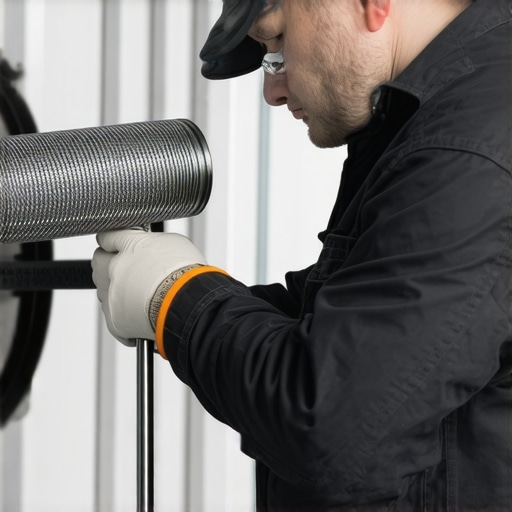
Why Your Professional Installer Insists on a New Braided Hose
It was a frustrating morning when I found my brand-new…
Why Professional Leveling Prevents Your Door From Leaking
I will never forget the squish. That sickening, wet sound…

The Critical $10 Part for Any Professional Installation
I remember the moment clearly—standing in my kitchen after a…