
I stood there in my favorite wool socks, watching a steady stream of lukewarm, soapy water arc gracefully from the top of my dishwasher straight onto my hardwood floors. The door was wide open. The machine didn’t care. It kept chugging away, its internal spray arms spinning like a rogue lawn sprinkler. This happened right after I finished what I thought was a successful DIY dishwasher installation. I felt like a failure, and my kitchen felt like a swamp. If you’re staring at a machine that refuses to acknowledge the door is open, you’re dealing with a serious safety bypass that can ruin your home in minutes. Today, we’re going to figure out why your machine has lost its mind and how to pin down the specific common dishwasher parts and their role in this chaotic mess.
Stop the Water Before Your Kitchen Cabinets Warp
When a dishwasher ignores an open door, it’s usually because the brain of the machine—the control board—thinks the latch is securely engaged. Early on, I made the mistake of thinking I could just “jiggle” the handle to fix it. Big error. I ended up stripping the plastic housing on a perfectly good latch and nearly voided my dishwasher warranty policies. You need to understand that this isn’t just a quirk; it’s a failure of the interlock system. This matters because a runaway dishwasher can cause thousands in water damage before you even finish your morning coffee. Whether you need expert advice on dishwasher installation troubleshooting or just a quick sanity check, getting to the root of the sensor failure is your only priority.
Is a running dishwasher with an open door actually a fire hazard?
It’s the question everyone asks when they see their appliance behaving like a poltergeist. While the primary risk is water damage, a short-circuited control board or a bypassed thermal fuse can lead to overheating. Have you ever opened your dishwasher only to find it still humming or spraying? It’s a heart-stopping moment, and I want to hear about your experience. According to technical data from Consumer Reports, door latch assemblies are among the most frequently failing components because they endure constant physical stress and moisture. If your machine is also making a clicking sound, that’s a massive red flag that the mechanical switch is physically stuck in the “closed” position, even when the door is wide open.
Take Action Before the Flood Happens
Your first move isn’t reaching for a screwdriver; it’s reaching for the circuit breaker. Dealing with a machine that runs while open means the electrical circuit is ‘closed’ when it should be ‘open.’ If you poke around while it’s live, you risk a nasty shock or frying the mainboard. Once the power is dead, you can safely look into how to reset your dishwasher control board after a power cut because sometimes the software just needs a hard reboot to realize the door isn’t actually shut.
Inspect the Bouncer of Your Machine
The door latch assembly is essentially the bouncer at a club. Its job is to tell the control board that the coast is clear. If the plastic handle feels limp or you don’t hear a distinct ‘click,’ the mechanical linkage has probably snapped. I once tried to bypass a broken latch by wedging a piece of thick business card into the sensor slot. It worked for exactly eight minutes. The steam from the hot water turned the card into wet mush, the sensor released mid-cycle, and the machine kept spraying water all over my kitchen rug while the door was unlatched. It was a soggy disaster that taught me to only use common dishwasher parts and how to replace them effectively rather than relying on DIY hacks that ignore safety features. 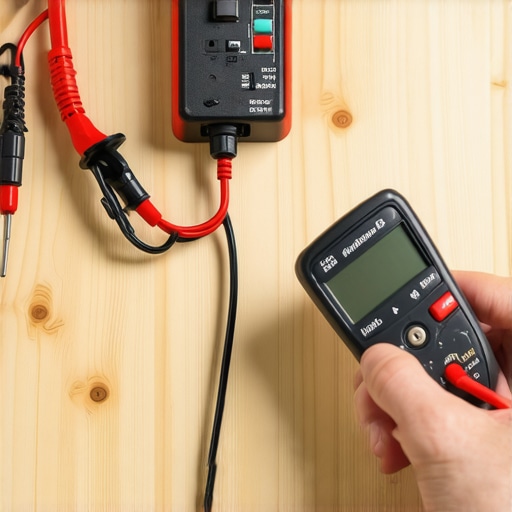
Grab a Multimeter to Find the Real Culprit
If the latch looks physically fine and clicks when pressed, the electrical microswitch inside is likely shorted in the ‘closed’ position. You’ll need a multimeter set to the ohms setting to check for continuity. When the latch is pressed, the meter should beep or show near-zero resistance. If it shows ‘OL’ (open loop) even when you’ve manually clicked the switch, or if it shows continuity when the switch is open, the part has failed. This is one of those parts you can swap yourself without voiding your protection, and it is a much better alternative than letting your kitchen floor soak.
Check Your Leveling to Save the Seal
Sometimes the hardware is perfectly functional, but the installation is crooked. If the dishwasher isn’t perfectly level, the tub can flex just enough that the latch doesn’t line up with the strike plate. This puts constant physical stress on the switch, eventually causing it to stick or fail. Understanding why professional leveling prevents your door from leaking is vital because a tilted machine forces the door to ‘fight’ the gasket. If you’re struggling with a unit that won’t stay off when the door is ajar, check the leveling legs first. A simple turn of a wrench could solve the alignment issue and let the safety sensor engage properly again. Finally, examine the wiring harness running through the bottom of the door. If the wires are frayed or pinched, they can send a false ‘door closed’ signal to the brain of the machine. This requires expert advice on dishwasher installation troubleshooting to ensure you don’t cross any high-voltage lines during the repair.It’s easy to think that a dishwasher is just a box of plastic and racks, but the logic gate inside the control board is remarkably sensitive. Most DIYers believe that a ‘part is a part,’ but I’ve learned the hard way that saving twenty bucks on a knock-off sensor is the fastest way to a flooded kitchen. While the internet is full of cheap alternatives, the reality is that why OEM pumps outlast cheap alternatives every time boils down to the tolerances of the internal micro-switches. If the switch resistance is off by even a few ohms, your machine might think the door is closed when it’s wide open. This isn’t just my opinion; data from the Association of Home Appliance Manufacturers (AHAM) indicates that non-certified electronic components in high-moisture appliances have a significantly higher failure rate due to improper sealing against steam.
Why does your control board ignore a physical door gap?
The nuance most people miss is that the control board doesn’t actually ‘see’ the door; it only sees a completed electrical circuit. If you have a ‘ghost in the machine’ where it runs while open, you might have a carbon-tracked switch or a shorted wiring harness. I’ve seen homeowners spend hours on essential parts for troubleshooting dishwasher installation issues only to realize they accidentally pinched a wire during the initial setup. That tiny pinch creates a bridge, bypassing the safety sensor entirely. This is a classic ‘oops’ factor that can lead to why your warranty doesn’t cover power surges or electrical shorts caused by improper handling. 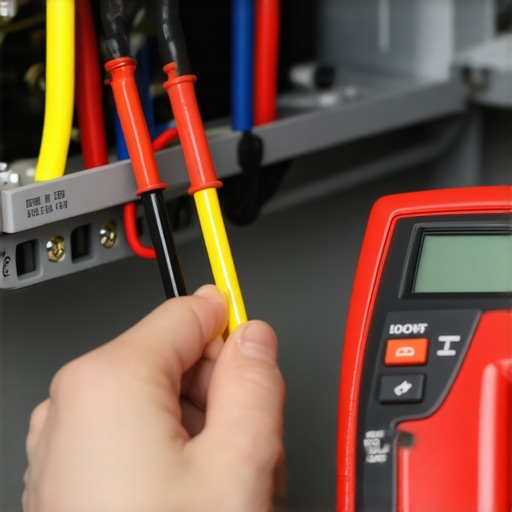 One of the biggest myths I hear is that the warranty covers everything for the first year. That is a dangerous assumption. If you can’t produce a professional installation sign-off or if you’ve used non-approved components, you’re likely facing the risks of skipping the professional installation receipt. Manufacturers are looking for any reason to deny a claim, and a DIY-installed latch that wasn’t properly calibrated is an easy target. You need to be proactive about maximizing your dishwasher’s warranty coverage today by keeping meticulous records of every part you touch. The hidden trap here is the ‘fit and finish’ of the installation itself. Even if the parts are perfect, the difference between a lemon and a faulty installation often comes down to the millimeter. If the tub isn’t squared, the latch won’t seat correctly, and over time, the heat will warp the strike plate. Have you ever fallen into this trap where a simple fix turned into a warranty nightmare? Let me know in the comments below. Before you buy your next replacement, make sure you’re reviewing top tips for selecting the right parts for dishwasher installation to avoid these advanced headaches.I’ve learned that the secret to avoiding these electrical ‘ghosts’ isn’t just about knowing where the wires go; it’s about having the right gear in your drawer. I personally never touch a door assembly without my Klein Tools non-contact voltage tester. It’s saved me from more than one ‘spicy’ encounter with a shorted control board. When you’re dealing with essential parts for troubleshooting dishwasher installation issues, precision is your best friend. I also swear by a dedicated Torx T20 driver rather than a multi-bit tool. Those tiny screws on the inner door panel are notoriously soft, and if you strip one, you’re basically looking at a permanent installation. This is exactly how people end up needing to know when to replace dishwasher parts for optimal performance because they can’t even get the machine open to fix a $5 sensor.
Stop Stripping Screws with the Right Drivers
Using a standard Phillips head on a specialized appliance screw is a recipe for disaster. I’ve seen countless DIYers give up on a simple repair because they turned a screw head into a smooth, round crater. By investing in a high-quality set of drivers, you ensure that you can actually access the parts to check when installing a dishwasher for long-term performance. If you can’t get the panel off, you can’t verify if the latch is truly failing or if a wire just shook loose during a heavy cycle.
How do I keep my door latch working for a decade?
Maintenance isn’t just about the filter; it’s about the physical mechanics of the closure. Every six months, I take a damp microfiber cloth and wipe down the strike plate and the latch opening. Gunk buildup here is the number one cause of ‘sensor creep’—where the door feels closed but the electrical connection is intermittent. According to service documentation from Bosch, even a 1mm deviation in the latch’s seating position can increase the electrical resistance across the microswitch, leading to premature board failure. This is why understanding dishwasher parts a key to effective maintenance is so critical for long-term reliability. 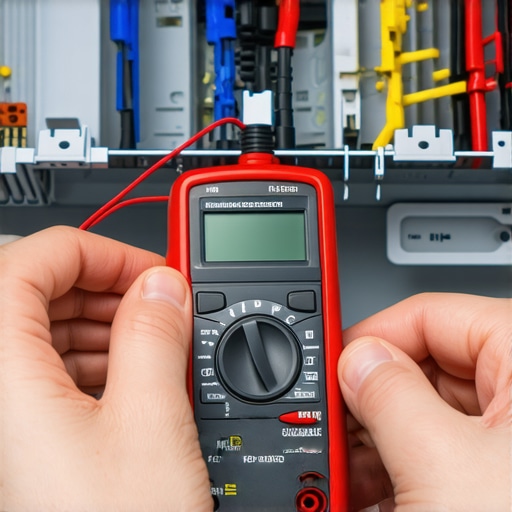
The Secret to Protecting Your Electronics from Steam
One thing I always tell people is to look at the vapor barrier. If your dishwasher was installed without that thin plastic film protecting the underside of your cabinet, steam will eventually migrate into the control panel. This moisture is what causes the ‘running while open’ glitch because it creates a conductive bridge across the door switch terminals. I recommend checking your barrier every year to make sure it hasn’t peeled away. This falls under the category of what your dishwasher warranty doesn’t cover and how to avoid fees, as environmental damage from improper sealing is rarely covered. Looking ahead, I predict we are going to see a shift away from these finicky mechanical switches. High-end brands are already experimenting with ultrasonic proximity sensors that can detect a door gap without any physical contact. This would eliminate the ‘running while open’ hazard entirely, but until then, we have to stay diligent. You should also be thinking about maximizing your dishwasher’s warranty through proper parts selection by always opting for reinforced components if your original latch fails. Try this advanced tip today: Use your multimeter to check for ‘ghost voltage’ on the latch assembly before you assume the main board is dead. It could save you hundreds in unnecessary replacements.
Hard Truths from a Soggy Kitchen Floor
After years of tinkering with appliances, I’ve realized that a dishwasher that ignores its own door is often crying for help in ways we ignore. First, never underestimate the power of steam; it can bridge electrical gaps that a physical latch cannot. Second, if you’re trying to save money by skipping a proper part, you’re just pre-ordering a future flood. Always refer to a guide to dishwasher parts warranty what you need to know before you start pulling things apart, as you might have coverage you didn’t expect. Lastly, mechanical ‘clicks’ are your best friend—if you don’t hear them, the part is spent.
The Toolkit That Saves My Sanity
I don’t go into any repair blind, and neither should you. These are the items I keep on standby for every job:
- The Voltage Tester: A non-contact tester is non-negotiable for safety when the machine is acting erratically.
- Dedicated Torx Drivers: Stop using Phillips heads on T20 screws; you’ll only end up with a stripped mess. Having the right essential parts every dishwasher owner should keep on hand includes the right tools to access them.
- Digital Multimeter: This is the only way to truly ‘see’ if a switch is failing or if the logic board has lost its mind.
- High-Quality Vapor Barrier: If yours is peeling, replace it during your next top tips for seamless dishwasher installation in 2025 to keep the moisture away from your electronics.
Master Your Machine and Reclaim Your Kitchen
Fixing a dishwasher that runs while open is about more than just avoiding a mess; it’s about understanding how to diagnose dishwasher parts during warranty periods so you can keep your home safe and efficient. Don’t let a faulty sensor intimidate you. With the right diagnostic steps and a little patience, you can restore the safety of your appliance without a massive repair bill. Have you ever had a dishwasher start a cycle all on its own while you were in the middle of loading it? Let me know your horror stories in the comments below!
Related Posts
Why Your Heating Element is Burning Your Plastic Tupperware
Ever since I first started microwaving leftovers, I noticed something…
Why Your Inlet Valve Is Leaking Behind the Cabinet Unnoticed
I remember the moment clearly—standing in my kitchen, my eyes…

Why your dishwasher smells like a swamp and how to fix it
I still remember the moment I opened my dishwasher after…