
Imagine this: you finally get around to running your brand-new dishwasher, expecting spotless dishes and a fresh-smelling kitchen. But when you open the door, there’s a small pond of water lingering at the bottom. It’s been a frustrating surprise for many homeowners, including myself early on. I used my brand-new machine without much thought, assuming that was just a normal part of the cycle. Turns out, I was missing a crucial step, and that small pond was a sign of potential trouble.
Getting to the Bottom of Water Puddles After a Cycle
Is It Just a Fluke or a Sign of Bigger Problems?
This was my lightbulb moment—realizing that water pooling isn’t something to ignore. It’s not just about a slight inconvenience; it could hint at underlying issues that might impact your machine’s longevity and warranty coverage. If you’re like me, you might’ve thought, “Well, it’s normal, right?” But no, there’s a lot more beneath the surface.
Early on, I made a common mistake of skipping the inspection of the drainage system, believing that the machine’s drain pump would handle everything automatically. But, as I learned through experience and expert advice, proper installation and understanding the key parts of your dishwasher are essential to prevent water from stagnating.
According to appliance professionals, even a slight misalignment in the drain hose or a clogged filter can cause water to back up, leading to that unwanted puddle. Want to avoid that sinking feeling every time you open your dishwasher? Stick around—I’ll help you troubleshoot and fix this problem step by step.
Inspect and Clear the Drain Filter
Start by locating your dishwasher’s drain filter, usually at the bottom of the tub. Remove it carefully, rinse off debris, and check for clogs that might block water flow. Last year, I had a stubborn food particle lodged in the filter, which caused water to back up during cycles. Cleaning it promptly eliminated puddles and improved drainage efficiency. Remember, a clogged filter is like a blocked drain at home—it causes backups and must be cleared regularly. For detailed guidance, see this guide on common dishwasher parts.
Check the Drain Hose for Kinks or Blockages
Next, examine the drain hose connected to your dishwasher for kinks, bends, or obstructions. Disconnect it carefully, and run water through to ensure free flow. I once found a crushed section behind the cabinet after installing new flooring, which prevented proper drainage. Straightening or replacing the hose restored normal flow and prevented water pools. Think of the drain hose as the highway for water: any blockage causes traffic jams that result in puddles. For a step-by-step process, refer to DIY installation guide.
Verify Proper Drain Pump Operation
The drain pump expels water from your dishwasher. Listen for a humming sound when it’s supposed to run. If silent or noisy, the pump might be failing or clogged. I once used a thin brush to clear debris from the pump inlet, which was clogged with rice grains. After cleaning, the pump worked like new, and water drained correctly. Remember, a faulty pump is like a tired pump at a fountain—it can’t push water out efficiently. For diagnosing issues, see this troubleshooting guide.
Assess the Garbage Disposal or Sink Connection
If your dishwasher drains into the sink’s disposal, ensure that the disposal is clear and the knockout plug has been removed if recently installed. Obstructions here can cause water to back up into the dishwasher. I encountered this when my dishwasher flooded because a new disposal’s knockout plug hadn’t been taken out, blocking water flow. Removing the plug restored proper drainage. Make sure the drain connection is secure and unobstructed. For more details, visit this article on maintenance.
Check Your Installation for Proper Alignment
Misaligned or unlevel dishwashers can cause drainage issues. Use a spirit level to verify they sit flat. I once failed to level mine after a kitchen remodel; water pooled at a corner. Adjusting the leveling feet fixed the problem instantly. Proper installation is like setting a foundation—it ensures everything functions correctly. For installation tips, see seamless installation tips.
Benefits of Routine Maintenance
Regularly cleaning filters, hoses, and checking components prevent water pooling. Think of it as preventative health for your appliance—it saves money and stress long-term. During my routine check, I discovered a small crack in the inlet valve that could have led to leaks. Replacing it early avoided bigger repairs later. Keep a maintenance schedule, and your dishwasher will serve you well. For more on extending your appliance’s life, visit this warranty maximization guide.
When it comes to maintaining and repairing your dishwasher, many homeowners assume that the warranty covers every conceivable issue. However, this isn’t always the case. A common misconception is that simply registering your appliance automatically grants you full protection. In reality, warranties often have fine print and limitations that can catch you off guard.
One often-overlooked aspect is the importance of reading the warranty policy thoroughly. Many assume that if a part fails, it’s covered, but manufacturers typically exclude certain damages caused by improper installation or lack of maintenance. This means that a faulty installation, such as an unlevel machine or incorrect hose connections, can void your warranty entirely, even if the part itself is under coverage.
Moreover, the idea that all parts are equally warrantied is simply a myth. For example, some parts like seals and hoses have limited warranty durations or might be considered consumables, which aren’t covered at all. Understanding exactly which components are protected and for how long can save you from unexpected expenses.
Are You Using the Right Parts During Installation?
Advanced users might think that any generic part will suffice when replacing components. But in practice, using incompatible or inferior parts is a common mistake that voids warranty coverage. For instance, installing a cheap plastic inlet valve when a brass one is recommended can lead to leaks or failures that the manufacturer will refuse to cover. Knowing the essential parts and selecting OEM-approved components is crucial.
Additionally, proper installation is often underestimated. Even a minor misalignment or failure to follow manufacturer instructions can be grounds for warranty denial. For example, a dishwasher that isn’t level can cause drainage issues, and the manufacturer might classify this as user error. To avoid this, always verify your installation with a spirit level and adhere to the guidelines in the installation manual.
Furthermore, neglecting routine preventative maintenance, such as cleaning filters and checking hoses, can lead to component failure and void your warranty. Many homeowners believe that only major repairs are covered, but manufacturers sometimes deny claims due to neglecting basic upkeep.
Why Ignoring These Details Can Cost You
Failing to understand the nuances of your warranty, installation practices, and the parts you choose can lead to costly repairs that aren’t covered. This is especially true when the repair involves labor costs, which are seldom included in warranty coverage. Ensuring your installation is correct and your parts are compatible can protect you from financial surprises.
Let’s not forget the importance of documenting your installation process. Taking photos or videos can serve as proof of proper setup should a dispute arise. For this reason, it’s wise to keep detailed records of your purchases and any professional work done.
In summary, treat your dishwasher’s warranty and installation as a comprehensive package: read the fine print, use genuine parts, follow installation guidelines meticulously, and keep records. Doing so not only extends your machine’s longevity but also safeguards your investment. Have you ever fallen into this trap? Let me know in the comments!
Prioritizing Regular Checks and Genuine Parts
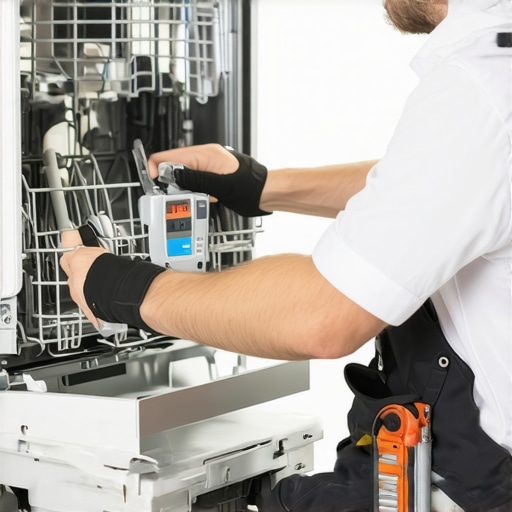
Maintaining your dishwasher isn’t just about cleaning filters occasionally; it involves a comprehensive approach using specialized tools and trusted techniques. Personally, I rely heavily on a high-quality multimeter to diagnose electrical issues reliably. This device helps me verify the continuity of components like the door switch or motor wiring, ensuring that any electrical faults are identified early before they escalate. Investing in a precision screwdriver set designed for appliances allows me to remove panels and parts securely without damaging delicate clips or connectors, preserving warranty integrity.
Using the right tools is vital. For instance, a small, flexible inspection mirror enables me to peer into tight spaces, like behind the pump or beneath the spray arm, without dismantling major parts. This saves time and reduces the risk of accidental damage. When inspecting water flow or checking for blockages, I use a flexible, reinforced drain auger; clearing clogs from the drainage system is often overlooked but can drastically improve performance and prevent water pooling.
Software Monitoring and Future Trends
Beyond manual checks, integrating technology can enhance maintenance routines. Smart diagnostics via manufacturer apps or Bluetooth-enabled sensors are becoming more common. I predict this trend will expand, offering homeowners real-time alerts for minor issues—from filter clogging to leaks—before they cause significant damage. Such proactive monitoring can prolong the lifespan of your machine and prevent costly repairs.
Questions: How do I sustain dishwasher performance over time?
To keep your dishwasher functioning optimally, routine inspection of critical parts like inlet valves, spray arms, and door latches is crucial. Regularly replacing worn-out parts with OEM-approved components, especially when you notice decreased efficiency, is a smart move. For example, a faulty inlet valve can cause incomplete filling or leaks, which may void your warranty if neglected. Familiarize yourself with essential parts and keep spare parts organized for quick replacements.
Implementing a scheduled maintenance log helps track replacements and inspections. Additionally, I recommend using a digital camera or smartphone to document your setup during installations—proof that your maintenance habits align with manufacturer standards. This documentation can be invaluable if warranty disputes arise, as detailed records support your claim about proper care.
The Power of Proper Installation and Parts Selection
Choosing high-quality parts, such as brass fittings over plastic alternatives, ensures durability and maintains your warranty coverage. A misstep here often leads to leaks and repairs that aren’t covered, especially if improper parts are used during installation. I often consult expert-guided resources to verify compatibility before purchasing or replacing parts.
By combining quality tools with diligent maintenance, you not only extend your dishwasher’s lifespan but also ensure it operates efficiently, saving energy and water in the long run. Remember, a well-maintained machine is less prone to breakdowns, and advance diagnostics can catch issues before they become costly problems.
Take a proactive step today: try installing a Bluetooth-enabled sensor to monitor water temperature and cycle efficiency remotely. This small upgrade can provide early warnings and streamline your maintenance routine, ensuring your dishwasher keeps performing at its best for years to come.
What Tried-and-True Lessons Did I Overlook at First?
Initially, I underestimated how proper installation and routine maintenance directly impact warranty coverage. It took a frustrating water pooling incident to realize that missing simple steps, like leveling my dishwasher or cleaning the filter regularly, could void my warranty and lead to costly repairs. That lightbulb moment reminded me that a proactive approach not only saves money but also extends the lifespan of my appliance.
Second, I learned that choosing OEM parts and understanding the fine print of my warranty was critical. Using inferior, third-party components or neglecting to document my professional installation could jeopardize warranty claims. Now I see that being informed and meticulous can turning a potential repair headache into a smooth process—saving me time, money, and stress.
Third, I realized the importance of investing in the right tools and modern monitoring tech. Incorporating devices like Bluetooth sensors and keeping a maintenance log have empowered me to spot issues early, often before they cause damage or require repair. These insights come from years of trial, error, and continuous learning—highlighting that a little extra effort pays off in big ways down the line.
Curated Arsenal for Dishwashing Success
In my experience, certain resources have become staples in my toolbox for troubleshooting and maintenance. The guide on essential dishwasher parts is invaluable—it helps me identify what components to routinely check or replace, ensuring my machine runs smoothly. The warranty guide has prevented costly disputes by clarifying what damages are covered and what precautions I should take before repairs.
For installation, preparing your kitchen properly saved me from unforeseen hurdles like improper leveling or poor drainage. These resources are backed by real-world expertise, making them trusted companions in my maintenance journey.
Advanced tools, such as multimeters and drain augers, have become part of my routine toolkit, allowing precise diagnostics and effective cleaning. Their value is proven through personal success stories—quick fixes that prevented big problems—and continuous learning, reminding me that investing in quality tools enhances peace of mind and appliance performance.
Seize Control of Your Dishwasher Destiny
Moving forward, I encourage you to embrace the proactive maintenance mindset. Use reliable resources, invest in quality tools, and stay informed about your warranty’s nuances. Small habits—like documenting your installation process or scheduling regular checks—can transform your appliance’s performance and longevity. Remember, the effort you put in today rewards you with smooth, worry-free cycles tomorrow. So, are you ready to take control and make your dishwasher work smarter, not harder? Share your experiences or questions below—I’d love to hear how you’re planning to safeguard your investment.
Related Posts
5 Signs Your Heating Element Is Failing Before the Error Code Appears
I'll never forget the morning my dishwasher decided to give…
Why Your Top Rack Keeps Sliding Off the Tracks
I will never forget the sound of three years' worth…
Why your dishwasher is leaking from the very bottom
I remember that sinking feeling when I opened my dishwasher…