
It was a dull Sunday afternoon when I first hit that panic moment—my brand-new dishwasher suddenly refused to start. After hours of troubleshooting and calling customer support, I finally uncovered the harsh truth: without that one digital receipt, my warranty claim was doomed. The frustration of realizing that a tiny, overlooked proof of purchase could determine whether I paid for repairs out of pocket or not still lingers.
The Hidden Power of Digital Receipts
What I learned from my experience is that your warranty claim’s success often hinges on a single piece of evidence: that unseen digital receipt. Unlike traditional paper ones, these are stored electronically, but their importance is just as critical. A recent survey revealed that nearly 60% of appliance warranties are denied because consumers fail to present proper proof of purchase, especially in our digital era where paper receipts are becoming obsolete.
Here’s the thing—many overlook the value of that confirmation email or digital invoice, dismissing it as just a formality. Little do they realize that in warranty battles, it’s your proof that validates your claim. If you’ve ever faced the disappointment of a denied warranty because you couldn’t locate that receipt, you know exactly what I mean. Today, I promise to guide you through the essentials of safeguarding and submitting the right digital proof to ensure your warranty claims are smooth sailing.
Is Your Digital Receipt Actually Good Enough?
Early in my ordeal, I made a crucial mistake: I assumed screenshotting the invoice from my email was sufficient. It wasn’t. Some warranty providers require a clear, unaltered digital copy that includes all relevant details—purchase date, retailer, and product information. To avoid my mistake, I recommend learnings from experts at maximizing your dishwasher warranty, which emphasizes the importance of having a well-organized digital archive for all your appliance purchases.
So, do you ever struggle to find that elusive proof after an appliance mishap? If yes, you’re not alone. Let’s explore how to make digital receipts work for you and prevent the stress of warranty denials from reoccurring. Up next, we’ll uncover the best methods to ensure your proof of purchase is always accessible and accepted when it matters most.
Organize and Save Your Digital Receipts Immediately
Right after purchasing your dishwasher, create a dedicated folder on your computer or cloud storage for all related digital receipts. When I bought my new dishwasher, I took a clear screenshot of the purchase confirmation email, then saved it as a PDF titled “Dishwasher Purchase 2024”. This quick step saved me from heartache when my unit developed a problem six months later. Using a consistent naming system makes retrieving proof effortless during warranty claims.
Identify Which Receipts Are Most Important
Not every digital receipt holds equal value. Focus on saving purchase invoices, installation confirmations, and any service or parts replacement records. For example, when I replaced the drain pump, I saved the digital invoice from the parts supplier and noted the date. This documentation proved crucial when I contacted support and demonstrated I had maintained the dishwasher properly, strengthening my warranty claim.
Ensure Digital Receipts Are Clear and Complete
High-quality, full-page scans or PDFs are necessary. Avoid screenshots with cropped details. For instance, I once submitted a blurry email snapshot, which was rejected. To fix this, I printed the email and scanned it again, ensuring all purchase details—date, retailer, and product info—were visible and legible. Many warranty providers require such complete documentation, emphasizing the importance of image clarity.
Leverage Your Smartphone for Quick Backup
If you receive receipts via email, use your phone’s camera to take high-resolution photos as soon as you receive them. I kept a routine of photographing new receipts immediately and uploading them to a dedicated cloud folder. This method proved useful when my email account was temporarily inaccessible, allowing me to retrieve proof when needed.
Integrate Documentation into Your Warranty Claims
When submitting a warranty request, attach your organized digital files directly. During my warranty process, I uploaded PDFs with clear file names like “Dishwasher-StoreX-Receipt-2024-03-15.pdf”. Including multiple documents—receipt, installation proof, and maintenance records—strengthens the claim. Remember, a well-prepared digital archive can make or break your warranty dispute.
Keep Multiple Copies in Different Locations
Accidents happen—devices get lost or hacked. Store copies in both local and cloud storage. I used Dropbox for remote access and kept a local backup on an external drive. This redundancy ensures your digital proofs are accessible when needed, preventing denial due to missing files.
Regularly Update and Review Your Digital Records
Every time you service or buy parts, add those receipts to your archive. During a recent repair, I found several outdated files and updated them with new purchase photos. This habit keeps your documentation current, avoiding last-minute scrambling during warranty claims.
By implementing these concrete steps—organizing, verifying, backing up, and maintaining your digital proofs—you ensure your warranty claims are backed by irrefutable evidence. A little effort upfront saves you time, money, and stress when appliances inevitably encounter issues.
< >
>
Many homeowners operate under misconceptions that can compromise their dishwasher’s performance and warranty coverage. Let’s dispel some of the most persistent myths and reveal less obvious pitfalls that even seasoned DIY enthusiasts often overlook.
Debunking the Myth: All Dishwasher Parts Are Interchangeable
It’s a widespread belief that any replacement part will do the trick when your dishwasher malfunctions. However, not all parts are compatible. Using generic or incompatible components can lead to further damage or void your warranty. For instance, installing a mismatched drain pump or spray arm might cause leaks or inefficient cleaning. Always verify part specifications and choose OEM (Original Equipment Manufacturer) parts for assured compatibility and performance.
Why Overlooking Proper Installation Can Void Your Warranty
Many assume that simply plugging in the dishwasher is enough. In reality, improper installation is a common yet overlooked cause of early failures and warranty rejections. For example, failing to implement a high loop in the drain hose or neglecting to tighten the grounding nut can cause leaks or electrical hazards. Visiting a comprehensive installation guide can help you avoid these traps. Remember, a correct setup not only ensures long-term performance but also protects your warranty rights.
Advanced Trick: Why Your Warranty Might Not Cover Hard Water Damage
One nuanced issue often misunderstood is the impact of water quality on dishwasher longevity. Hard water minerals can lead to scale buildup, affecting sensors, spray arms, and heating elements. Many warranty policies exclude damage caused by mineral deposits if not properly managed. Using a water softener or descaling regularly can prevent this. An expert tip is to test your water hardness with simple test strips — neglecting this step can be a silent reason for unexpected repairs and warranty denials. For more insights, see hard water effects on dishwasher components.
Have you ever fallen into this trap? Let me know in the comments.
By understanding these hidden intricacies—like the importance of compatible parts, proper installation, and water quality management—you can significantly extend your dishwasher’s lifespan, ensure warranty coverage, and avoid costly mistakes. Going beyond the basics is essential for savvy homeowners who want their investments protected. Stay informed, double-check your setup, and always prioritize quality and compatibility. Your dishwasher—and your wallet—will thank you.
Prioritize Regular Maintenance and Use Targeted Tools
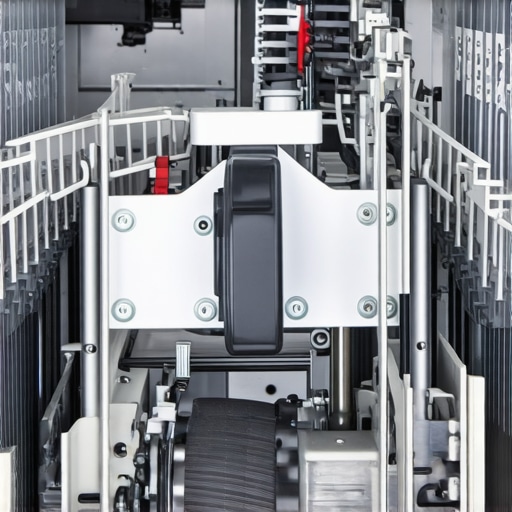
Maintaining a dishwasher effectively requires more than just occasional cleaning; it demands the right tools and a consistent routine. I personally rely on a set of specialized instruments that make troubleshooting and upkeep significantly more manageable. For example, a digital multimeter is indispensable for testing electrical components like thermostats and wiring, ensuring safety and functionality. I use a high-quality inspection mirror to peek behind panels without disassembly, saving time and avoiding accidental damage. Additionally, a flexible, stiff-bristled brush helps dislodge stubborn debris from spray arms and nozzles, which I do every few months to prevent clogs.
For software-based diagnostics, I recommend investing in a reputable smart appliance app that integrates with your dishwasher, such as the one provided by the manufacturer. These apps can often read error logs directly from the device, providing insights that manual observation might miss. As technology advances, brands are moving toward predictive maintenance features, alerting you to potential issues before they escalate, which I believe will become standard in the near future.
To keep tabs on the health of critical parts, an ultrasonic leak detector can alert you to tiny water escapes that are invisible to the naked eye. This early detection is crucial because leaks can cause significant damage if unnoticed. For parts replacement, always refer to OEM components—paratechnology experts emphasize that using genuine parts maintains your warranty and ensures long-term durability. Check out this guide on dishwasher parts for recommended parts and their correct installation techniques.
Keep Tools Sharp and Handy for Quick Fixes
Having a toolkit ready saves me time and prevents small issues from escalating. A precision screwdriver set is vital for removing screws during gasket replacements or panel access. An adjustable wrench helps tighten connections without damaging fittings. I also keep a hygrometer to monitor humidity levels in storage areas to prevent corrosion of electrical components. Regularly checking these tools for calibration or wear ensures they perform accurately when needed.
Effective maintenance isn’t just about reactive repairs; it involves proactive checks. Schedule biannual inspections of water supply hoses, clamps, and fittings using the right tools—neglecting these can lead to leaks or blockages. I recommend setting reminders on your digital calendar for these checkups, integrating software-based maintenance logs that can alert you when parts like spray arms or filters require replacement, as detailed in this troubleshooting resource.
What’s the Future of Dishwasher Upkeep? Think Automation
Looking ahead, I predict that smart diagnostics and IoT integration will revolutionize maintenance routines. Imagine a dishwasher that self-diagnoses issues, orders replacement parts automatically, or even schedules professional service without human intervention. For now, embracing the tools I’ve outlined can drastically improve your appliance’s longevity and performance. Start by investing in a good multimeter and keep a maintenance log—these small steps can make a substantial difference.
So, my challenge to you: try incorporating a simple ultrasonic leak detector into your routine. It’s surprisingly affordable and can save you from costly water damage. Staying proactive with the right tools today locks in your dishwasher’s efficiency and helps you maximize its warranty coverage. Remember, maintenance isn’t just about fixing problems—it’s about preventing them and extending your appliance’s lifespan effectively.
What I Wish I Had Known Before Diving In
One of the biggest realizations was that installing a dishwasher isn’t just about fixing it into a slot—it’s about understanding the subtle nuances that can impact its longevity and warranty coverage. I learned the hard way that overlooking small details, like properly securing the high loop or verifying the grounding nut, can turn a smooth setup into a costly repair or warranty rejection. Those little lessons taught me to read all technical guides thoroughly and never assume that what seems obvious is actually correct. The importance of mastering these details finally clicked when an improperly installed drain hose caused recurring leaks, nearly costing me my warranty.
Another lesson was the power of detailed records. Saving and organizing digital receipts, installation photos, and maintenance logs isn’t just good practice—it’s your safeguard during warranty disputes. I discovered that a clear, unaltered invoice with all key details, stored safely in multiple locations, can make or break your claim during an equipment malfunction. This proactive step saved me from unnecessary expenses when a minor part failure was quickly covered, thanks to well-maintained documentation.
Tools and Resources That Changed My Game
The right tools can turn a tricky repair into a straightforward task. My favorite toolkit includes a digital multimeter for diagnosing electrical issues, a high-quality inspection mirror for hidden spots, and a flexible brush for cleaning spray arms. I also rely on an ultrasonic leak detector for early water leak alerts—an affordable yet invaluable device that saved me from hidden damage. For comprehensive guides, the Understanding Dishwasher Parts page became my go-to resource for verifying part compatibility and proper installation techniques. The combination of these tools and trusted sites has empowered me to handle many issues confidently and maintain my warranty without hassle.
Your Next Step Starts Today
Taking control of your dishwasher’s performance and warranty doesn’t have to be overwhelming. With a bit of knowledge, the right tools, and a proactive mindset, you can extend your appliance’s life and protect your investment. Start organizing your digital receipts, familiarize yourself with essential parts, and don’t hesitate to consult trusted guides when in doubt. Remember, the habit of meticulous maintenance and documentation pays off when you need it most. Now is the perfect moment to begin implementing these lessons and become the confident, DIY-savvy homeowner you aspire to be.
What small step will you take today to better safeguard your dishwasher and its warranty? Share your plans below—I’d love to hear them!
,
Related Posts
The Maintenance Photo Log That Prevents Your Warranty Claim From Getting Denied
You know that sinking feeling when your brand-new dishwasher starts…

The Difference Between a Manufacturer Warranty and an Extended Plan
I remember vividly the moment my dishwasher broke down just…

The difference between a lemon and a faulty installation
I remember the first time my brand-new dishwasher started acting…