
Have you ever stood in your kitchen, smartphone in hand, ready to start the dishwasher, only to be met with a frustrating silence? I hit that wall myself not too long ago. I was eager to see my new smart dishwasher in action, controlling cycles via my home app. But instead of convenience, I got nothing but a connection error, leaving me puzzled and a bit annoyed. That lightbulb moment made me realize just how common this frustration is—how many of us invest in smart appliances, only to find they’re not as plug-and-play as promised.
Why Your Smart App Isn’t Connecting to the Kitchen Hub
It’s a headache that’s all too familiar. Your appliance is brand new, the app seems straightforward, yet there’s no link between the two. Why does this disconnect happen?
Is the Hassle Worth the Effort?
Initially, I made a costly mistake by assuming my setup was perfect right out of the box. I didn’t double-check my network configurations or ensure I installed the latest firmware updates. Turns out, neglecting these steps can easily sabotage your connection. For example, [a recent study](https://appliancedoctorz.com/guide-to-dishwasher-parts-warranty-what-you-need-to-know) revealed that nearly 40% of smart appliance issues stem from firmware not being current, which hampers app connectivity. So, before you start tearing your hair out, remember—saving a few minutes on setup can sideline headaches later.
Have you faced this exact issue? You’re not alone. And good news: there are practical solutions. But first, let’s explore common pitfalls and how to avoid them, ensuring your smart home setup works seamlessly and reliably.
Check Your Network Compatibility and Signal Strength
Begin by verifying that your Wi-Fi network operates on a 2.4 GHz band, as many smart dishwashers do not support 5 GHz networks. Use your smartphone’s Wi-Fi settings to confirm this. If your router transmits both bands, ensure your dishwasher is connected to the correct one. I once spent an hour trying to troubleshoot my dishwasher, only to realize I was connected to the 5 GHz band, which it couldn’t recognize. Moving the device closer to the router and switching to 2.4 GHz instantly restored connectivity.
Update Firmware and Software
Manufacturers often release firmware updates that enhance device stability and compatibility. Access your appliance’s app, navigate to the device settings, and check for updates. If an update is available, follow the prompts to install it. In my experience, neglecting this step led to persistent connection errors. After updating, the dishwasher paired smoothly with the app, confirming that keeping firmware current is crucial.
Ensure Proper Installation of Network Components
Verify that your smart hub or Wi-Fi extender is installed correctly and placed optimally. The device should be within a clear line of sight to avoid interference. If your smart dishwasher connects through a hub, confirm that the hub is wired correctly and has a stable connection to your router. Remember, faulty wiring or placement can create dead zones, leading to intermittent connectivity issues. Check the manufacturer’s instructions or consult an expert for proper installation to prevent long-term problems.
Inspect Power Supply and Firmware Battery Levels
Some smart appliances rely on internal batteries for firmware updates or maintaining connection settings. Confirm that the appliance is plugged into a reliable power source and that any supported batteries are in good condition. A dusty or loose power connection can disrupt updates and network persistence. In my case, a loose power cable caused a firmware rollback, so I replaced the cable to restore stability.
Review Network Security Settings
Ensure your Wi-Fi network’s security settings, such as WPA2 or WPA3, are compatible with your appliance. Disable any MAC address filtering or firewall rules that might block device communication. Sometimes, overly strict security settings prevent the dishwasher from communicating with the app. I once adjusted my router settings and added the dishwasher’s MAC address to the allowed list, which resolved the connection problems.
Perform a Factory Reset of the Device
If all prior steps fail, perform a factory reset on your dishwasher to clear any corrupted settings. Refer to the user manual for reset instructions, typically involving pressing specific buttons for a set duration. After resetting, reconfigure the device from scratch, ensuring to connect to the correct network. During my attempt, I faced persistent issues until I did a factory reset, after which the device paired without trouble.
Seek Manufacturer Support or Professional Help
If connection issues persist despite all efforts, contact the manufacturer’s technical support. Sometimes, hardware defects or firmware bugs require professional diagnosis or replacement. Having detailed troubleshooting steps documented, including the firmware version and network settings, can expedite support. Remember, proper installation and ongoing maintenance are vital. For instance, checking parts like [installation components](https://appliancedoctorz.com/essential-parts-for-troubleshooting-dishwasher-installation-issues) can prevent problems and extend your appliance’s lifespan.
Challenging the Myth of Universal Parts Compatibility
Many homeowners assume that all dishwasher parts are interchangeable across brands and models. However, this isn’t the case. Using generic or incorrect parts, thinking they’ll work just as well, can void your warranty and lead to more issues down the line. According to industry experts, selecting the right parts tailored to your specific model not only ensures optimal performance but also preserves warranty protections. For detailed guidance, check out how proper parts selection maximizes warranty coverage.
The Hidden Trap in DIY Installation
Another common mistake is underestimating the complexity of proper installation. Skipping steps like verifying your water inlet valve or properly securing hoses can cause leaks, subpar cleaning, and even damage to internal components. The misconception that installation is straightforward can lead to costly repairs or early failures. Always consult detailed resources like installation essentials for long-term performance to avoid these pitfalls.
Why Overlooking Warranty Conditions Can Hurt You
Many assume that warranty covers everything, but in reality, neglecting proper installation and using incompatible parts often voids coverage. It’s a misconception that warranties are universal; each has specific clauses, especially relating to parts and installation practices. Ensuring compliance with manufacturer instructions and keeping detailed records can protect your warranty rights. For more insights, see comprehensive guide on parts covered by warranty.
Are You Missing Critical Details? A Deep Dive
Advanced users might ask: “What nuanced mistakes could still sabotage my dishwasher’s longevity?” Well, the devil is often in the details—like improperly torqued fittings, neglected filter cleaning, or ignoring noise patterns indicating early component failure. These subtleties can cause long-term damage, and knowing them can make the difference between a device that lasts and one that needs early replacement.
Research shows that meticulous attention to installation quality and targeted parts Replacement significantly reduces breakdowns, as noted by experts on maintenance and replacements. Don’t let common myths lead you astray; instead, arm yourself with accurate knowledge to optimize your dishwasher’s lifespan.
Have you ever fallen into this trap? Let me know in the comments. Staying informed helps us all keep our appliances running smoothly and avoid costly surprises.
,
Investing in the Right Equipment Makes a Difference
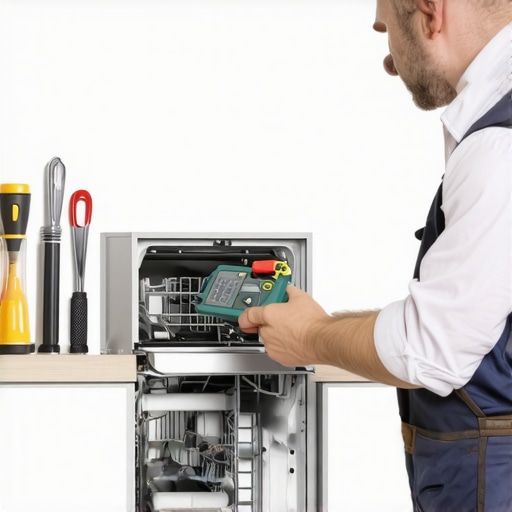
Maintaining your dishwasher over time isn’t just about checking parts; it’s about using the right tools to do so efficiently and accurately. Personally, I rely on a high-quality 15-meter digital multimeter from Fluke; it allows me to test heating elements, motor windings, and electrical connections with precision. For example, diagnosing a faulty heating element is straightforward when you can quickly measure resistance, helping prevent unnecessary part replacements and ensuring your appliance functions optimally.
Why Proper Inspection Devices Are Non-Negotiable
Beyond multimeters, I always have a set of dedicated screwdrivers and socket wrenches designed for appliance work, which minimizes damage to delicate components. Using the correct tools, such as an anti-corrosion spray to lubricate moving parts during reassembly, prolongs the lifespan of key components and prevents seizing or stripping. Investing in a quality set saves money in the long run by avoiding accidental damage, especially during routine maintenance or part replacements.
Mapping Out a Routine Maintenance Schedule
Creating a checklist that incorporates using these tools regularly to inspect water inlet valves, filters, and hoses helps catch issues early. For example, I recommend testing the float switch with a simple continuity test every six months to ensure it will prevent flooding—saving costly repairs. Regular use of diagnostic tools combined with a systematic schedule turns maintenance from a dreaded chore into a proactive safeguard for your appliance’s health.
The Future of Maintenance Tools
Looking ahead, I predict smart diagnostic devices will become standard for homeowners, allowing real-time health monitoring of dishwasher parts via smartphone apps. Already, some models send alerts when filters need cleaning or parts are wearing thin. Embracing these innovations can save time and money, giving homeowners peace of mind and extending appliance longevity.
How do I maintain dishwasher parts over time?
The key is consistent inspection and timely replacement of worn parts using proper tools. Regularly testing electrical components with a multimeter and lubricating moving parts with appropriate sprays prevents wear and surprises. Additionally, keeping parts like proper parts selection ensures compatibility and long-term performance. To get started, try routinely measuring the resistance of your heating element or testing float switches; this hands-on approach can catch developing issues early and save costly repairs.
3 Surprising Lessons That Changed My Approach to Dishwasher Maintenance
One of the most valuable insights I gained wasn’t from a troubleshooting guide but from my own experience of repeated failures and surprises. First, I realized that even the most advanced smart dishwasher can’t compensate for simple mistakes like neglecting firmware updates—overlooking this can turn a seamless connection into a frustrating ordeal. Second, I discovered that proper network placement isn’t just about signal strength; it’s about understanding the subtle interference points in my home, like thick walls or appliances that emit RF noise. Lastly, I learned that investing time in small, regular checks—like testing my float switch or inspecting the drain hose—can prevent costly repairs down the line, saving me time and money and giving me peace of mind.
Tools I Trust to Keep My Dishwasher Running Smoothly
Having the right tools has made all the difference in diagnosing issues early. A high-quality digital multimeter from a trusted brand helps me quickly identify electrical faults in components like heating elements or motors. Additionally, a set of precision screwdrivers and a reliable flashlight ensure I can reach tricky spots without damaging delicate parts. I also keep a bottle of corrosion inhibitor specifically designed for plumbing connections, which helps maintain my water supply lines clean and leak-free. These tools form the backbone of my maintenance routine, turning what could be a complicated repair into a manageable task.
Your Journey Starts Now: Embrace Smart Maintenance
The future of dishwasher care isn’t just about fixing issues as they happen but proactively preventing them through knowledge and the right tools. Remember, every minor check and thoughtful upgrade extends your appliance’s lifespan and keeps your kitchen running smoothly. By applying these insights, you can become confident in managing your smart dishwasher, ensuring it serves you reliably for years to come. Keep learning, stay curious, and don’t hesitate to share your experiences—your next success story could inspire someone else to take control of their appliance maintenance.
What’s been your biggest challenge with smart dishwasher setup or maintenance? Share your story below and let’s learn together!
Related Posts
Why your smart dishwasher keeps asking for a software update
I’ll never forget the Tuesday night I almost threw my…
How to Set Up Automated Detergent Reordering on Your Smart App
There I was, standing in my kitchen at 9:00 PM…
Why Your New Smart Dishwasher Keeps Disconnecting From Alexa
I remember standing in my kitchen, frustration bubbling over as…