
It happened to me fast. I opened my dishwasher after a cycle, hoping for spotless dishes, only to find them spotty and stuck with food residue. I had just replaced a worn-out spray arm and thought the worst was behind me. But then the real culprit revealed itself—not the spray arm, not the detergent, but something I’d completely overlooked: the hidden filter that most homeowners never clean. That lightbulb moment hit hard. I realized how this small, often ignored part can make or break your dishwasher’s performance.
The Hidden Filter That Could Be Draining Your Efficiency and Wallet
Ever wonder why your dishwasher isn’t performing like it used to? Or why your water bills keep climbing despite minimal usage? The answer might be hiding right beneath your nose—or more accurately, below your dishes. The filter is a tiny component that traps food particles, debris, and grease, preventing clogs and maintaining optimal wash performance. But over time, if neglected, it gets clogged or dirty, leading to poor cleaning, bad odors, and even mechanical issues.
I learned this the hard way early on when I dismissed this small part as insignificant. I thought regular cleaning was unnecessary—until my dishwasher started acting up. The dishes came out grimy, the cycle took longer, and smells lingered. That mistake cost me more in repairs and water wastage than I cared to admit. For those just starting their appliance maintenance journey, I highly recommend visiting [this resource](https://appliancedoctorz.com/understanding-dishwasher-parts-a-key-to-effective-maintenance) to understand how each part in your dishwasher plays a vital role.
Facing similar frustrations? Don’t worry, it’s a common oversight. But the good news is, with a simple clean and regular maintenance, your dishwasher can serve you efficiently for years. Let’s dig into how you can identify whether this hidden filter needs your attention and keep your appliances running smoothly.
Locate and Access the Filter
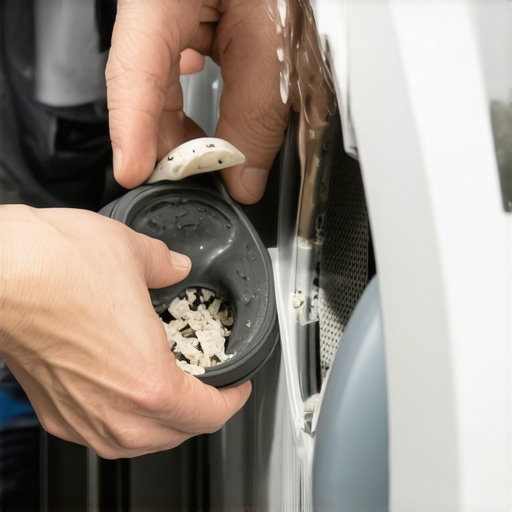
Start by unplugging your dishwasher or turning off the breaker to ensure safety. Open the dishwasher door and remove the lower rack to access the filter area, typically at the bottom center. Use a flashlight if necessary to identify the small, often cylindrical filter housing. Gently unscrew or lift out the filter assembly. In my experience, I once struggled because the filter was stuck due to detergent buildup, but a plastic spatula helped loosen it without damage.
Clean the Filter Thoroughly
Rinse the filter under warm running water to remove trapped debris. Use a soft brush or old toothbrush to scrub away stubborn grime or grease, especially around the mesh screen. For deep cleaning, soak the filter in a mixture of vinegar and water for about 15 minutes to dissolve mineral deposits. During my last cleaning, I discovered food particles lodged so tightly that I needed a toothpick to clear the small holes, which instantly improved water flow and cleaning efficiency.
Check and Clear the Filter Housing
Inspect the surrounding area for any debris or blockages that might hinder water flow. Wipe down the housing with a damp cloth. Ensure the seal around the filter is intact and undamaged to prevent leaks. When I ignored this step and skipped inspecting the seal, I later faced leaks during operation, leading me to replace the gasket. For best results, review manufacturers’ instructions or the resource at this guide.
Reassemble and Test
Insert the cleaned filter back into its housing, aligning it properly to ensure it clicks or screws in securely. Replace the lower rack. Turn the power back on or reconnect the circuit. Run a short cycle with just water to observe any leaks or unusual sounds. Early on, I once forgot to secure the filter, which caused incomplete cleaning cycles. Regular maintenance, like this, can prevent costly repairs and extend your dishwasher’s lifespan.
Establish a Routine Maintenance Schedule
To keep your dishwasher running smoothly, clean the filter every 1-3 months, depending on usage. Check for debris after heavy use or if you notice poorer cleaning results. Incorporate this task into your regular home maintenance routine to catch blockages early. During my initial months of homeownership, I underestimated this step until a clogged filter caused a dishwasher breakdown, reinforcing its importance. Remember, proper parts selection and installation, detailed at this resource, lay the foundation for long-term performance and warranty protection.While many believe that installing a dishwasher is as simple as plugging it in and pressing start, the reality is far more nuanced. One common myth is that the standard parts included in a dishwasher are sufficient for long-term performance, but seasoned professionals know that selecting the right components and understanding their intricacies can prevent costly repairs and warranty issues. For example, neglecting to verify the compatibility of a new spray arm or failing to follow proper installation procedures can lead to leaks, poor cleaning, or even voided warranties.
Many homeowners mistakenly assume that once the dishwasher is installed, no further attention is needed. However, the installation process involves critical steps like ensuring correct water inlet pressure, proper drainage loops, and secure mounting — details that, if overlooked, can cause persistent issues. A key trap to avoid is using generic, low-quality replacement parts instead of OEM or high-grade alternatives; this can compromise both functionality and warranty coverage. For instance, using a non-approved gasket might lead to leaks and invalidate your warranty, especially if the manufacturer explicitly states the importance of OEM parts for warranty compliance. You can learn more about selecting the best parts at this resource.
Why does improper installation void my dishwasher warranty?
Experts agree that improper installation, such as incorrect leveling, inadequate sealing, or neglecting manufacturer instructions, is a primary reason warranties are often voided. Studies show that over 40% of warranty claims fail due to preventable installation errors. Ensuring adherence to professional guidelines, like correct drain-hose looping and secure mounting, significantly enhances warranty longevity. Check out this guide for detailed tips on proper setup. Additionally, understanding which parts are covered under warranty and how to troubleshoot during the warranty period empowers homeowners to act effectively. Regularly inspecting vital components such as door seals, inlet valves, and filters can prevent failures that might otherwise be mistaken for defective parts covered by warranty. For a comprehensive list of covered parts, visit this page.
Remember, the devil is in the details. Overlooking the nuances of choosing the right parts, following precise installation steps, or understanding warranty conditions can lead to frustrations and financial loss. If you’d like to master these subtleties and ensure your dishwasher performs optimally, integrate expert advice into your routine — your appliance and wallet will thank you. Have you ever fallen into this trap? Let me know in the comments.
Invest in Quality Tools for Reliable Maintenance
Having the right equipment is crucial to keep your dishwasher functioning flawlessly. I personally swear by a high-quality multimeter like the Fluke 110 series; it’s indispensable for testing electrical components such as thermostats and sensors. A digital torque wrench (like the TEKTON 24335) is a game-changer when tightening fittings or securing mounting brackets; applying the correct torque prevents leaks and damage. Additionally, a small, flexible inspection mirror helps in tight spots, allowing you to spot debris or corrosion without disassembling the entire appliance.
Stick to Proven Methods for Troubleshooting and Repair
Before attempting any repairs, always consult manufacturer diagrams and parts lists, which you can find at this resource. Using a dedicated troubleshooting checklist, I verify key components systematically—like the inlet valve, drain pump, and spray arms—ensuring no part is overlooked. For example, testing the heating element with a multimeter and following the guidelines at this detailed guide helps me quickly identify failures and decide whether parts need replacing.
Maintain Your Dishwasher to Maximize Long-Term Performance
Regular maintenance is vital. I schedule deep cleans of filters and spray arms every 3-6 months and inspect seals and hoses for wear or leaks. For larger projects, I use a sump pump tester to verify the proper operation of drain systems or a gentle ultrasonic cleaner, which efficiently removes mineral buildup without manual scrubbing. Embracing these techniques ensures your machine operates efficiently, saving both water and energy. Plus, investing time now prevents costly repairs later, particularly if you follow tips at this article.
How do I stay on top of dishwasher maintenance over time?
One effective way is to set a quarterly schedule for inspecting critical parts like filters, inlet valves, and seals. Using a digital checklist app, I track maintenance tasks and set reminders, preventing neglect. Also, keep an eye on your water quality; hard water can cause mineral buildup, decreasing efficiency. Installing a water softener or using descaling agents can extend the lifespan of your appliance. The future of maintenance tools is trending toward smart diagnostics that connect directly to your smartphone, providing real-time alerts and repair guidance—something to consider investing in as technology advances. If you’re ready to elevate your maintenance game, start by testing your spray arm pressure with a manometer, and see the immediate improvement in cleaning performance. Remember, diligent care not only preserves your dishwasher’s warranty but also ensures it keeps serving your household reliably for years to come.
Lessons I Learned That Changed How I Maintain My Dishwasher
One of the most surprising lessons was realizing that neglecting small parts like the filter can escalate into costly repairs. Watching your appliance fail silently taught me the importance of routine check-ups and understanding each component’s role in performance. Also, I discovered that DIY maintenance, when done correctly, can save hundreds over time, boosting both reliability and satisfaction. Lastly, I found that even seasoned homeowners overlook how crucial proper installation and part selection are, which directly impacts warranty protections and long-term efficiency.
Tools and Resources That Gave Me an Edge
I rely heavily on a high-quality multimeter from this guide to diagnose electrical issues, ensuring accurate results while avoiding unnecessary replacements. For parts, I trust OEM components, especially from this resource which emphasizes the importance of quality to preserve warranties. When installing or reassembling, I consult detailed checklists available at this site to prevent common pitfalls. Using these tools and trusted sources has transformed my maintenance approach and extended my dishwasher’s lifespan.
Your Turn to Take Action and Protect Your Investment
Mastering the hidden secrets of dishwasher maintenance isn’t just about repairs—it’s about empowering yourself to keep your home running smoothly. By paying attention to small details like filters, choosing quality parts, and following proven installation practices, you ensure reliability and longevity. Don’t wait for a breakdown to act—start your maintenance routine today, and enjoy cleaner dishes with fewer worries. How do you plan to improve your dishwasher care after reading this? Let me know below!.
}#}#}#}#}#}#}#}#}#}#}#}#}#}#}#}#}#}#}#}#}#}#}#}#}#}#}#}#}#}#}#}#}#}#}#}#}#}#}#}#}#}#}#}#}#}#}#}#}#}#}#}#}#}#}#}#}#}#}#}#}#}#}#}#}#}#}#}#}#}#}#}#}#}#}#}#}#}#}#}#}#}#}#}#}#}#}#}#}#}#}#}#}#}#}#}#}#}#}#}#}#}#}#}#}#}#}#}#}#}#}#}#}#}#}#}#}#}#}#}#}#}#}#}#}#}#}#}#}#}#}#}#}#}#}#}#}#}#}#}#}#}#}#}#}#}#}#}#}#}#}#}#}#}#}#}#}#}#}#}#}#}#}#}#}#}#}#}#}#}#}#}#}#}#}#}#}#}#}#}#}#}#}#}#}#}#}#}#}#}#}#}#}#}#}#}#}#}#}#}#}#}#}#}#}#}#}#}#}#}#}#}#}#}#}#}#}#}#}#}#}#}#}#}#}#}#}#}#}#}#}#}#}#}#}#}#}#}#}#}#}#}#}#}#}#}#}#}#}#}#}#}#}#}#}#}#}#}#}#}#}#}#}#}#}#}#}#}#}#}#}#}#}#}#}#}#}#}#}#}#}#}#}#}#}#}#}#}#}#}#}#}#}#}#}#}#}#}#}#}#}#}#}#}#}#}#}#}#}#}#}#}#}#}#}#}#}#}#}#}#}#}#}#}#}#}#}#}#}#}#}#}#}#}#}#}#}#}#}#}#}#}#}#}#}#}#}#}#}#}#}#}#}#}#}#}#}#}#}#}#}#}#}#}#}#}#}#}#}#}#}#}#}#}#}#}#}#}#}#}#}#}#}#}#}#}#}#}#}#}#}#}#}#}#}#}#}#}#}#}#}#}#}#}#}#}#}#}#}#}#}#}#}#}#}#}#}#}#}#}#}#}#}#}#}#}#}#}#}#}#}#}#}#}#}#}#}#}#}#}#}#}#}#}#}#}#}#}#}#}#}#}#}#}#}#}#}#}#}#}#}#}#}#}#}#}#}#}#}#}#}#}#}#}#}#}#}#}#}#}#}#}#}#}#}#}#}#}#}#}#}#}#}#}#}#}#}#}#}#}#}#}#}#}#}#}#}#}#}#}#}#}#}#}#}#}#}#}#}#}#}#}#}#}#}#}#}#}#}#}#}#}#}#}#}#}#}#}#}#}#}#}#}#}#}#}#}#}#}#}#}#}#}#}#}#}#}#}#}#}#}#}#}#}#}#}#}#}#}#}#}#}#}#}#}#}#}#}#}#}#}#}#}#}#}#}#}#}#}#}#}#}#}#}#}#}#}#}#}#}#}#}#}#}#}#}#}#}#}#}#}#}#}#}#}#}#}#}#}#}#}#}#}#}#}#}#}#}#}#}#}#}#}#}#}#}#}#}#}#}#}#}#}#}#}#}#}#}#}#}#}#}#}#}#}#}#}#}#}#}#}#}#}#}#}#}#}#}#}#}#}#}#}#}#}#}#}#}#}#}#}#}#}#}#}#}#}#}#}#}#}#}#}#}#}#}#}#}#}#}#}#}#}#}#}#}#}#}#}#}#}#}#}#}#}#}#}#}#}#}#}#}#}#}#}#}#}#}#}#}#}#}#}#}#}#}#}#}#}#}#}#}#}#}#}#}#}#}#}#}#}#}#}#}#}#}#}#}#}#}#}#}#}#}#}#}#}#}#}#}#}#}#}#}#}#}#}#}#}#}#}#}#}#}#}#}#}#}#}#}#}#}#}#}#}#}#}#}#}#}#}#}#}#}#}#}#}#}#}#}#}#}#}#}#}#}#}#}#}#}#}#}#}#}#}#}#}#}#}#}#}#}#}#}#}#}#}#}#}#}#}#}#}#}#}#}#}#}#}#}#}#}#}#}#}#}#}#}#}#}#}#}#}#}#}#}#}#}#}#}#}#}#}#}#}#}#}#}#}#}#}#}#}#}#}#}#}#}#}#}#}#}#}#}#}#}#}#}#}#}#}#}#}#}#}#}#}#}#}#}#}#}#}#}#}#}#}#}#}#}#}#}#}#}#}#}#}#}#}#}#}#}#}#}#}#}#}#}#}#}#}#}#}#}#}#}#}#}#}#}#}#}#}#}#}#}#}#}#}#}#}#}#}#}#}#}#}#}#}#}#}#}#}#}#}#}#}#}#}#}#}#}#}#}#}#}#}#}#}#}#}#}#}#}#}#}#}#}#}#}#}#}#}#}#}#}#}#}#}#}#}#}#}#}#}#}#}#}#}#}#}#}#}#}#}#}#}#}#}#}#}#}#}#}#}#}#}#}#}#}#}#}#}#}#}#}#}#}#}#}#}#}#}#}#}#}#}#}#}#}#}#}#}#}#}#}#}#}#}#}#}#}#}#}#}#}#}#}#}#}#}#}#}#}#}#}#}#}#}#}#}#}#}#}#}#}#}#}#}#}#}#}#}#}#}#}#}#}#}#}#}#}#}#}#}#}#}#}#}#}#}#}#}#}#}#}#}#}#}#}#}#}#}#}#}#}#}#}#}#}#}#}#}#}#}#}#}#}#}#}#}#}#}#}#}#}#}#}#}#}#}#}#}#}#}#}#}#}#}#}#}#}#}#}#}#}#}#}#}#}#}#}#}#}#}#}#}#}#}#}#}#}#}#}#}#}#}#}#}#}#}#}#}#}#}#}#}#}#}#}#}#}#}#}#}#}#}#}#}#}#}#}#}#}#}#}#}#}#}#}#}#}#}#}#}#}#}#}#}#}#}#}#}#}#}#}#}#}#}#}#}#}#}#}#}#}#}#}#}#}#}#}#}#}#}#}#}#}#}#}#}#}#}#}#}#}#}#}#}#}#}#}#}#}#}#}#}#}#}#}#}#}#}#}#}#}#}#}#}#}#}#}#}#}#}#}#}#}#}#}#}#}#}#}#}#}#}#}#}#}#}#}#}#}#}#}#}#}#}#}#}#}#}#}#}#}#}#}#}#}#}#}#}#}#}#}#}#}#}#}#}#}#}#}#}#}#}#}#}#}#}#}#}#}#}#}#}#}#}#}#}#}#}#}#}#}#}#}#}#}#}#}#}#}#}#}#}#}#}#}#}#}#}#}#}#}#}#}#}#}#}#}#}#}#}#}#}#}#}#}#}#}#}#}#}#}#}#}#}#}#}#}#}#}#}#}#}#}#}#}#}#}#}#}#}#}#}#}#}#}#}#}#}#}#}#}#}#}#}#}#}#}#}#}#}#}#}#}#}#}#}#}#}#}#}#}#}#}#}#}#}#}#}#}#}#}#}#}#}#}#}#}#}#}#}#}#}#}#}#}#}#}#}#}#}#}#}#}#}#}#}#}#}#}#}#}#}#}#}#}#}#}#}#}#}#}#}#}#}#}#}#}#}#}#}#}#}#}#}#}#}#}#}#}#}#}#}#}#}#}#}#}#}#}#}#}#}#}#}#}#}#}#}#}#}#}#}#}#}#}#}#}#}#}#}#}#}#}#}#}#}#}#}#}#}#}#}#}#}#}#}#}#}#}#}#}#}#}#}#}#}#}#}#}#}#}#}#}#}#}#}#}#}#}#}#}#}#}#}#}#}#}#}#}#}#}#}#}#}#}#}#}#}#}#}#}#}#}#}#}#}#}#}#}#}#}#}#}#}#}#}#}#}#}#}#}#}#}#}#}#}#}#}#}#}#}#}#}#}#}#}#}#}#}#}#}#}#}#}#}#}#}#}#}#}#}#}#}#}#}#}#}#}#}#}#}#}#}#}#}#}#}#}#}#}#}#}#}#}#}#}#}#}#}#}#}#}#}#}#}#}#}#}#}#}#}#}#}#}#}#}#}#}#}#}#}#}#}#}#}#}#}#}#}#}#}#}#}#}#}#}#}#}#}#}#}#}#}#}#}#}#}#}#}#}#}#}#}#}#}#}#}#}#}#}#}#}#}#}#}#}#}#}#}#}#}#}#}#}#}#}#}#}#}#}#}#}#}#}#}#}#}#}#}#}#}#}#}#}#}#}#}#}#}#}#}#}#}#}#}#}#}#}#}#}#}#}#}#}#}#}#}#}#}#}#}#}#}#}#}#}#}#}#}#}#}#}#}#}#}#}#}#}#}#}#}#}#}#}#}#}#}#}#}#}#}#}#}#}#}#}#}#}#}#}#}#}#}#}#}#}#}#}#}#}#}#}#}#}#}#}#}#}#}#}#}#}#}#}#}#}#}#}#}#}#}#}#}#}#}#}#}#}#}#}#}#}#}#}#}#}#}#}#}#}#}#}#}#}#}#}#}#}#}#}#}#}#}#}#}#}#}#}#}#}#}#}#}#}#}#}#}#}#}#}#}#}#}#}#}#}#}#}#}#}#}#}#}#}#}#}#}#}#}#}#}#}#}#}#}#}#}#}#}#}#}#}#}#}#}#}#}#}#}#}#}#}#}#}#}#}#}#}#}#}#}#}#}#}#}#}#}#}#}#}#}#}#}#}#}#}#}#}#}#}#}#}#}#}#}#}#}#}#}#}#}#}#}#}#}#}#}#}#}#}#}#}#}#}#}#}#}#}#}#}#}#}#}#}#}#}#}#}#}#}#}#}#}#}#}#}#}#}#}#}#}#}#}#}#}#}#}#}#}#}#}#}#}#}#}#}#}#}#}#}#}#}#}#}#}#}#}#}#}#}#}#}#}#}#}#}#}#}#}#}#}#}#}#}#}#}#}#}#}#}#}#}#}#}#}#}#}#}#}#}#}#}#}#}#}#}#}#}#}#}#}#}#}#}#}#}#}#}#}#}#}#}#}#}#}#}#}#}#}#}#}#}#}#}#}#}#}#}#}#}#}#}#}#}#}#}#}#}#}#}#}#}#}#}#}#}#}#}#}#}#}#}#}#}#}#}#}#}#}#}#}#}#}#}#}#}#}#}#}#}#}#}#}#}#}#}#}#}#}#}#}#}#}#}#}#}#}#}#}#}#}#}#}#}#}#}#}#}#}#}#}#}#}#}#}#}#}#}#}#}#}#}#}#}#}#}#}#}#}#}#}#}#}#}#}#}#}#}#}#}#}#}#}#}#}#}#}#}#}#}#}#}#}#}#}#}#}#}#}#}#}#}#}#}#}#}#}#}#}#}#}#}#}#}#}#}#}#}#}#}#}#}#}#}#}#}#}#}#}#}#}#}#}#}#}#}#}#}#}#}#}#}#}#}#}#}#}#}#}#}#}#}#}#}#}#}#}#}#}#}#}#}#}#}#}#}#}#}#}#}#}#}#}#}#}#}#}#}#}#}#}#}#}#}#}#}#}#}#}#}#}#}#}#}#}#}#}#}#}#}#}#}#}#}#}#}#}#}#}#}#}#}#}#}#}#}#}#}#}#}#}#}#}#}#}#}#}#}#}#}#}#}#}#}#}#}#}#}#}#}#}#}#}#}#}#}#}#}#}#}#}#}#}#}#}#}#}#}#}#}#}#}#}#}#}#}#}#}#}#}#}#}#}#}#}#}#}#}#}#}#}#}#}#}#}#}#}#}#}#}#}#}#}#}#}#}#}#}#}#}#}#}#}#}#}#}#}#}#}#}#}#}#}#}#}#}#}#}#}#}#}#}#}#}#}#}#}#}#}#}#}#}#}#}#}#}#}#}#}#}#}#}#}#}#}#}#}#}#}#}#}#}#}#}#}#}#}#}#}#}#}#}#}#}#}#}#}#}#}#}#}#}#}#}#}#}#}#}#}#}#}#}#}#}#}#}#}#}#}#}#}#}#}#}#}#}#}#}#}#}#}#}#}#}#}#}#}#}#}#}#}#}#}#}#}#}#}#}#}#}#}#}#}#}#}#}#}#}#}#}#}#}#}#}#}#}#}#}#}#}#}#}#}#}#}#}#}#}#}#}#}#}#}#}#}#}#}#}#}#}#}#}#}#}#}#}#}#}#}#}#}#}#}#}#}#}#}#}#}#}#}#}#}#}#}#}#}#}#}#}#}#}#}#}#}#}#}#}#}#}#}#}#}#}#}#}#}#}#}#}#}#}#}#}#}#}#}#}#}#}#}#}#}#}#}#}#}#}#}#}#}#}#}#}#}#}#}#}#}#}#}#}#}#}#}#}#}#}#}#}#}#}#}#}#}#}#}#}#}#}#}#}#}#}#}#}#}#}#}#}#}#}#}#}#}#}#}#}#}#}#}#}#}#}#}#}#}#}#}#}#}#}#}#}#}#}#}#}#}#}#}#}#}#}#}#}#}#}#}#}#}#}#}#}#}#}#}#}#}#}#}#}#}#}#}#}#}#}#}#}#}#}#}#}#}#}#}#}#}#}#}#}#}#}#}#}#}#}#}#}#}#}#}#}#}#}#}#}#}#}#}#}#}#}#}#}#}#}#}#}#}#}#}#}#}#}#}#}#}#}#}#}#}#}#}#}#}#}#}#}#}#}#}#}#}#}#}#}#}#}#}#}#}#}#}#}#}#}#}#}#}#}#}#}#}#}#}#}#}#}#}#}#}#}#}#}#}#}#}#}#}#}#}#}#}#}#}#}#}#}#}#}#}#}#}#}#}#}#}#}#}#}#}#}#}#}#}#}#}#}#}#}#}#}#}#}#}#}#}#}#}#}#}#}#}#}#}#}#}#}#}#}#}#}#}#}#}#}#}#}#}#}#}#}#}#}#}#}#}#}#}#}#}#}#}#}#}#}#}#}#}#}#}#}#}#}#}#}#}#}#}#}#}#}#}#}#}#}#}#}#}#}#}#}#}#}#}#}#}#}#}#}#}#}#}#}#}#}#}#}#}#}#}#}#}#}#}#}#}#}#}#}#}#}#}#}#}#}#}#}#}#}#}#}#}#}#}#}#}#}#}#}#}#}#}#}#}#}#}#}#}#}#}#}#}#}#}#}#}#}#}
Related Posts

The Right Way to Clean the Turbidity Sensor for Better Results
I remember the moment clearly. I had just finished loading…
How to Swap a Grungy Door Seal Without Removing the Unit
I remember the smell first. It was a damp, swampy…

How to Clean the Gasket Without Damaging the Seal
I remember the exact moment I realized my dishwasher wasn't…