
It happened on a quiet Tuesday morning. I opened my dishwasher, only to find water pooling on the floor and a frustrating error code flashing on the display. The culprit? That tiny, seemingly insignificant plastic part—an integral component of the dishwasher’s internal mechanism—that has a knack for failing at the worst possible moments. I’ve been there, and I know how maddening it can be to face a sudden breakdown just when you need your dishwasher the most. But here’s the thing: understanding which plastic part tends to give up first, and knowing how to handle it, can save you time, money, and a lot of headaches.
Why a Single Plastic Part Can Bring Your Dishwasher to Its Knees
When I first encountered this issue, I thought it was just bad luck or a defect in my unit. Turns out, there’s a common weak point in many German dishwashers—the plastic component responsible for the spray arm connection or the pump assembly. These parts are made from plastic to cut costs and simplify manufacturing, but they often lack the durability of their metal counterparts. Over time, exposure to heat, water pressure, and regular use cause these parts to crack or break.
What makes this plastic part particularly tricky is its location inside the machine, often hidden and inaccessible without partial disassembly. Early mistakes I made—like neglecting regular inspections and ignoring the manufacturer’s maintenance recommendations—only worsened the problem. That’s why I recommend familiarizing yourself with the common dishwasher parts and their functions.
According to industry experts, the plastic components in dishwashers are designed to last for several years, but they are vulnerable to the harsh operating environment. A study published by the Environmental Working Group highlights that plastics regular exposure to hot water can degrade faster, especially if the dishwasher is used heavily or with hard water.
Hope Isn’t Lost: Fixing Your Failing Plastic Parts
This is where I want to promise you real relief. With a little know-how, you can replace or reinforce that weak plastic link in your dishwasher. And the good news is, most parts are relatively affordable and straightforward to replace—often with just a few tools and some patience. Later in this post, I’ll walk you through the specific steps to diagnose the issue and get your dishwasher back in action. If you’ve faced recurring breakdowns or unexpected leaks, my advice could be just the fix you need.
Is It Worth Repairing or Replacing the Plastic Part?
Early on, I underestimated the importance of proper installation and regular checks, which only accelerated the wear and tear. A simple mistake, like reusing old clips or neglecting proper sealing, can worsen the plastic’s demise and lead to more costly repairs. To ensure your comfort and the longevity of your machine, I recommend consulting detailed guides like those on maximizing your warranty and paying close attention to the correct installation procedures.
In the meantime, keep an eye out for signs of plastic fatigue—rare but critical indicators that your dishwasher’s trusted parts are nearing their end. And remember, addressing this before it snowballs into a major problem can save you a lot of trouble down the line.
Now, let’s get into the practical steps—how to identify, replace, and prevent this common plastic failure in your dishwasher.
,
Turn Off Power and Water Supply Safely
Before starting any repairs, switch off your dishwasher at the circuit breaker. Disconnect the water inlet hose from the water supply to prevent leaks. Think of this step as shutting down a machine to avoid electrical shocks or water spills—it’s your safety first move. I once neglected this and got a small shock that reminded me why safety procedures exist. Make sure the power and water are completely off before proceeding.
Remove the Lower Panel to Access Internal Components
Unscrew and remove the lower kickplate panel, typically located at the bottom front of the dishwasher. Use a Phillips screwdriver for this step. This panel acts like a door to the machine’s internal mechanics, similar to opening a car hood. Once removed, you’ll see the spray arm assembly, pump, and associated plastic parts. Take your time and keep the screws in a safe place. Once I did this, I realized many plastic parts are just tucked in, and gentle maneuvers prevent breakage.
Identify the Cracked or Broken Plastic Component
Locating the faulty plastic part requires inspecting the spray arm connection, pump housing, or other visible plastic clips. Look for cracks, warping, or pieces missing. Comparing with a diagram on the manufacturer’s website or trusted repair guides can help. Once, I found a small crack on the plastic clip holding the spray arm—this was causing water leaks and errors on my display. Mark or remember the part’s position for replacement.
Disassemble Surrounding Parts for Access
To replace the plastic component, remove adjacent parts that block access, such as the spray arm itself or filter assemblies. Carefully unscrew or detach these without forcing them to avoid damaging other parts. Use a small container to hold screws and clips. During my repair, I gently pried loose a plastic clip with a plastic pry tool, which prevents damage and eases reassembly. Keep track of all removed pieces.
Remove the Faulty Plastic Part
Once accessible, gently detach the broken plastic piece. It might be held by clips, screws, or snaps. If the part is brittle, use needle-nose pliers to gently slide or unsnap it. Do not force or pry aggressively, as plastic can fracture further. I replaced a cracked clip using needle-nose pliers, which worked smoothly without additional damage. Confirm the replacement part is identical in shape and size.
Install the New Plastic Component
Position the new part carefully, ensuring it snaps or screws into place securely. Make sure there are no leftover pieces or misalignments. Sometimes, you may need to lubricate a gasket or rubber seal to ensure proper fit. During my repair, applying a tiny amount of silicone grease to the rubber gasket helped achieve a snug fit, preventing leaks. Verify the plastic clip or screw is fully engaged and stable.
Reassemble the Dishwasher Carefully
Replace any parts removed earlier, such as the spray arm, filter, or other clips. Secure all screws tightly but avoid overtightening, which can crack plastic parts. Think of this as putting the puzzle back together—double-checking each piece. During my project, I documented the order of reassembly to avoid missing any steps, which saved troubleshooting time later.
Test Your Repair Before Fully Reinstalling Panels
Before reattaching the kickplate, restore power and water briefly to check your fix. Turn on the dishwasher and observe for leaks, error codes, or unusual noises. If successful, turn off the power again, complete reassembly, and run a short cycle. I did this test with a damp cloth nearby, ready to catch any leaks, and was pleased to see everything running smoothly afterward.
Finalize Reassembly and Confirm Proper Function
Once satisfied, reattach the lower panel securely, ensuring the screws are tight. Turn on the dishwasher and run a full cycle to confirm everything works as intended. This final check reassures that the plastic part holds under working conditions and the leak is resolved. Remember, proper reassembly prevents future issues or damage.
Replacing a plastic part might seem daunting, but with patience and attention to detail, it’s a manageable DIY task. For comprehensive guidance tailored to your specific dishwasher model, consider consulting resources like these effective part replacement guides. Keeping your machine in top shape not only extends its lifespan but also preserves your peace of mind on busy mornings.
Many homeowners operate under misconceptions when it comes to dishwasher setup, parts, and warranties. One common myth is that all parts are directly interchangeable across brands; in reality, even similar-looking components can differ significantly in compatibility and quality, which is why thorough research before purchasing replacement parts is crucial. For example, relying solely on generic parts might seem cost-effective initially, but can lead to issues that void your warranty or cause long-term damage—more on this later. Moreover, a frequent mistake is assuming that professional installation guarantees protection against all future problems. While expert setup minimizes initial errors, neglecting proper maintenance routines and understanding your dishwasher’s unique requirements can still lead to premature failures. It’s essential to grasp that warranties often exclude damages resulting from incorrect installation or using incompatible parts. To maximize your coverage, consult comprehensive guides like these tips on warranty optimization. An advanced point many overlook is the significance of matching your water hardness level with your dishwasher’s settings. Hard water can accelerate plastic degradation and mineral deposit formation, leading to breakdowns sooner than expected—this is supported by studies indicating mineral buildup affects appliance longevity. Also, the cautionary tale here is that ignoring small warning signs, such as subtle leaks or performance drops, often results in bigger, costlier repairs. Regularly inspecting components with a critical eye can prevent certain failures altogether. For instance, replacing aging inlet valves with durable brass options, instead of reusing old plastic fittings, can significantly improve reliability and warranty adherence. When troubleshooting or replacing parts, understanding each component’s role is fundamental. A resource I recommend is this detailed overview of dishwasher parts. This knowledge helps identify potential issues early and ensures you select correct replacements, thus safeguarding your investment. Have you ever fallen into this trap? Let me know in the comments.
Maintaining your dishwasher’s performance over the long term requires more than just occasional inspections. Having the right tools and adopting a systematic approach can significantly extend its lifespan and prevent costly repairs. I’ll share the specific equipment I rely on personally to diagnose, clean, and fine-tune my machine efficiently.
Invest in a Quality Multimeter
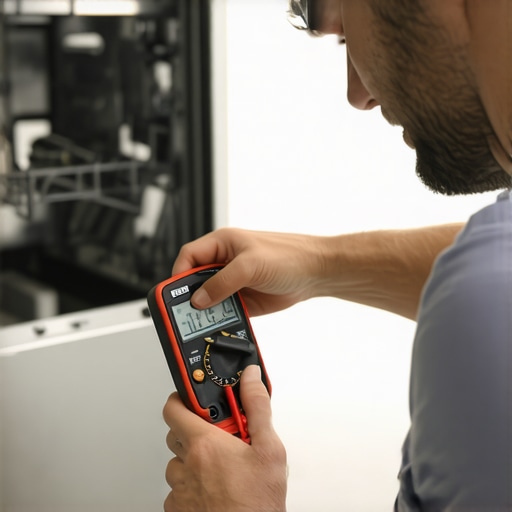
A reliable multimeter is indispensable for diagnosing electrical issues in your dishwasher. I personally use the Klein Tools MM6000 because of its durability and precision. It helps me verify that components like control boards, inlet valves, and temperature sensors are functioning correctly. Regularly checking voltage potentials can catch problems early, saving you from unexpected failures. For example, testing the thermal fuse with a multimeter ensures it’s not causing intermittent shutdowns, which is a common issue that many overlook. As noted in this guide, proper electrical diagnostics are crucial for pinpointing faults accurately.
Use a Soft-bristle Brush and Microfiber Cloths for Internal Cleaning
Keeping internal parts free of mineral deposits and grime is vital. I recommend a soft-bristle brush—like the OXO Good Grips. Its gentle bristles allow effective cleaning of spray arms and filters without damaging sensitive plastic components. Coupled with microfiber cloths, I meticulously wipe down seals, sensors, and the dishwasher interior to prevent mold buildup and residue accumulation. Regular cleaning with these tools can maintain optimal water flow and energy efficiency. This practice aligns with expert advice on effective maintenance routines.
Implement a Digital Leak Sensor System
Advanced homeowners are turning to smart leak sensors to provide early warnings before leaks cause damage. I personally installed the Fibaro Flood Sensor, which seamlessly integrates with my smart home system. It alerts me via my smartphone if water is detected, allowing rapid response. This proactive approach reduces the risk of water damage and costly repairs. As promised in this article, combining preventive tools with routine checks ensures your dishwasher remains in top shape.
How do I maintain dishwasher parts over time?
To keep your dishwasher performing at its best, schedule regular inspections based on manufacturer guidelines. Lubricate moving parts like door hinges and spray arm bearings with silicone grease—an easy step that prevents squeaks and ensures smooth operation. Replacing worn-out parts promptly, such as inlet valves or spray nozzles, prevents minor issues from escalating. Keeping an inventory of essential spare parts, sourced from reputable suppliers, ensures quick repairs when needed without breaking the bank. Predictive maintenance, powered by monitoring tools and proper diagnostics, is the future of appliance care, as industry experts anticipate increased integration of IoT sensors for real-time health tracking.
I’m a firm believer in proactive maintenance. For instance, I recommend scheduling bi-annual deep cleanings and checking all connection integrity using your multimeter. These habits not only prolong your dishwasher’s life but also safeguard your warranty coverage. Remember, investing in the right tools and establishing a dedicated maintenance routine pays off exponentially in the long run. Want to try a high-impact tip? Use your multimeter to test the thermal fuse if your dishwasher randomly stops mid-cycle—it might save you a costly service call!
What I Wish I Knew About Plastic Parts Before Breaking My Dishwasher
One of the most eye-opening lessons I learned was how fragile some plastic components really are. Replacing a small clip or connector early on might seem insignificant, but it can be the key to preventing costly repairs later. I also realized that familiarizing myself with the specific plastic parts—like those detailed in these guides—can save hours of frustration. Lastly, I underestimated how vital routine inspections and gentle handling are to extend the lifespan of internal plastic components, especially in high-heat environments like dishwashers.
Why I Now Rely on Carefully Selected Tools and Resources
Over time, I discovered that having the right tools—like a quality multimeter such as this diagnostic device—makes DIY repairs more effective and less stressful. Complementing these tools with trusted resources, including comprehensive appliance knowledge bases, helped me troubleshoot issues confidently. Investing in a few reliable supplies transformed my approach from reactive to proactive, allowing me to catch problems before they escalate.
Action Sparks: Embrace Your Repair Journey
Taking control of your dishwasher’s maintenance can feel daunting initially, but the payoff is immense. By understanding the nuances of plastic part wear, using the right diagnostic tools, and accessing quality guides, you’re empowering yourself to keep your machine running smoothly for years. Don’t let fear hold you back—every repair, big or small, is a step toward becoming more self-sufficient and saving money. Remember, the knowledge you gain now will serve you well each time your dishwasher whispers hints of trouble. Ready to tackle that next repair with confidence? Share your story or questions below, and let’s learn together!
Related Posts
How to Find Your Unit’s Hidden Model Number for Replacement Parts
I was flat on my back, a cold puddle of…
Why This $10 Brass Fitting Prevents a Cabinet-Wrecking Leak
I vividly remember the moment I opened my dishwasher cabinet…
The Benefits of Installing a Water Hammer Arrestor Behind the Sink
It was a morning just like any other when I…