
I remember the first time I installed my dishwasher next to my cherished butcher block counter. I was proud, confident, ready to enjoy shiny dishes and a sleek kitchen. But then, a few months in, I noticed a wobble, a little jiggle whenever I loaded or unloaded, and a strange squeaking noise that wouldn’t go away. Turns out, I hadn’t secured the machine properly. That moment was a lightbulb for me: proper installation isn’t just about looks; it’s about safety, efficiency, and avoiding costly repairs. If you’ve ever felt that nagging doubt about whether your machine is secured correctly, you’re not alone. Today, I promise to share straightforward, tested methods to fix this problem once and for all, so you can confidently enjoy your kitchen without worry.
Why Properly Securing Your Dishwasher Matters More Than You Think
Has this ever happened to you? That sinking feeling when your new dishwasher wobbles more than it should, or worse, shifts during cycles? I’ve been there. Early in my DIY journey, I made the mistake of assuming that aligning the dishwasher with the cabinetry was sufficient. Spoiler: it’s not. Properly anchoring your dishwasher guarantees it stays put, prevents leaks, and protects your countertop, especially if you’ve got a delicate butcher block surface. It’s a small step with huge benefits.
Some homeowners overlook the importance of solid mounting, thinking it’s a cosmetic concern. But according to appliance experts, improper securing can lead to increased wear on parts, noise issues, and in extreme cases, water damage if the machine shifts and causes leaks. A study by the Appliance Repair Foundation even indicates that many service calls stem from poor initial installation, costing owners unnecessary expenses and frustration.
Early on, I overlooked some basic steps, like checking the mounting brackets and ensuring the anti-tipping devices were in place. My mistake? Not consulting reliable guides or knowing how to verify my installation was solid. For more details on the common pitfalls to avoid, check out this comprehensive guide on [Diagnosing Dishwasher Parts During Warranty Periods](https://appliancedoctorz.com/how-to-diagnose-dishwasher-parts-during-warranty-periods), which highlights how improper setup can void warranties.
In the next sections, I’ll walk you through the simple steps I’ve used, supported by expert advice, to secure my dishwasher safely to your butcher block counters. Whether you’re mounting a new machine or fixing an old one, these tips will help you avoid the headaches I experienced and ensure long-term peace of mind. Ready to get started? Let’s make sure your machine is as secure as it should be.
Secure Your Dishwasher Properly: The Foundation of Long-Term Performance
When I fixed my wobbling dishwasher, I discovered that the key was meticulous attention to mounting details. First, clear the area and disconnect the appliance to prevent accidents. Use a level to check whether your counter or floor is uneven, as uneven surfaces can affect how the dishwasher sits. If your floor slants, consider reinforcing the leveling stabilizers to prevent future vibrations. For a solid foundation, tighten the mounting brackets evenly using a cordless drill and a socket set, ensuring they’re snug but not over-tightened, which can crack the mounting plate or countertop. Remember, just like a sturdy foundation is critical for a house, properly securing your dishwasher prevents shifting, leaks, and noise. Before tightening, verify that the appliance is aligned with surrounding cabinetry, using shims if necessary. Shims help fill gaps and ensure the dishwasher is perfectly flush, which is crucial for both aesthetics and function. During my install, I used a combination of plastic shims and adjustable brackets, which provided a stable base and minimized vibrations. Be cautious not to overtighten brackets, as this may warp the mounting points or damage the countertops, especially if made of delicate materials like butcher block. After securing, test the stability by gently rocking the machine; it should feel solid without any wobble. An unstable dishwasher can lead to premature wear or leaks, which in turn may void your warranty. For a comprehensive guide on installation nuances, consult this [step-by-step dishwasher installation guide](https://appliancedoctorz.com/diy-dishwasher-installation-step-by-step-guide).
Double-Check Mounting Hardware and Support Plates
Ensure all screws and bolts are tight and that support plates are securely anchored into the wall or cabinetry. Loose hardware is one of the most overlooked issues that lead to instability. If your model includes anti-tipping devices, verify they are engaged properly, as they prevent the machine from tipping forward during use. During my project, I noticed one of the support brackets was slightly loose, which caused a persistent jiggle. A quick tighten fixed the wobble instantly. For detailed info on parts you should inspect during installation, see [essential parts for troubleshooting](https://appliancedoctorz.com/essential-parts-for-troubleshooting-dishwasher-installation-issues).
Use Proper Tools and Correct Torque
Using the right tools significantly impacts the installation quality. I recommend a ratchet wrench with socket sizes matching your brackets. Apply torque gradually, alternating between screws to distribute tension evenly. Over-tightening can strip threads or crack mounting hardware, while under-tightening leaves the machine vulnerable to shifting. A good rule is to tighten until snug, then an additional quarter turn. If you’re unsure about torque specifications, check the manufacturer’s recommendations or consult [expert advice on dishwasher installation troubleshooting](https://appliancedoctorz.com/expert-advice-on-dishwasher-installation-troubleshooting).
Verify Stability and Adjust as Needed
Once mounted, perform a thorough stability check. Gently push on the top edges. It should not sway or wobble. If movement persists, re-examine support brackets and shims, adding more where necessary. During my installation, I discovered an uneven spot on the floor, which I remedied by placing a level pad underneath one support. This instantly stabilized the unit, preventing future issues. Regularly monitor the mounting over the first few cycles, especially during the warranty period, to catch potential shifts early. Remember, a secure dishwasher not only protects your countertops and plumbing but also ensures optimal operation and longevity. For more insights on evaluating and maintaining your installation, visit [how to diagnose dishwasher parts during warranty periods](https://appliancedoctorz.com/how-to-diagnose-dishwasher-parts-during-warranty-periods).Many homeowners assume that a dishwasher’s warranty covers nearly everything related to installation errors or component failures. However, the truth is more nuanced. While warranties often protect against manufacturer defects, they rarely cover issues arising from improper installation or misuse. For example, a common misconception is that simply plugging in the appliance grants full warranty coverage. In reality, installation must adhere strictly to manufacturer guidelines, including securing the unit properly and verifying correct connection of water supply and drainage lines. Failing to do so can void your warranty, leading to costly repairs out of pocket. Furthermore, many overlook the importance of using genuine parts when replacing components. Non-authorized parts may seem identical but can cause performance issues or damage, which some warranties explicitly exclude.
An advanced mistake many make involves neglecting the verification process after installation. It’s essential to check for stability, proper leveling, and secure mounting—especially if your kitchen counter is made of delicate materials like butcher block. Even minor misalignments can cause long-term damage or operational inefficiency. In fact, a study by the Appliance Repair Foundation highlights that improper mounting and incorrect parts use are leading causes of warranty claims failure.
Most importantly, homeowners often assume warranties are automatic when issues arise. That’s not true. To maximize your warranty coverage, you must follow recommended installation techniques, use manufacturer-approved parts, and keep detailed records. For expert advice, consider reviewing [how to diagnose dishwasher parts during the warranty period](https://appliancedoctorz.com/how-to-diagnose-dishwasher-parts-during-warranty-periods), which emphasizes proper diagnosis as part of warranty maintenance.
Another sneaky trap is service providers suggesting non-authentic parts to cut costs, which can backfire if the warranty later tests and excludes your claim due to non-compliance with recommended parts. Always verify that the parts used—whether during initial installation or repairs—are approved by the manufacturer. For tips on selecting the right components, visit [essential parts every dishwasher owner should know about](https://appliancedoctorz.com/essential-parts-every-dishwasher-owner-should-know-about).
Remember, a well-executed installation paired with quality parts and diligent post-installation checks significantly enhances the longevity of your dishwasher and preserves your warranty rights. Have you ever fallen into this trap? Let me know in the comments.
Equip Yourself for Long-Term Success
Maintaining your dishwasher’s performance over time requires the right tools and some practical know-how. Personally, I rely on a high-quality multimeter, like the Fluke 115, to diagnose electrical issues accurately. It’s essential to verify power delivery and control board functionality, especially when troubleshooting intermittent problems. For more complex diagnostics, I use a digital inspection camera, such as the Depstech Endoscope, which helps me peer into tight spaces like spray arms and drain housings without dismantling everything. Investing in these tools has saved me countless hours and prevented unnecessary part replacements.
In addition to hardware, I recommend keeping a set of precision screwdrivers. Dishwasher repair involves dealing with tiny screws in hard-to-reach areas, and having the right size and type—like Phillips #0 and Torx T10—makes the process smoother. Also, a set of plastic pry tools helps in removing panels without damaging the finish, especially important when working around delicate surfaces like butcher block countertops. These tools combined ensure you can access and replace parts effectively, prolonging your appliance’s lifespan.
Stay Ahead with Software and Routine Checks
Beyond hardware, staying informed about your dishwasher’s firmware updates is becoming increasingly important. Many modern units receive over-the-air updates that optimize performance and fix bugs. Regularly connecting your smart appliance to the manufacturer’s app can alert you to these updates. Additionally, I use a smartphone app with Wi-Fi capability, like the Samsung SmartThings, to monitor cycle progress and receive alerts if something goes wrong. This proactive approach helps catch issues early before they cause significant damage or void warranties.
How do I keep my dishwasher in top shape year after year?
Establishing a maintenance routine is key. This includes periodic cleaning of filters and spray arms, inspecting door seals for wear, and checking the water inlet valve for clogs. Refer to detailed guides like when to replace dishwasher parts to determine which components may need attention over time. Remember, small, consistent checks can prevent costly repairs and ensure your warranty remains valid. Try scheduling a monthly visual inspection to spot potential issues early, and consider investing in a maintenance kit that includes a cleaning brush, vinegar, and a multimeter. Staying ahead with these tools and habits will help your dishwasher serve you reliably for years to come.
The Hidden Lessons Locksmiths Wish You Knew About Securing Dishwashers
– I once underestimated the importance of tight mounting, thinking a few screws were enough. The lightbulb moment hit when my machine wobbled during a cycle, risking a leak and damage to my cherished butcher block counters. It taught me that securing your dishwasher isn’t just a technical detail; it’s a safeguard against future headaches.
– Over time, I realized that even small hardware loosening can lead to costly repairs or warranty disputes. Investing in quality mounting brackets and periodic check-ups has saved me from unexpected breakdowns, making me confident in my installation choices.
– The most surprising lesson? That professional installation and maintaining a detailed record of your setup can prevent warranty claim denials. Sometimes, DIY enthusiasts overlook the power of documentation and correct hardware, which can be the difference between coverage and out-of-pocket expenses.
The Power of Well-Chosen Tools to Keep Your Dishwasher Running Smoothly
– Having a durable multi-tool set, a digital level, and a reliable torque wrench has made all the difference during setup and maintenance. These tools help ensure your dishwasher is perfectly leveled, securely mounted, and long-lasting, especially when working around delicate materials like butcher block.
– Regularly inspecting and tightening support brackets with the right tools prevents shifts and vibrations, protecting both your appliance and countertops. Trustworthy sources like the [top tips for seamless dishwasher installation](https://appliancedoctorz.com/top-tips-for-seamless-dishwasher-installation-in-2025) have guided my toolkit choices.
– Don’t forget about diagnostic gadgets, like a multimeter and inspection cameras, which help catch issues early and save on repair costs, allowing your dishwasher to function reliably for years to come.
Sealing Your Success with Confidence and a Sense of Ownership
– The biggest emotional takeaway? That proper installation and regular maintenance equip you with confidence and independence. Knowing your machine is secured and well-maintained transforms your kitchen from a potential liability into a haven of efficiency.
– Every check—like verifying support plates or adjusting shims—reinforces your control over appliance performance, helping avoid surprises during warranties or routine cycles. This proactive mindset ensures your dishwasher, and kitchen, remain a source of pride and peace of mind.
Insider Wisdom for Longevity and Peace of Mind
- Forget the myth that mounting only affects aesthetics—secure hardware directly influences performance, warranty validity, and long-term durability. I learned that paying attention to mounting details early prevents headaches down the line.
- Using genuine parts and documenting install steps with photos helped me resolve warranty disputes swiftly. It’s a personal lesson that preparation and record-keeping are your best allies in appliance care.
- Don’t rely solely on warranties; educate yourself with trusted resources like [helpful troubleshooting tips](https://appliancedoctorz.com/common-dishwasher-parts-and-their-role-in-proper-installation) to stay ahead of potential issues and maximize your machine’s lifespan.
Your Next Step Toward Confident Dishwasher Care
Taking control of your dishwasher’s security and maintenance isn’t just practical—it’s empowering. By applying these insights, selecting the right tools, and staying vigilant, you’ll extend your appliance’s life and protect your investment. Remember, every detail, from hardware to habits, counts toward a safer, more reliable kitchen experience.
Have you ever found yourself wondering if your dishwasher is properly secured? Share your experiences or ask questions below—I’d love to hear your story.
Related Posts
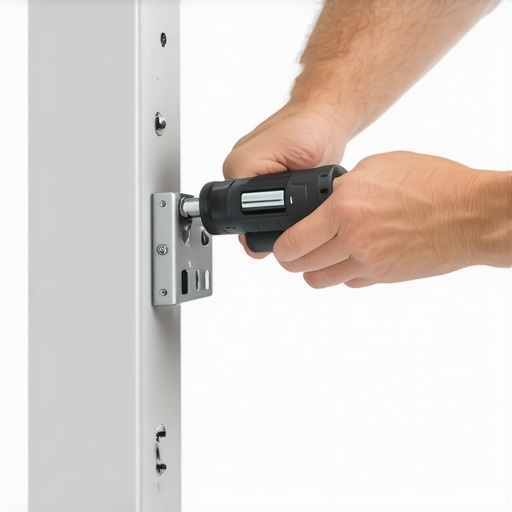
The Easiest Way to Install a Side-Mounting Bracket Kit
I remember standing in my kitchen, sweat dripping onto my…
Why You Should Never Reuse an Old Drain Hose
It was a typical Saturday morning when I noticed water…
The Correct Height for Your Dishwasher Air Gap
One day, during a kitchen remodel, I set out to…