
I remember the first time it happened. I was trying to be quiet while my wife was on a high-stakes Zoom call in the next room, and the second I pulled that door down to hide my coffee mug, it sounded like a rusty gate in a horror movie. That high-pitched, metallic groan is enough to make anyone grit their teeth. I’m a bit of a DIY enthusiast, but I’ll admit, the first time I heard that noise, I just ignored it and turned up the TV. That was a mistake. Neglecting that sound eventually led to a snapped cable and a door that nearly crushed my toe. We aren’t just talking about an annoying sound today; we are talking about saving your shins and your sanity. I’m going to show you exactly how to diagnose the tension system and stop that racket for good.
That Screeching Sound is Driving Us All Crazy
Most homeowners assume a noisy door is just a ‘feature’ of an older machine, but it’s actually a cry for help from your tension system. If you ignore it, you’re looking at more than just noise. Those springs and plastic rollers are under constant pressure, and when they start to squeak, it means the friction is wearing them down to nothing. I’ve learned the hard way that knowing how to replace common dishwasher parts effectively is the difference between a five-minute fix and an expensive emergency call. I once made the classic rookie mistake of spraying the springs with heavy-duty garage grease. It smelled like a mechanic’s shop every time the machine got hot, and it actually gummed up the rollers even more. Don’t be like me. We are going to do this the right way with the right lubricants.
Is this repair actually worth the hassle?
You might be wondering if you should just live with the noise until the machine dies. Consider this: according to data from Consumer Reports, the average household opens and closes their dishwasher door more than 2,500 times a year. That is a lot of opportunities for a small annoyance to turn into a major household frustration. Furthermore, if those springs are failing or poorly adjusted, the door might not be sealing correctly against the tub. This can cause a situation where your dishwasher is leaking from the very bottom because the gasket isn’t being compressed evenly. Have you ever had your dishwasher door sound like a haunted house? I’d love to hear your ‘noisy appliance’ horror stories in the comments. Finding that specific 10-dollar part that stops the high-pitched whistle or groan is much easier than you think, and it starts with looking behind the kickplate.
Access the Tension System Without Breaking Your Back
To get to the heart of the noise, you need to look where the door meets the frame. Most of the magic happens behind the kickplate—that metal or plastic panel at the very bottom of your machine. Grab a Nut driver or a Phillips head screwdriver and remove those two screws. Once that panel is off, you’ll likely see two thick springs attached to the frame, connected by a cable or a plastic strap to the door hinge. This is the tension system. It acts like a counterweight, ensuring your door doesn’t just fall open and smash into the floor. This is where understanding dishwasher parts becomes your greatest asset. If those cables are frayed or the plastic pulleys are cracked, no amount of spray will fix it. I remember trying to adjust the spring tension on an old unit without securing the door first. The spring snapped back and flew across the kitchen like a piece of shrapnel, nearly taking out my toaster. Now, I always stack a few heavy cookbooks under the door to keep it steady while I work.
Trace the Path of the Pulley and Cable
Look closely at the cable as you slowly move the door up and down. Does it slide smoothly over the pulley, or is it jumping and grinding? Pulleys are often made of nylon, and over time, the center hole can wear out of round. When that happens, the pulley wobbles, and that’s where your high-pitched scream comes from. This is a prime example of when to replace dishwasher parts rather than trying to patch them up. If the cable looks like a piece of dental floss that’s been through a blender, it’s time to swap it. Replacing these as a set is the only way to ensure the tension remains even on both sides, which prevents the door from warping over time.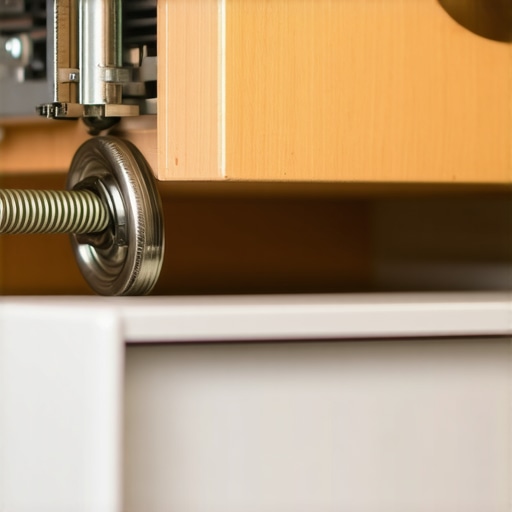
Use Silicone to Silence the Friction
If the parts look physically sound but still sound like a rusty swing set, you have a lubrication problem. Avoid the temptation to use WD-40 or heavy automotive grease. These attract dust and pet hair, creating a gritty paste that eventually grinds the plastic down. Instead, use a high-quality food-grade silicone spray or a dry PTFE lubricant. These stay slippery without the gunk. While you are down there, it is wise to learn how to diagnose dishwasher parts during warranty periods, because if your machine is new, a failing tensioner might be covered by the manufacturer. I’ve seen homeowners void their coverage by using the wrong chemicals on these sensitive components. Apply the lubricant specifically to the hinge pivot points and the pulley axles. Wipe away any excess immediately.
Verify the Balance and Alignment
Once you’ve lubricated or replaced the necessary components, check the door’s balance. A perfectly adjusted door should stay put if you open it halfway. If it falls, the tension is too loose; if it springs shut, it’s too tight. Proper balance is one of the most important parts to check when installing a dishwasher or performing a mid-life tune-up. Misalignment doesn’t just cause noise; it puts uneven pressure on the hinges, which can eventually lead to the tub leaking. When I finally got my tension balanced correctly after that ‘shrapnel’ incident, the door felt weightless. It was like I had a brand-new machine, and more importantly, my wife could finally finish her Zoom calls in peace.
The Big Warranty Protection Myth You Probably Believe
Most homeowners think that as long as they have their original receipt, the manufacturer is on the hook for any failure within the first year. In reality, [maximizing-your-dishwashers-warranty-coverage-today] has very little to do with the paperwork and everything to do with the environment you create for the machine. I’ve seen countless claims denied because the issue wasn’t a ‘defect’ in the part, but a failure in the home’s ecosystem. For instance, [understanding-dishwasher-warranty-policies-for-peace-of-mind] means realizing that a squeaky hinge or a snapped cable might be blamed on ‘excessive use’ or ‘improper environment’ if the technician sees signs of high humidity or chemical corrosion under the tub. Many people assume they should always go back to the manufacturer for every little thing, but often, [the-parts-you-can-swap-yourself-without-voiding-your-protection] are simpler to handle on your own than waiting weeks for an authorized tech who might just deny the claim anyway.
Is Your Water Temperature Actually Sabotaging Your Claim?
Here is a nuance most people miss: if your incoming water temperature is too low, the dishwasher has to work twice as hard to heat it up, which puts massive strain on the heating element and the control board. I’ve seen manufacturers point to this specifically to avoid paying out for a burnt-out board. In fact, [why-your-warranty-claim-depends-entirely-on-your-water-temperature] is one of the most common reasons for a denied repair. According to technical bulletins from the Association of Home Appliance Manufacturers (AHAM), water entering the unit should ideally be at least 120°F to prevent grease buildup that eventually clogs the internal sensors. If your machine is constantly battling cold water, it’s not a defect; it’s a plumbing issue. Check your water heater settings before you call for service. 
The Hidden Cost of Using Universal Installation Kits
We all love a bargain, but the ‘universal’ kits sold at big-box stores are a trap. I have a firm rule: never use a plastic water line. [Why-professional-installers-refuse-to-use-plastic-water-lines] comes down to the risk of bursting under pressure spikes, a disaster that your appliance warranty definitely won’t cover. Furthermore, [the-problem-with-universal-hoses-for-high-end-european-models] is that they often lack the specific pressure-fit gaskets required for a watertight seal, leading to slow drips that rot your subfloor over months. If you are doing a fresh install, [parts-to-check-when-installing-a-dishwasher-for-long-term-performance] should always include a braided stainless steel supply line and a dedicated high-loop for the drain. I once saw a homeowner lose an entire insurance claim because they didn’t know [how-to-stop-your-drain-hose-from-siphoning-dirty-water-back-in], which caused a backflow that the warranty adjuster labeled as ‘homeowner negligence.’
How Hard Water Scale Voids Your Protection
If you live in an area with high mineral content, you are sitting on a ticking time bomb. Most people are shocked to find that [why-your-warranty-policy-excludes-damage-from-hard-water-scale] is standard across the industry. Manufacturers view mineral buildup as a maintenance issue, not a mechanical failure. If your spray arms are clogged with white crust, the pump has to push harder, eventually burning out the motor. This is why [the-replacement-parts-every-dishwasher-owner-should-keep-on-hand] should always include a fresh set of gaskets and perhaps a spare spray arm, but more importantly, it’s why you need to descale regularly. Have you ever had a warranty claim denied for a reason that felt like a total loophole? Let me know in the comments. Being proactive with [expert-advice-on-dishwasher-installation-troubleshooting] today will save you from an expensive ‘uncovered’ bill tomorrow.
The Small Toolkit That Saves Me Thousands
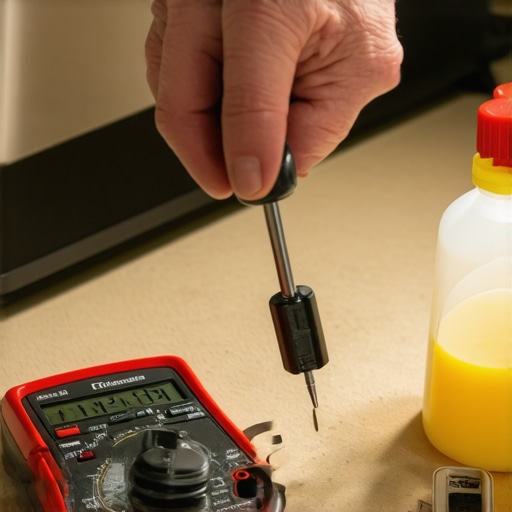
I’ve spent years tinkering with these machines, and if there’s one thing I’ve learned, it’s that a twenty-dollar toolkit can prevent a thousand-dollar floor replacement. I personally swear by a low-profile ratcheting bit driver. Why? Because most dishwasher kickplates have about three inches of clearance from the floor. Trying to use a standard screwdriver is an exercise in frustration that usually ends in stripped screws and scratched knuckles. While you are down there, you should definitely know the replacement parts every dishwasher owner should keep on hand like extra rack clips and a spare inlet valve. I also keep a digital multimeter in my kitchen junk drawer. I use it to check for continuity on the heating element whenever I notice the drying cycle failing. It takes thirty seconds and saves me from wondering if why your warranty doesnt cover power surges is going to be the reason for an expensive repair bill.
How do I maintain my dishwasher efficiency for a decade?
The secret isn’t just cleaning the filter once a year when it starts to smell. It is about consistency. I set a recurring reminder on my phone to run a cleaning cycle every thirty days. This keeps the internal sensors clear and prevents the pump from working harder than it needs to. If you skip this, you will eventually need to learn the best way to clean the hidden filter under the spray arm just to get your dishes to come out without that annoying gritty residue. According to the Association of Home Appliance Manufacturers (AHAM), using the right detergent for your specific water hardness is the single most important factor in pump longevity. If you have hard water, using the best low phosphate detergents for modern smart machines is non-negotiable to prevent the scale that eats away at rubber seals.
I also keep a bottle of citric acid in the pantry. Forget the old wives’ tales about vinegar; the eco-friendly way to descale your machine with citric acid is far more effective at breaking down the calcium that chokes your heating element and clogs the tiny holes in your spray arms. If you’re still using the cheap wrench that came with your sink, stop. Invest in a dedicated set of channel locks or the proper tool for tightening your water supply compression fit. A snug, professional-grade fit prevents the slow drips that cause why your dishwasher is leaking from the very bottom and saves your subfloor from rot.
Why the Next Generation of Dishwashers Will Fix Themselves
We are heading toward an era where you won’t even have to guess why your machine is acting up. I’m already seeing high-end models equipped with vibration-sensitive AI that can detect a bearing failure before you even hear it. Imagine your phone buzzing to tell you that how to identify a failing circulation motor by sound is no longer necessary because the machine already ordered its own replacement part. This kind of expert advice on dishwasher installation troubleshooting will eventually be baked into the appliance software. Until then, my best advice is to check your connections every six months. I highly recommend taking five minutes this weekend to pull off your kickplate and perform the best way to test for a slow leak behind the kickplate. It’s the difference between a dry floor and a ruined kitchen.
3 Dishwasher Myths That Cost Me Way Too Much Money
Over the years, I’ve realized that common sense isn’t always ‘appliance sense.’ First, stop believing that vinegar is the ultimate cleaner; it can actually dry out your rubber components over time. Second, many people assume that a warranty is an all-access pass to free repairs, but what your dishwasher warranty doesnt cover and how to avoid fees usually includes anything related to poor installation or environmental damage. Finally, I used to think generic parts were a bargain until I saw a ‘universal’ gasket fail after three months. Looking back, a solid guide to dishwasher parts warranty what you need to know is essential reading before you even touch a screwdriver.
My Go-To Toolkit for Appliance Mastery
I don’t go anywhere without my low-profile ratcheting bit driver—it’s the only way to reach those cramped screws behind the kickplate without stripping them. I also recommend keeping a digital multimeter handy; it’s the only way to know for sure if a part has failed or if it’s a wiring issue. For those who want a deep dive into the ‘why’ behind their machine’s behavior, I highly recommend checking out the complete list of dishwasher parts covered by warranty. These resources, combined with a steady hand and some patient troubleshooting, turn a frustrated amateur into a kitchen pro. #IMAGE_PLACEHOLDER_E#
Take Charge of Your Kitchen’s Lifeline Today
You don’t need to be a professional plumber to keep your kitchen running smoothly. By mastering the basics of dishwasher parts warranty installation and routine maintenance, you are protecting one of the most expensive and hardworking assets in your home. Don’t wait for a leak or a snapped cable to force your hand and ruin your Saturday. Pull off that kickplate this weekend, check those tension cables, and ensure top tips for seamless dishwasher installation in 2025 are part of your long-term appliance strategy. Have you ever discovered a ‘hidden’ problem behind your kickplate that you caught just in time? Let me know in the comments below!
Related Posts
The $5 gasket that prevents a $500 floor repair
It was a typical Saturday morning when I stepped into…

How to fix a dishwasher that will not drain without calling a plumber
Ever had that sinking feeling when your dishwasher finishes its…
Why You Should Never Use Silicone to Seal a Door Leak
Ever had that sinking feeling when you notice water seeping…