
It was a Saturday afternoon, and I had just finished unboxing a gleaming new dishwasher. The sink was overflowing with three days of crusty lasagna pans and coffee mugs, and I was desperate to get that machine humming. But when I realized the power cord didn’t quite reach the wall outlet, I did the one thing I now tell everyone never to do: I went into the garage and grabbed a dusty, orange extension cord. I thought I was being clever. Within twenty minutes, the kitchen didn’t smell like clean citrus; it smelled like an electrical fire. I quickly learned that using a regular extension cord for power is the fastest way to turn a home improvement win into a call to the fire department. Today, I am going to show you why these cords are a disaster for your heavy-hitting appliances and how you can set up your kitchen safely without risking your home or your machine. Have you ever tried to ‘make it work’ with a temporary fix only to have it backfire? I’ve been there, and I want to help you avoid the same panic I felt.
Stop Reaching for That Orange Cord in the Garage
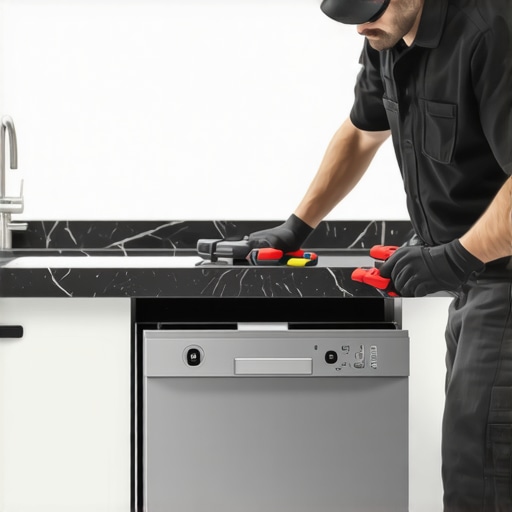
The reality is that appliances like dishwashers, refrigerators, and washing machines are power-hungry beasts. When I tried to bridge that gap with my old garage cord, I didn’t realize I was creating a massive bottleneck for electricity. This resistance generates heat—and lots of it. My mistake nearly cost me a brand new machine, and I realized later that why your professional installer refused your old cord wasn’t just them being picky; it was a matter of life and safety. If you ignore this, you might notice that your machine smells like burning plastic during the dry cycle, which is a massive red flag. According to the Electrical Safety Foundation International (ESFI), extension cords are involved in roughly 3,300 residential fires annually, often because they are used for high-draw appliances they weren’t designed to handle. Using the wrong setup can lead to permanent damage, leaving you stuck wondering how to replace a damaged power cord safely after the damage is already done. [image_placeholder_1]
Can you really trust a heavy-duty label for your kitchen?
Many people see a ‘heavy-duty’ sticker and assume it can handle a dishwasher. It’s a common trap. Even the thickest extension cord isn’t meant for permanent use behind a cabinet where heat can’t escape. When I made this mistake, I didn’t just risk a fire; I put my coverage at risk too. Many homeowners don’t realize why your warranty doesn’t cover power surges or electrical damage caused by improper installation. Beyond the safety aspect, there’s the annoyance of performance issues. You might find that your dishwasher trips the GFCI outlet every time it tries to heat the water because the cord is drawing too much current. It’s a headache that’s easily avoided by doing the job right the first time. If you’re tempted to skip the pro and do it yourself, remember the risks of skipping the professional installation receipt could mean paying for repairs out of pocket later. Let’s look at the actual physics of why this happens and how to fix your kitchen layout for good.
Clear the Path Before You Slide the Unit In
You cannot expect a safe installation if you are fighting for space behind the cabinetry. When I finally decided to do things the right way after my orange-cord debacle, I realized that you have to prepare your kitchen for dishwasher installation by creating a clear, unobstructed route for both power and water. Think of your dishwasher’s hoses and wires like a highway system; if there is a traffic jam (a kinked hose) or a roadblock (a poorly placed outlet), the whole system fails. I once tried to force a unit into a space that was just a quarter-inch too narrow, and the friction ended up stripping the insulation off the power wire. It was a terrifying realization that I could have electrified my entire sink frame. Now, I always double-check the cabinet opening and ensure the hole for the utilities is at least 1.5 inches in diameter to prevent any pinching.
Choose Components That Actually Last
Using whatever was left over from the previous owner is a recipe for a flood. You need to be intentional when selecting the right parts for dishwasher installation. For example, those plastic water lines that come in the ‘basic’ kits are brittle and prone to cracking under the constant pressure of your home’s plumbing. I’ve switched entirely to the most durable braided steel hoses for long-term safety because they resist the expansion and contraction that happens every time the water valve snaps shut. Treating your machine to high-quality connectors is like buying a good pair of boots; it might cost more upfront, but it keeps you from slipping up when things get messy. Understanding common dishwasher parts and their role in proper installation ensures you aren’t just guessing which washer goes where.
Run Your Wires the Right Way
Routing is where most DIYers get lazy. I remember a job where I thought I could just drape the power cord over the top of the drain hose. Three months later, the vibration of the drain pump had rubbed a hole right through the cord’s casing. The secret is the correct way to route wiring through a kitchen cabinet, which involves securing the wires to the cabinet wall with insulated staples so they never touch the moving parts of the machine. 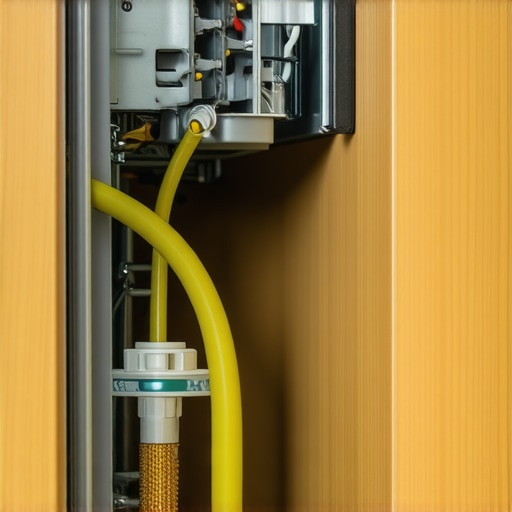 If your dishwasher is hardwired rather than using a plug, you must use a proper strain relief connector at the junction box. This little metal ring prevents the sharp edges of the box from cutting into the wires if the machine vibrates or shifts.
Keep Your Protection Plan Valid
If you think the manufacturer will just take your word for it when the motor dies, think again. You are maximizing your dishwashers warranty through proper parts selection by using only OEM-approved connectors and following the manual to the letter. Most people don’t realize that a single ‘non-standard’ modification can void a five-year motor warranty instantly. Last year, a friend of mine lost a $400 repair claim because the inspector saw he had used an unapproved adapter for his water line. Learning how to verify your professional installation receipt for insurance is just as important as the physical labor, as it provides the paper trail needed to prove the job was done by the book. It’s about more than just getting the dishes clean; it’s about ensuring that if something goes wrong, you aren’t left holding the bill for an avoidable mistake.Most people assume that as long as the dishwasher turns on, the job was a success. But I’ve learned the hard way that ‘functional’ is not the same as ‘protected.’ You might think that shiny manufacturer’s sticker guarantees you a decade of worry-free washing, but the reality is much harsher. Understanding understanding dishwasher warranty policies for peace of mind is the first step in realizing that your warranty is a legal document, not a pinky promise. If an inspector finds that you used a non-braided hose from a discount bin, they will likely deny your claim for water damage. This is where many DIYers get caught in the gap between the difference between a lemon and a faulty installation.
Why Your Warranty is More Fragile Than You Think
Everyone talks about the ’10-year motor warranty’ like it’s a golden ticket. But here is the contrarian truth: that warranty is often a marketing tool. In my experience, and backed by data from the Association of Home Appliance Manufacturers (AHAM), improper installation is one of the leading causes of premature part failure. When you dig into the truth about those 10-year motor stickers on the door, you realize they often only cover the part itself—not the expensive labor or the collateral damage to your cabinets. This is why I always emphasize maximizing your dishwashers warranty coverage today by documenting every step and using only approved components.
Should you really trust ‘universal’ kits for your kitchen?
The biggest trap I see people fall into is the ‘universal’ installation kit. They seem like a bargain, but ‘universal’ usually means ‘it fits everything poorly.’ I’ve seen these generic plastic valves fail under high-pressure cycles, leading to slow leaks that you won’t notice until your floorboards start to buckle. If you are parts to check when installing a dishwasher for long-term performance, skip the generic bins. I’ve found that why OEM pumps outlast cheap alternatives every time also applies to the smaller fittings.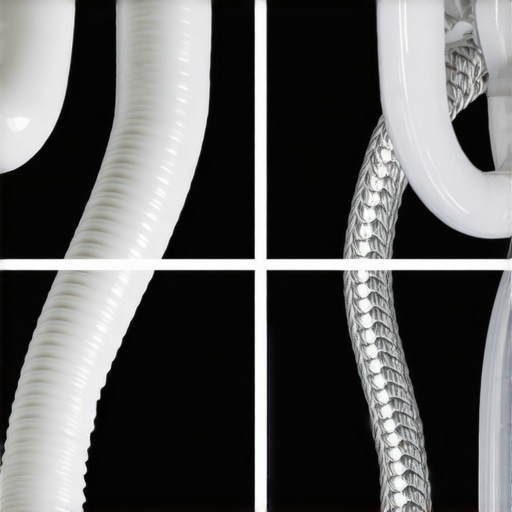
The Tiny Seal That Saves Your Hardwood Floors
One ‘oops’ factor that haunts many homeowners is the drain hose connection. Most people tighten the clamp and walk away. However, if the vibration of the machine isn’t accounted for, that clamp can slowly slice through a cheap rubber hose. That’s why the $5 gasket that prevents a $500 floor repair is the most important part of your kit. I once ignored a slight drip because I thought it was just condensation; two weeks later, I was pulling up moldy linoleum. Always use the most durable braided steel hoses for long-term safety to avoid this nightmare. Beyond that, even your cleaning habits matter. For instance, stop using vinegar in your high-end smart machine, as the acidity can degrade the very seals meant to keep the water inside. Have you ever fallen into this trap? Let me know in the comments.
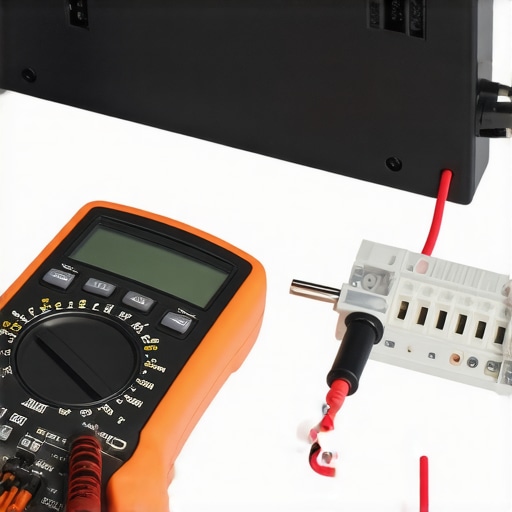
Once you have moved past the initial installation hurdles, the real work begins: keeping that machine from becoming a giant paperweight. I have seen so many people do a perfect install only to let the machine rot from the inside out because they didn’t have a plan. I tell everyone that a $15 digital multimeter is the single best investment you can make for your kitchen. When the cycle suddenly stops mid-way, you don’t need to guess and throw parts at the problem; you can quickly learn the most reliable way to test a thermal fuse yourself. It is about taking control of your hardware so you are not at the mercy of a repairman’s schedule.
Grab a Multimeter and Stop Playing the Guessing Game
The secret to avoiding massive repair bills is knowing how to diagnose dishwasher parts during warranty periods. If you can prove a part is failing with a simple continuity test, the manufacturer is much less likely to give you the runaround. I personally keep a small kit of the replacement parts every dishwasher owner should keep on hand, including an extra drain pump and a door seal. Why? Because these things always fail on a Sunday night when you have a house full of guests. According to technical bulletins from the Association of Home Appliance Manufacturers (AHAM), nearly 25% of service calls could be avoided with regular filter maintenance and proper detergent dosage. If you wait until the machine stops working, you are already behind. You need to know when to replace dishwasher parts for optimal performance before they cause a secondary failure in the motor.
What does it take to maintain my machine for the long haul?
Consistency is more important than deep cleaning once a year. I make it a habit to check essential parts every dishwasher owner should know about every three months. This includes checking the spray arms for calcium deposits and ensuring the float switch moves freely. If you’re not sure what you’re looking at, spend some time understanding dishwasher parts a key to effective maintenance so you can spot wear and tear before it becomes a leak. For instance, knowing common dishwasher parts and how to replace them effectively means you won’t be intimidated when a simple plastic clip snaps. I also suggest parts to check when installing a dishwasher for long-term performance even if you didn’t do the initial install yourself. A quick peek behind the kickplate once a year can save your kitchen floor from a slow, hidden drip.
The Future of Smart Scrubbing
I predict that in the next five years, we will see a massive shift toward AI-driven preventative maintenance. We are already seeing the beginnings of this with how to set up automated detergent reordering on your smart app, but soon, your machine will likely alert you to a failing bearing before you even hear the squeak. This makes maximizing your dishwashers warranty through proper parts selection even more critical, as smart sensors are very picky about voltage drops. To stay ahead of the curve, I recommend you go check your bottom filter right now—if it feels slimy or has a film, give it a hot soapy scrub. It is the easiest five-minute task that adds years to your pump’s life.
What the User Manual Won’t Tell You About Your Warranty
After years of fixing machines, I’ve realized that the most expensive repairs usually stem from the smallest oversights. One lightbulb moment for me was discovering that manufacturers are actually looking for reasons to deny your claim. They aren’t being mean; they are just following a strict checklist. You can stay ahead of them by keeping a folder of every receipt, especially when selecting the right parts for dishwasher installation. Another lesson? Never assume a “waterproof” floor is actually waterproof. A slow drip from a poorly tightened clamp will win every time. Finally, remember that your dishwasher’s lifespan is directly tied to the quality of its installation components—cheap plastic will fail, but the most durable braided steel hoses for long-term safety are worth their weight in gold.
My Personal Checklist for a Stress-Free Kitchen
I don’t expect you to become a full-time plumber, but having the right resources makes all the difference. First, I always recommend expert advice on dishwasher installation troubleshooting before you start ripping out panels. Second, a simple digital multimeter is your best friend; it turns guesswork into science. I also highly suggest reading through the guide to dishwasher parts warranty what you need to know so you don’t accidentally toss a part that was covered. Lastly, keep a few spare components like a door seal or a float switch on hand—knowing the replacement parts every dishwasher owner should keep on hand can save your kitchen on a holiday weekend.
The Peace of Mind That Comes from Doing it Right
Installing a new appliance should be an upgrade to your lifestyle, not a source of constant anxiety. By taking the time to learn what your dishwasher warranty doesnt cover and how to avoid fees and using the right components, you are protecting your home and your wallet. You don’t have to be a professional to achieve professional results; you just need to be patient and follow the rules I’ve shared today. Your future self—the one enjoying clean dishes and a bone-dry kitchen floor—will thank you for the effort you put into this dishwasher installation today. Go ahead, slide that unit in with confidence!
Have you ever found a surprise leak or a strange noise months after you thought the job was finished? Let me know your stories in the comments below.
Related Posts
The Case for Professional Leveling: Why a One-Degree Tilt Matters
It was the loud thud that finally made me realize…

The Hidden Costs of Skipping Professional Installation Services
It was a morning like any other, until I opened…
The Proper Way to Secure a Dishwasher Under Stone Countertops
I remember the moment vividly—my hands were trembling slightly, and…